From the IMPAQ International, LLC, Columbia, Maryland.
J Patient Saf. 2020 Sep;16(3S Suppl 1):S16-S22. doi: 10.1097/PTS.0000000000000743.
The aim of the study was to summarize the latest evidence for patient bathing with a 2% to 4% chlorhexidine gluconate solution to reduce multidrug-resistant organism (MDRO) transmission and infection.
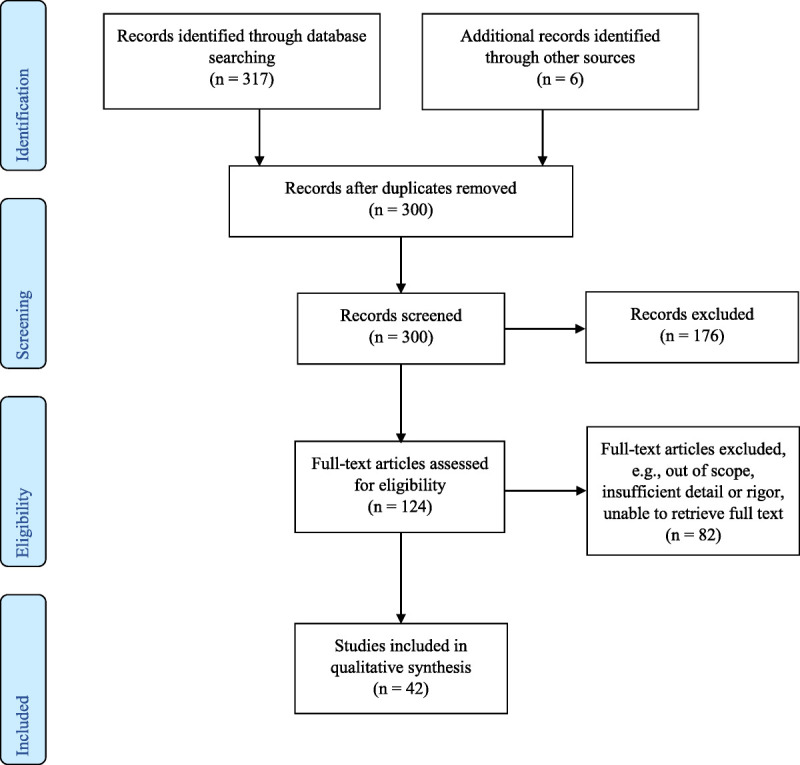
We searched 3 databases (CINAHL, MEDLINE, and Cochrane) for a combination of the key words "chlorhexidine bathing" and MeSH terms "cross-infection prevention," "drug resistance, multiple, bacterial," and "drug resistance, microbial." Articles from January 1, 2008, to December 31, 2018, were included, as well as any key articles published after December 31.
Our findings focused on health care-associated infections (HAIs) and 3 categories of MDROs: methicillin-resistant Staphylococcus aureus (MRSA), vancomycin-resistant Enterococcus (VRE), and carbapenem-resistant Enterobacteriaceae (CRE). Chlorhexidine bathing reduces MRSA acquisition and carriage, but not all studies found significant reductions in MRSA infections. Several studies found that chlorhexidine bathing reduced VRE acquisition and carriage, and one study showed lower VRE infections in the bathing group. Two studies found that bathing reduced CRE carriage (no studies examined CRE infections). Two very large studies (more than 140,000 total patients) found bathing significantly reduced HAIs, but these reductions may be smaller when HAIs are already well controlled by other means.
There is a high level of evidence supporting chlorhexidine bathing to reduce MDRO acquisition; less evidence is available on reducing infections. Chlorhexidine bathing is low cost to implement, and adverse events are rare and resolve when chlorhexidine use is stopped. There is evidence of chlorhexidine resistance, but not at concentrations in typical use. Further research is needed on chlorhexidine bathing's impact on outcomes, such as mortality and length of stay.
本研究旨在总结最新证据,即使用 2%-4%葡萄糖酸氯己定溶液为患者洗浴以降低多重耐药菌(MDRO)传播和感染。
我们在 3 个数据库(CINAHL、MEDLINE 和 Cochrane)中搜索了“氯己定洗浴”和 MeSH 术语“交叉感染预防”、“细菌多重耐药”和“微生物耐药”的关键词组合。纳入了 2008 年 1 月 1 日至 2018 年 12 月 31 日期间发表的文章,以及 12 月 31 日后发表的任何关键文章。
我们的研究结果集中在与医疗保健相关的感染(HAIs)和 3 类 MDRO 上:耐甲氧西林金黄色葡萄球菌(MRSA)、万古霉素耐药肠球菌(VRE)和碳青霉烯类耐药肠杆菌科(CRE)。氯己定洗浴可降低 MRSA 的获得和携带,但并非所有研究都发现 MRSA 感染的显著降低。几项研究发现,氯己定洗浴可降低 VRE 的获得和携带,一项研究表明洗浴组的 VRE 感染较低。两项研究发现,洗浴可降低 CRE 的携带(没有研究检查 CRE 的感染)。两项非常大型的研究(共有超过 140000 名患者)发现洗浴显著降低了 HAI,但当 HAI 已经通过其他手段得到很好的控制时,这些减少可能较小。
有大量证据支持氯己定洗浴可降低 MDRO 的获得;关于减少感染的证据较少。氯己定洗浴实施成本低,不良反应罕见,停止使用氯己定后即可解决。虽然存在氯己定耐药的证据,但在典型使用浓度下并不存在。需要进一步研究氯己定洗浴对死亡率和住院时间等结果的影响。