Behavioural Science Institute, Faculty of Social Sciences, Radboud University, Nijmegen, Netherlands.
Department of Communication Science, Faculty of Social Sciences, Free University of Amsterdam, De Boelelaan 1105 (3E), 1081, HV, Amsterdam, The Netherlands.
Cogn Affect Behav Neurosci. 2020 Oct;20(5):961-982. doi: 10.3758/s13415-020-00813-5.
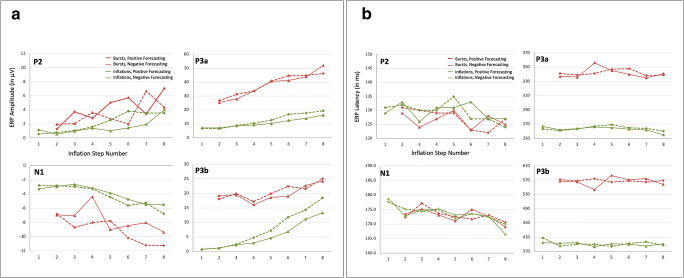
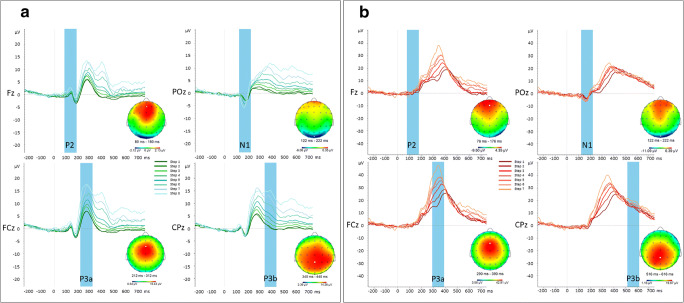
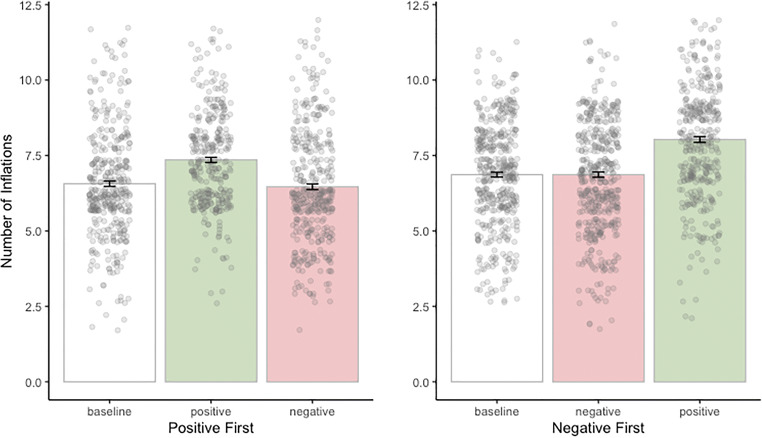
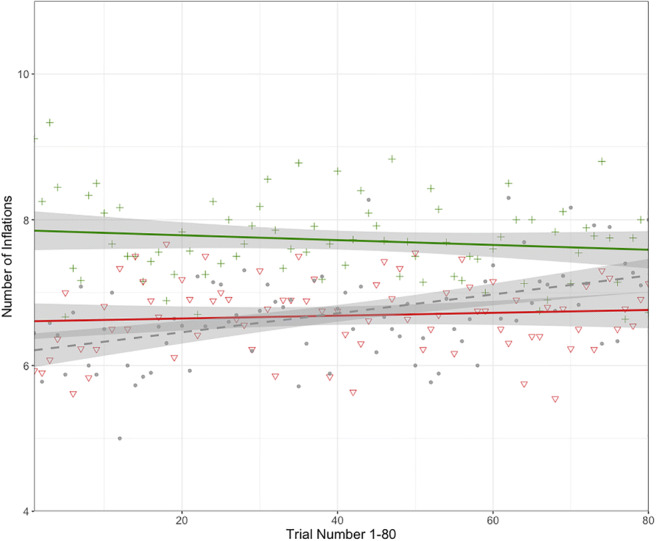
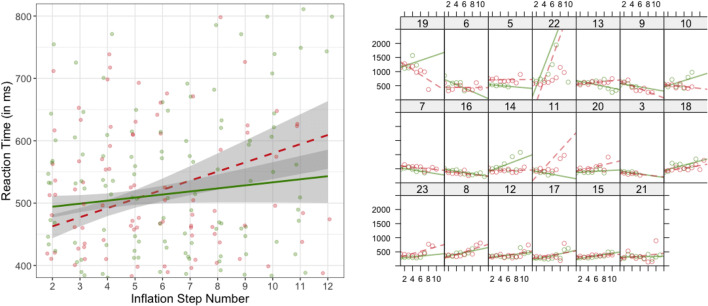
Research has demonstrated the importance of economic forecasts for financial decisions at the aggregate economic level. However, little is known about the psychological and neurophysiological mechanisms that economic forecasts activate at the level of individual decision-making. In the present study, we used event-related brain potentials (ERPs) to test the hypothesis that economic forecasts influence individuals' internal model of the economy and their subsequent decision behavior. Using a simple economic decision-making game, the Balloon Analogue of Risk Task (BART) and predictive messages about possible economic changes in the game before each block, we test the idea that brain potentials time-locked to decision outcomes can vary as a function of exposure to economic forecasts. Behavioural results indicate that economic forecasts influenced the amount of risk that participants were willing to take. Analyses of brain potentials indicated parametric increases of the N1, P2, P3a, and P3b amplitudes as a function of the level of risk in subsequent inflation steps in the BART. Mismatches between economic forecasts and decision outcomes in the BART (i.e., reward prediction errors) were reflected in the amplitude of the P2, P3a, and P3b, suggesting increased attentional processing of unexpected outcomes. These electrophysiological results corroborate the idea that economic messages may indeed influence people's beliefs about the economy and bias their subsequent financial decision-making. Our findings present a first important step in the development of a low-level neurophysiological model that may help to explain the self-fulfilling prophecy effect of economic news in the larger economy.
研究表明,经济预测对于宏观经济层面的金融决策至关重要。然而,对于经济预测在个体决策层面激活的心理和神经生理机制知之甚少。在本研究中,我们使用事件相关脑电位(ERPs)来检验以下假设:经济预测会影响个体对经济的内部模型以及他们随后的决策行为。我们使用简单的经济决策游戏——气球模拟风险任务(BART)和每个阶段前关于游戏中可能经济变化的预测信息,来检验这样一个观点,即与决策结果相关的脑电位会随经济预测的暴露而变化。行为结果表明,经济预测会影响参与者愿意承担的风险程度。脑电位分析表明,随着 BART 中后续通胀步骤风险水平的增加,N1、P2、P3a 和 P3b 的振幅呈参数增加。BART 中经济预测与决策结果不匹配(即奖励预测误差)反映在 P2、P3a 和 P3b 的振幅上,表明对意外结果的注意力处理增加。这些电生理结果证实了这样一种观点,即经济信息确实可能影响人们对经济的信念,并影响他们随后的财务决策。我们的研究结果为开发一种可能有助于解释经济新闻在更大经济中自我实现预言效应的低级神经生理模型迈出了重要的第一步。