Zhang Yu-Dong, Dong Zhengchao, Wang Shui-Hua, Yu Xiang, Yao Xujing, Zhou Qinghua, Hu Hua, Li Min, Jiménez-Mesa Carmen, Ramirez Javier, Martinez Francisco J, Gorriz Juan Manuel
School of Informatics, University of Leicester, Leicester, LE1 7RH, Leicestershire, UK.
Department of Information Systems, Faculty of Computing and Information Technology, King Abdulaziz University, Jeddah 21589, Saudi Arabia.
Inf Fusion. 2020 Dec;64:149-187. doi: 10.1016/j.inffus.2020.07.006. Epub 2020 Jul 17.
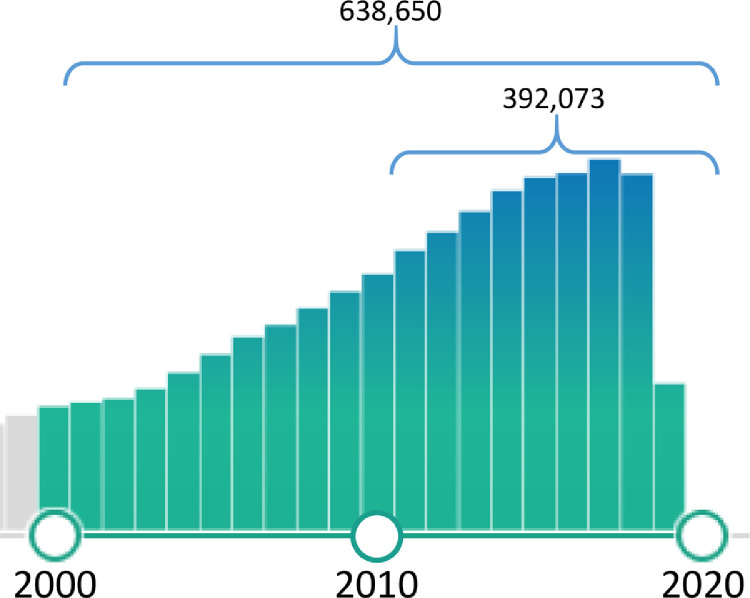
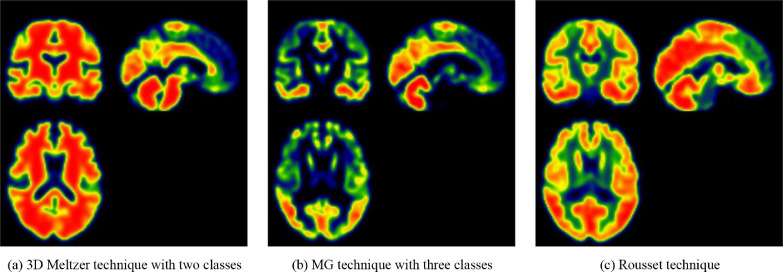
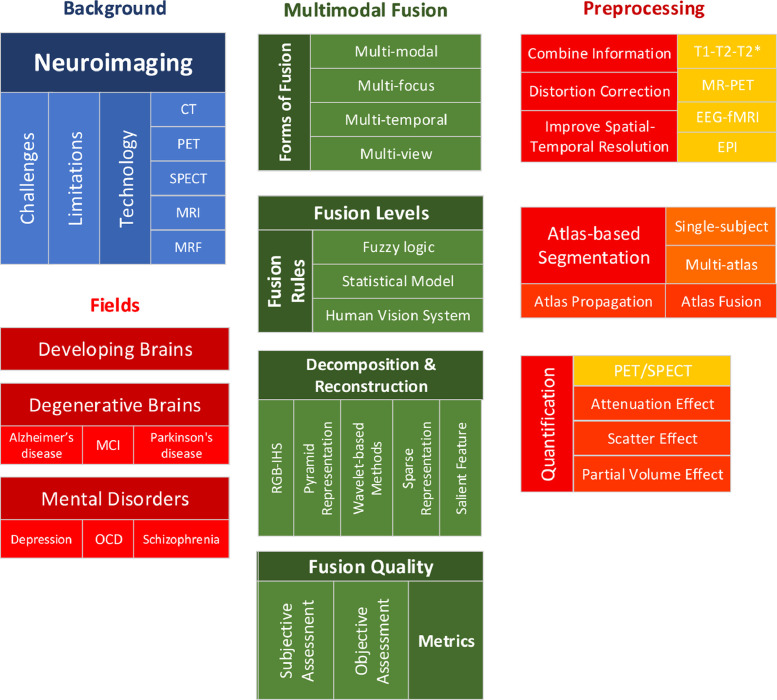
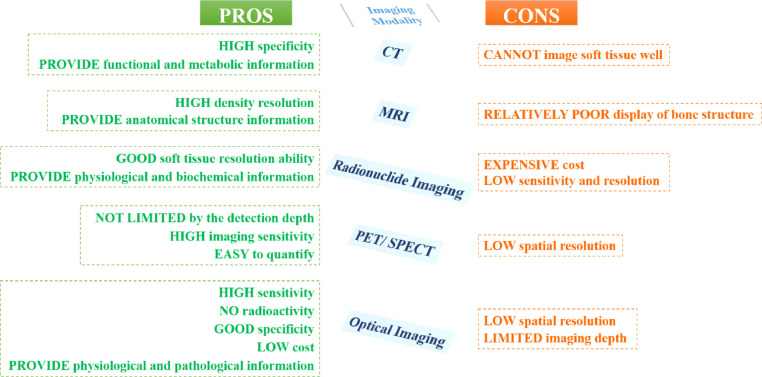
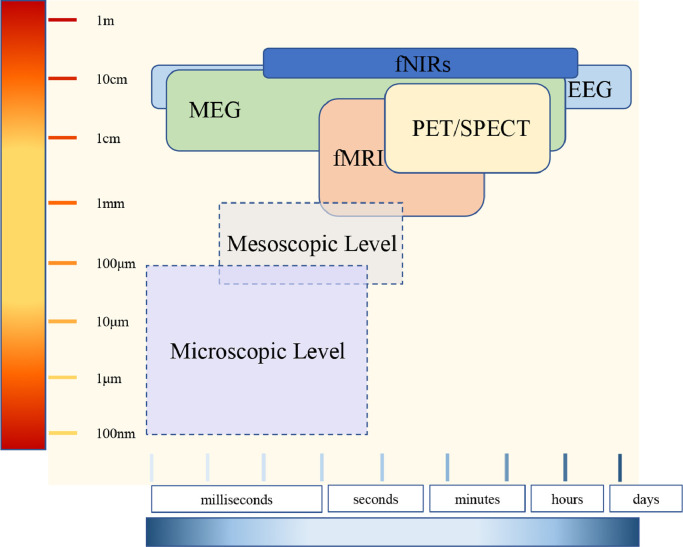
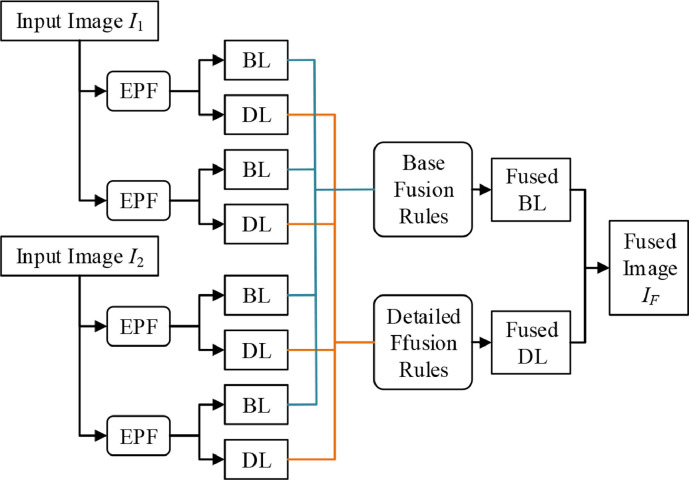
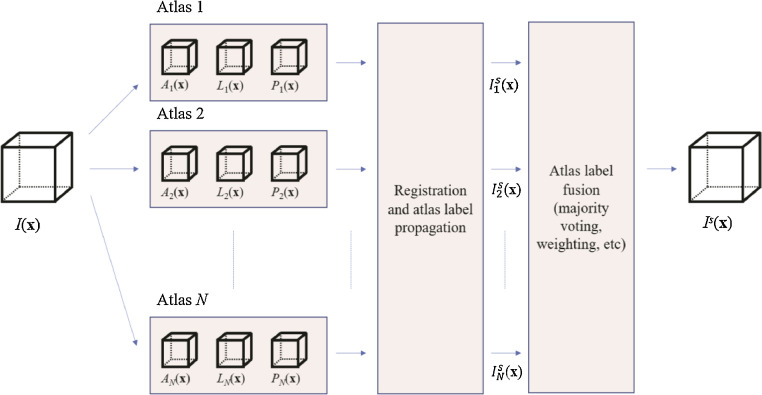
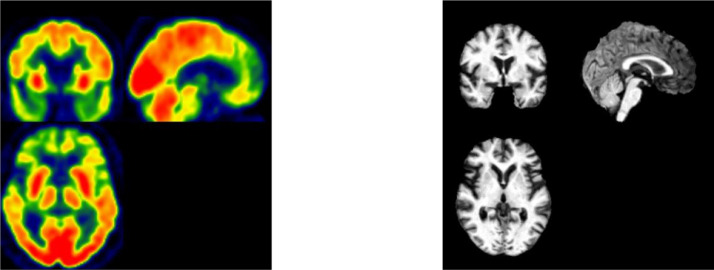
Multimodal fusion in neuroimaging combines data from multiple imaging modalities to overcome the fundamental limitations of individual modalities. Neuroimaging fusion can achieve higher temporal and spatial resolution, enhance contrast, correct imaging distortions, and bridge physiological and cognitive information. In this study, we analyzed over 450 references from PubMed, Google Scholar, IEEE, ScienceDirect, Web of Science, and various sources published from 1978 to 2020. We provide a review that encompasses (1) an overview of current challenges in multimodal fusion (2) the current medical applications of fusion for specific neurological diseases, (3) strengths and limitations of available imaging modalities, (4) fundamental fusion rules, (5) fusion quality assessment methods, and (6) the applications of fusion for atlas-based segmentation and quantification. Overall, multimodal fusion shows significant benefits in clinical diagnosis and neuroscience research. Widespread education and further research amongst engineers, researchers and clinicians will benefit the field of multimodal neuroimaging.
神经成像中的多模态融合结合了来自多种成像模态的数据,以克服单个模态的基本局限性。神经成像融合可以实现更高的时间和空间分辨率,增强对比度,校正成像畸变,并连接生理和认知信息。在本研究中,我们分析了来自PubMed、谷歌学术、IEEE、ScienceDirect、科学网以及1978年至2020年期间各种来源发表的450多篇参考文献。我们提供了一篇综述,涵盖(1)多模态融合当前面临的挑战概述,(2)融合在特定神经系统疾病中的当前医学应用,(3)可用成像模态的优势和局限性,(4)基本融合规则,(5)融合质量评估方法,以及(6)融合在基于图谱的分割和量化中的应用。总体而言,多模态融合在临床诊断和神经科学研究中显示出显著优势。工程师、研究人员和临床医生之间广泛的教育和进一步的研究将有利于多模态神经成像领域。