Morgan Marina
Department of Infection, Royal Devon and Exeter NHS Trust, Exeter, UK. Conflicts of interest: none declared.
Obstet Gynaecol Reprod Med. 2020 Sep;30(9):289-297. doi: 10.1016/j.ogrm.2020.06.005. Epub 2020 Aug 1.
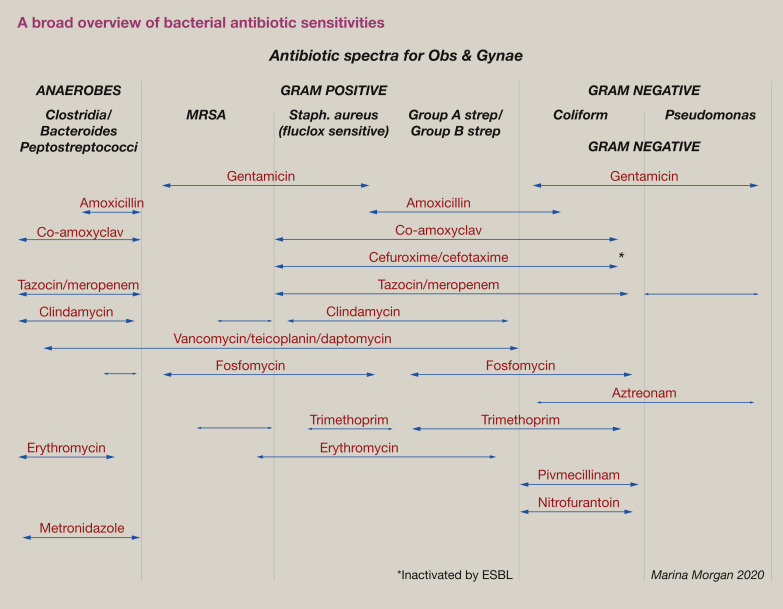
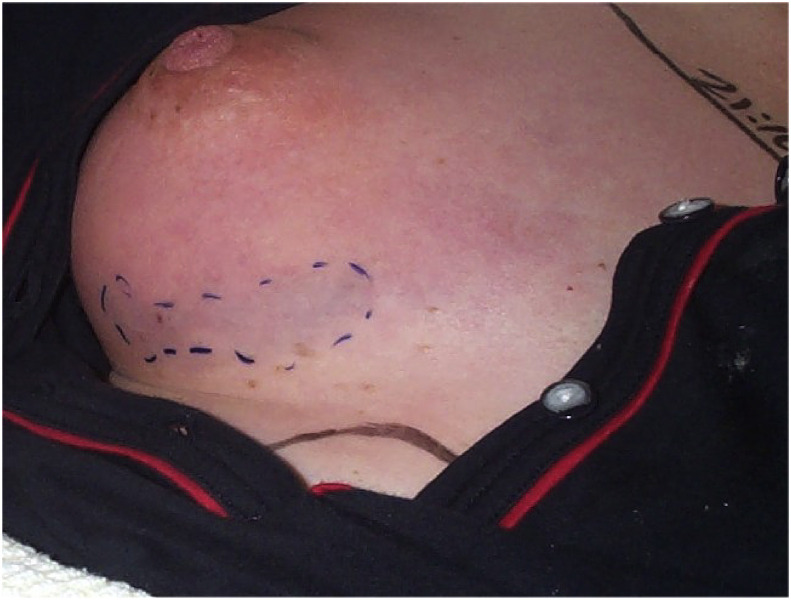
Maternal sepsis is "a life-threatening condition defined as organ dysfunction resulting from infection during pregnancy, childbirth, post-abortion, or postpartum period." (World Health Organisation, 2017). Serious infection during, or immediately after, pregnancy may go initially unrecognized in an otherwise young and healthy group, who nevertheless do have a compromized immune system. Secondly, whilst malaise, flushes, nausea, vomiting and abdominal pain are common in pregnancy, each can herald sepsis with rapid demise for mother and baby. The MBRRACE-UK report in 2017 found an overall sepsis-related maternal mortality rate of 0.56 per 100,000 maternities with a mortality rate from genital tract sepsis of 0.28 per 100,000 maternities. This review will focus on the major causes, recognition, differentiation and microbiological management of sepsis in pregnancy, using two detailed cases to illustrate.
孕产妇败血症是“一种危及生命的病症,定义为在妊娠、分娩、流产后或产后期间因感染导致的器官功能障碍”。(世界卫生组织,2017年)。在原本年轻健康但免疫系统确实受到损害的人群中,孕期或产后立即发生的严重感染最初可能未被识别。其次,虽然不适、潮热、恶心、呕吐和腹痛在孕期很常见,但每一种都可能预示着败血症,母婴可能迅速死亡。英国孕产妇和儿童健康保密调查机构2017年的报告发现,每10万例分娩中与败血症相关的孕产妇总体死亡率为0.56,每10万例分娩中生殖道败血症的死亡率为0.28。本综述将重点关注孕期败血症的主要病因、识别、鉴别和微生物学管理,并通过两个详细病例进行说明。