Formulation Division, Institute of Pesticide Formulation Technology (IPFT) (Ministry of Chemicals and Fertilizers, Government of India), Gurugram, Haryana, 122016, India.
Center for Rural Development Technology (CRDT), Indian Institute of Technology (IIT) Delhi, Delhi, 110016, India.
Sci Rep. 2020 Aug 24;10(1):14107. doi: 10.1038/s41598-020-70889-z.
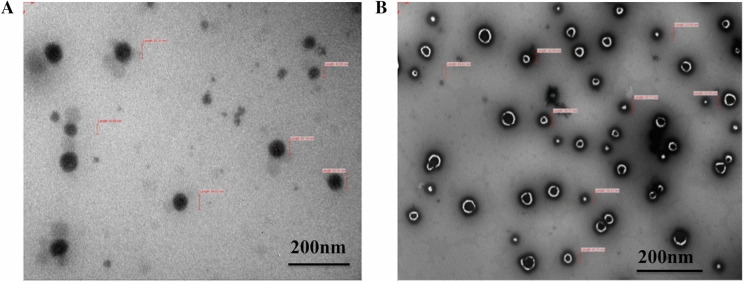
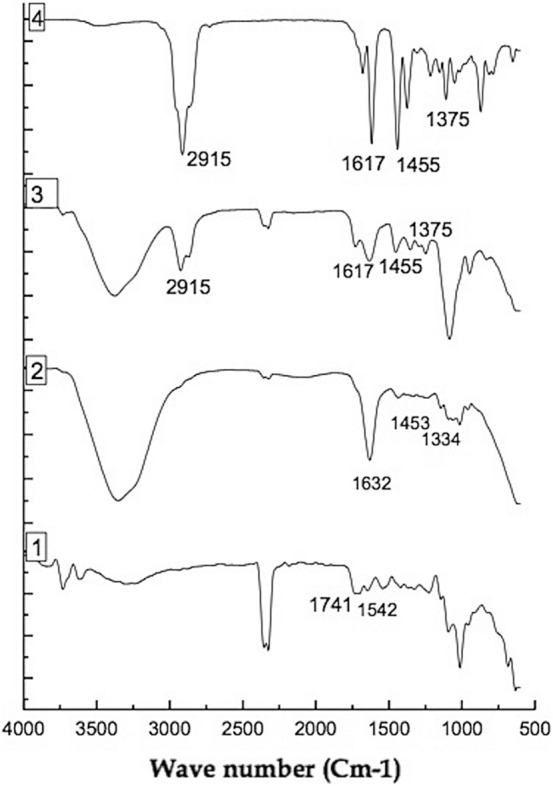
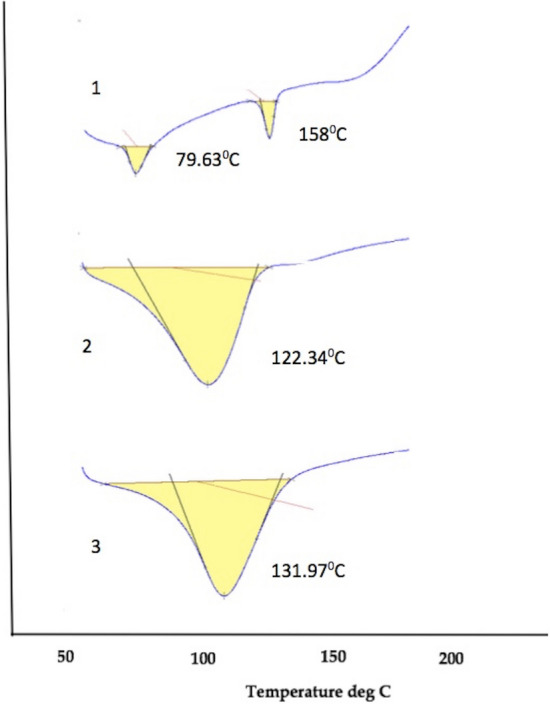
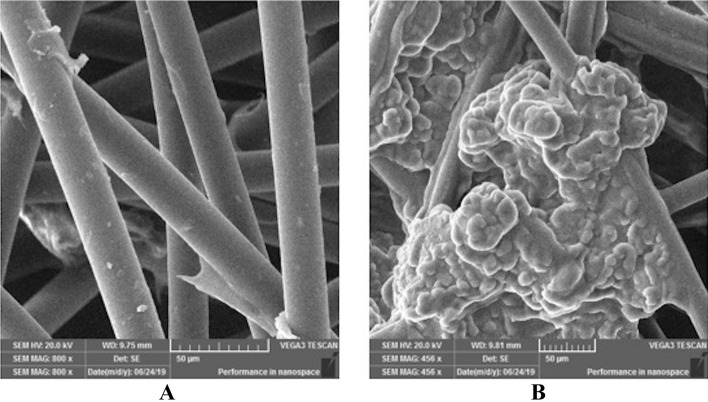
The use pesticide is one of the indispensable means to combat mosquito borne diseases. However, the repeated use of synthetic pesticides has induced resistance in the vector pest along with undesirable impact on the environment. The biodegradability, non-persistent and user's safety are the root cause to prefer plant-derived pesticides to synthetic ones. The botanical based pesticides tend to degrade rapidly under the influence of several environmental factors. For the feasible application as pesticides, the plant products are formulated either as liquid or as purely solid. Despite well-established formulation technology in pesticide delivery, their handling trouble is being ignored. There is difficulty in liquid formulation of pesticide products, as they are prone to splashing and spillage, resulting in contamination, wastage and direct exposure to skin; whereas a solid formulation tends to produce dust. In the present work, cedarwood (Cedrus deodara) essential oil embedded pectin nanocapsules were produced. The nanocapsules were characterized according to their morphology, size, encapsulation efficiency and thermal stability. Furthermore, the nanocapsules were impregnated onto mini cotton tea bags to be employed as RTU (ready to use) formulation for treating the breeding sites of mosquitoes. The larvicidal activity of the bags treated with pectin-cedar wood nanocapsules was assessed against malaria vector, Anopheles culicifacies and 98% mortality was recorded till 4 weeks, this suggests its potential and hassle free applications in controlling mosquito vector.
使用杀虫剂是防治蚊媒疾病不可或缺的手段之一。然而,合成杀虫剂的反复使用导致病媒害虫产生了抗药性,同时对环境也产生了不良影响。生物降解性、非持久性和使用者安全性是人们倾向于选择植物源农药而不是合成农药的根本原因。植物源农药在多种环境因素的影响下往往会迅速降解。为了实现作为农药的可行应用,植物产品被配制成液体或纯固体形式。尽管在农药输送方面已经建立了成熟的配方技术,但它们的处理问题却被忽视了。农药产品的液体配方存在困难,因为它们容易溅出和溢出,导致污染、浪费和直接接触皮肤;而固体配方则容易产生粉尘。在本工作中,生产了雪松(Cedrus deodara)精油嵌入的果胶纳米胶囊。根据其形态、大小、包封效率和热稳定性对纳米胶囊进行了表征。此外,将纳米胶囊浸渍到微型棉花茶袋中,用作处理蚊子滋生地的即用型(RTU)制剂。用果胶-雪松纳米胶囊处理过的袋子对疟疾媒介按蚊的杀幼虫活性进行了评估,结果记录到 4 周内死亡率达到 98%,这表明它在控制蚊子媒介方面具有潜力和无麻烦的应用。