Department of Biochemistry and Cell Biology, Stony Brook University, Stony Brook, NY 11794-5215.
Mol Biol Cell. 2020 Oct 15;31(22):2425-2436. doi: 10.1091/mbc.E19-08-0439-T. Epub 2020 Aug 26.
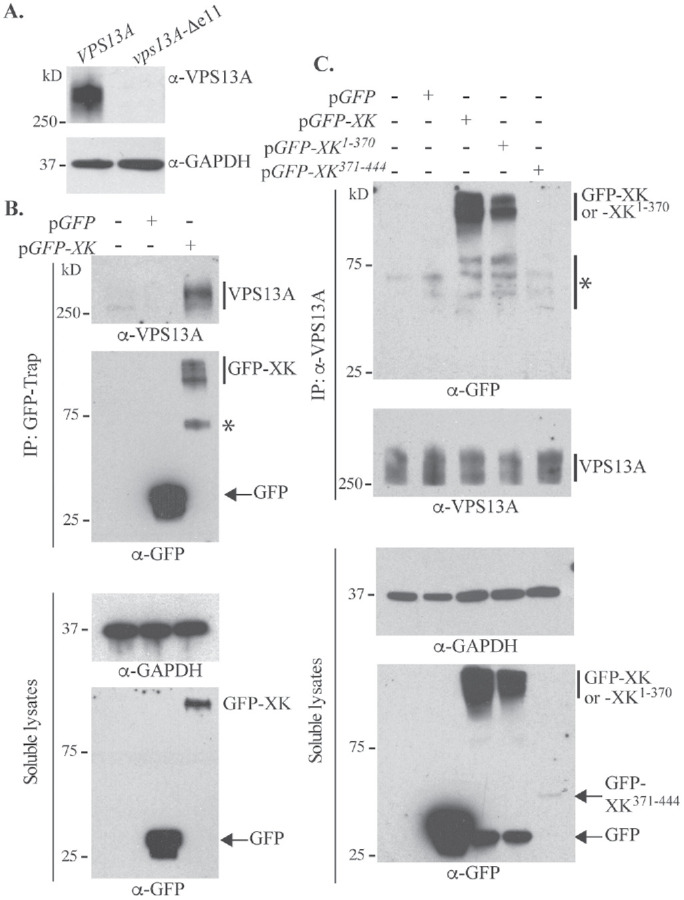
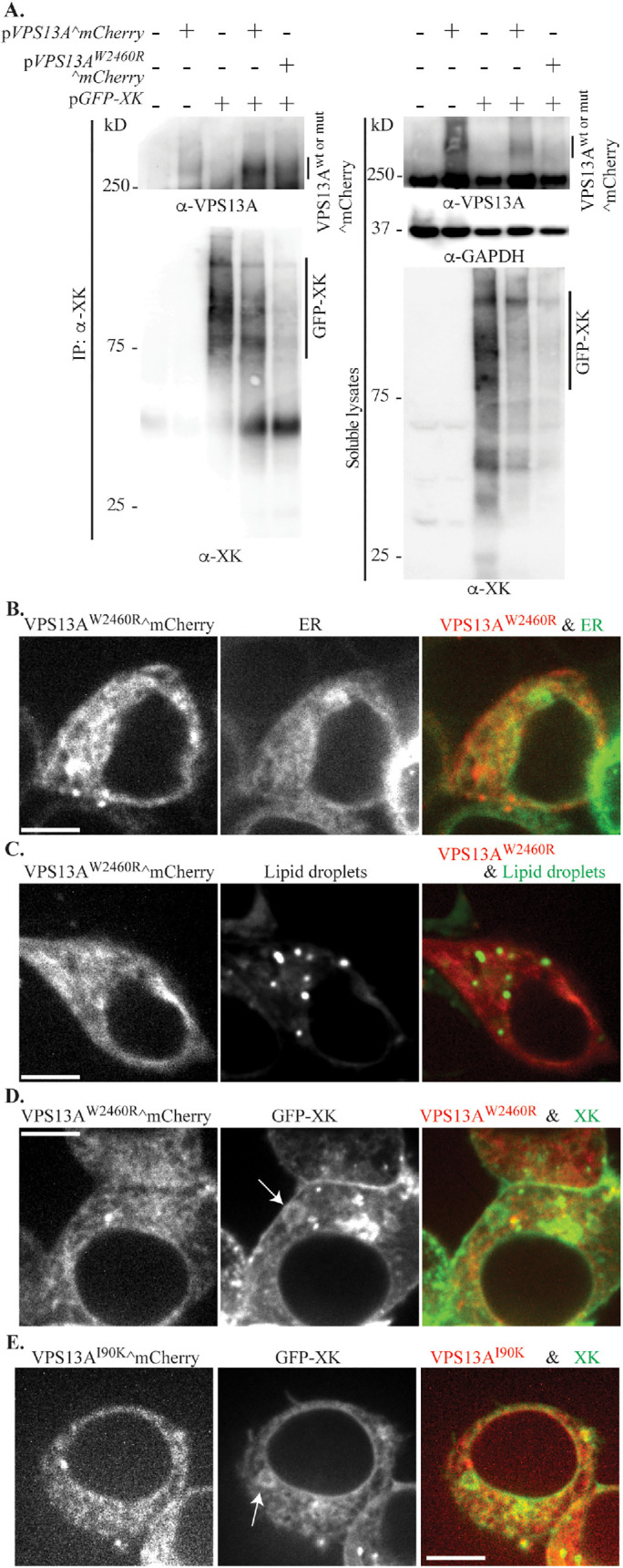
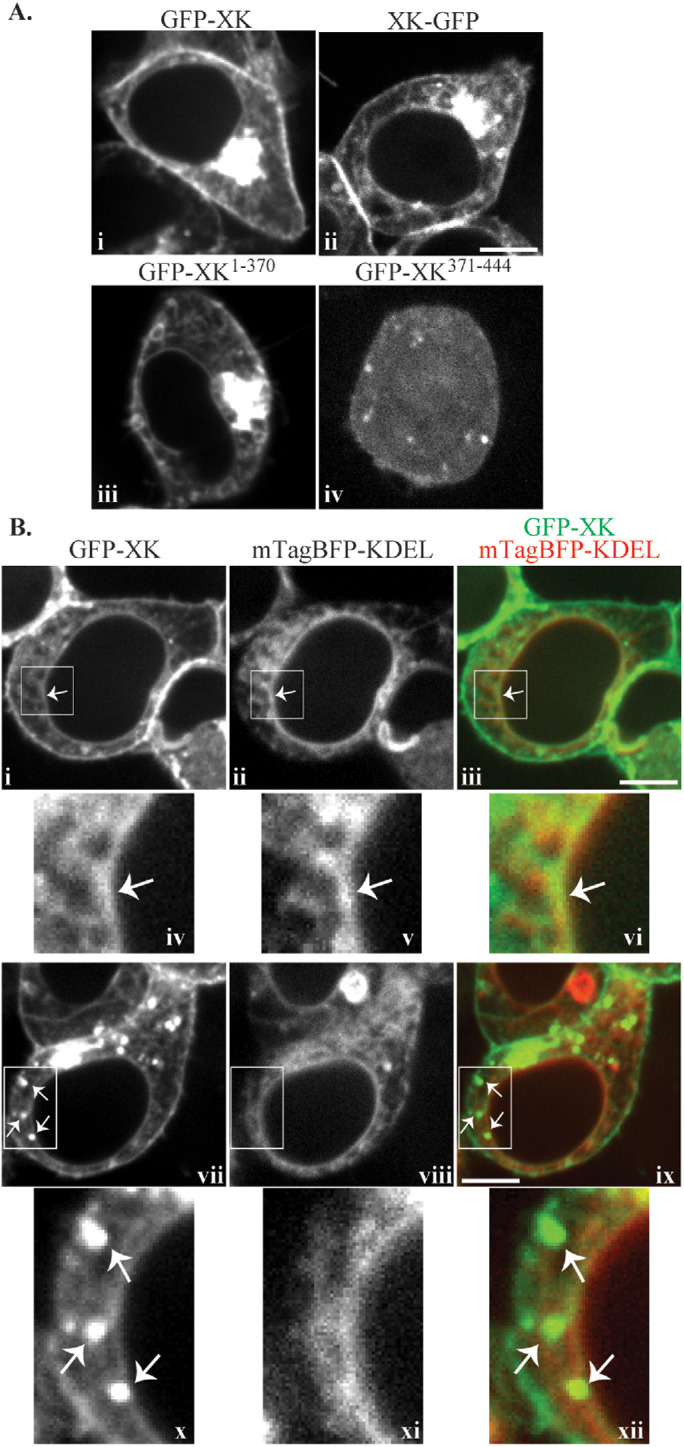
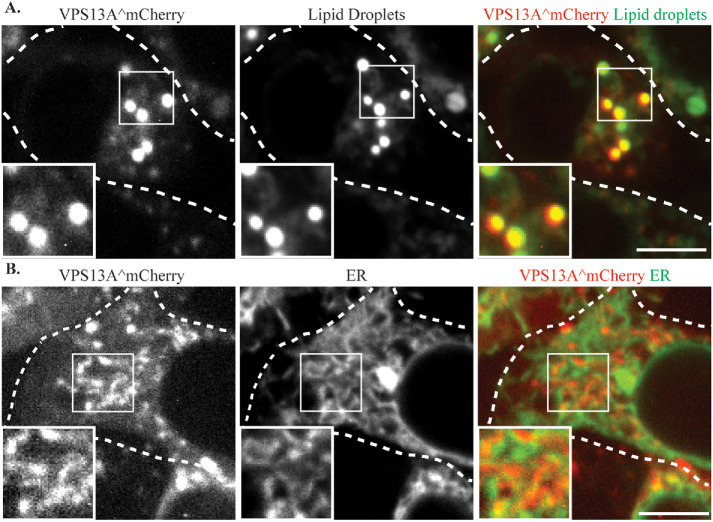
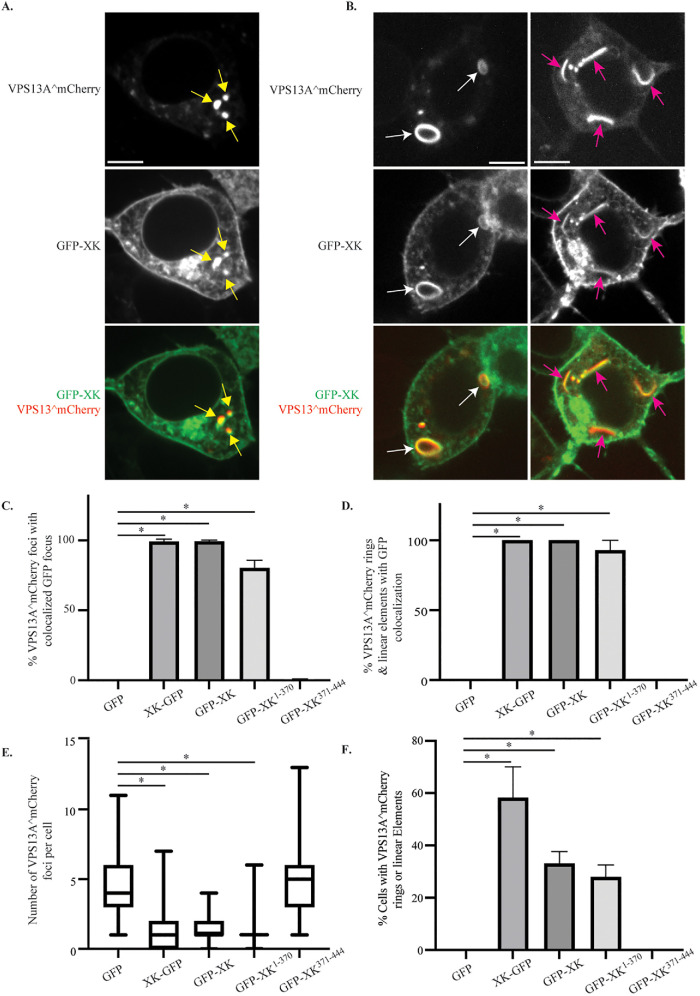
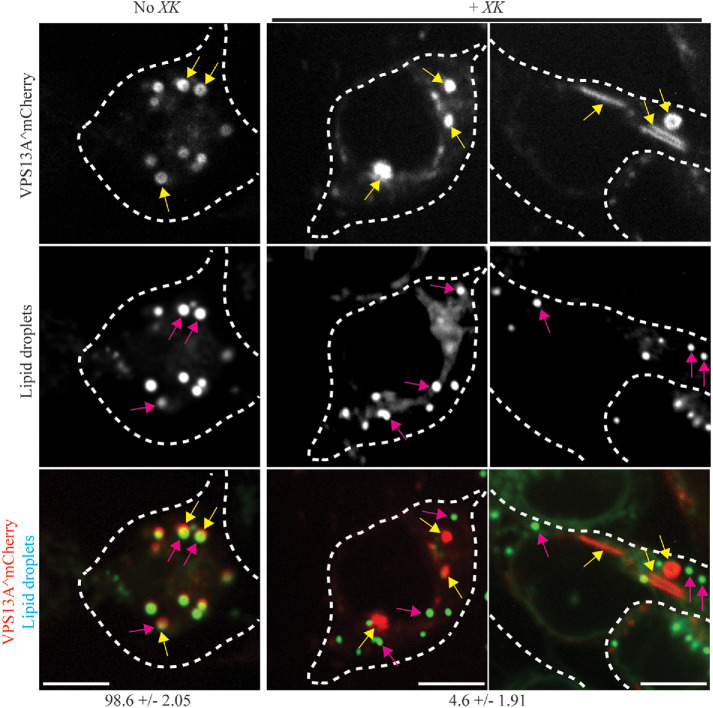
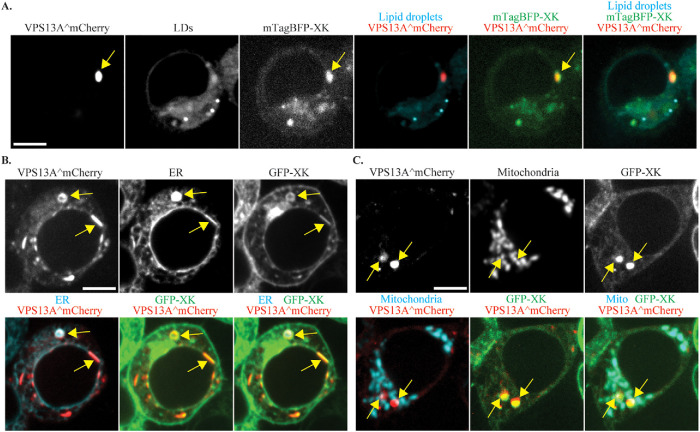
Vps13 is a highly conserved lipid transfer protein found at multiple interorganelle membrane contact sites where it mediates distinct processes. In yeast, recruitment of Vps13 to different contact sites occurs via various partner proteins. In humans, four VPS13 family members, A-D, are associated with different diseases. In particular, mutants result in the neurodegenerative disorder Chorea-Acanthocytosis (ChAc). ChAc phenotypes resemble those of McLeod Syndrome, caused by mutations in the gene, suggesting that XK could be a partner protein for VPS13A. XK does, in fact, exhibit hallmarks of a VPS13A partner: it forms a complex with VPS13A in human cells and, when overexpressed, relocalizes VPS13A from lipid droplets to subdomains of the endoplasmic reticulum. Introduction of two different ChAc disease-linked missense mutations into VPS13A prevents this XK-induced relocalization. These results suggest that dysregulation of a VPS13A-XK complex is the common basis for ChAc and McLeod Syndrome.
Vps13 是一种高度保守的脂质转移蛋白,存在于多个细胞器膜接触位点,在这些位点它介导不同的过程。在酵母中,Vps13 被招募到不同的接触位点是通过各种伙伴蛋白实现的。在人类中,四个 VPS13 家族成员 A-D 与不同的疾病相关。特别是,突变导致神经退行性疾病舞蹈棘红细胞增多症(ChAc)。ChAc 的表型类似于 McLeod 综合征,由基因中的突变引起,这表明 XK 可能是 VPS13A 的一个伙伴蛋白。事实上,XK 确实表现出 VPS13A 伙伴的特征:它在人类细胞中与 VPS13A 形成复合物,并且当过表达时,将 VPS13A 从脂滴重新定位到内质网的亚域。将两种不同的 ChAc 疾病相关的错义突变引入 VPS13A 中,会阻止这种由 XK 诱导的重定位。这些结果表明,VPS13A-XK 复合物的失调是 ChAc 和 McLeod 综合征的共同基础。