Inestrosa Nibaldo C, Tapia-Rojas Cheril, Lindsay Carolina B, Zolezzi Juan Manuel
Centro de Envejecimiento y Regeneración (CARE), Departamento de Biología Celular y Molecular, Facultad de Ciencias Biológicas, Pontificia Universidad Católica de Chile, Santiago, Chile.
Centro de Excelencia en Biomedicina de Magallanes (CEBIMA), Universidad de Magallanes, Punta Arenas, Chile.
Front Cell Dev Biol. 2020 Aug 5;8:734. doi: 10.3389/fcell.2020.00734. eCollection 2020.
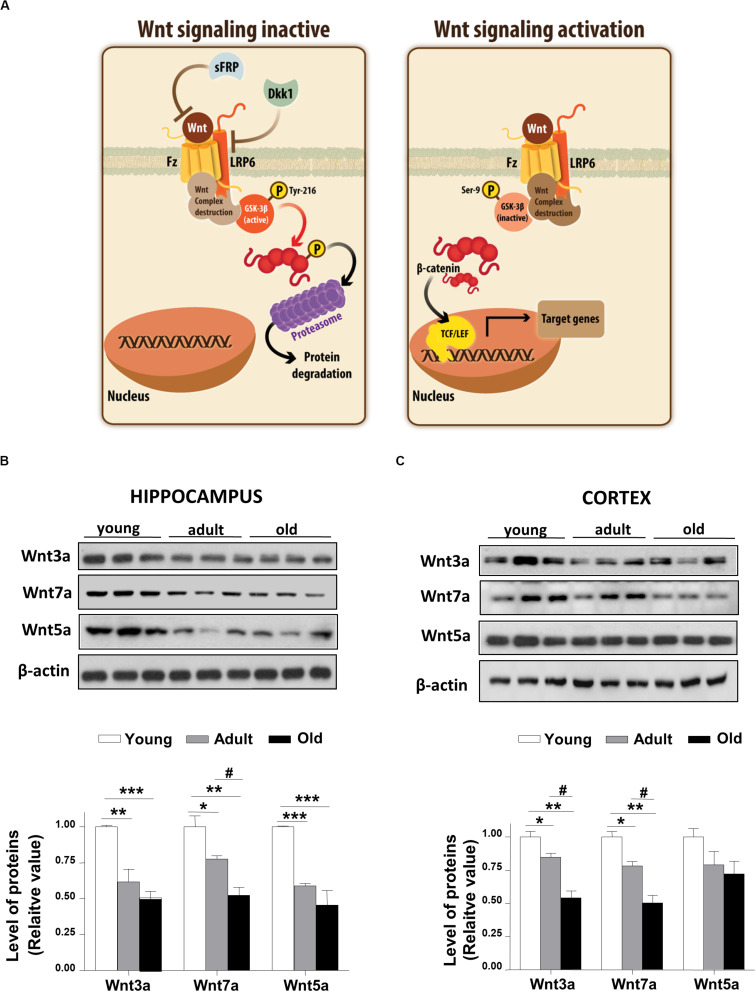
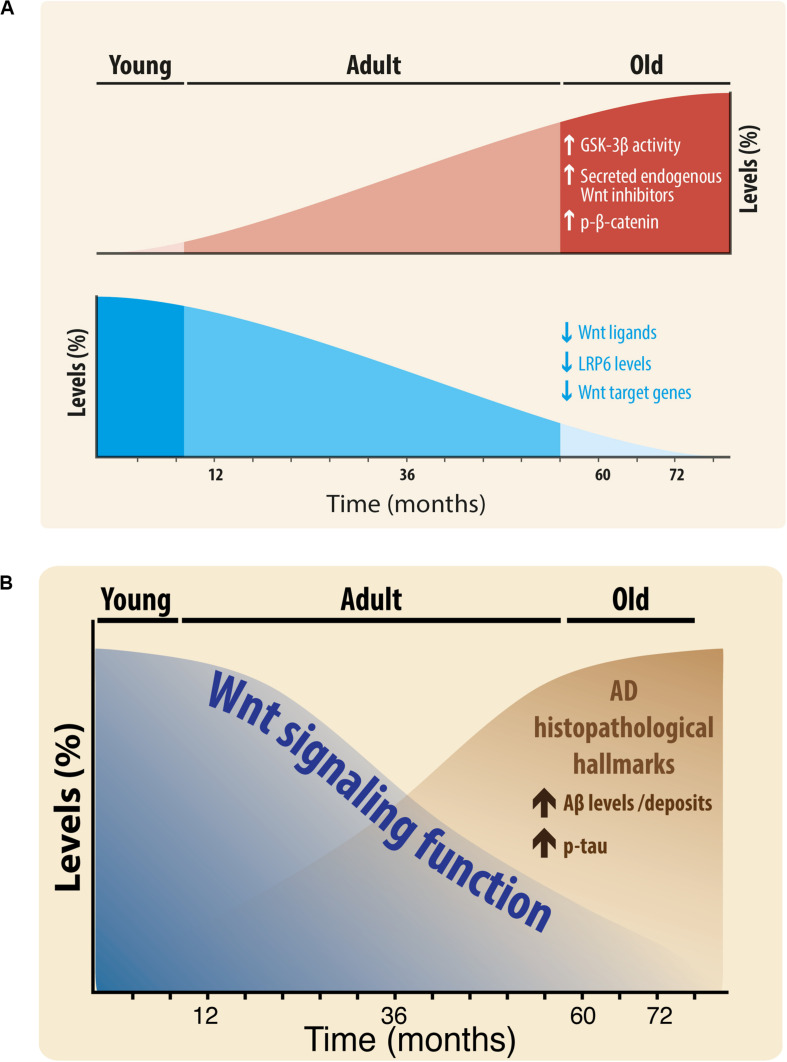
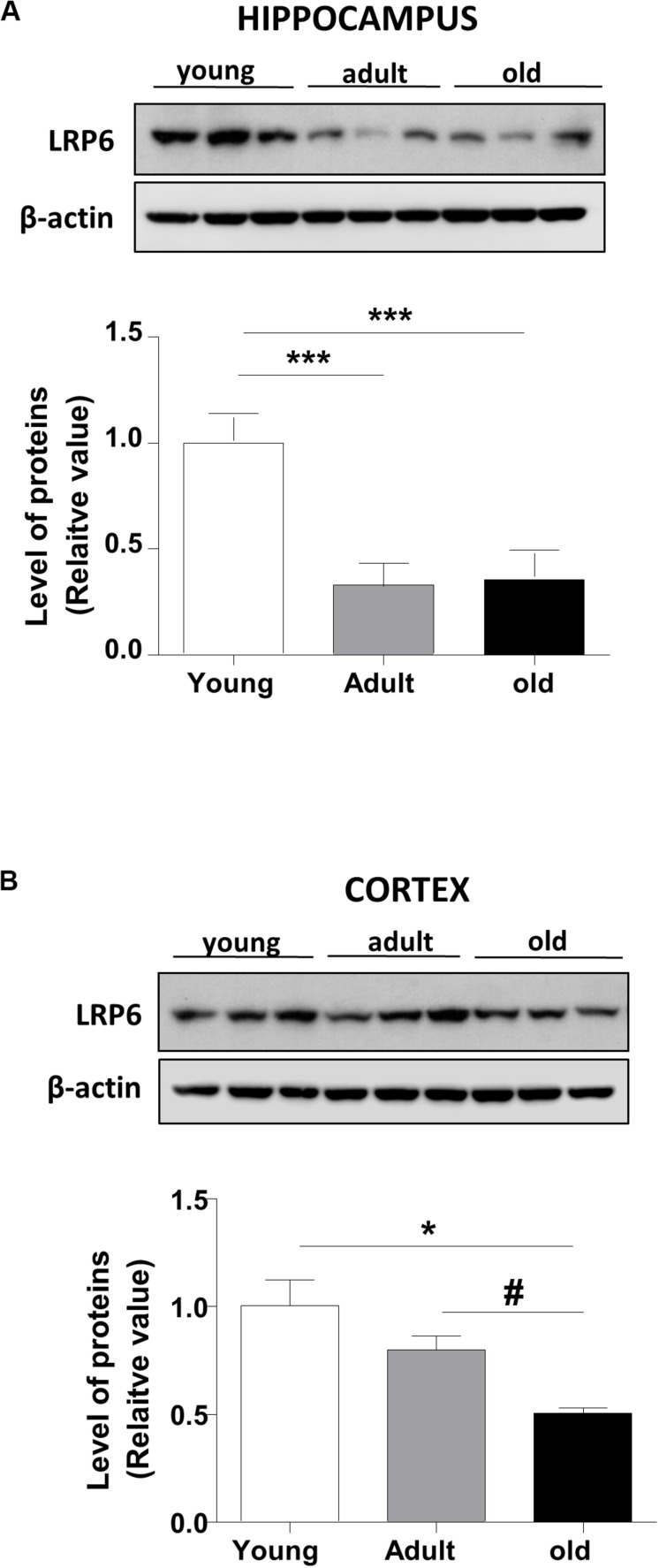
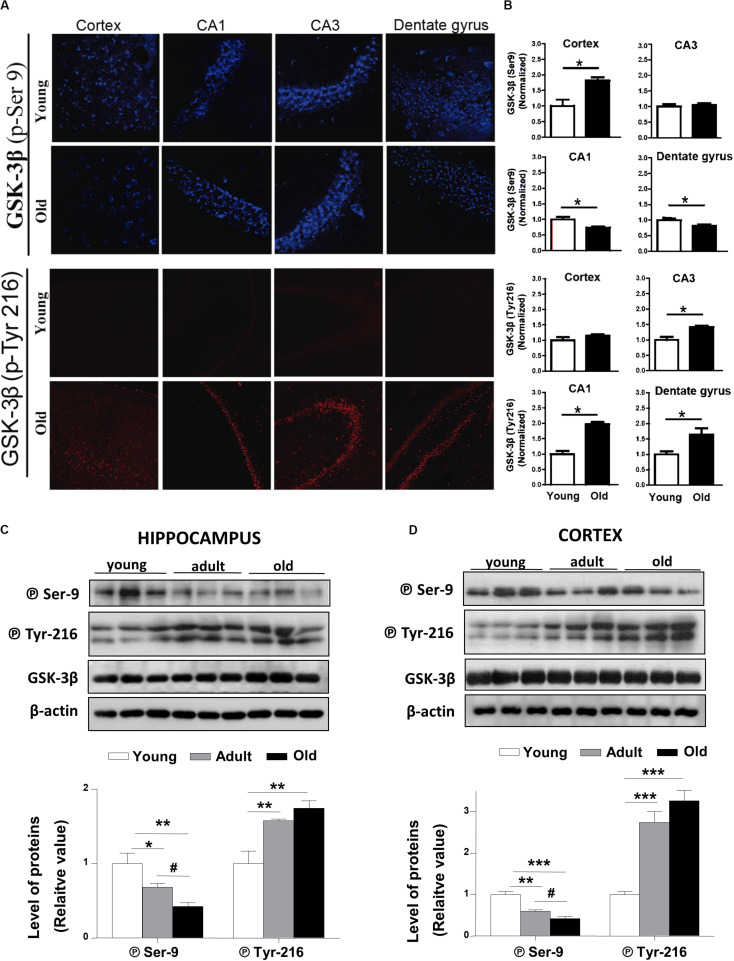
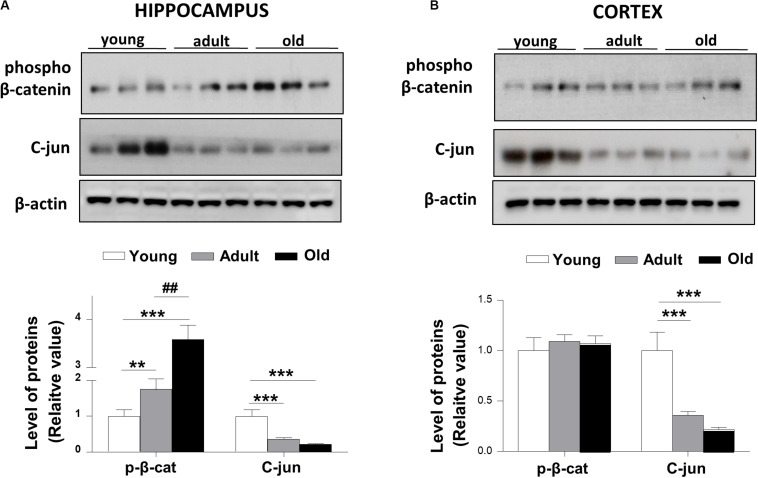
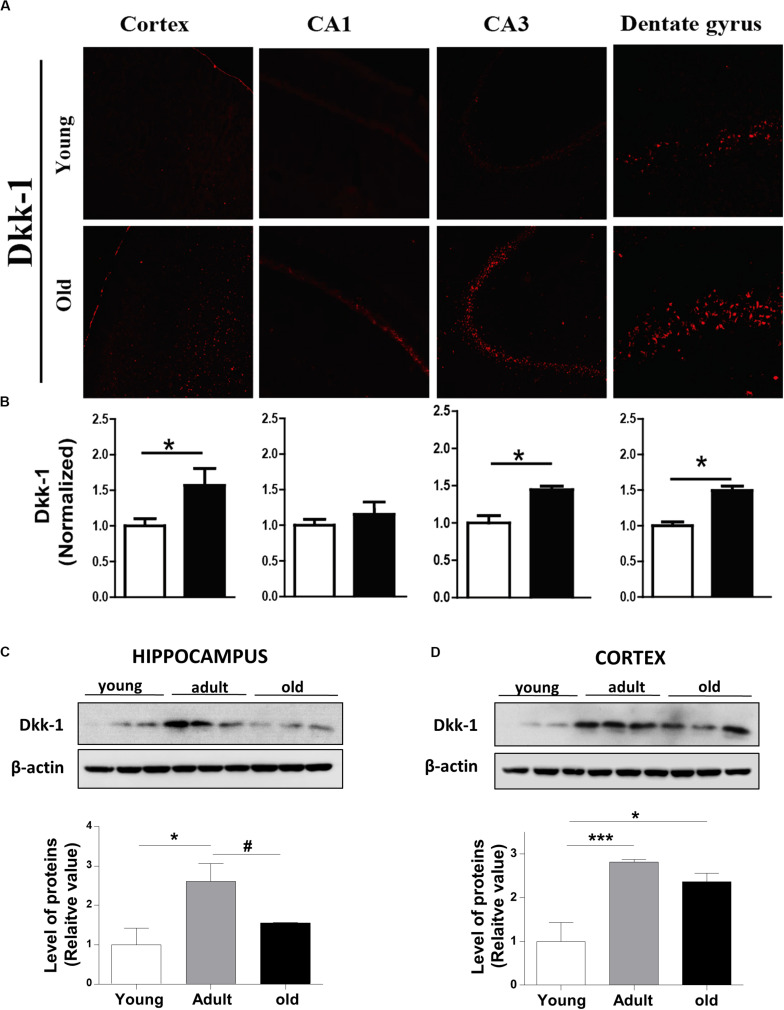
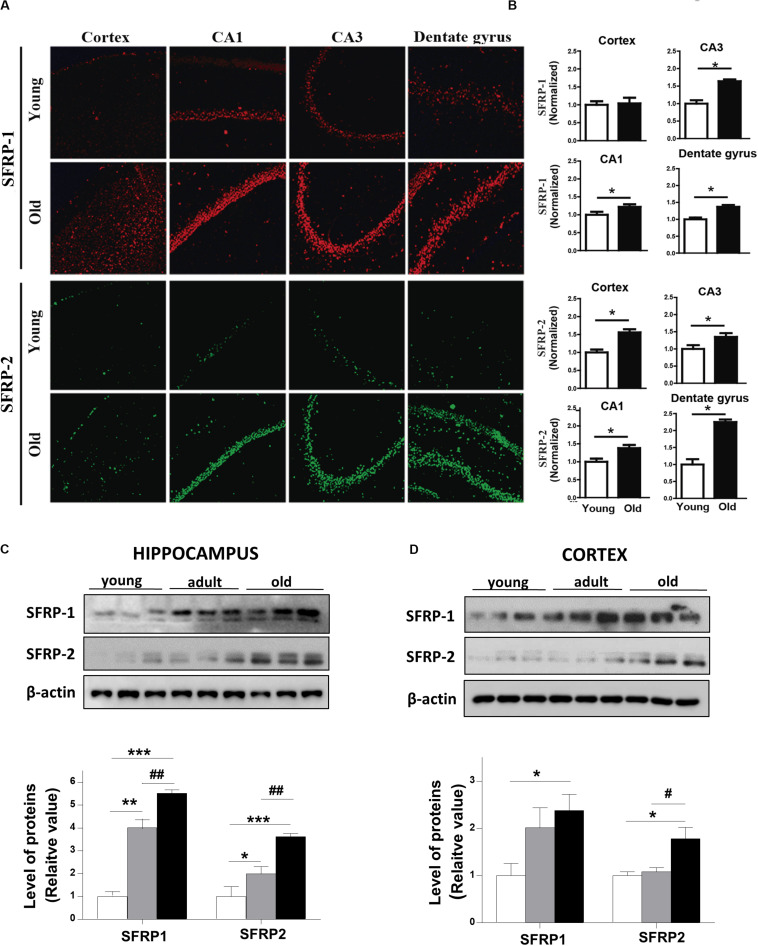
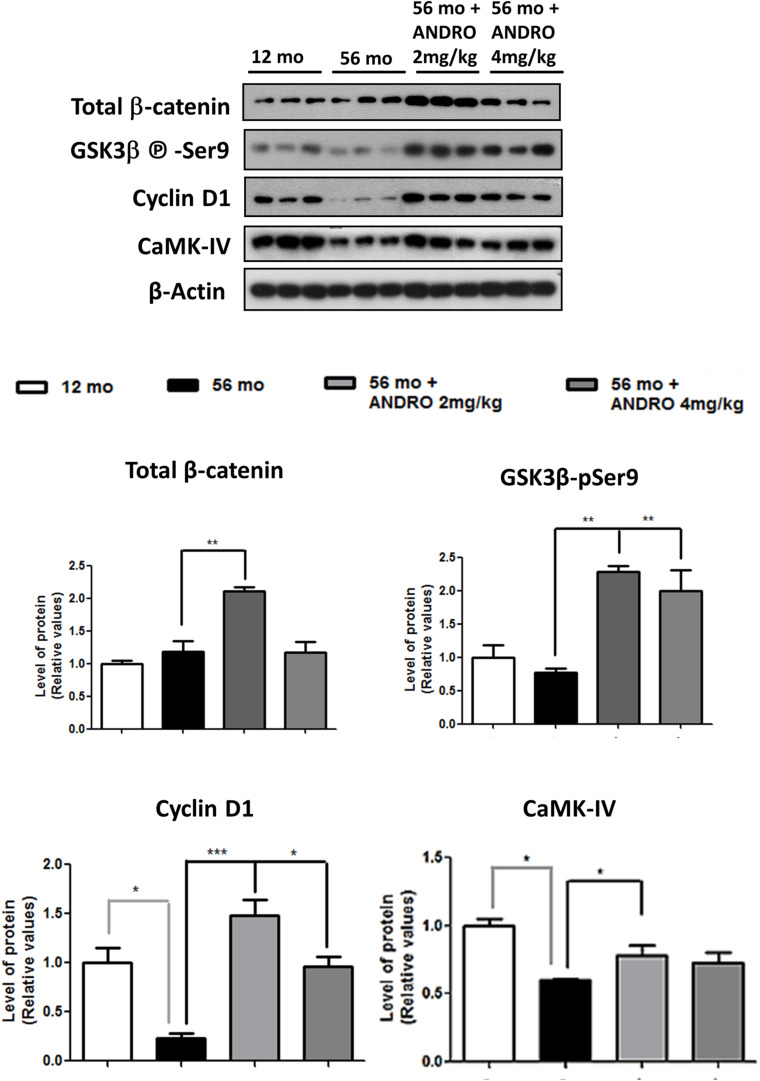
Wnt signaling constitutes a fundamental cellular and molecular pathway, necessary from proper embryogenesis to function-maintenance of fully developed complex organisms. In this regard, Wnt pathway plays a crucial role in both the development of the central nervous system and in maintaining the structure and function of the neuronal circuits, and it has been suggested that its dysregulation is critical in the onset of several pathologies including cancer and neurodegenerative disorders, such as Alzheimer's disease (AD). Due to its relevance in the maintenance of the neuronal activity and its involvement in the outbreak of devastating diseases, we explored the age-related changes in the expression of Wnt key components in the cortex and hippocampus of 7 to 72-months-old (), a Chilean long-living endemic rodent that has been proposed and used as a natural model for AD. We found a down-regulation in the expression of different Wnt ligands (Wnt3a, Wnt7a, and Wnt5a), as well as in the Wnt co-receptor LRP6. We also observed an increase in the activity of GSK-3β related to the down-regulation of Wnt activity, a fact that was confirmed by a decreased expression of Wnt target genes. Relevantly, an important increase was found in secreted endogenous Wnt inhibitors, including the secreted-frizzled-related protein 1 and 2 (SFRP-1 and SFRP-2) and Dickkopf-1 (Dkk-1), all them antagonists at the cell surface. Furthermore, treatment with Andrographolide, a labdane diterpene obtained from , prevents Wnt signaling loss in aging . Taken together, these results suggest that during the aging process Wnt signaling activity decreases in the brain of .
Wnt信号通路构成了一条基本的细胞和分子途径,从胚胎正常发育到完全发育的复杂生物体的功能维持都必不可少。在这方面,Wnt通路在中枢神经系统的发育以及维持神经回路的结构和功能中都起着关键作用,并且有人提出其失调在包括癌症和神经退行性疾病(如阿尔茨海默病(AD))在内的几种病理过程的发生中至关重要。由于其在维持神经元活动方面的相关性以及其与毁灭性疾病爆发的关联,我们研究了7至72月龄的智利长寿特有啮齿动物()大脑皮层和海马中Wnt关键成分表达的年龄相关变化,该动物已被提议并用作AD的天然模型。我们发现不同Wnt配体(Wnt3a、Wnt7a和Wnt5a)以及Wnt共受体LRP6的表达下调。我们还观察到与Wnt活性下调相关的GSK-3β活性增加,这一事实通过Wnt靶基因表达的降低得到证实。相关的是,发现分泌型内源性Wnt抑制剂有重要增加,包括分泌型卷曲相关蛋白1和2(SFRP-1和SFRP-2)以及Dickkopf-1(Dkk-1),它们在细胞表面均为拮抗剂。此外,用穿心莲内酯(一种从 中获得的半日花烷二萜)处理可防止衰老过程中Wnt信号通路的丧失。综上所述,这些结果表明在衰老过程中,Wnt信号通路活性在 的大脑中降低。