Cisternas Pedro, Gherardelli Camila, Salazar Paulina, Inestrosa Nibaldo C
Instituto de Ciencias de la Salud, Universidad de O'Higgins, Rancagua, Chile.
Departamento de Biología Celular y Molecular, Facultad de Ciencias Biológicas, Centro de Envejecimiento y Regeneración (CARE-UC), Pontificia Universidad Católica de Chile, Santiago, Chile.
Front Integr Neurosci. 2021 Oct 11;15:733007. doi: 10.3389/fnint.2021.733007. eCollection 2021.
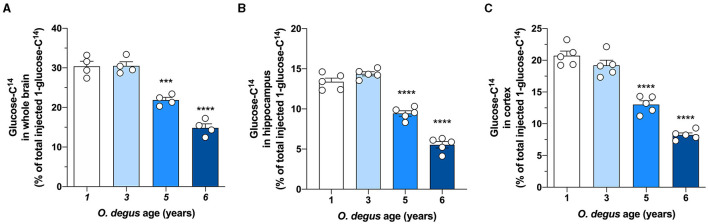
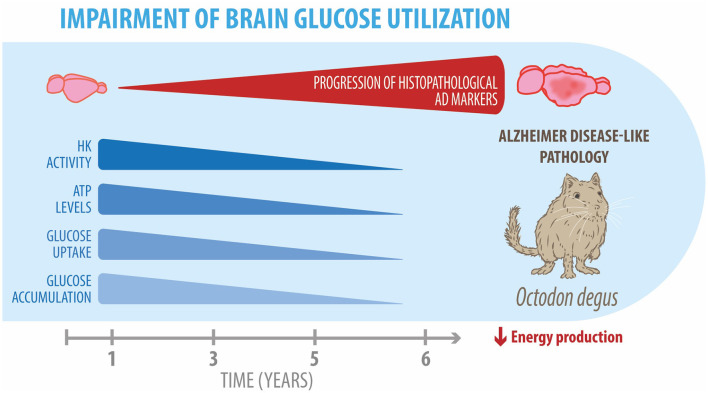
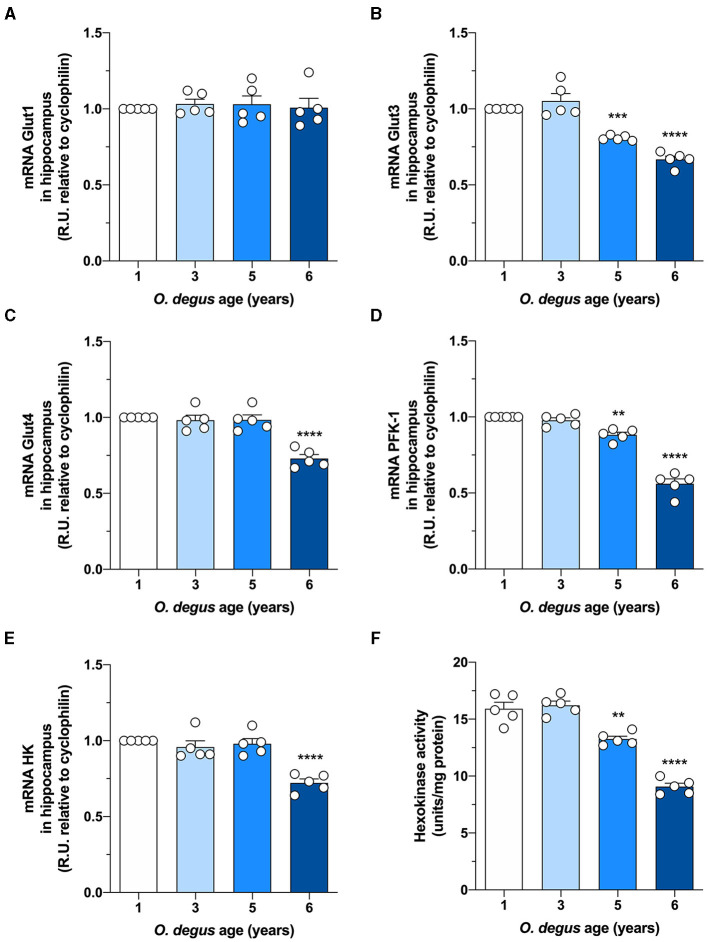
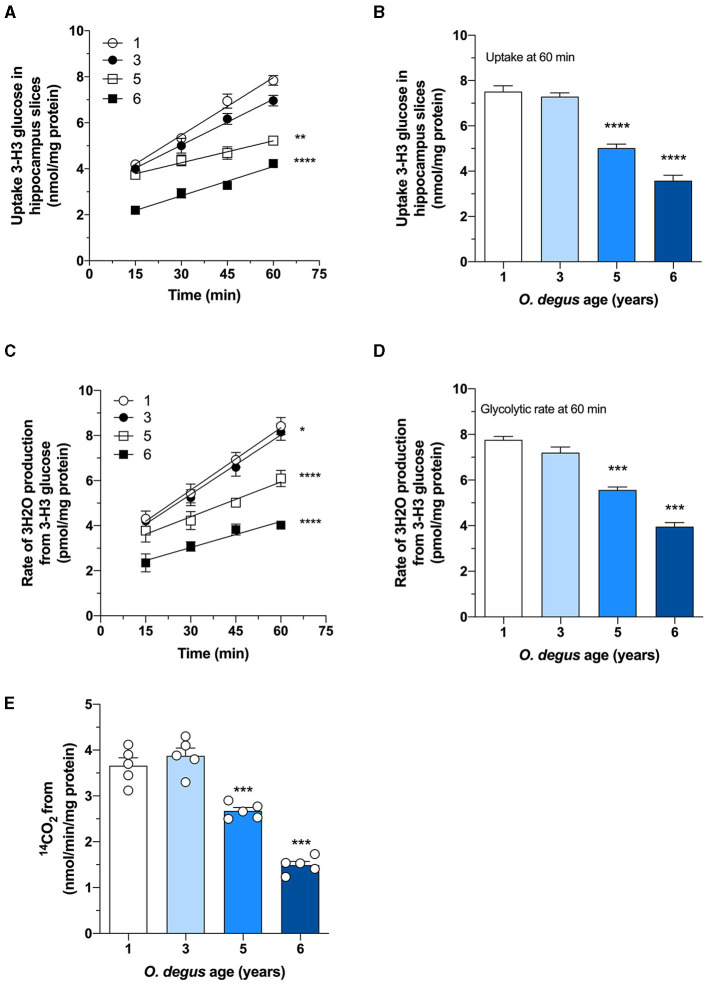
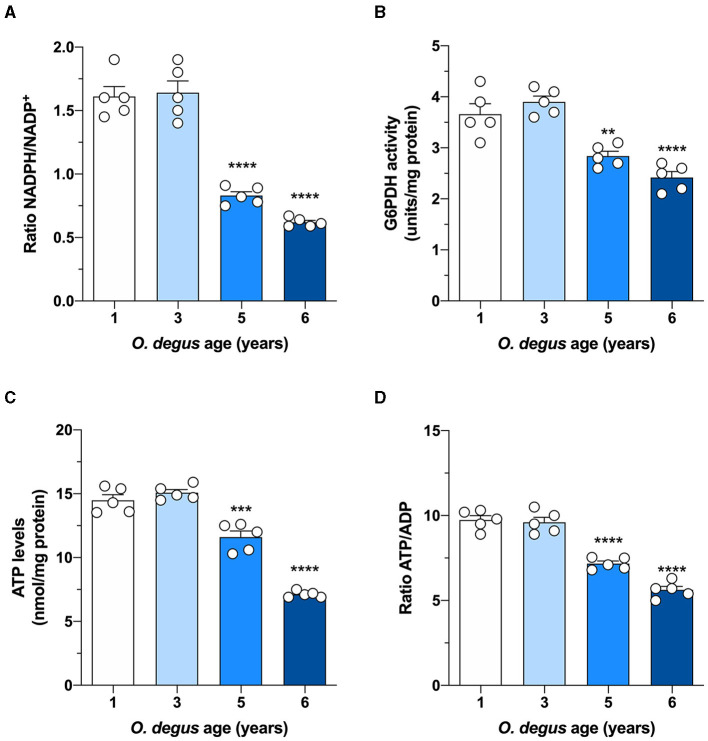
Alzheimer's disease is a progressive neurodegenerative disorder and the most common cause of dementia. Although transgenic Alzheimer's disease (AD) animal models have greatly contributed to our understanding of the disease, therapies tested in these animals have resulted in a high rate of failure in preclinical trials for AD. A promising model is (degu), a Chilean rodent that spontaneously develops AD-like neuropathology. Previous studies have reported that, during aging, degus exhibit a progressive decline in cognitive function, reduced neuroinflammation, and concomitant increases in the number and size of amyloid β (Aβ) plaques in several brain regions. Importantly, in humans and several AD models, a correlation has been shown between brain dysfunction and neuronal glucose utilization impairment, a critical aspect considering the high-energy demand of the brain. However, whether degus develop alterations in glucose metabolism remains unknown. In the present work, we measured several markers of glucose metabolism, namely, glucose uptake, ATP production, and glycolysis and pentose phosphate pathway (PPP) flux, in hippocampal slices from degus of different ages. We found a significant decrease in hippocampal glucose metabolism in aged degus, caused mainly by a drop in glucose uptake, which in turn, reduced ATP synthesis. Moreover, we observed a negative correlation between age and PPP flux. Together, our data further support the use of degus as a model for studying the neuropathology involved in sporadic AD-like pathology and as a potentially valuable tool in the search for effective treatments against the disease.
阿尔茨海默病是一种进行性神经退行性疾病,也是痴呆最常见的病因。尽管转基因阿尔茨海默病(AD)动物模型极大地促进了我们对该疾病的理解,但在这些动物身上测试的疗法在AD的临床前试验中失败率很高。一种有前景的模型是八齿鼠(degu),一种智利啮齿动物,它会自发出现类似AD的神经病理学变化。先前的研究报道,在衰老过程中,八齿鼠的认知功能逐渐下降,神经炎症减轻,并且在几个脑区中淀粉样β(Aβ)斑块的数量和大小随之增加。重要的是,在人类和几种AD模型中,脑功能障碍与神经元葡萄糖利用受损之间已显示出相关性,考虑到大脑对能量的高需求,这是一个关键方面。然而,八齿鼠是否会出现葡萄糖代谢改变仍不清楚。在本研究中,我们测量了不同年龄八齿鼠海马切片中葡萄糖代谢的几个标志物,即葡萄糖摄取、ATP生成以及糖酵解和磷酸戊糖途径(PPP)通量。我们发现老年八齿鼠海马葡萄糖代谢显著降低,主要是由葡萄糖摄取下降引起的,而这又反过来减少了ATP合成。此外,我们观察到年龄与PPP通量之间呈负相关。总之,我们的数据进一步支持将八齿鼠用作研究散发性AD样病理所涉及神经病理学的模型,以及在寻找针对该疾病的有效治疗方法方面作为一种潜在有价值的工具。