Guha Sanjib, Johnson Gail V W, Nehrke Keith
Department of Anesthesiology & Perioperative Medicine, University of Rochester Medical Center, 601 Elmwood Avenue, Rochester, NY, 14642, USA.
Department of Medicine, Nephrology Division, University of Rochester, Rochester, 14642, NY, USA.
Mol Neurobiol. 2020 Dec;57(12):5103-5120. doi: 10.1007/s12035-020-02084-0. Epub 2020 Aug 26.
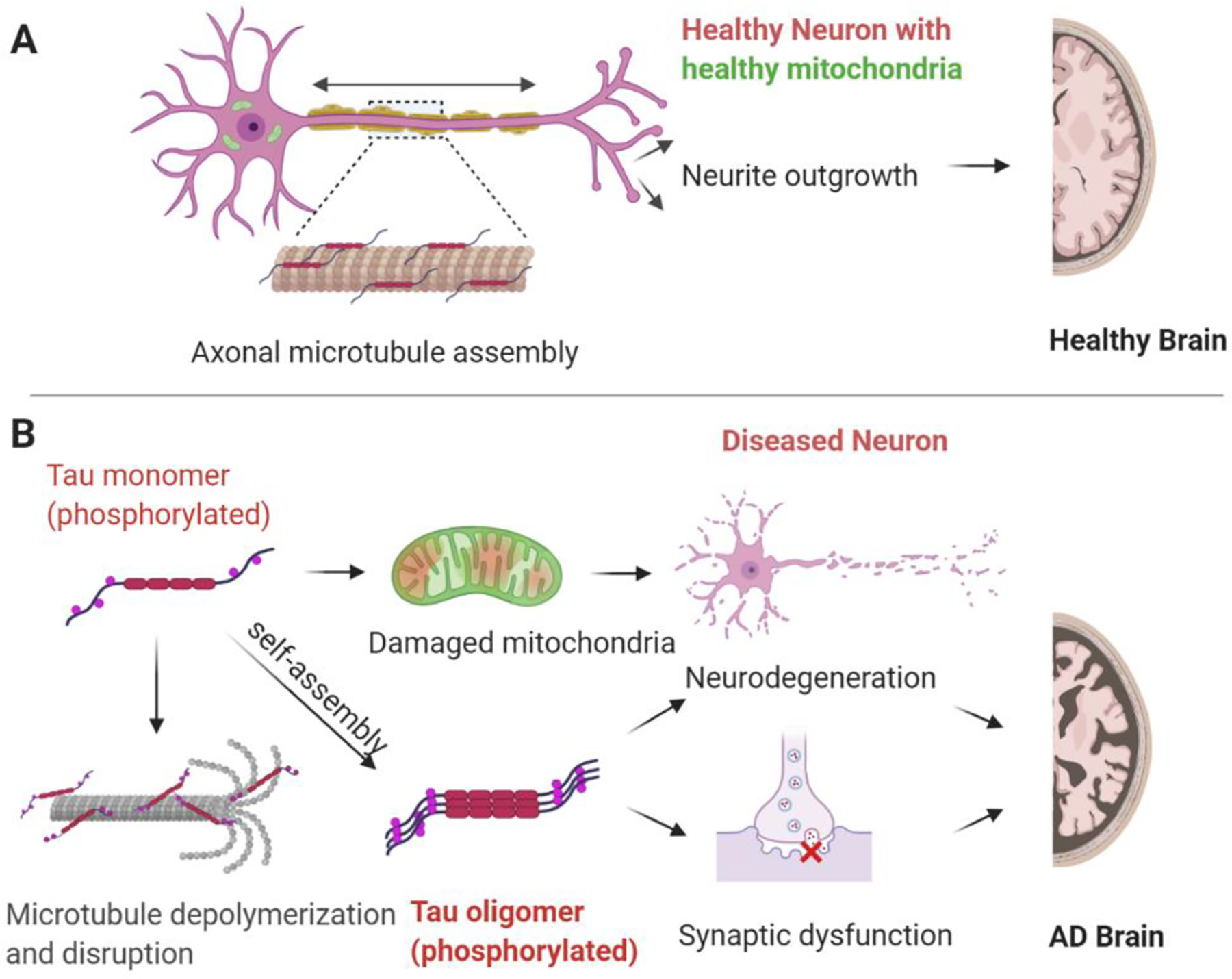
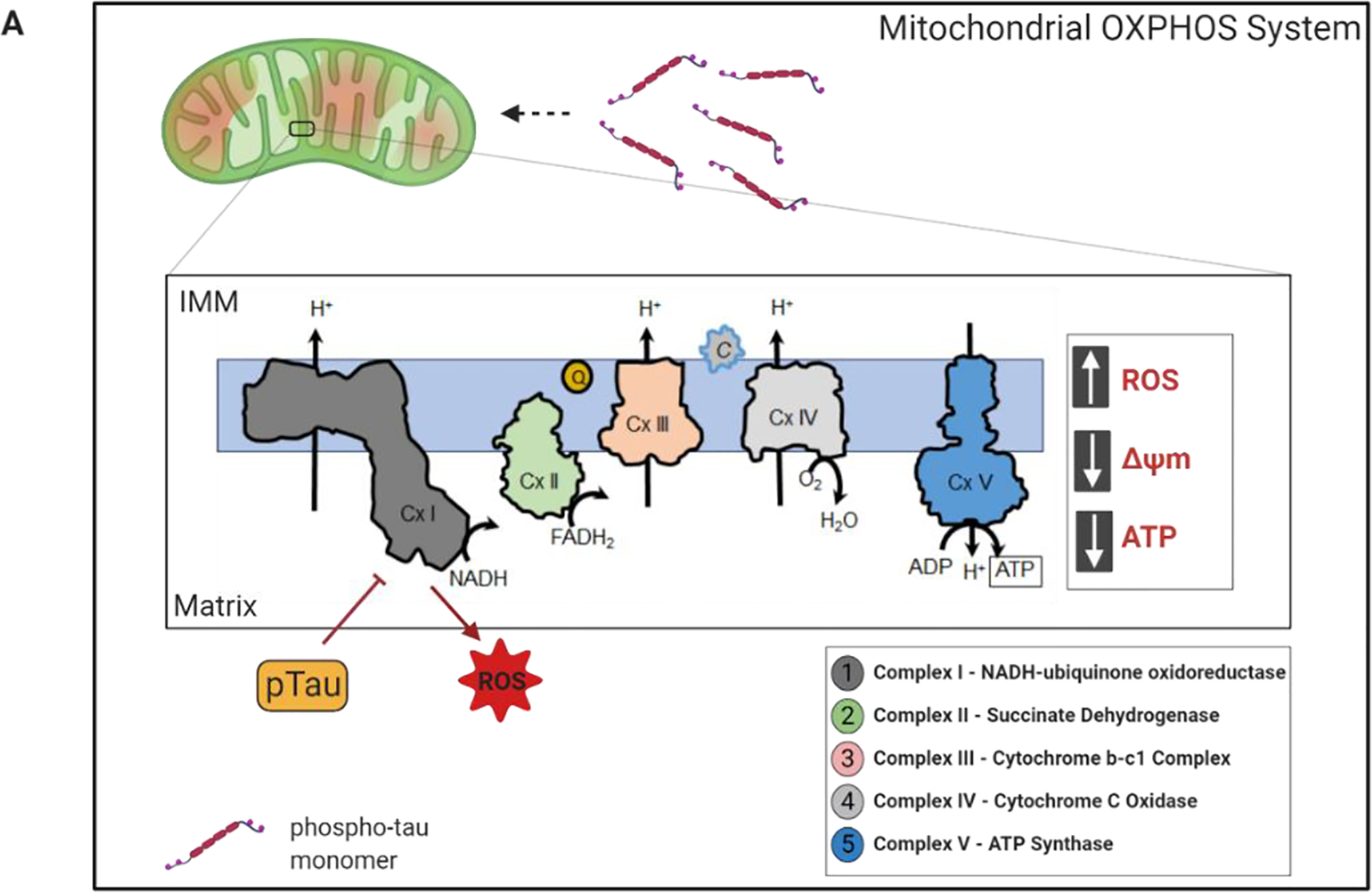
Alzheimer's disease (AD) is the most common progressive neurodegenerative disorder. A defining hallmark of the AD brain is the presence of intraneuronal neurofibrillary tangles (NFTs) which are made up of abnormally modified tau, with aberrant phosphorylation being the most studied posttranslational modification (PTM). Although the accumulation of tau as NFTs is an invariant feature of the AD brain, it has become evident that these insoluble aggregates are likely not the primary pathogenic form of tau, rather soluble forms of tau with abnormal PTMs are the mediators of toxicity. The most prevalent PTM on tau is phosphorylation, with the abnormal modification of specific residues on tau playing a key role in its toxicity. Even though it is widely accepted that tau with aberrant PTMs facilitates neurodegeneration, the precise cellular mechanisms remain unknown. Nonetheless, there is an evolving conceptual framework that an important contributing factor may be selective pathological tau species compromising mitochondrial biology. Understanding the mechanisms by which tau with site-specific PTM impacts mitochondria is crucial for understanding the role tau plays in AD. Here, we provide a brief introduction to tau and its phosphorylation and function in a physiological context, followed by a discussion of the impact of soluble phosphorylated tau species on neuronal processes in general and mitochondria more specifically. We also discuss how therapeutic strategies that attenuate pathological tau species in combination with treatments that improve mitochondrial biology could be a potential therapeutic avenue to mitigate disease progression in AD and other tauopathies.
阿尔茨海默病(AD)是最常见的进行性神经退行性疾病。AD大脑的一个决定性特征是神经元内神经原纤维缠结(NFTs)的存在,其由异常修饰的tau组成,异常磷酸化是研究最多的翻译后修饰(PTM)。尽管tau以NFTs形式积累是AD大脑的一个不变特征,但很明显,这些不溶性聚集体可能不是tau的主要致病形式,而是具有异常PTM的可溶性tau形式是毒性的介导物。tau上最普遍的PTM是磷酸化,tau上特定残基的异常修饰在其毒性中起关键作用。尽管人们普遍认为具有异常PTM的tau会促进神经退行性变,但其确切的细胞机制仍不清楚。然而,一个不断发展的概念框架认为,一个重要的促成因素可能是选择性的病理性tau物种损害线粒体生物学。了解具有位点特异性PTM的tau影响线粒体的机制对于理解tau在AD中的作用至关重要。在这里,我们简要介绍tau及其在生理背景下的磷酸化和功能,随后讨论可溶性磷酸化tau物种对一般神经元过程,更具体地说是对线粒体的影响。我们还讨论了减弱病理性tau物种的治疗策略与改善线粒体生物学的治疗方法相结合如何可能是减轻AD和其他tau病疾病进展的潜在治疗途径。