Department of Cardiology, Ziayian Hospital, Tehran University of Medical Sciences, Tehran, Iran.
Mazandaran University of Medical Sciences, School of Medicine, Sari, Iran; Iran University of Medical Sciences, School of Medicine, Tehran, Iran.
Int J Antimicrob Agents. 2020 Oct;56(4):106143. doi: 10.1016/j.ijantimicag.2020.106143. Epub 2020 Aug 25.
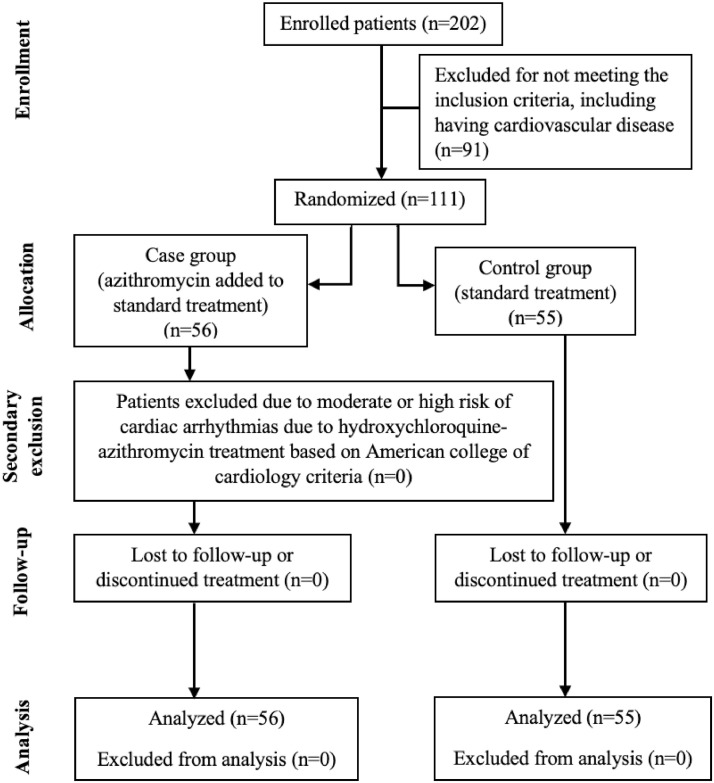
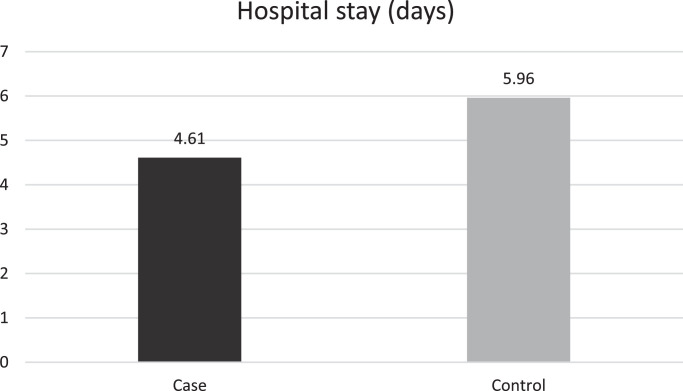
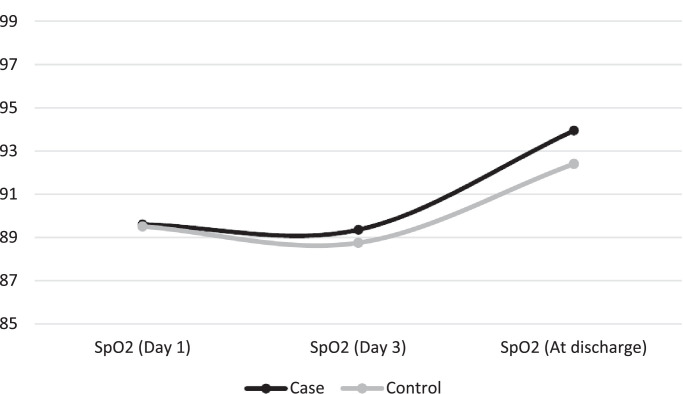
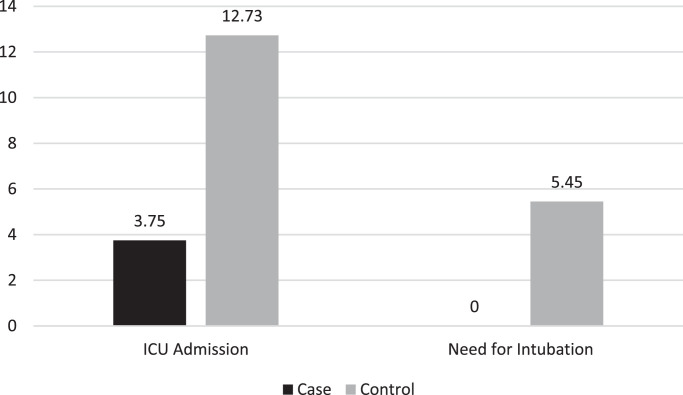
As no specific pharmacological treatment has been validated for use in coronavirus disease 2019 (COVID-19), we aimed to assess the effectiveness of azithromycin (AZM) in these patients at a referral centre in Iran. An open-label, randomised controlled trial was conducted on patients with laboratory-confirmed COVID-19. A total of 55 patients in the control group receiving hydroxychloroquine (HCQ) and lopinavir/ritonavir (LPV/r) were compared with 56 patients in the case group who in addition to the same regimen also received AZM. Patients with prior cardiac disease were excluded from the study. Furthermore, patients from the case group were assessed for cardiac arrythmia risk based on the American College of Cardiology (ACC) risk assessment for use of AZM and HCQ. The main outcome measures were vital signs, SpO levels, duration of hospitalisation, need for and length of intensive care unit admission, mortality rate and results of 30-day follow-up after discharge. Initially, there was no significant difference between the general conditions and vital signs of the two groups. The SpO levels at discharge were significantly higher, the respiratory rate was lower and the duration of admission was shorter in the case group. There was no significant difference in the mortality rate between the two groups. Patients who received AZM in addition to HCQ and LPV/r had a better general condition. HCQ+AZM combination may be beneficial for individuals who are known to have a very low underlying risk for cardiac arrhythmia based on the ACC criteria.
由于针对 2019 年冠状病毒病(COVID-19)尚未验证任何特定的药理学治疗方法,我们旨在评估伊朗一家转诊中心使用阿奇霉素(AZM)治疗这些患者的效果。一项开放标签、随机对照试验对实验室确诊的 COVID-19 患者进行了研究。对照组 55 例患者接受羟氯喹(HCQ)和洛匹那韦/利托那韦(LPV/r)治疗,与另外还接受 AZM 的病例组 56 例患者进行比较。患有先前心脏病的患者被排除在研究之外。此外,根据美国心脏病学会(ACC)对 AZM 和 HCQ 使用的风险评估,对病例组患者进行了心律失常风险评估。主要观察指标为生命体征、SpO 水平、住院时间、入住重症监护病房的需求和时间、死亡率以及出院后 30 天的随访结果。最初,两组的一般情况和生命体征没有显著差异。病例组出院时 SpO 水平明显较高,呼吸频率较低,住院时间较短。两组死亡率无显著差异。除 HCQ 和 LPV/r 外,还接受 AZM 的患者一般状况更好。根据 ACC 标准,对于已知心律失常潜在风险极低的患者,HCQ+AZM 联合用药可能有益。