Ferreri Carla, Sansone Anna, Ferreri Rosaria, Amézaga Javier, Tueros Itziar
Istituto per la Sintesi Organica e la Fotoreattività, Consiglio Nazionale delle Ricerche, Via Piero Gobetti 101, 40129 Bologna, Italy.
Department of Integrated Medicine, Tuscany Reference Centre for Integrated Medicine in the hospital pathway, Pitigliano Hospital, Via Nicola Ciacci, 340, 58017 Pitigliano, Italy.
Metabolites. 2020 Aug 25;10(9):345. doi: 10.3390/metabo10090345.
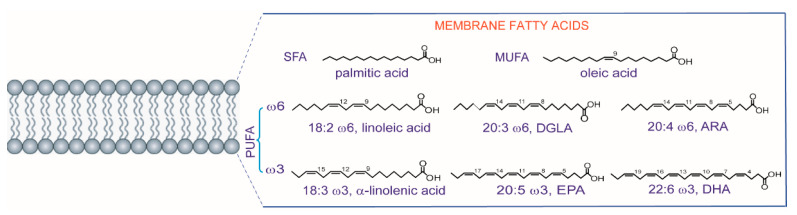
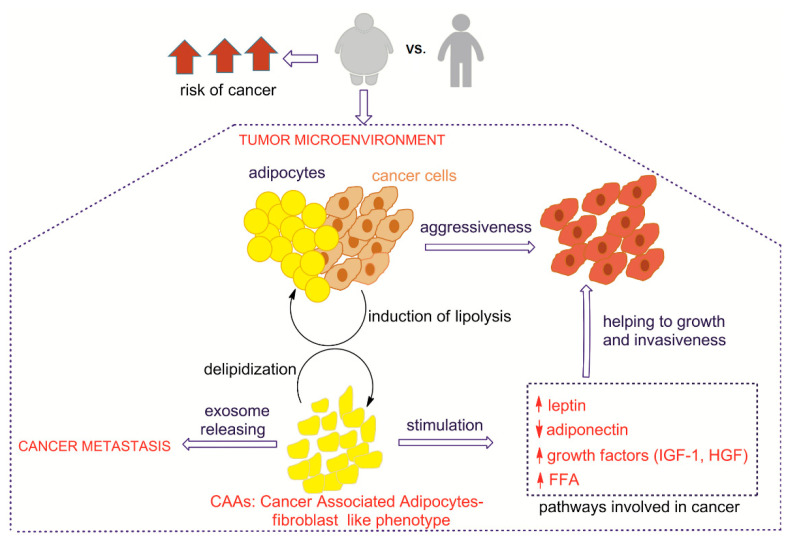
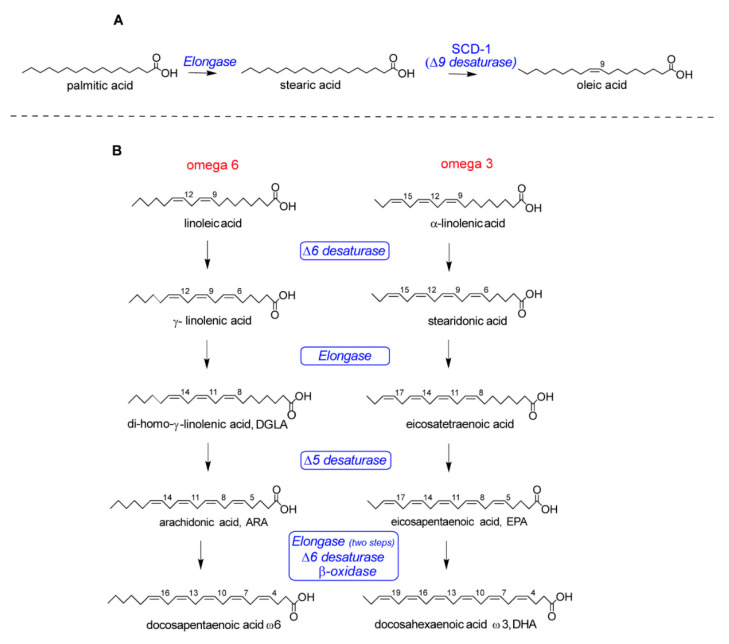
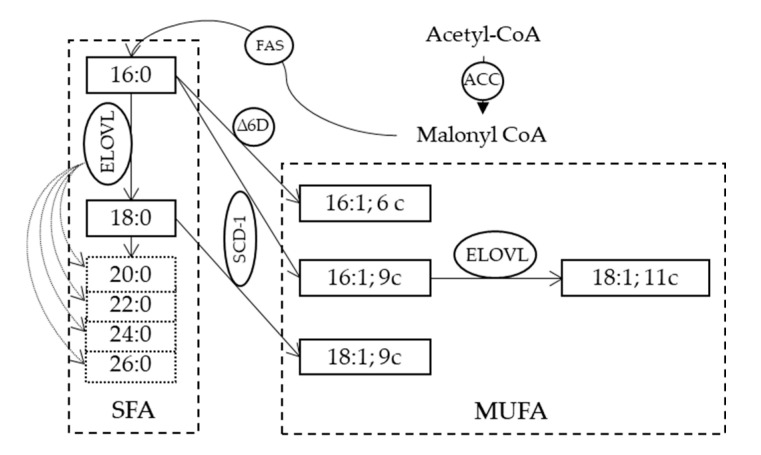
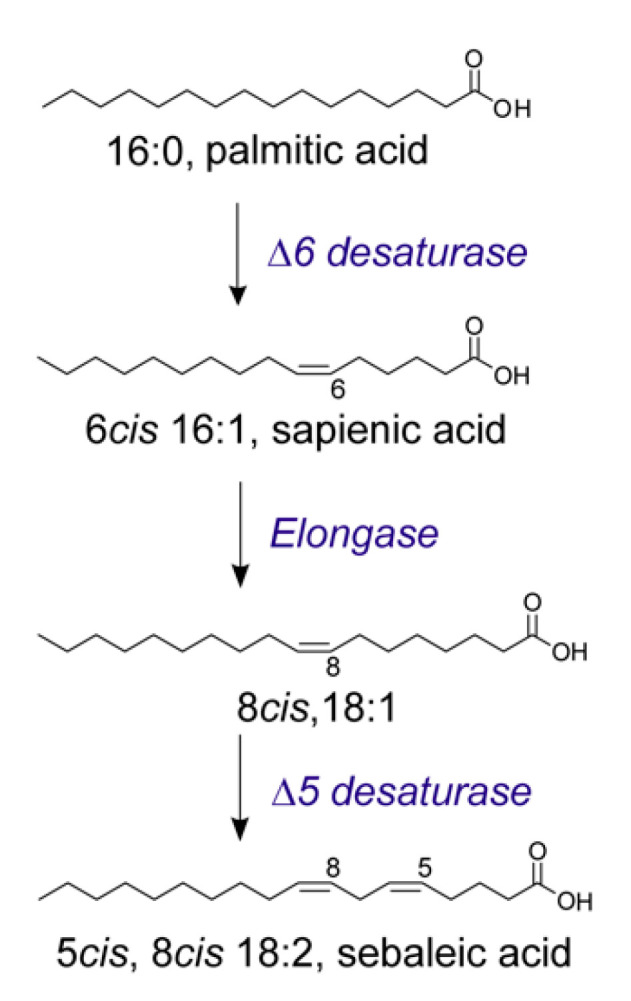
Fatty acids are closely involved in lipid synthesis and metabolism in cancer. Their amount and composition are dependent on dietary supply and tumor microenviroment. Research in this subject highlighted the crucial event of membrane formation, which is regulated by the fatty acids' molecular properties. The growing understanding of the pathways that create the fatty acid pool needed for cell replication is the result of lipidomics studies, also envisaging novel fatty acid biosynthesis and fatty acid-mediated signaling. Fatty acid-driven mechanisms and biological effects in cancer onset, growth and metastasis have been elucidated, recognizing the importance of polyunsaturated molecules and the balance between omega-6 and omega-3 families. Saturated and monounsaturated fatty acids are biomarkers in several types of cancer, and their characterization in cell membranes and exosomes is under development for diagnostic purposes. Desaturase enzymatic activity with unprecedented polyunsaturated fatty acid (PUFA) synthesis is considered the recent breakthrough in this scenario. Together with the link between obesity and cancer, fatty acids open interesting perspectives for biomarker discovery and nutritional strategies to control cancer, also in combination with therapies. All these subjects are described using an integrated approach taking into account biochemical, biological and analytical aspects, delineating innovations in cancer prevention, diagnostics and treatments.
脂肪酸与癌症中的脂质合成和代谢密切相关。它们的数量和组成取决于饮食供应和肿瘤微环境。该领域的研究突出了膜形成这一关键事件,其受脂肪酸分子特性的调控。脂质组学研究使人们对产生细胞复制所需脂肪酸池的途径有了越来越深入的了解,同时也设想了新的脂肪酸生物合成和脂肪酸介导的信号传导。脂肪酸驱动的癌症发生、生长和转移机制及生物学效应已得到阐明,认识到多不饱和分子以及ω-6和ω-3家族之间平衡的重要性。饱和脂肪酸和单不饱和脂肪酸是多种癌症的生物标志物,目前正在研究它们在细胞膜和外泌体中的特征以用于诊断目的。具有前所未有的多不饱和脂肪酸(PUFA)合成能力的去饱和酶活性被认为是这一领域的最新突破。连同肥胖与癌症之间的联系,脂肪酸为生物标志物发现和控制癌症的营养策略开辟了有趣的前景,也可与治疗方法联合使用。所有这些主题都采用了一种综合方法进行描述,该方法考虑了生物化学、生物学和分析方面,阐述了癌症预防、诊断和治疗方面的创新。