Meinig School of Biomedical Engineering, Cornell University, Ithaca, NY, United States of America.
Institute of Cognitive Science, Osnabrück University, Osnabrück, Germany.
PLoS One. 2020 Aug 28;15(8):e0235691. doi: 10.1371/journal.pone.0235691. eCollection 2020.
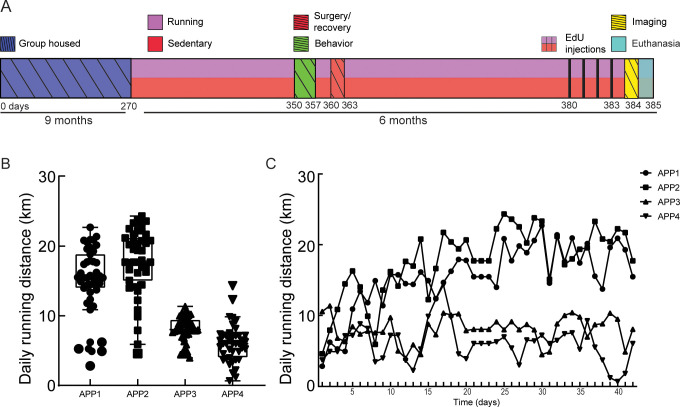
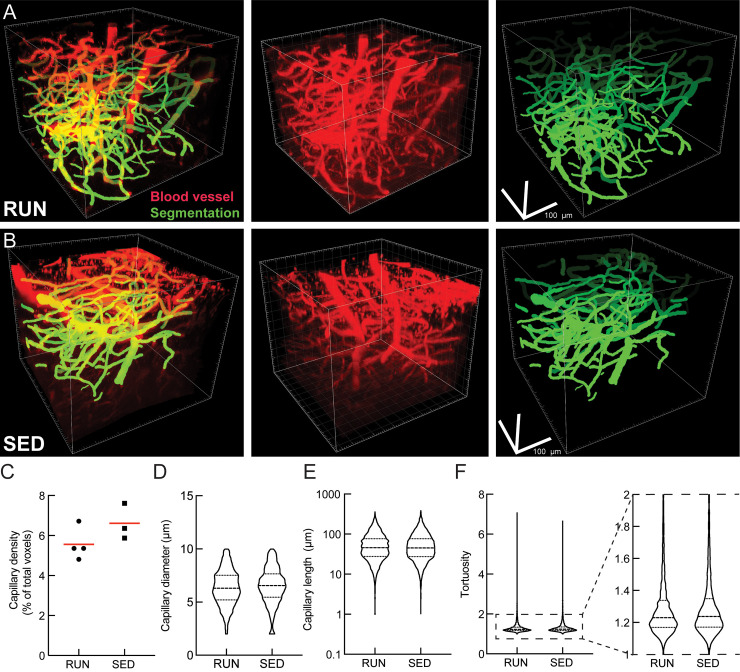
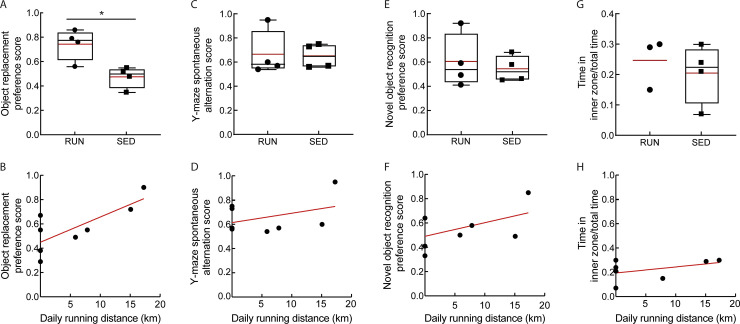
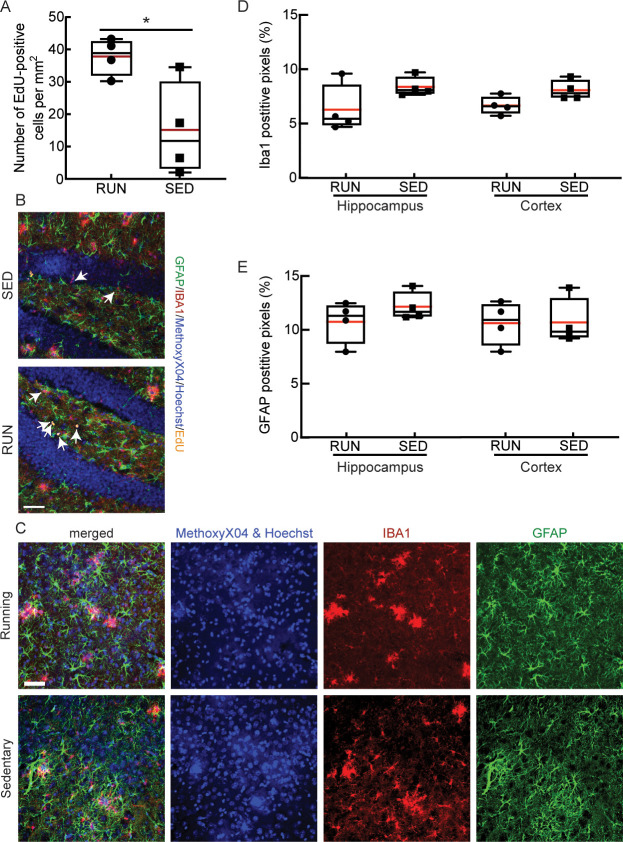
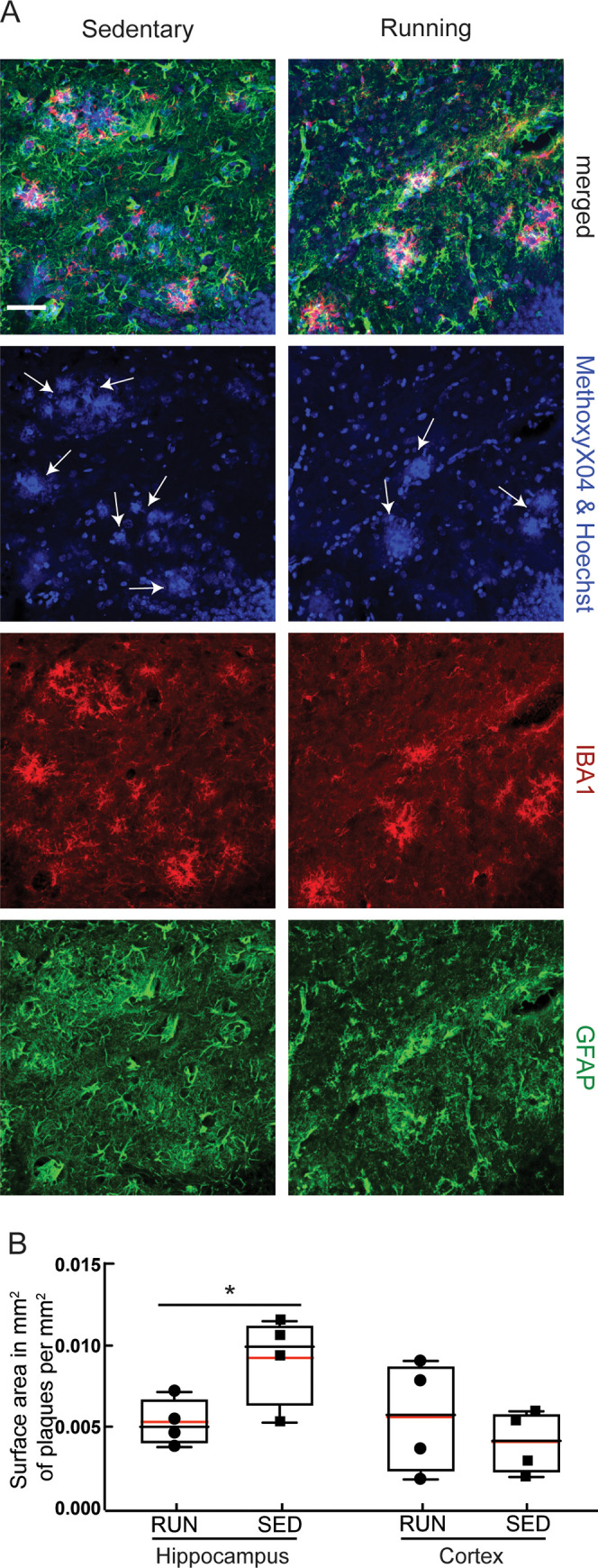
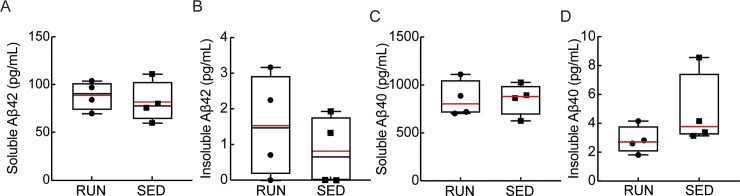
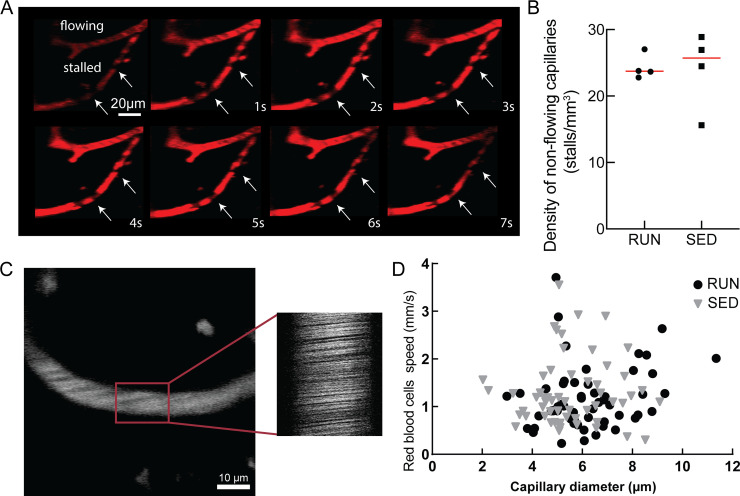
Exercise exerts a beneficial effect on the major pathological and clinical symptoms associated with Alzheimer's disease in humans and mouse models of the disease. While numerous mechanisms for such benefits from exercise have been proposed, a clear understanding of the causal links remains elusive. Recent studies also suggest that cerebral blood flow in the brain of both Alzheimer's patients and mouse models of the disease is decreased and that the cognitive symptoms can be improved when blood flow is restored. We therefore hypothesized that the mitigating effect of exercise on the development and progression of Alzheimer's disease may be mediated through an increase in the otherwise reduced brain blood flow. To test this idea, we performed a pilot study to examine the impact of three months of voluntary wheel running in a small cohort of ~1-year-old APP/PS1 mice on short-term memory function, brain inflammation, amyloid deposition, and baseline cerebral blood flow. Our findings that exercise led to a trend toward improved spatial short-term memory, reduced brain inflammation, markedly increased neurogenesis in the dentate gyrus, and a reduction in hippocampal amyloid-beta deposits are consistent with other reports on the impact of exercise on the progression of Alzheimer's related symptoms in mouse models. Notably, we did not observe any impact of wheel running on overall baseline blood flow nor on the incidence of non-flowing capillaries, a mechanism we recently identified as one contributing factor to cerebral blood flow deficits in mouse models of Alzheimer's disease. Overall, our findings add to the emerging picture of differential effects of exercise on cognition and blood flow in Alzheimer's disease pathology by showing that capillary stalling is not decreased following exercise.
锻炼对人类阿尔茨海默病患者和疾病小鼠模型的主要病理和临床症状有有益的影响。虽然已经提出了许多关于锻炼的益处的机制,但对于因果关系仍不清楚。最近的研究还表明,阿尔茨海默病患者和疾病小鼠模型的大脑中脑血流量减少,当血流恢复时,认知症状可以得到改善。因此,我们假设,运动对阿尔茨海默病的发展和进展的缓解作用可能是通过增加本来就减少的脑血流量来介导的。为了验证这一想法,我们进行了一项初步研究,以检查三个月的自愿轮跑对一小部分约 1 岁 APP/PS1 小鼠的短期记忆功能、脑炎症、淀粉样蛋白沉积和基线脑血流的影响。我们的研究结果表明,运动导致空间短期记忆改善的趋势,脑炎症减少,齿状回的神经发生明显增加,海马淀粉样蛋白-β沉积减少,这与其他关于运动对阿尔茨海默病相关症状在小鼠模型中的进展的影响的报告一致。值得注意的是,我们没有观察到轮跑对整体基线血流或非流动毛细血管的发生率有任何影响,我们最近发现,这种机制是阿尔茨海默病小鼠模型中脑血流不足的一个促成因素。总的来说,我们的研究结果通过表明毛细血管停滞在运动后没有减少,补充了运动对阿尔茨海默病病理中认知和血流的不同影响的新观点。