Department of Health Technology, Technical University of Denmark, Kemitorvet, DK-2800, Kgs. Lyngby, Denmark.
Novo Nordisk Foundation Center for Protein Research, Faculty of Health and Medical Sciences, University of Copenhagen, Blegdamsvej 3A, DK-2200, Copenhagen, Denmark.
Genome Med. 2020 Aug 28;12(1):76. doi: 10.1186/s13073-020-00772-z.
Congenital heart disease (CHD) occurs in almost 1% of newborn children and is considered a multifactorial disorder. CHD may segregate in families due to significant contribution of genetic factors in the disease etiology. The aim of the study was to identify pathophysiological mechanisms in families segregating CHD.
We used whole exome sequencing to identify rare genetic variants in ninety consenting participants from 32 Danish families with recurrent CHD. We applied a systems biology approach to identify developmental mechanisms influenced by accumulation of rare variants. We used an independent cohort of 714 CHD cases and 4922 controls for replication and performed functional investigations using zebrafish as in vivo model.
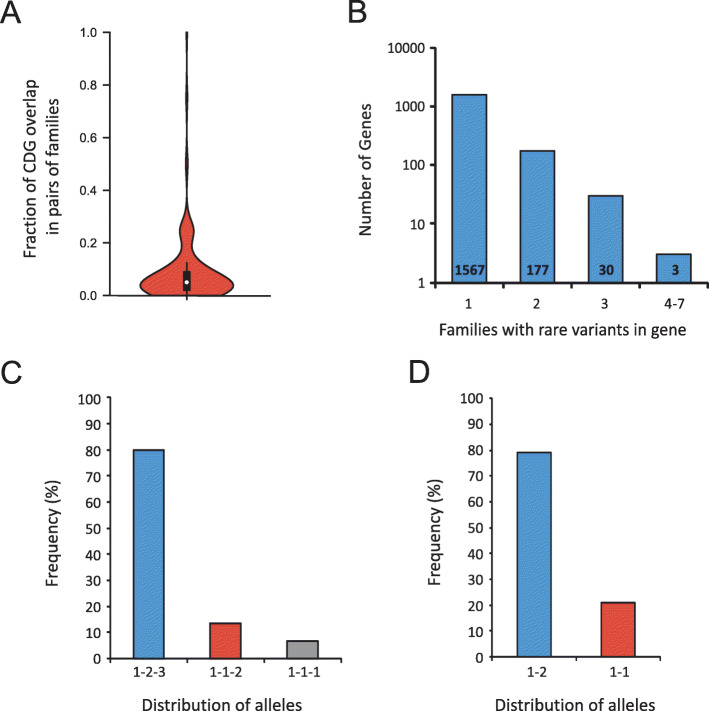
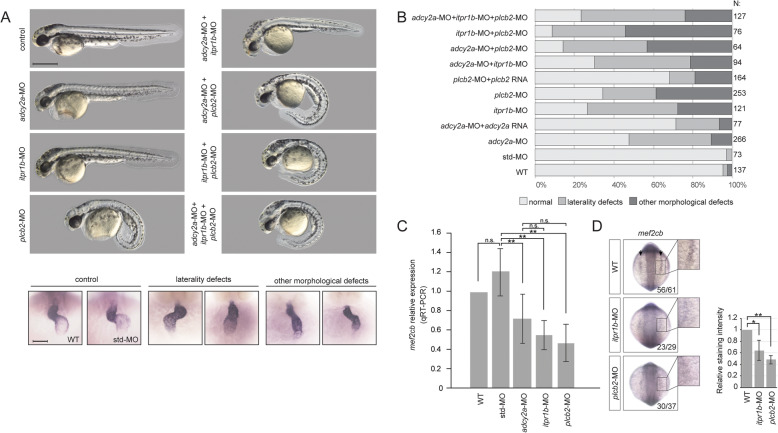
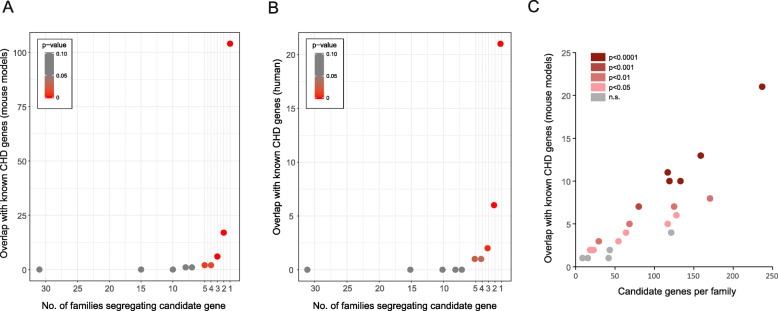
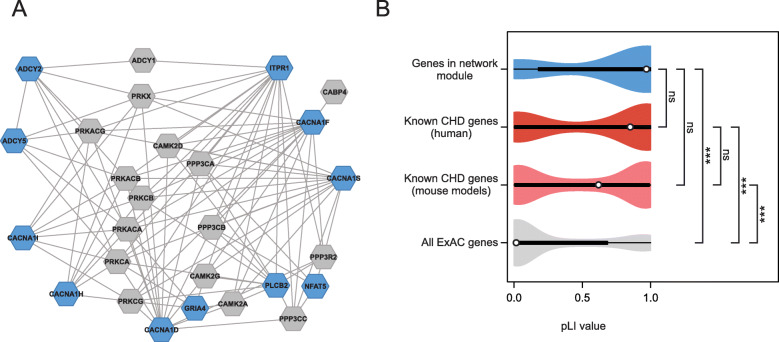
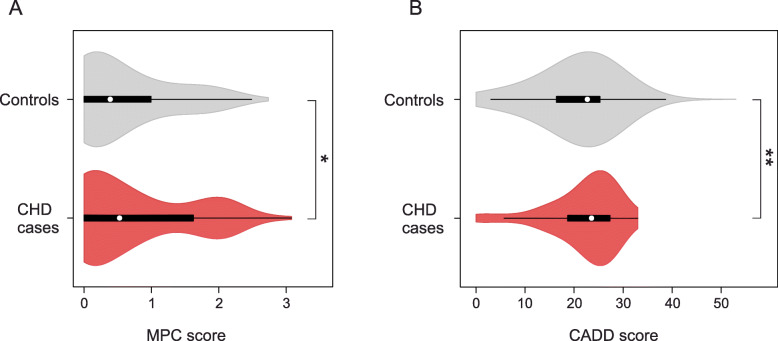
We identified 1785 genes, in which rare alleles were shared between affected individuals within a family. These genes were enriched for known cardiac developmental genes, and 218 of these genes were mutated in more than one family. Our analysis revealed a functional cluster, enriched for proteins with a known participation in calcium signaling. Replication in an independent cohort confirmed increased mutation burden of calcium-signaling genes in CHD patients. Functional investigation of zebrafish orthologues of ITPR1, PLCB2, and ADCY2 verified a role in cardiac development and suggests a combinatorial effect of inactivation of these genes.
The study identifies abnormal calcium signaling as a novel pathophysiological mechanism in human CHD and confirms the complex genetic architecture underlying CHD.
先天性心脏病(CHD)在近 1%的新生儿中发生,被认为是一种多因素疾病。由于遗传因素在疾病发病机制中起着重要作用,CHD 可能在家族中分离。本研究的目的是确定分离 CHD 的家族中的病理生理机制。
我们使用全外显子组测序来鉴定 32 个丹麦有复发性 CHD 的家庭中 90 名同意参与者的罕见遗传变异。我们应用系统生物学方法来鉴定受罕见变异积累影响的发育机制。我们使用 714 例 CHD 病例和 4922 名对照的独立队列进行复制,并使用斑马鱼作为体内模型进行功能研究。
我们鉴定了 1785 个基因,这些基因在一个家庭内的受影响个体之间共享罕见等位基因。这些基因富含已知的心脏发育基因,其中 218 个基因在不止一个家庭中发生突变。我们的分析揭示了一个功能簇,富含已知参与钙信号的蛋白质。在独立队列中的复制证实了 CHD 患者中钙信号基因的突变负担增加。对 ITPR1、PLCB2 和 ADCY2 的斑马鱼同源物的功能研究证实了它们在心脏发育中的作用,并表明这些基因失活的组合效应。
该研究确定异常钙信号作为人类 CHD 的新病理生理机制,并证实了 CHD 复杂的遗传结构。