Program in Immunology, Fred Hutchinson Cancer Research Center, Seattle, WA.
Department of Medicine/Oncology, University of Washington, Seattle, WA.
J Exp Med. 2020 Dec 7;217(12). doi: 10.1084/jem.20191166.
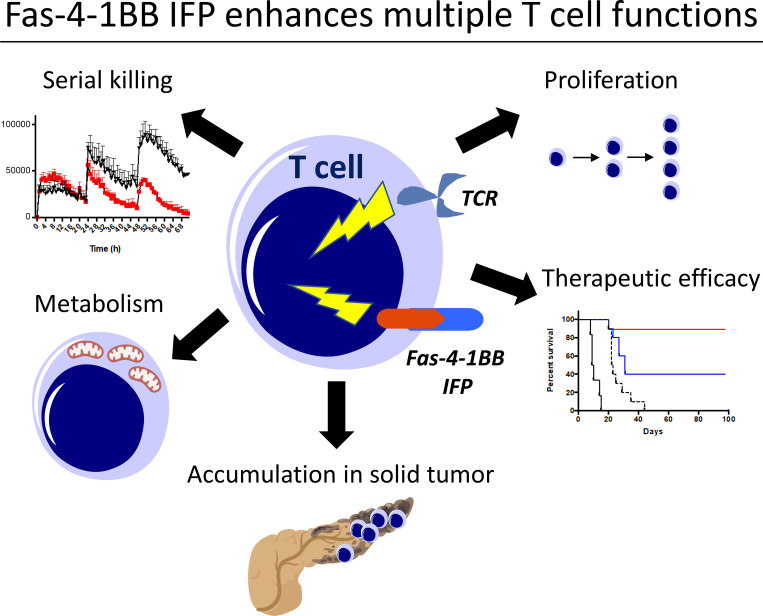
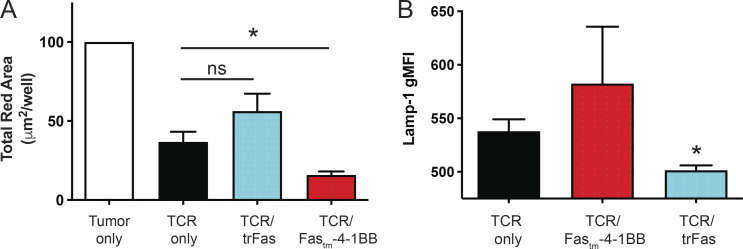
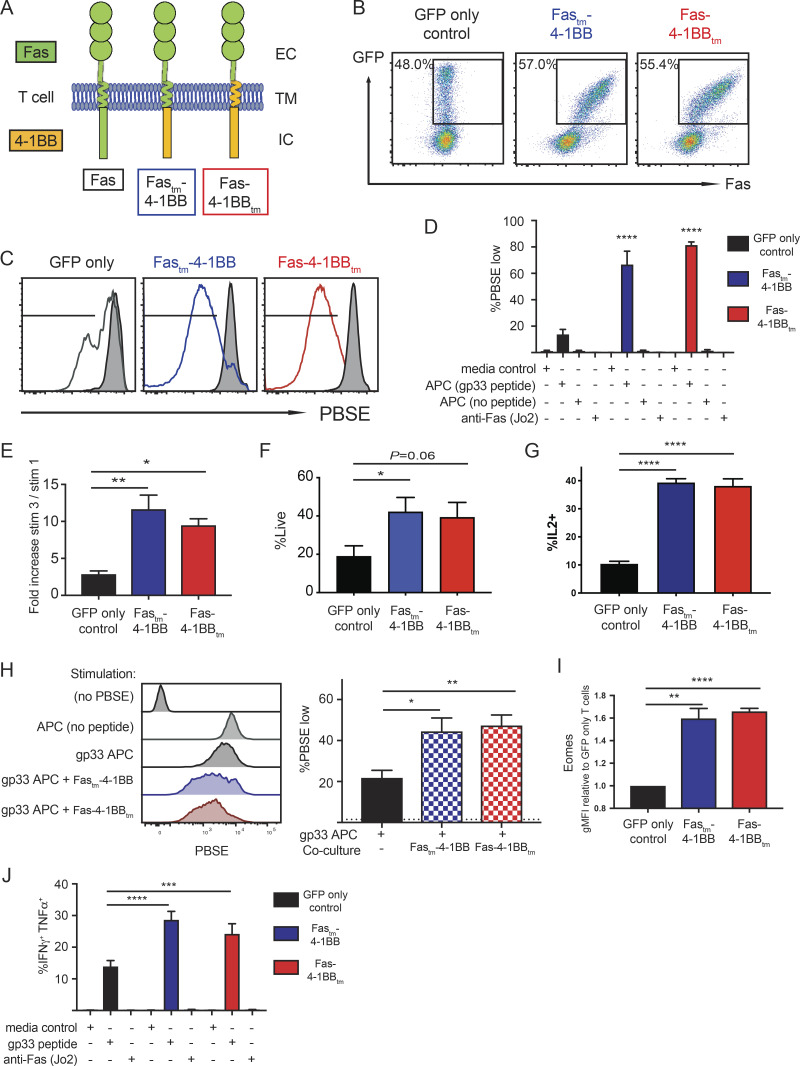
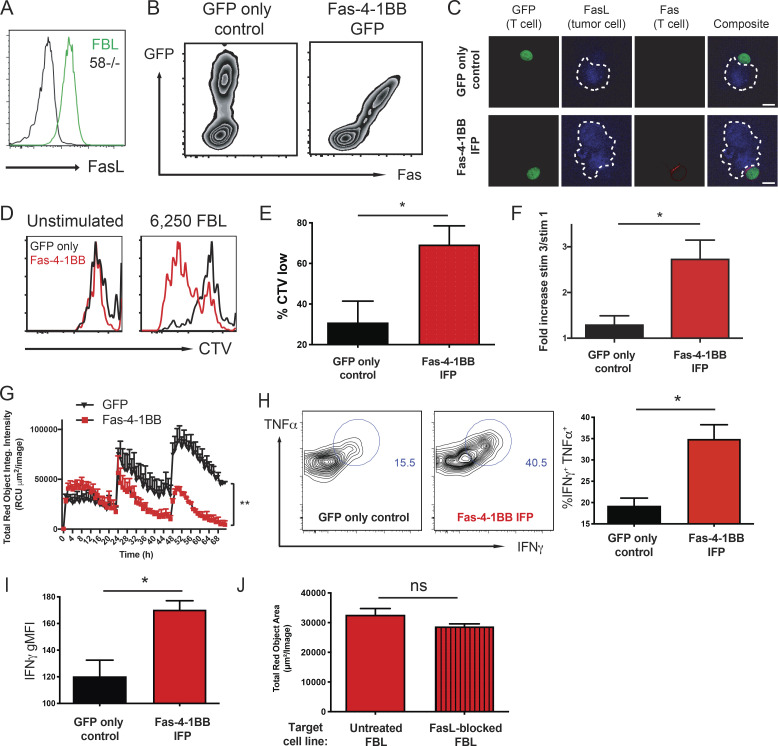
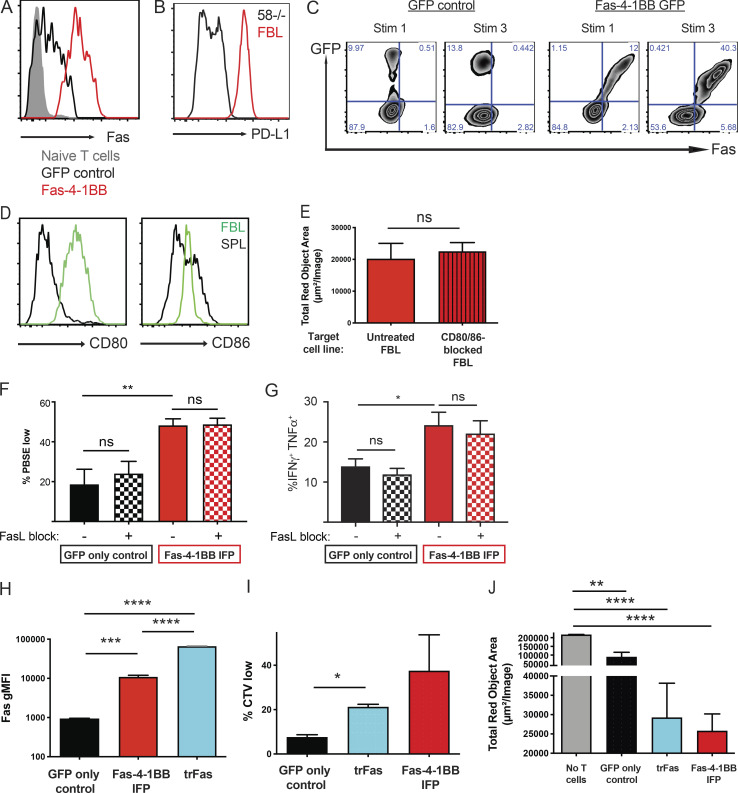
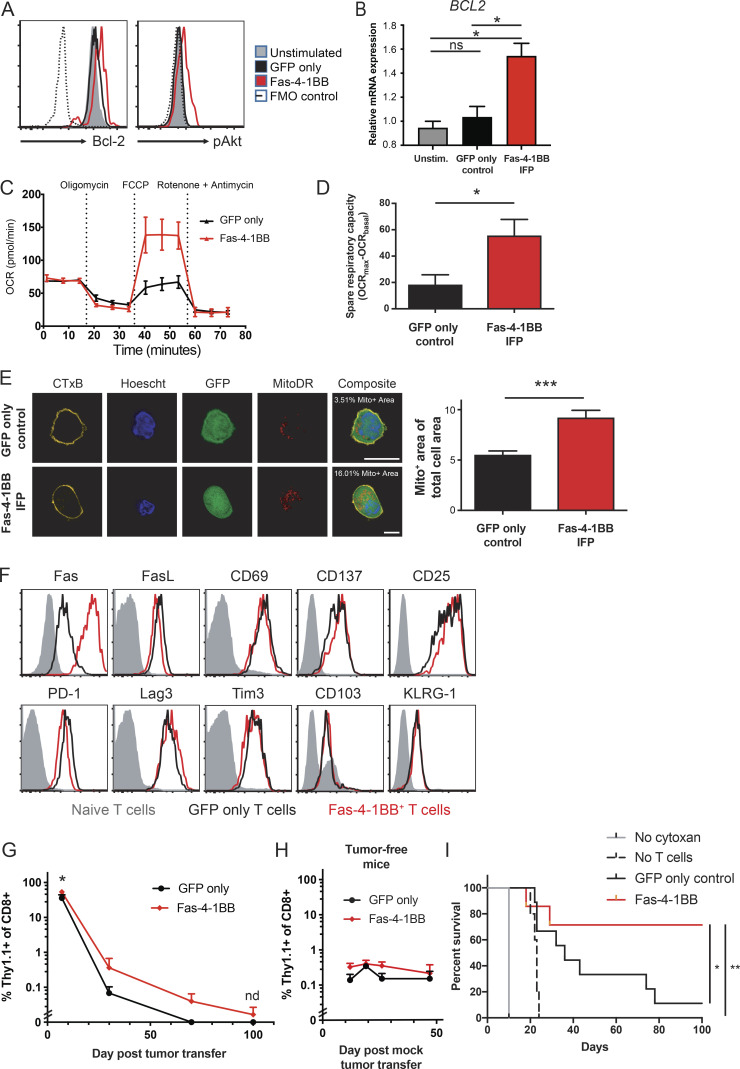
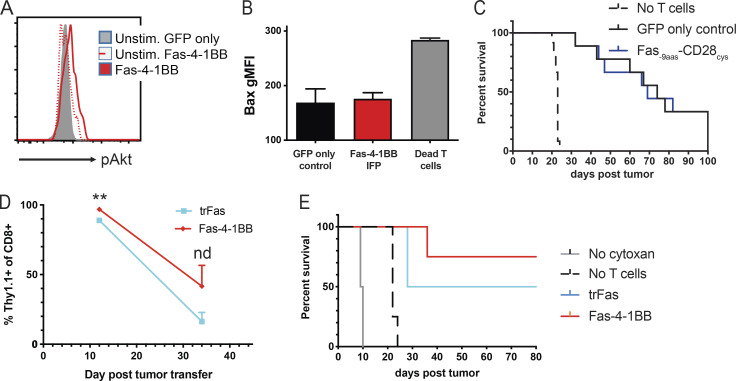
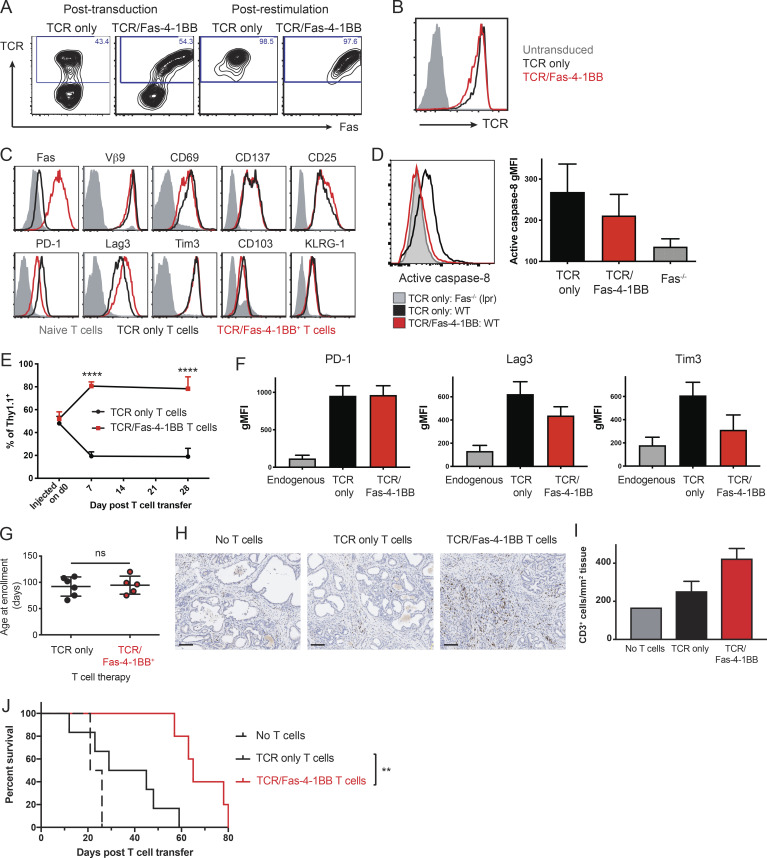
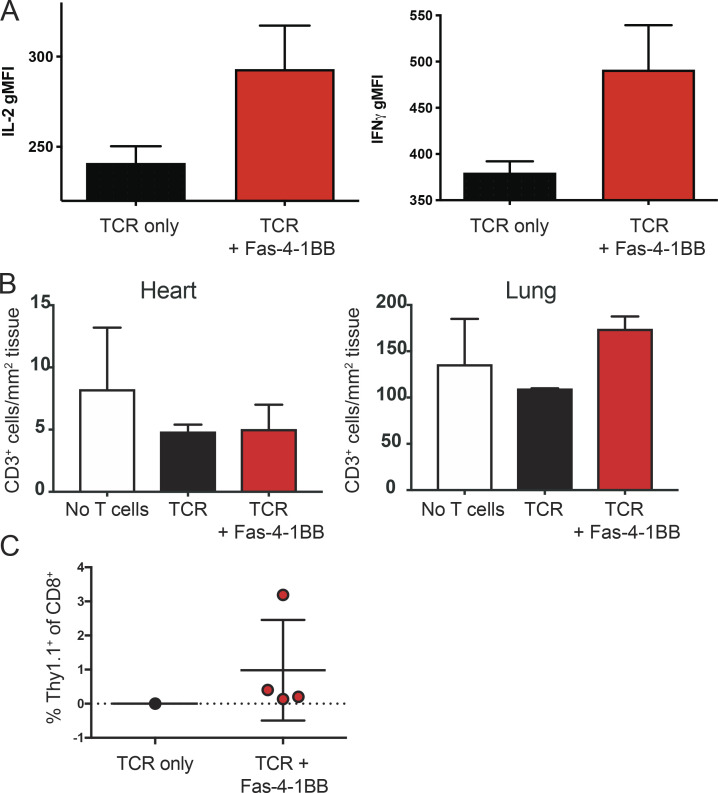
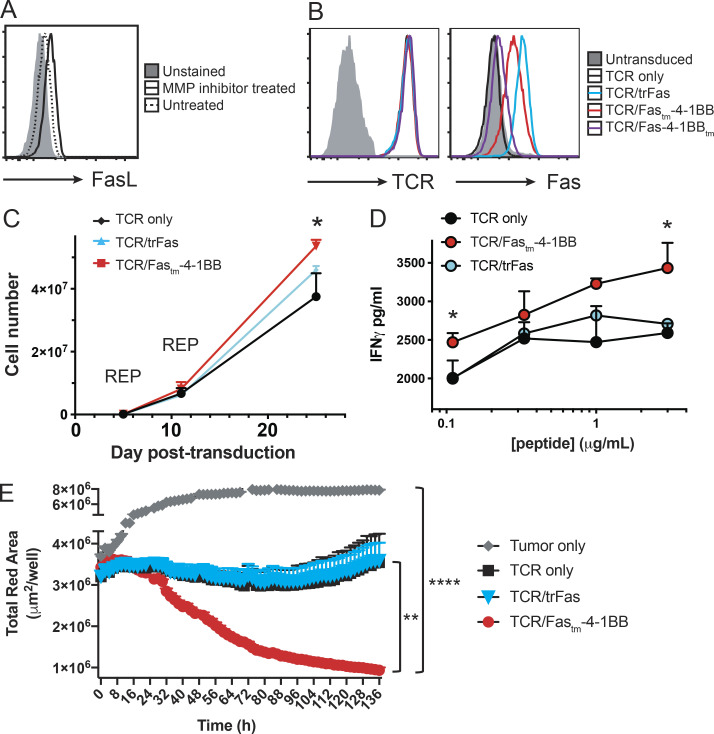
Adoptive T cell therapy (ACT) with genetically modified T cells has shown impressive results against some hematologic cancers, but efficacy in solid tumors can be limited by restrictive tumor microenvironments (TMEs). For example, Fas ligand is commonly overexpressed in TMEs and induces apoptosis in tumor-infiltrating, Fas receptor-positive lymphocytes. We engineered immunomodulatory fusion proteins (IFPs) to enhance ACT efficacy, combining an inhibitory receptor ectodomain with a costimulatory endodomain to convert negative into positive signals. We developed a Fas-4-1BB IFP that replaces the Fas intracellular tail with costimulatory 4-1BB. Fas-4-1BB IFP-engineered murine T cells exhibited increased pro-survival signaling, proliferation, antitumor function, and altered metabolism in vitro. In vivo, Fas-4-1BB ACT eradicated leukemia and significantly improved survival in the aggressive KPC pancreatic cancer model. Fas-4-1BB IFP expression also enhanced primary human T cell function in vitro. Thus, Fas-4-1BB IFP expression is a novel strategy to improve multiple T cell functions and enhance ACT against solid tumors and hematologic malignancies.
过继性 T 细胞疗法(ACT)用基因修饰的 T 细胞治疗某些血液系统恶性肿瘤已取得显著疗效,但实体瘤的疗效可能受到限制肿瘤微环境(TME)的限制。例如,Fas 配体在 TME 中普遍过表达,并诱导肿瘤浸润、Fas 受体阳性淋巴细胞凋亡。我们设计了免疫调节融合蛋白(IFP)来增强 ACT 疗效,将抑制性受体胞外结构域与共刺激内结构域相结合,将负信号转化为正信号。我们开发了 Fas-4-1BB IFP,它用共刺激 4-1BB 替代 Fas 细胞内尾部。Fas-4-1BB IFP 工程化的小鼠 T 细胞在体外表现出增强的存活信号、增殖、抗肿瘤功能和改变的代谢。在体内,Fas-4-1BB ACT 根除了白血病,并显著改善了侵袭性 KPC 胰腺癌模型的生存。Fas-4-1BB IFP 表达也增强了体外原代人 T 细胞的功能。因此,Fas-4-1BB IFP 表达是一种改善多种 T 细胞功能并增强针对实体瘤和血液恶性肿瘤的 ACT 的新策略。