Cho Jang Hyuk
Department of Rehabilitation Medicine, Keimyung University Dongsan Medical Center, Keimyung University School of Medicine, Daegu, Korea.
Yeungnam Univ J Med. 2021 Jan;38(1):19-26. doi: 10.12701/yujm.2020.00535. Epub 2020 Aug 31.
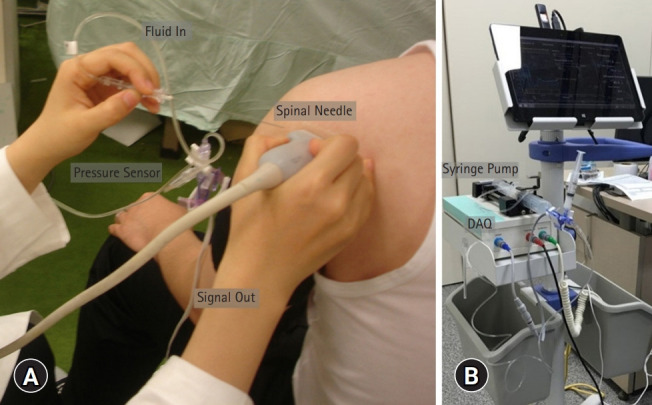
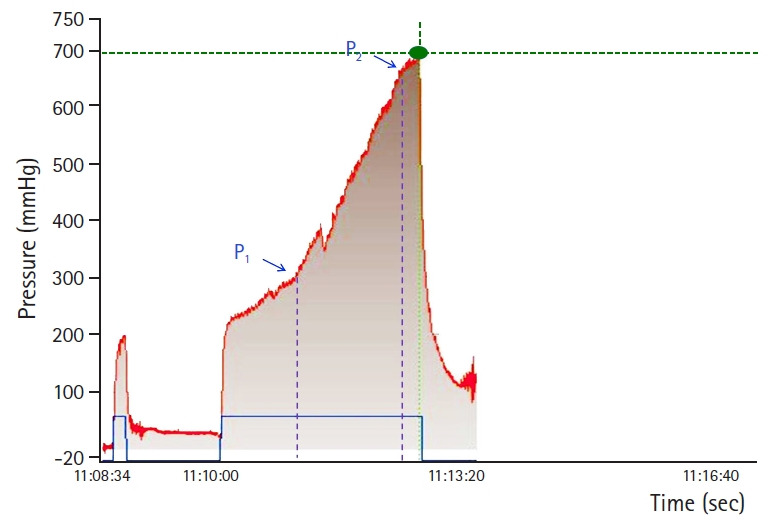
Adhesive capsulitis of the shoulder joint is a common disease characterized by pain at the insertional area of the deltoid muscle and decreased range of motion. The pathophysiological process involves fibrous inflammation of the capsule and intraarticular adhesion of synovial folds leading to capsular thickening and contracture. Regarding the multidirectional limitation of motion, a limitation in external rotation is especially prominent, which is related to not only global fibrosis but also to a localized tightness of the anterior capsule. Ultrasound and magnetic resonance imaging studies can be applied to rule out other structural lesions in the diagnosis of adhesive capsulitis. Hydraulic distension of the shoulder joint capsule provides pain relief and an immediate improvement in range of motion by directly expanding the capsule along with the infusion of steroids. However, the optimal technique for hydraulic distension is still a matter of controversy, with regards to the infusion volume and rupture of the capsule. By monitoring the real-time pressure-volume profile during hydraulic distension, the largest possible fluid volume can be infused without rupturing the capsule. The improvement in clinical outcomes is shown to be greater in capsule-preserved hydraulic distension than in capsule-ruptured distension. Moreover, repeated distension is possible, which provides additional clinical improvement. Capsule-preserved hydraulic distension with maximal volume is suggested to be an efficacious treatment option for persistent adhesive capsulitis.
肩关节粘连性关节囊炎是一种常见疾病,其特征为三角肌附着区域疼痛及活动范围减小。病理生理过程涉及关节囊的纤维性炎症和滑膜皱襞的关节内粘连,导致关节囊增厚和挛缩。关于多方向的活动受限,外旋受限尤为突出,这不仅与整体纤维化有关,还与前关节囊的局部紧张有关。超声和磁共振成像研究可用于在粘连性关节囊炎的诊断中排除其他结构病变。肩关节囊液压扩张通过直接扩张关节囊并注入类固醇,可缓解疼痛并立即改善活动范围。然而,关于液压扩张的最佳技术,在注入量和关节囊破裂方面仍存在争议。通过在液压扩张过程中监测实时压力-容积曲线,可在不使关节囊破裂的情况下注入最大可能的液体量。与关节囊破裂的扩张相比,保留关节囊的液压扩张显示出更大的临床疗效改善。此外,重复扩张是可行的,这可带来额外的临床改善。建议最大量保留关节囊的液压扩张是持续性粘连性关节囊炎的一种有效治疗选择。