Department of Psychiatry and Psychology, (MIL) Mayo Clinic, Rochester, MN.
Neurotherapeutics Program (SS), McLean Hospital, Boston, MA; Harvard Medical School (SS, BPF), Boston, MA.
Am J Geriatr Psychiatry. 2020 Nov;28(11):1133-1145. doi: 10.1016/j.jagp.2020.08.001. Epub 2020 Aug 7.
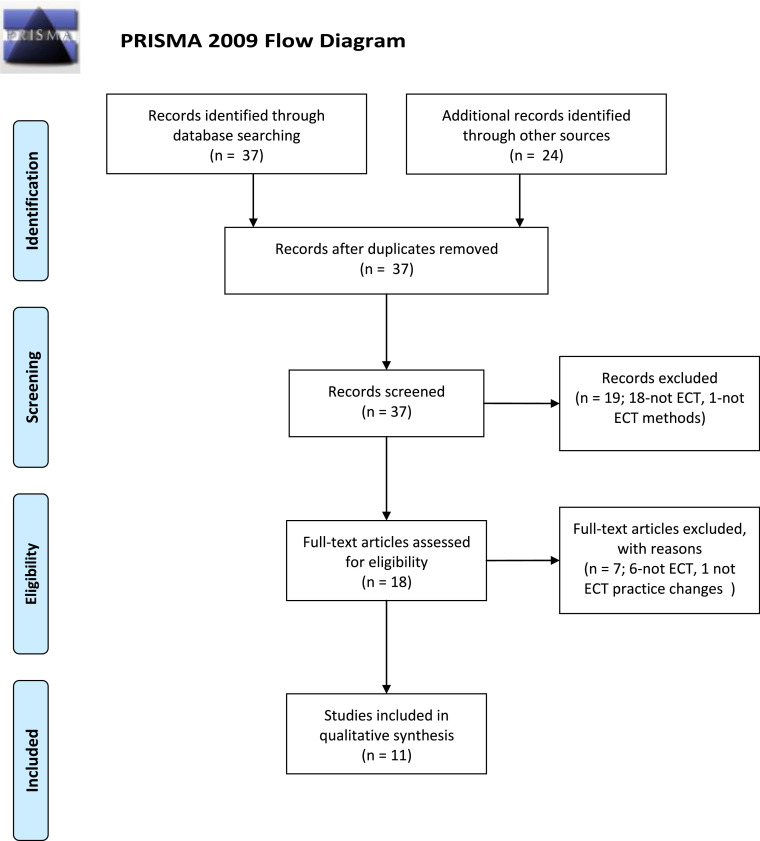
The ubiquitous coronavirus 2019 (COVID-19) pandemic has required healthcare providers across all disciplines to rapidly adapt to public health guidelines to reduce risk while maintaining quality of care. Electroconvulsive therapy (ECT), which involves an aerosol-generating procedure from manual ventilation with a bag mask valve while under anesthesia, has undergone drastic practice changes in order to minimize disruption of treatment in the midst of COVID-19. In this paper, we provide a consensus statement on the clinical practice changes in ECT specific to older adults based on expert group discussions of ECT practitioners across the country and a systematic review of the literature. There is a universal consensus that ECT is an essential treatment of severe mental illness. In addition, there is a clear consensus on what modifications are imperative to ensure continued delivery of ECT in a manner that is safe for patients and staff, while maintaining the viability of ECT services. Approaches to modifications in ECT to address infection control, altered ECT procedures, and adjusting ECT operations are almost uniform across the globe. With modified ECT procedures, it is possible to continue to meet the needs of older patients while mitigating risk of transmission to this vulnerable population.
无处不在的 2019 年冠状病毒病(COVID-19)大流行要求所有医学专业的医疗保健提供者迅速适应公共卫生指南,以降低风险,同时保持护理质量。涉及在全身麻醉下手动通气与袋阀面罩时产生气溶胶的程序的电抽搐治疗(ECT),为了尽量减少 COVID-19 期间治疗中断,已经进行了重大的实践改变。在本文中,我们根据全国 ECT 从业者的专家组讨论和对文献的系统回顾,就 ECT 在老年患者中的具体临床实践变化提供了一项共识声明。普遍共识认为 ECT 是严重精神疾病的重要治疗方法。此外,还有一个明确的共识,即必须进行哪些修改,以确保以对患者和工作人员安全的方式继续提供 ECT,同时保持 ECT 服务的可行性。为了控制感染、改变 ECT 程序以及调整 ECT 操作而对 ECT 进行修改的方法在全球几乎是一致的。通过修改 ECT 程序,可以继续满足老年患者的需求,同时降低向这一脆弱人群传播的风险。