Department of Chemistry, Stony Brook University, Stony Brook, New York 11794, United States.
Department of Microbiology and Immunology, School of Medicine and Biomedical Sciences, State University of New York (SUNY) at Buffalo, Buffalo, New York 14214, United States.
Biochemistry. 2020 Oct 6;59(39):3709-3724. doi: 10.1021/acs.biochem.0c00458. Epub 2020 Sep 17.
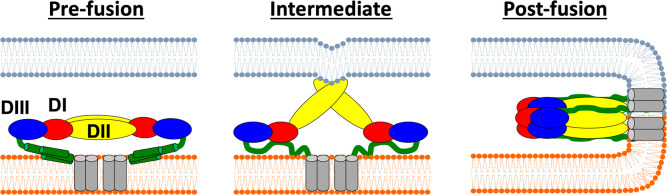
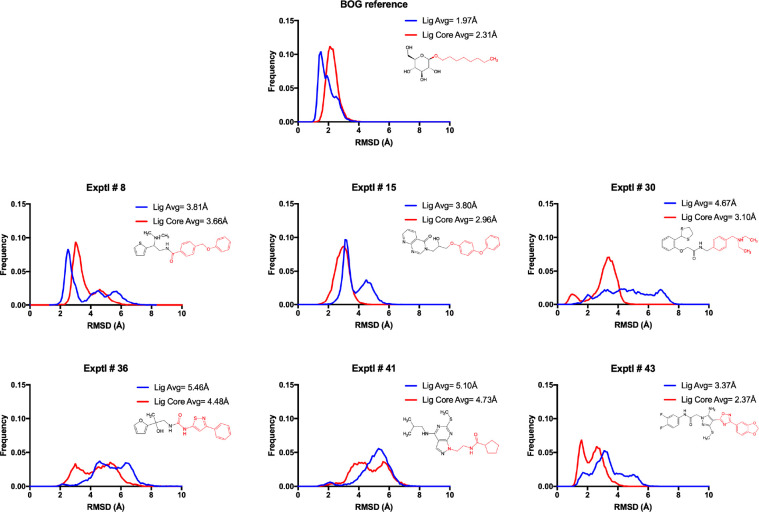
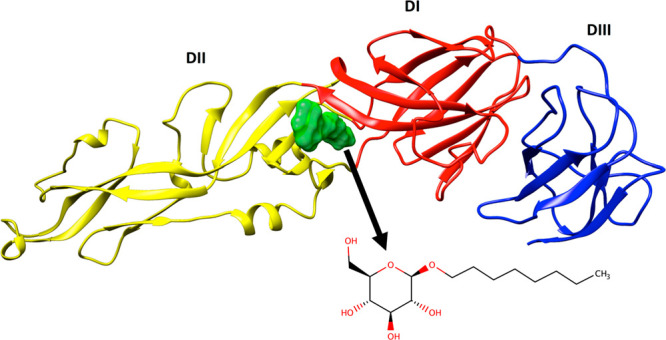
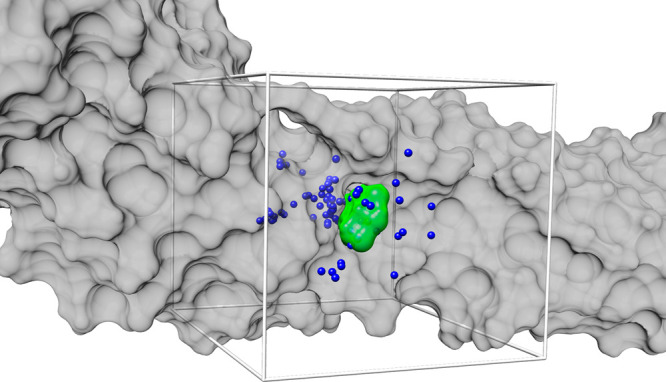
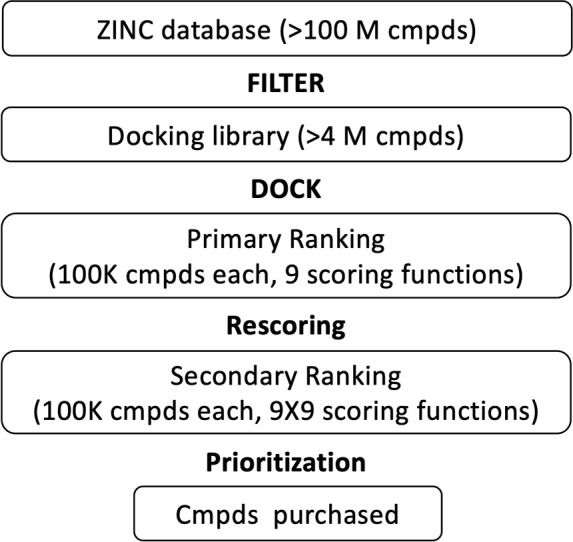
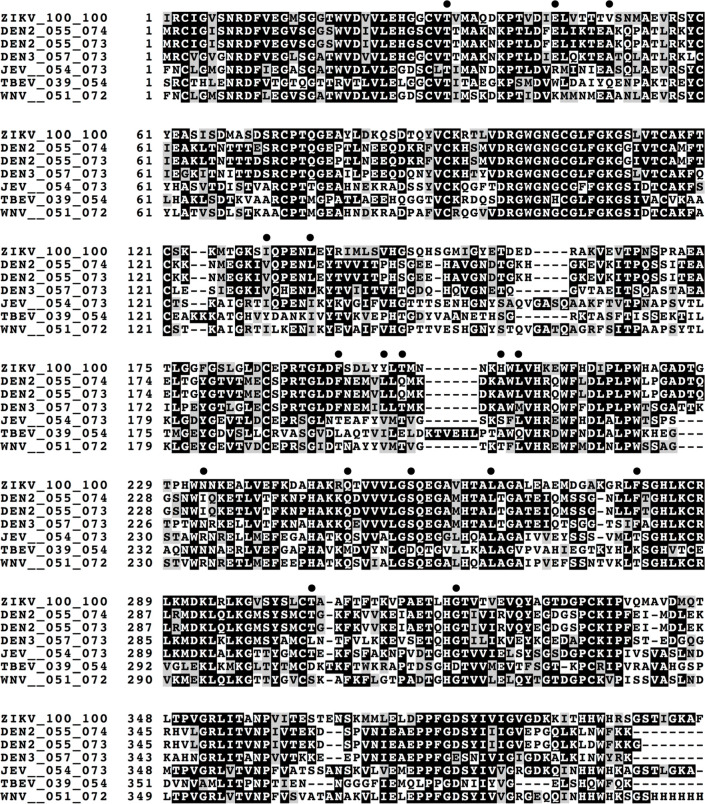
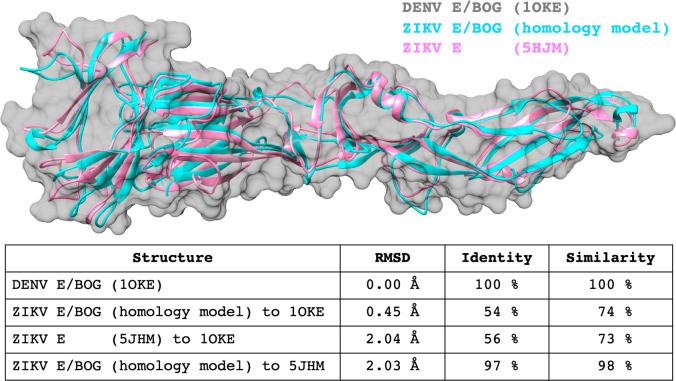
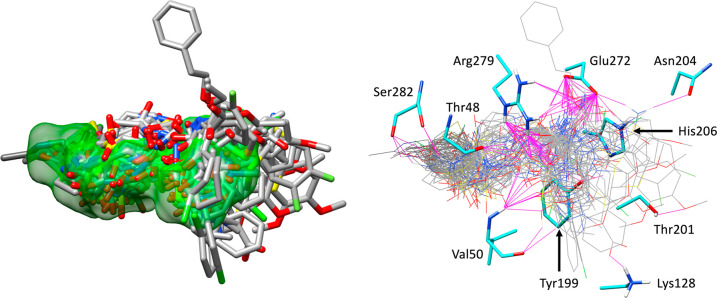
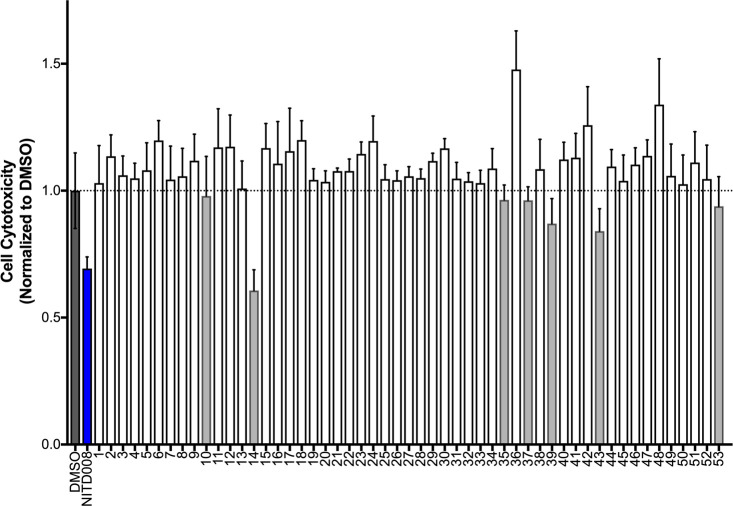
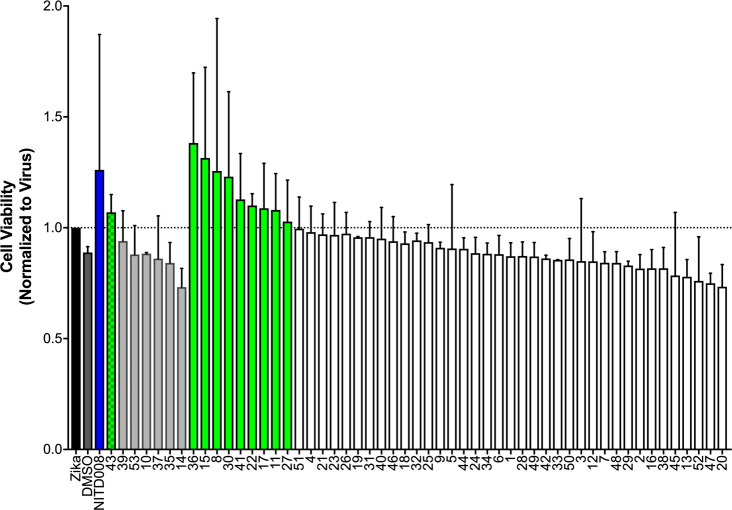
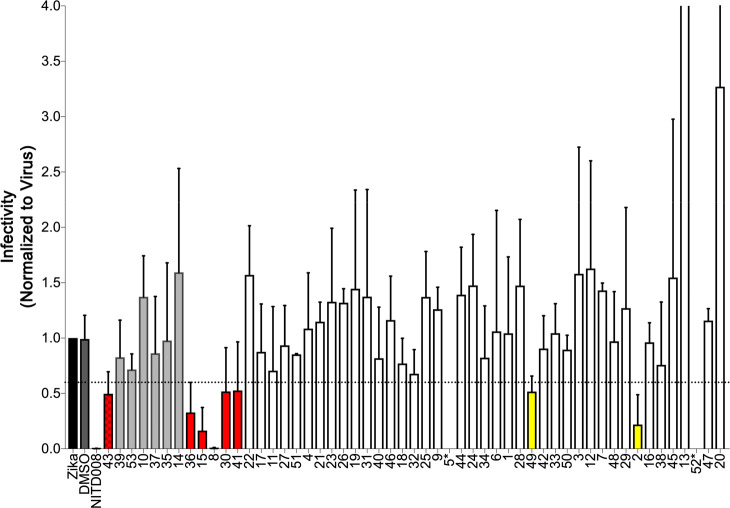
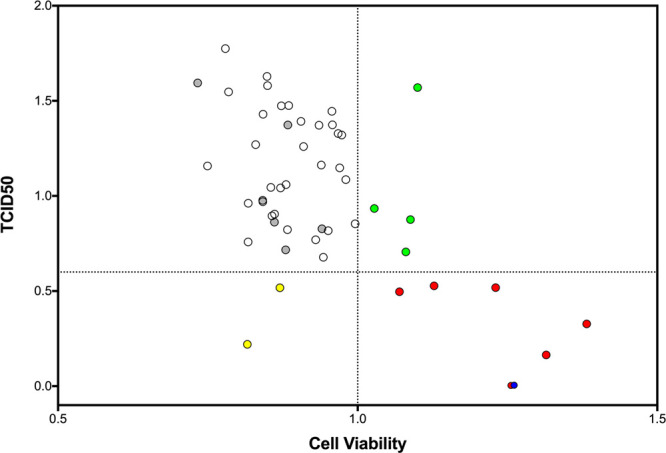
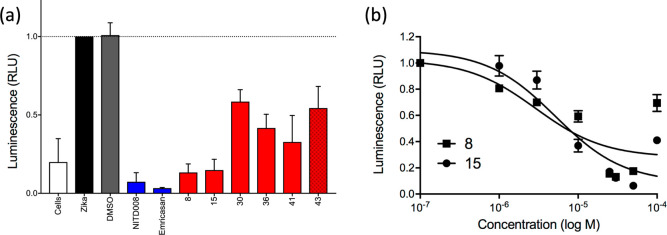
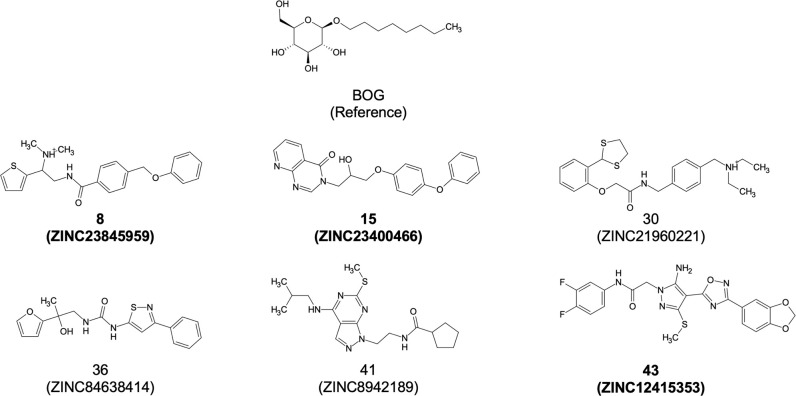
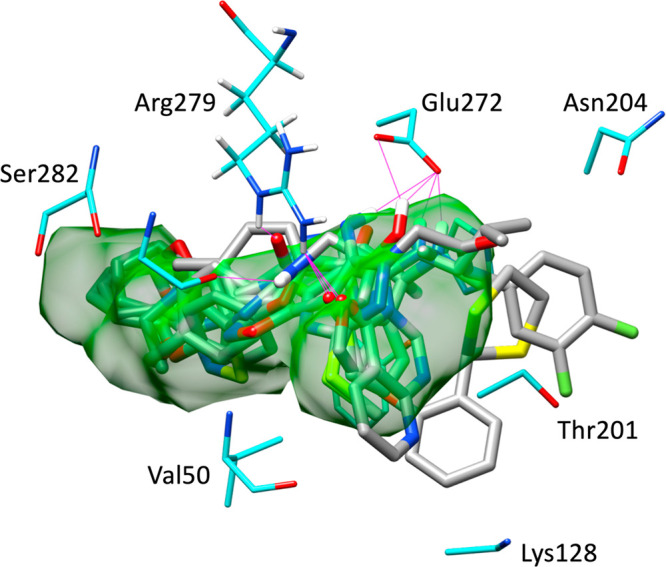
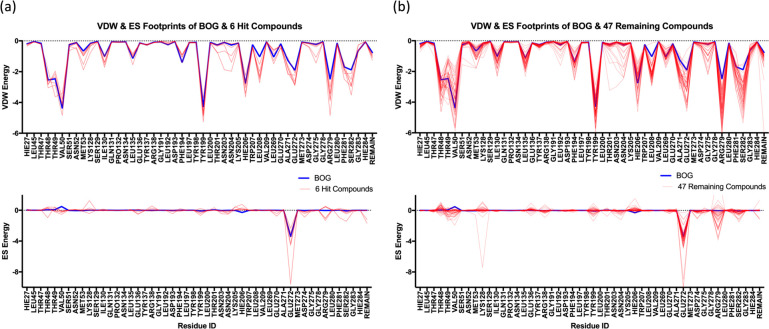
The World Health Organization has designated Zika virus (ZIKV) as a dangerous, mosquito-borne pathogen that can cause severe developmental defects. The primary goal of this work was identification of small molecules as potential ZIKV inhibitors that target the viral envelope glycoprotein (ZIKV E) involved in membrane fusion and viral entry. A homology model of ZIKV E containing the small molecule β-octyl glucoside (BOG) was constructed, on the basis of an analogous X-ray structure from dengue virus, and >4 million commercially available compounds were computationally screened using the program DOCK6. A key feature of the screen involved the use of similarity-based scoring to identify inhibitor candidates that make similar interaction energy patterns (molecular footprints) as the BOG reference. Fifty-three prioritized compounds underwent experimental testing using cytotoxicity, cell viability, and tissue culture infectious dose 50% (TCID50) assays. Encouragingly, relative to a known control (NITD008), six compounds were active in both the cell viability assay and the TCID50 infectivity assay, and they showed activity in a third caspase activity assay. In particular, compounds and (tested at 25 μM) and compound (tested at 10 μM) appeared to provide significant protection to infected cells, indicative of anti-ZIKV activity. Overall, the study highlights how similarity-based scoring can be leveraged to computationally identify potential ZIKV E inhibitors that mimic a known reference (in this case BOG), and the experimentally verified hits provide a strong starting point for further refinement and optimization efforts.
世界卫生组织已将寨卡病毒(ZIKV)列为一种危险的、通过蚊虫传播的病原体,它可导致严重的发育缺陷。这项工作的主要目标是鉴定小分子作为潜在的寨卡病毒抑制剂,这些抑制剂针对参与膜融合和病毒进入的病毒包膜糖蛋白(ZIKV E)。基于登革热病毒的类似 X 射线结构,构建了包含小分子β-辛基葡萄糖苷(BOG)的寨卡病毒 E 的同源模型,并使用程序 DOCK6 对 >400 万种商业上可获得的化合物进行了计算筛选。筛选的一个关键特征是使用基于相似性的评分来识别抑制剂候选物,这些候选物与 BOG 参考物具有相似的相互作用能量模式(分子足迹)。五十三种优先化合物通过细胞毒性、细胞活力和组织培养感染剂量 50%(TCID50)测定进行了实验测试。令人鼓舞的是,与已知对照物(NITD008)相比,六种化合物在细胞活力测定和 TCID50 感染性测定中均具有活性,并且在第三种半胱天冬酶活性测定中也具有活性。特别是,化合物和(在 25 μM 下测试)和化合物(在 10 μM 下测试)似乎为感染细胞提供了显著的保护,表明具有抗 ZIKV 活性。总体而言,该研究强调了如何利用基于相似性的评分来计算识别潜在的寨卡病毒 E 抑制剂,这些抑制剂模拟已知的参考物(在这种情况下为 BOG),并且经过实验验证的命中为进一步的细化和优化工作提供了一个强有力的起点。