Garhöfer Gerhard, Chua Jacqueline, Tan Bingyao, Wong Damon, Schmidl Doreen, Schmetterer Leopold
Department of Clinical Pharmacology, Medical University Vienna, 1090 Vienna, Austria.
Singapore Eye Research Institute, Singapore National Eye Centre, Singapore 169856, Singapore.
J Clin Med. 2020 Sep 1;9(9):2829. doi: 10.3390/jcm9092829.
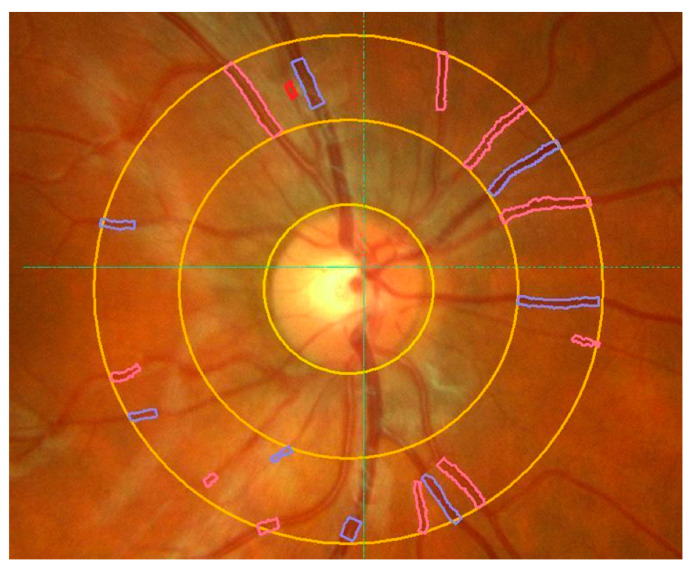
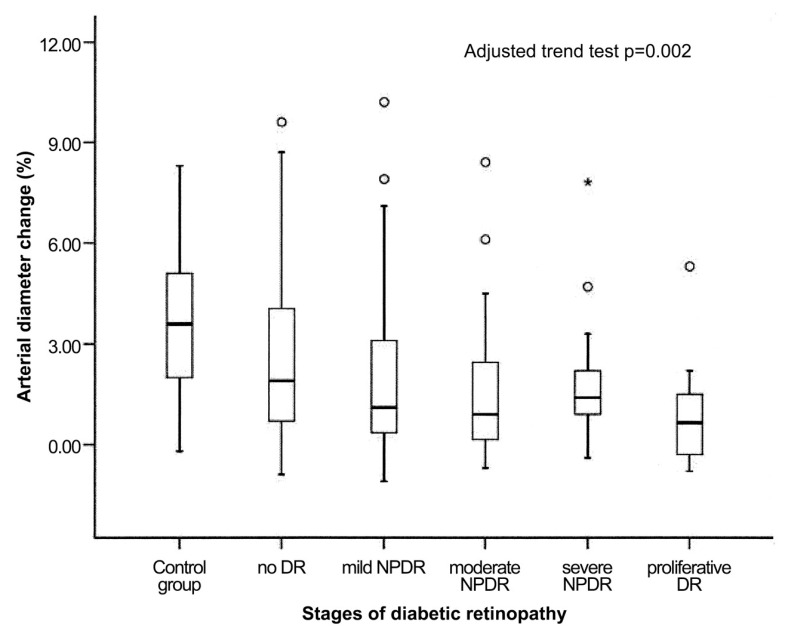
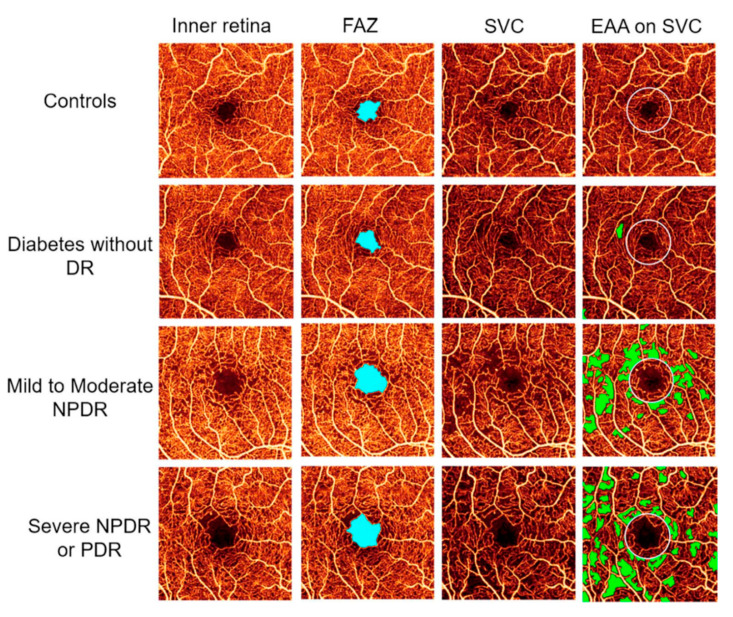
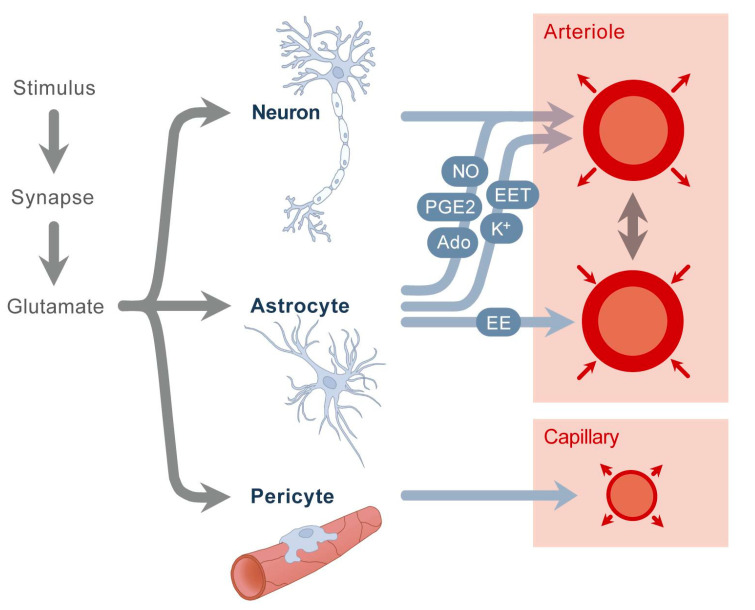
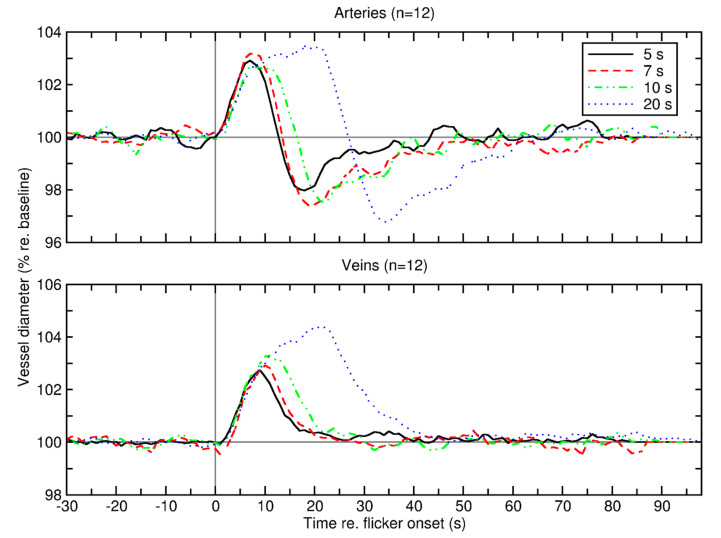
Neurovascular coupling, also termed functional hyperemia, is one of the physiological key mechanisms to adjust blood flow in a neural tissue in response to functional activity. In the retina, increased neural activity, such as that induced by visual stimulation, leads to the dilatation of retinal arterioles, which is accompanied by an immediate increase in retinal and optic nerve head blood flow. According to the current scientific view, functional hyperemia ensures the adequate supply of nutrients and metabolites in response to the increased metabolic demand of the neural tissue. Although the molecular mechanisms behind neurovascular coupling are not yet fully elucidated, there is compelling evidence that this regulation is impaired in a wide variety of neurodegenerative and vascular diseases. In particular, it has been shown that the breakdown of the functional hyperemic response is an early event in patients with diabetes. There is compelling evidence that alterations in neurovascular coupling precede visible signs of diabetic retinopathy. Based on these observations, it has been hypothesized that a breakdown of functional hyperemia may contribute to the retinal complications of diabetes such as diabetic retinopathy or macular edema. The present review summarizes the current evidence of impaired neurovascular coupling in patients with diabetes. In this context, the molecular mechanisms of functional hyperemia in health and disease will be covered. Finally, we will also discuss how neurovascular coupling may in future be used to monitor disease progression or risk stratification.
神经血管耦合,也称为功能性充血,是响应功能活动而调节神经组织中血流的生理关键机制之一。在视网膜中,神经活动增加,如视觉刺激所诱导的,会导致视网膜小动脉扩张,同时视网膜和视神经乳头血流立即增加。根据当前的科学观点,功能性充血可确保在神经组织代谢需求增加时充分供应营养物质和代谢产物。尽管神经血管耦合背后的分子机制尚未完全阐明,但有确凿证据表明,在多种神经退行性疾病和血管疾病中,这种调节受到损害。特别是,已经表明功能性充血反应的破坏是糖尿病患者的早期事件。有确凿证据表明,神经血管耦合的改变先于糖尿病视网膜病变的可见迹象。基于这些观察结果,有人推测功能性充血的破坏可能导致糖尿病的视网膜并发症,如糖尿病视网膜病变或黄斑水肿。本综述总结了糖尿病患者神经血管耦合受损的当前证据。在此背景下,将涵盖健康和疾病状态下功能性充血的分子机制。最后,我们还将讨论神经血管耦合在未来如何用于监测疾病进展或风险分层。