Division of Cancer Biology, Research Institute, National Cancer Center, Goyang, Gyeonggi-do 10408, Korea.
Department of Biochemistry, College of Life Science and Biotechnology, Yonsei University, Seoul 03722, Korea.
Cells. 2020 Sep 1;9(9):2013. doi: 10.3390/cells9092013.
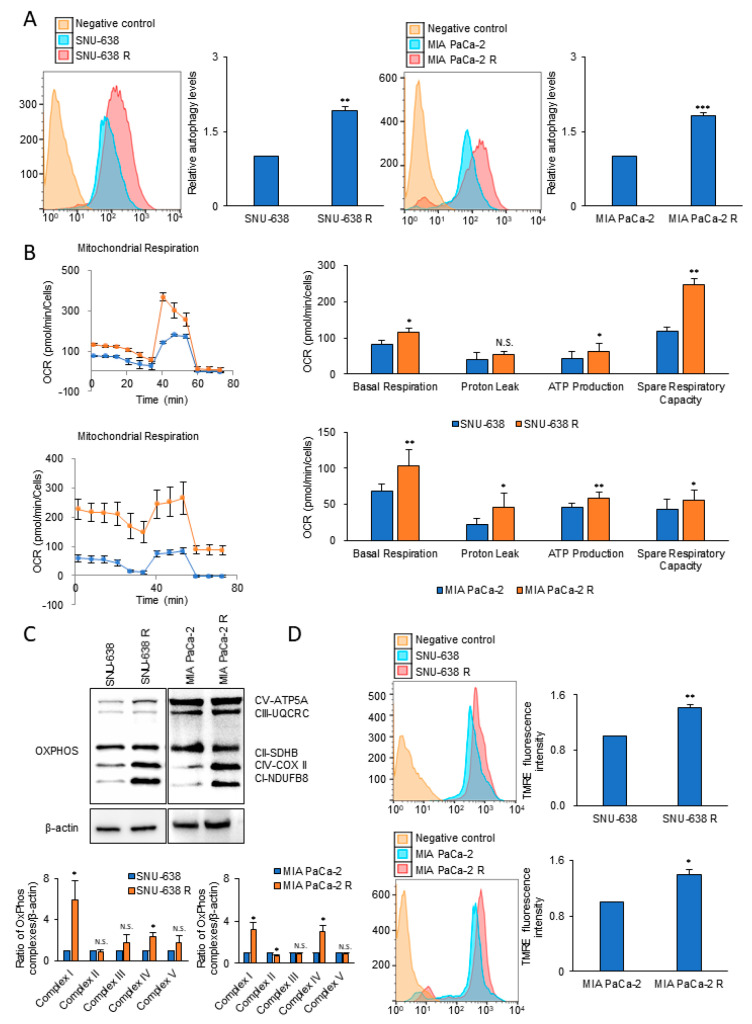
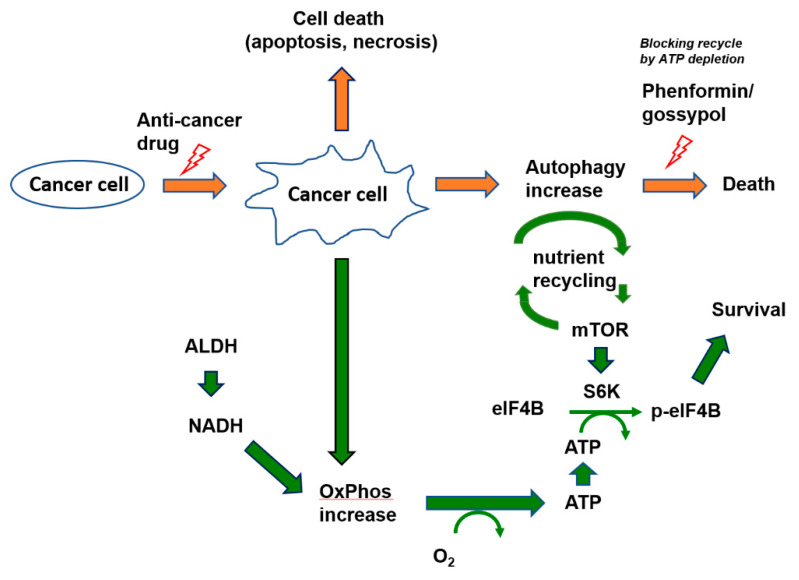
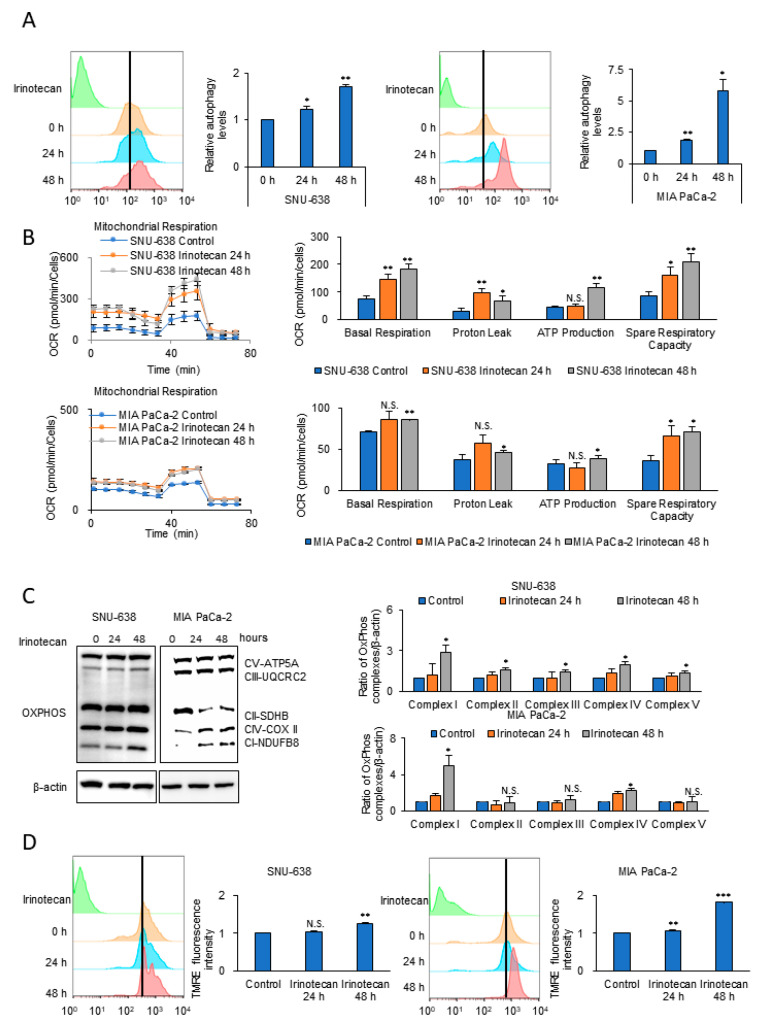
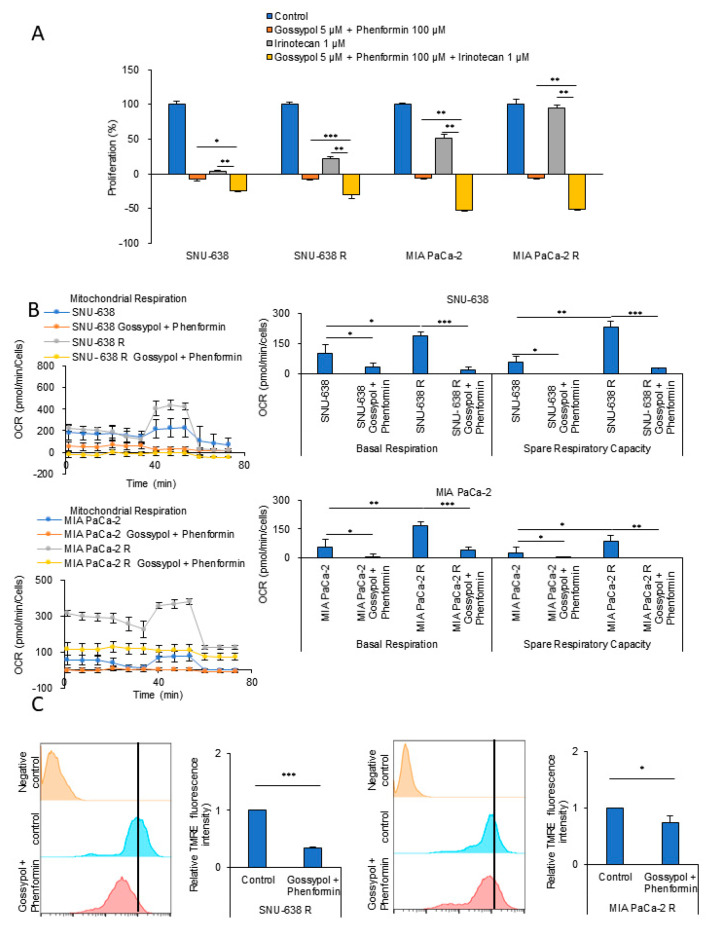
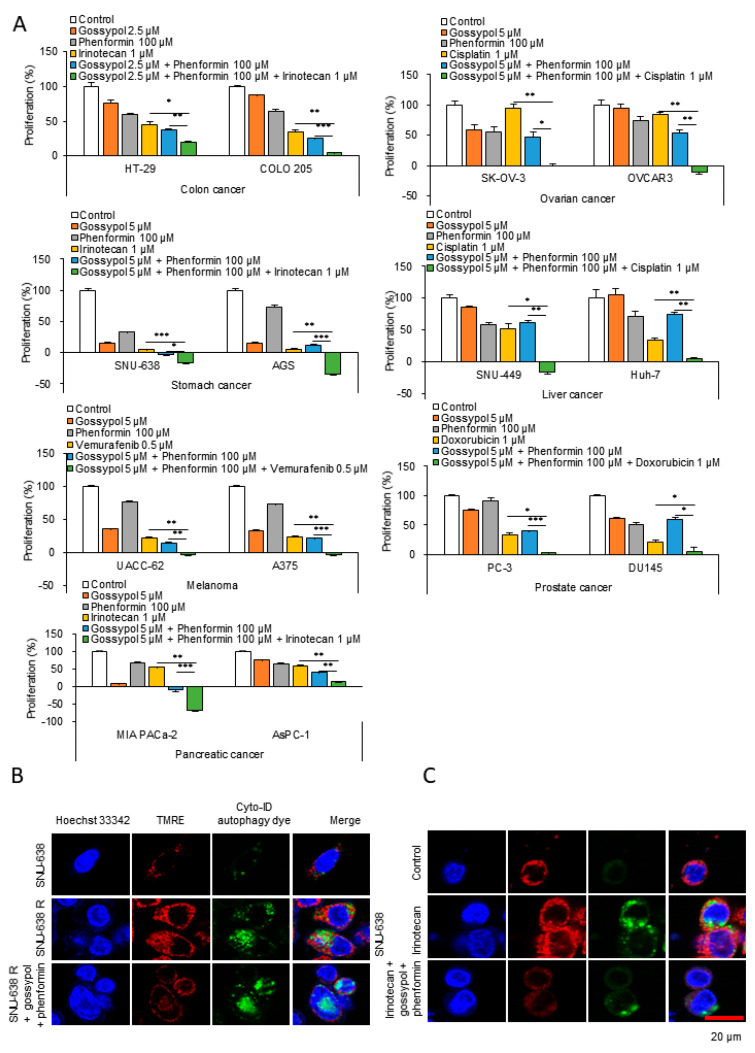
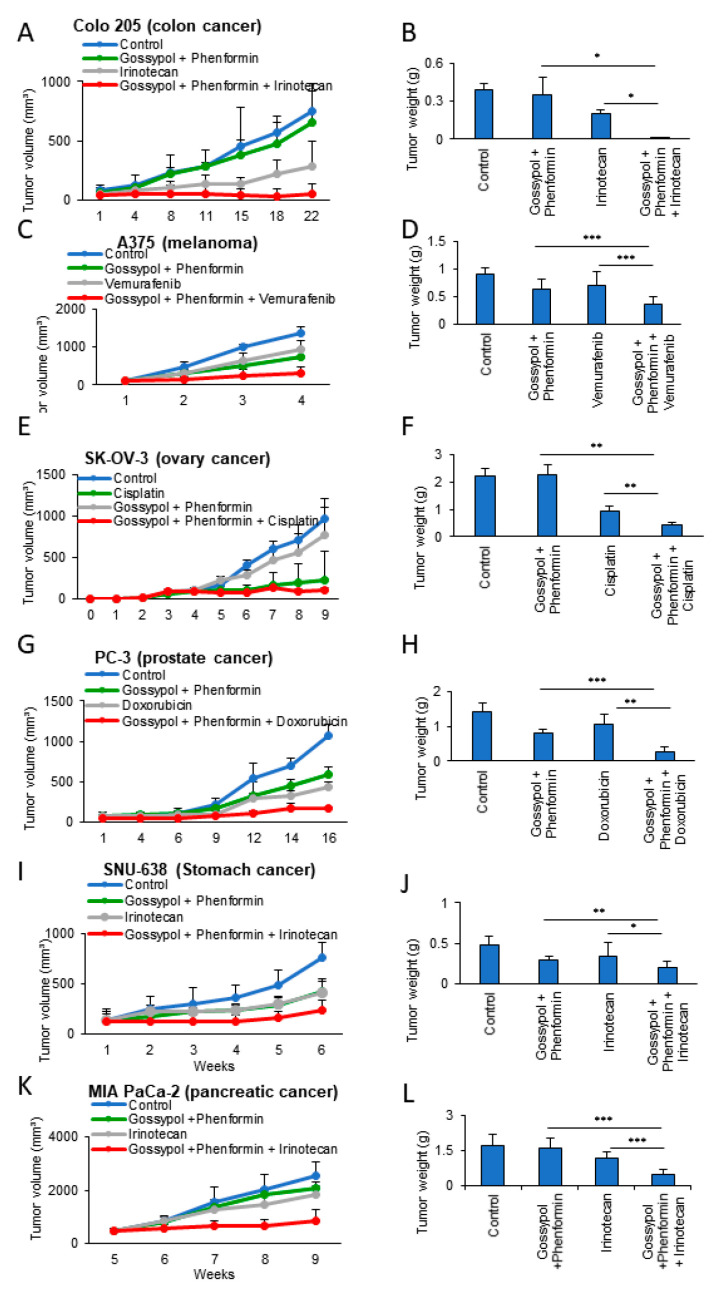
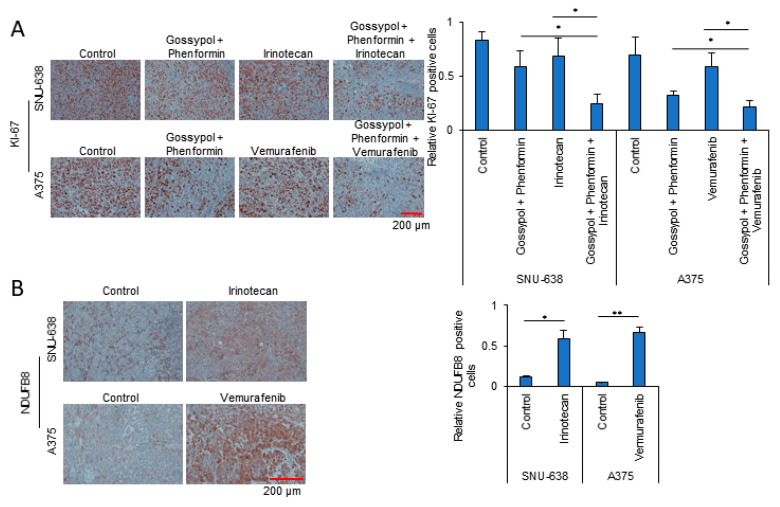
The greatest challenge in cancer therapy is posed by drug-resistant recurrence following treatment. Anticancer chemotherapy is largely focused on targeting the rapid proliferation and biosynthesis of cancer cells. This strategy has the potential to trigger autophagy, enabling cancer cell survival through the recycling of molecules and energy essential for biosynthesis, leading to drug resistance. Autophagy recycling contributes amino acids and ATP to restore mTOR complex 1 (mTORC1) activity, which leads to cell survival. However, autophagy with mTORC1 activation can be stalled by reducing the ATP level. We have previously shown that cytosolic NADH production supported by aldehyde dehydrogenase (ALDH) is critical for supplying ATP through oxidative phosphorylation (OxPhos) in cancer cell mitochondria. Inhibitors of the mitochondrial complex I of the OxPhos electron transfer chain and ALDH significantly reduce the ATP level selectively in cancer cells, terminating autophagy triggered by anticancer drug treatment. With the aim of overcoming drug resistance, we investigated combining the inhibition of mitochondrial complex I, using phenformin, and ALDH, using gossypol, with anticancer drug treatment. Here, we show that OxPhos targeting combined with anticancer drugs acts synergistically to enhance the anticancer effect in mouse xenograft models of various cancers, which suggests a potential therapeutic approach for drug-resistant cancer.
癌症治疗中最大的挑战是治疗后出现耐药性复发。癌症化疗主要集中在针对癌细胞的快速增殖和生物合成。这种策略有可能触发自噬,通过回收分子和能量来促进癌细胞的存活,这些分子和能量对生物合成至关重要,从而导致耐药性。自噬回收为恢复 mTOR 复合物 1(mTORC1)活性提供了氨基酸和 ATP,从而导致细胞存活。然而,通过降低 ATP 水平可以使 mTORC1 激活的自噬停滞。我们之前已经表明,醛脱氢酶(ALDH)支持的细胞质 NADH 产生对于通过癌细胞线粒体中的氧化磷酸化(OxPhos)提供 ATP 至关重要。OxPhos 电子传递链的线粒体复合物 I 和 ALDH 的抑制剂可显著选择性地降低癌细胞中的 ATP 水平,从而终止抗癌药物治疗引发的自噬。为了克服耐药性,我们研究了使用苯乙双胍抑制线粒体复合物 I 和使用棉酚抑制 ALDH,并与抗癌药物治疗相结合。在这里,我们表明 OxPhos 靶向联合抗癌药物在各种癌症的小鼠异种移植模型中协同作用,增强了抗癌效果,这提示了一种针对耐药性癌症的潜在治疗方法。