Department of Parasitology and Tropical Medicine, and Institute of Health Sciences, Gyeongsang National University College of Medicine, Jinju, 52727, Republic of Korea.
BK21Plus Team for Anti-aging Biotechnology and Industry, Department of Convergence Medical Science, Gyeongsang National University, Jinju, 52727, Republic of Korea.
Malar J. 2020 Sep 4;19(1):303. doi: 10.1186/s12936-020-03366-7.
Circumsporozoite surface protein (CSP) of malaria parasites has been recognized as one of the leading vaccine candidates. Clinical trials of vaccines for vivax malaria incorporating Plasmodium vivax CSP (PvCSP) have demonstrated their effectiveness in preventing malaria, at least in part. However, genetic diversity of pvcsp in the natural population remains a major concern.
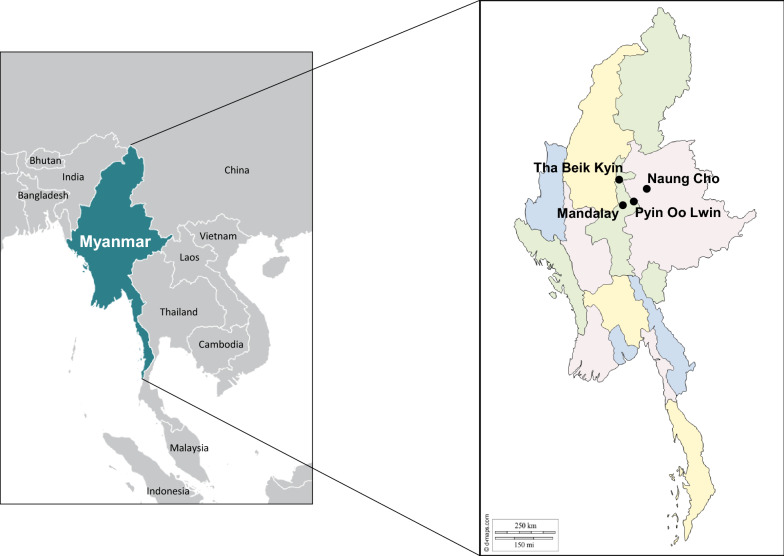
A total of 171 blood samples collected from patients infected with Plasmodium vivax in Myanmar were analysed in this study. The pvcsp was amplified by polymerase chain reaction, followed by cloning and sequencing. Polymorphic characteristics and natural selection of pvcsp population in Myanmar were analysed using DNASTAR, MEGA6 and DnaSP programs. The polymorphic pattern and natural selection of publicly accessible global pvcsp sequences were also comparatively analysed.
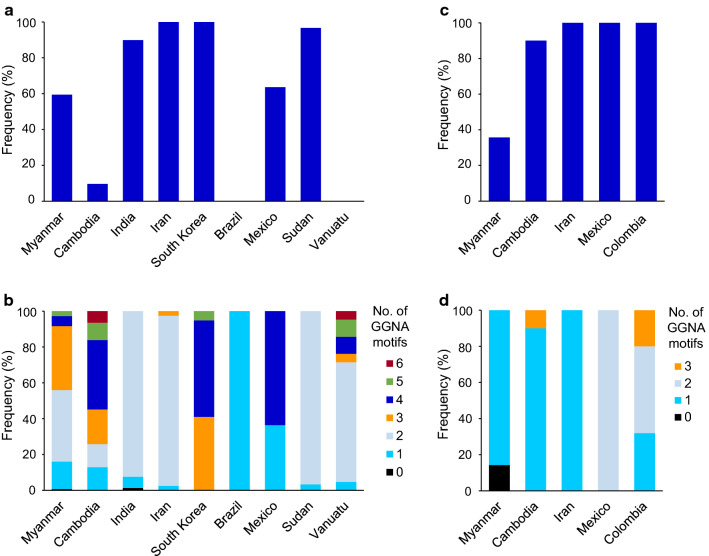
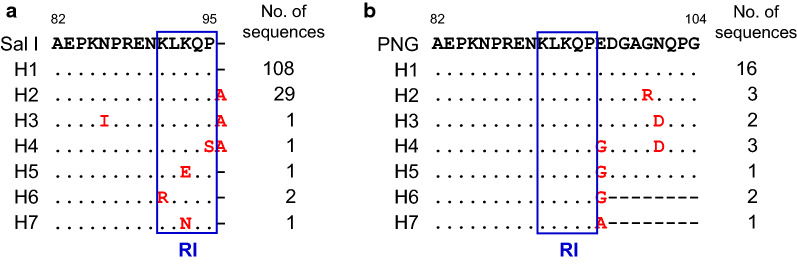
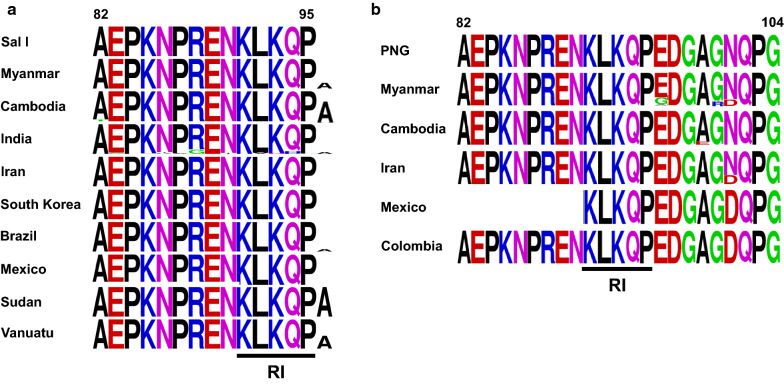
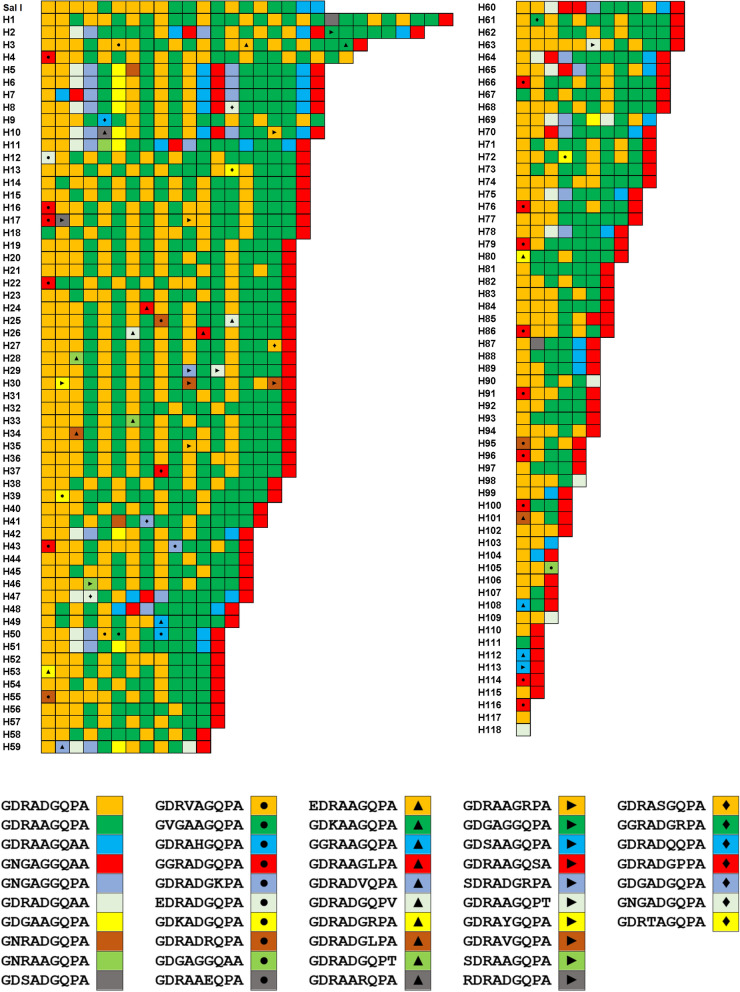
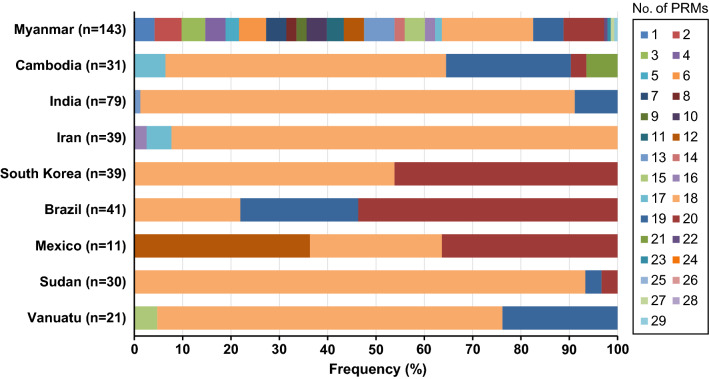
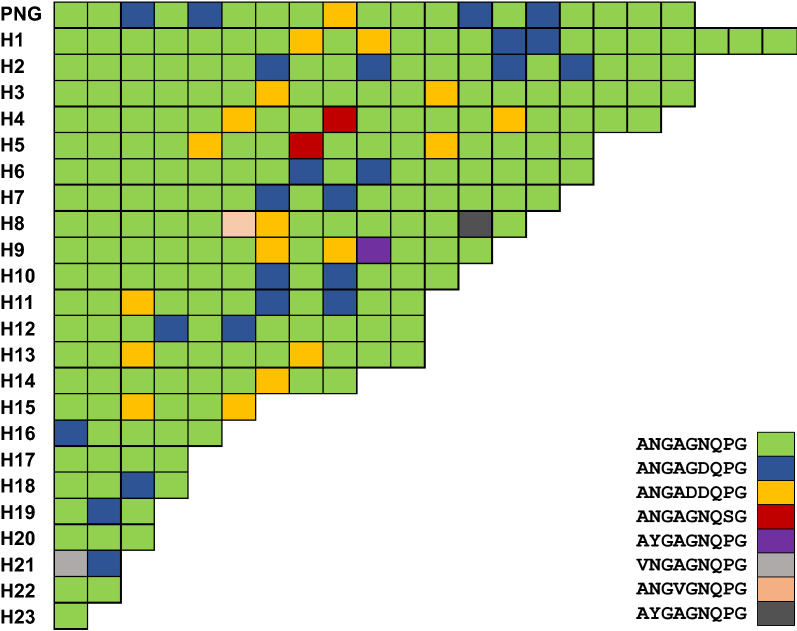
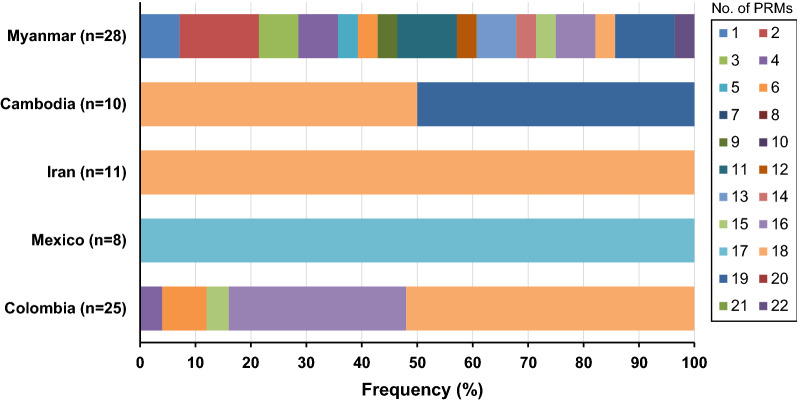
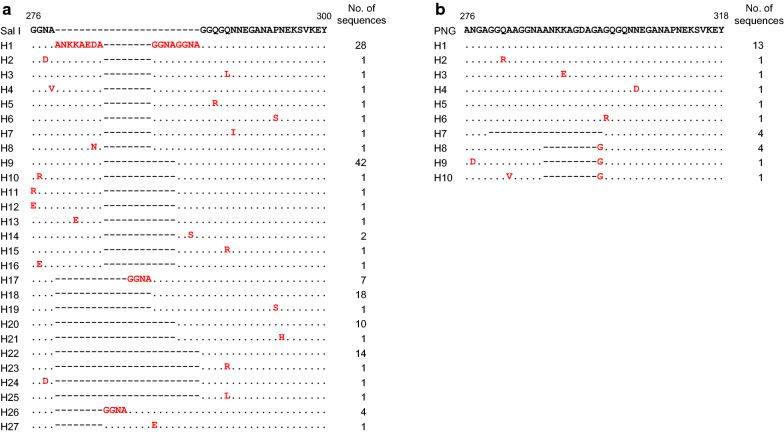
Myanmar pvcsp sequences were divided into two subtypes VK210 and VK247 comprising 143 and 28 sequences, respectively. The VK210 subtypes showed higher levels of genetic diversity and polymorphism than the VK247 subtypes. The N-terminal non-repeat region of pvcsp displayed limited genetic variations in the global population. Different patterns of octapeptide insertion (ANKKAEDA in VK210 and ANKKAGDA in VK247) and tetrapeptide repeat motif (GGNA) were identified in the C-terminal region of global pvcsp population. Meanwhile, the central repeat region (CRR) of Myanmar and global pvcsp, both in VK210 and VK247 variants, was highly polymorphic. The high level of genetic diversity in the CRR has been attributed to the different numbers, types and combinations of peptide repeat motifs (PRMs). Interestingly, 27 and 5 novel PRMs were found in Myanmar VK210 and VK247 variants, respectively.
Comparative analysis of the global pvcsp population suggests a complex genetic profile of pvcsp in the global population. These results widen understanding of the genetic make-up of pvcsp in the global P. vivax population and provide valuable information for the development of a vaccine based on PvCSP.
疟原虫环子孢子蛋白(CSP)已被认为是主要的疫苗候选物之一。含有恶性疟原虫 CSP(PvCSP)的间日疟原虫疫苗的临床试验已证明其在预防疟疾方面的有效性,至少在一定程度上是有效的。然而,自然人群中 pvcsp 的遗传多样性仍然是一个主要关注点。
本研究分析了来自缅甸感染间日疟原虫的 171 份血样。通过聚合酶链反应扩增 pvcsp,然后进行克隆和测序。使用 DNASTAR、MEGA6 和 DnaSP 程序分析缅甸 pvcsp 群体的多态性特征和自然选择。还比较分析了可公开获取的全球 pvcsp 序列的多态性模式和自然选择。
缅甸 pvcsp 序列分为两个亚型 VK210 和 VK247,分别包含 143 和 28 个序列。VK210 亚型的遗传多样性和多态性水平高于 VK247 亚型。pvcsp 的 N 端非重复区在全球人群中显示出有限的遗传变异。在全球 pvcsp 人群的 C 端区发现了不同的八肽插入模式(VK210 中的 ANKKAEDA 和 VK247 中的 ANKKAGDA)和四肽重复基序(GGNA)。同时,缅甸和全球 pvcsp 的中央重复区(CRR)在 VK210 和 VK247 变体中均高度多态。CRR 中的高遗传多样性归因于肽重复基序(PRMs)的数量、类型和组合不同。有趣的是,在缅甸 VK210 和 VK247 变体中分别发现了 27 和 5 个新的 PRM。
对全球 pvcsp 人群的比较分析表明,全球人群中 pvcsp 的遗传特征复杂。这些结果拓宽了对全球间日疟原虫人群中 pvcsp 遗传结构的认识,并为基于 PvCSP 的疫苗的开发提供了有价值的信息。