Barmas-Alamdari Daniel, Sodhi Guneet S, Shenouda Teresa A
Department of Ophthalmology, Eastern Virginia Medical School, Norfolk, VA, USA.
Int Med Case Rep J. 2020 Jul 27;13:297-301. doi: 10.2147/IMCRJ.S260472. eCollection 2020.
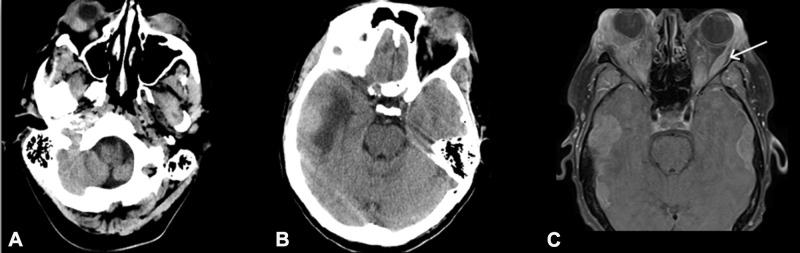
Multiple myeloma is a malignant plasma cell dyscrasia that may invade the orbits in extramedullary presentations. Common manifestations of orbital involvement include unilateral proptosis, injection, chemosis, diplopia, and occasionally pain. Additionally, the soft-tissue tumors associated with multiple myeloma typically cause bony destruction of adjacent structures. However, in certain patients, bilateral proptosis and a lack of bony destruction may occur. In these instances, it is important for physicians to consider patient history, presentation, and progression in order to ensure that a potentially fatal diagnosis is not missed. The reason this case is important is two-fold: 1) we describe a case of an individual with relapsing multiple myeloma presenting as bilateral proptosis and lacking bony destruction, highlighting the importance of understanding the disease process and 2) we discuss why patients with multiple myeloma may be more prone to developing tumors of the orbit in recurrent cases.
多发性骨髓瘤是一种恶性浆细胞异常增生症,在髓外表现时可能侵犯眼眶。眼眶受累的常见表现包括单侧眼球突出、充血、结膜水肿、复视,偶尔还会疼痛。此外,与多发性骨髓瘤相关的软组织肿瘤通常会导致相邻结构的骨质破坏。然而,在某些患者中,可能会出现双侧眼球突出且无骨质破坏的情况。在这些情况下,医生必须考虑患者的病史、表现和病情进展,以确保不遗漏潜在的致命诊断。该病例之所以重要有两个原因:1)我们描述了一例复发性多发性骨髓瘤患者表现为双侧眼球突出且无骨质破坏的病例,强调了了解疾病过程的重要性;2)我们讨论了为什么多发性骨髓瘤患者在复发时更容易发生眼眶肿瘤。