Seidler Stéphanie J, Huber Alexandre, Nef James, Huber Daniela E
Gynecologic and Breast Cancer Surgery, Hôpital Européen Georges Pompidou, Paris, France.
Department of Medical Oncology, Centre Hospitalier Universitaire Vaudois, Lausanne, Switzerland.
Case Rep Oncol. 2020 Jul 31;13(2):935-940. doi: 10.1159/000508532. eCollection 2020 May-Aug.
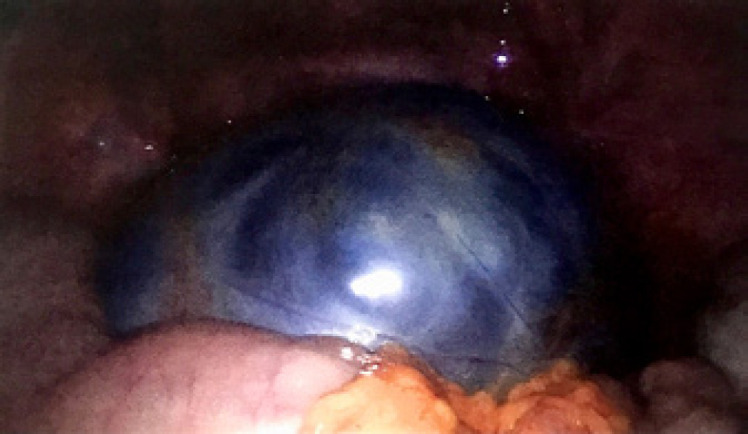
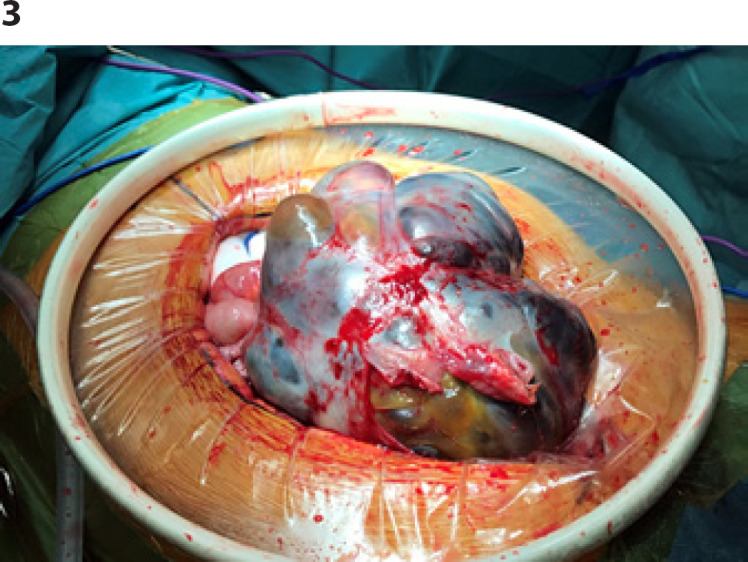
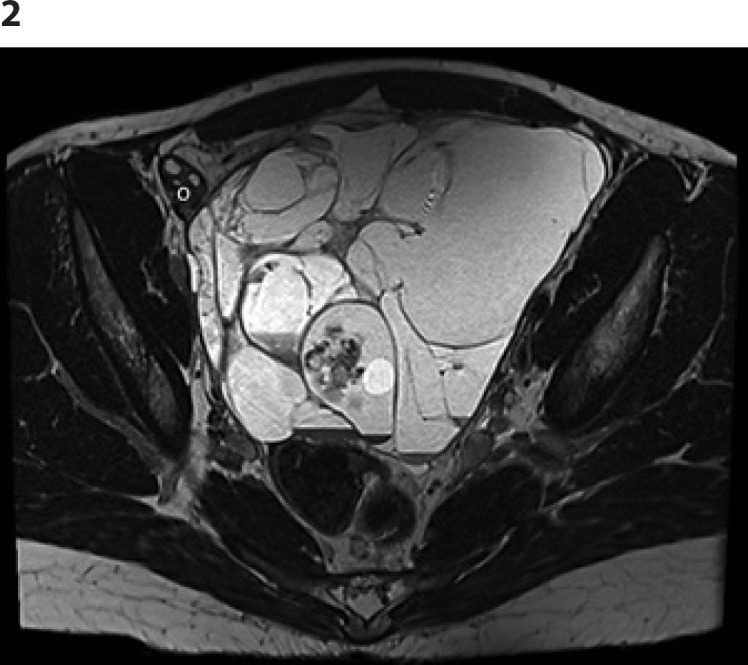
Sertoli-Leydig cell ovarian tumors (SLCT) are rare ovarian tumors of the sex cord-stroma subset. Their incidence peaks in the second to third decade of life. Most SCLT are diagnosed at an early stage and have a good prognosis. Fertility-sparing surgery may thus be offered. Adjuvant chemotherapy may be indicated according to prognostic factors. However, outcome in relapsing SLCT is poor. There is no evidence supporting a best treatment option upon relapse, but most publications combine radical surgery, chemotherapy, and rarely radiotherapy. Two years after left adnexectomy for FIGO IA SLCT, a now 22-year-old patient presented with peritoneal recurrence without involvement of the remaining ovary and uterus. Since there is no evidence of a survival benefit in the literature of macroscopically healthy contralateral ovary ablation in relapse and hormonal replacement therapy is contraindicative, we consented to endocrine-sparing surgery with conservation of the contralateral ovary, followed by 3 cycles of BEP chemotherapy regimen. Our patient is disease-free 16 months after relapse diagnosis. Since recurrence of SLCT has a very poor prognosis and hormonal treatment is contraindicated, endocrine-sparing surgery for young patients with a normal contralateral ovary might be a legitimate option. This is one of the first reported cases of conservative surgery in SLCT recurrence, we therefore aimed to illustrate its management in a young patient with considerations of contraception, fertility- and then endocrine-sparing surgery, and quality of life.
支持细胞-间质细胞瘤(SLCT)是性索-间质亚群中罕见的卵巢肿瘤。其发病率在生命的第二个十年到第三个十年达到峰值。大多数SCLT在早期被诊断出来,预后良好。因此可以提供保留生育功能的手术。根据预后因素可能需要辅助化疗。然而,复发性SLCT的预后很差。没有证据支持复发时的最佳治疗方案,但大多数出版物将根治性手术、化疗和很少使用的放疗结合起来。在因FIGO IA期SLCT行左侧附件切除术后两年,一名22岁的患者出现腹膜复发,未累及剩余的卵巢和子宫。由于在文献中没有证据表明复发时对肉眼健康的对侧卵巢进行消融能带来生存益处,且激素替代疗法是禁忌的,我们同意进行保留对侧卵巢的内分泌保留手术,随后进行3个周期的BEP化疗方案。我们的患者在复发诊断后16个月无疾病。由于SLCT复发的预后非常差且激素治疗是禁忌的,对于对侧卵巢正常的年轻患者,内分泌保留手术可能是一个合理的选择。这是首次报道的SLCT复发保守手术病例之一,因此我们旨在说明在一名年轻患者中对避孕、生育以及随后的内分泌保留手术和生活质量进行综合考虑后的治疗管理。