Translational Research Program, Public Health Sciences Division, Fred Hutchinson Cancer Research Center, Seattle, Washington; Department of Pharmacology and Chemical Biology, School of Medicine, University of Pittsburgh, Pittsburgh, Pennsylvania.
Translational Research Program, Public Health Sciences Division, Fred Hutchinson Cancer Research Center, Seattle, Washington.
Cell Mol Gastroenterol Hepatol. 2021;11(2):503-524. doi: 10.1016/j.jcmgh.2020.08.013. Epub 2020 Sep 5.
BACKGROUND & AIMS: Notch signaling coordinates cell differentiation processes in the intestinal epithelium. The transcription factor Nrf2 orchestrates defense mechanisms by regulating cellular redox homeostasis, which, as shown previously in murine liver, can be amplified through signaling crosstalk with the Notch pathway. However, interplay between these 2 signaling pathways in the gut is unknown.
Mice modified genetically to amplify Nrf2 in the intestinal epithelium (Keap1::VilCre) were generated as well as pharmacological activation of Nrf2 and subjected to phenotypic and cell lineage analyses. Cell lines were used for reporter gene assays together with Nrf2 overexpression to study transcriptional regulation of the Notch downstream effector.
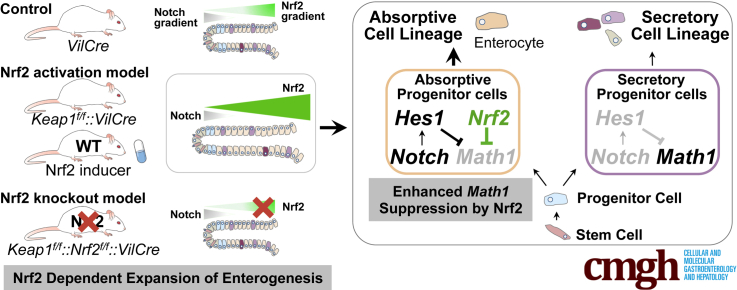
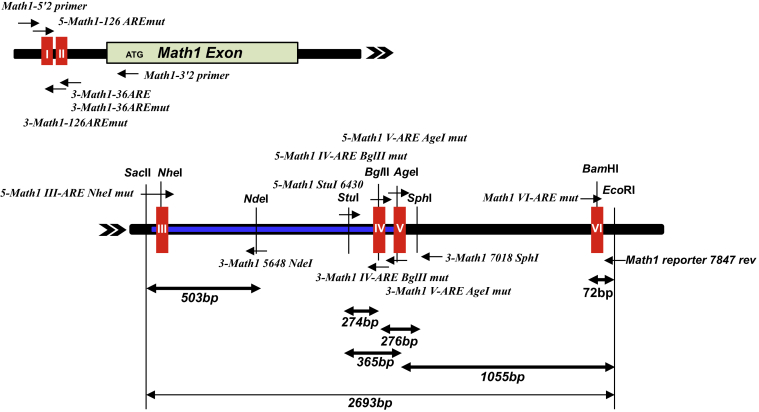
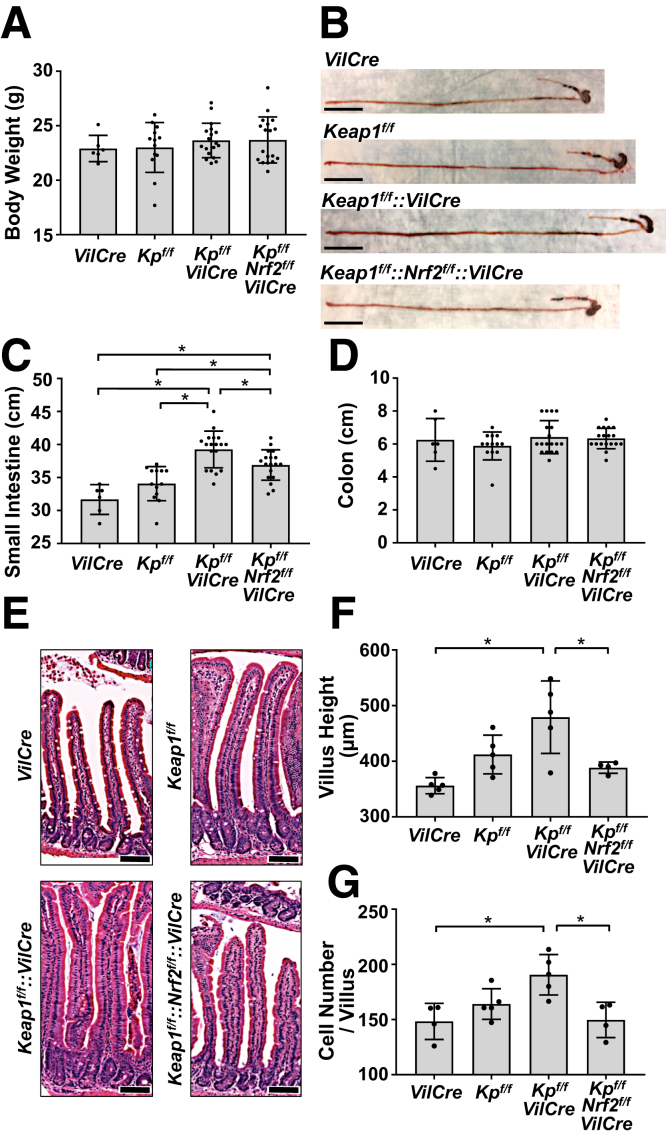
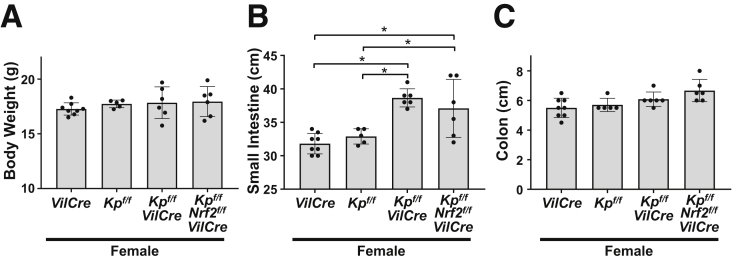
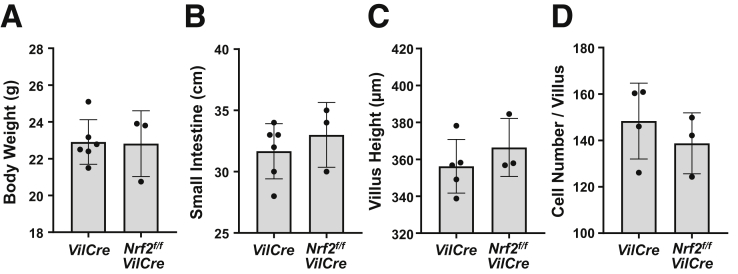
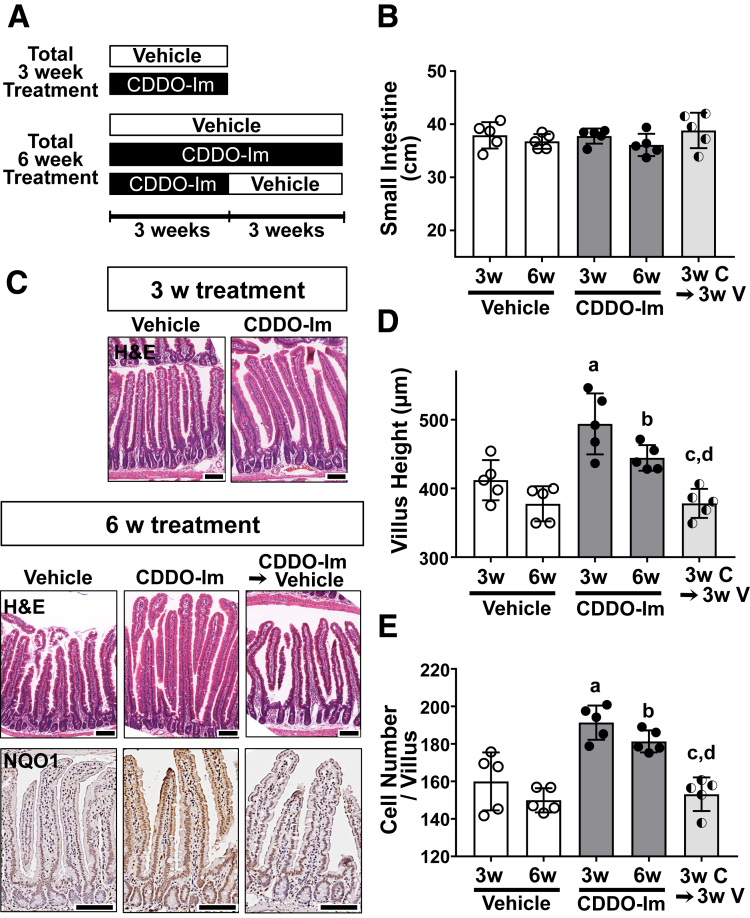
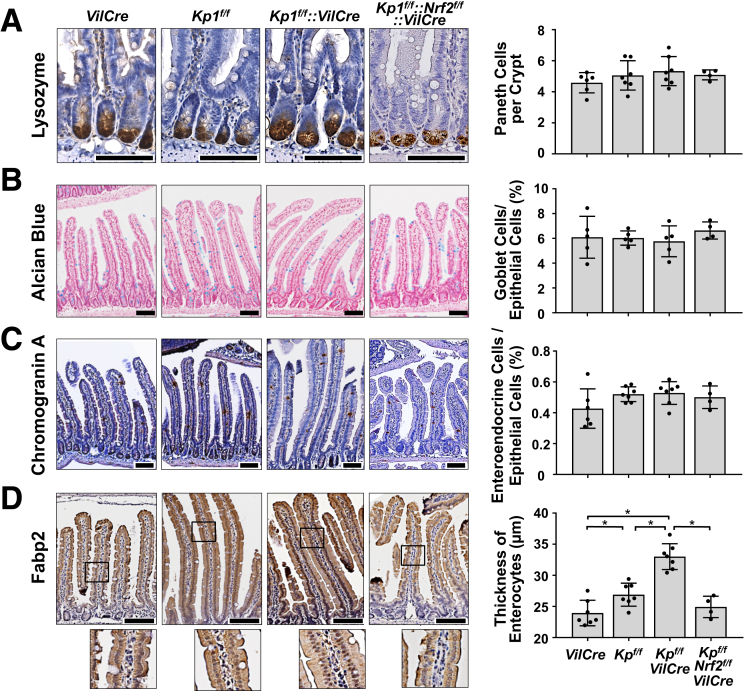
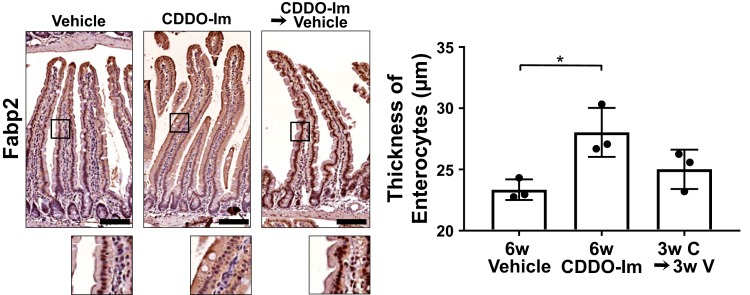
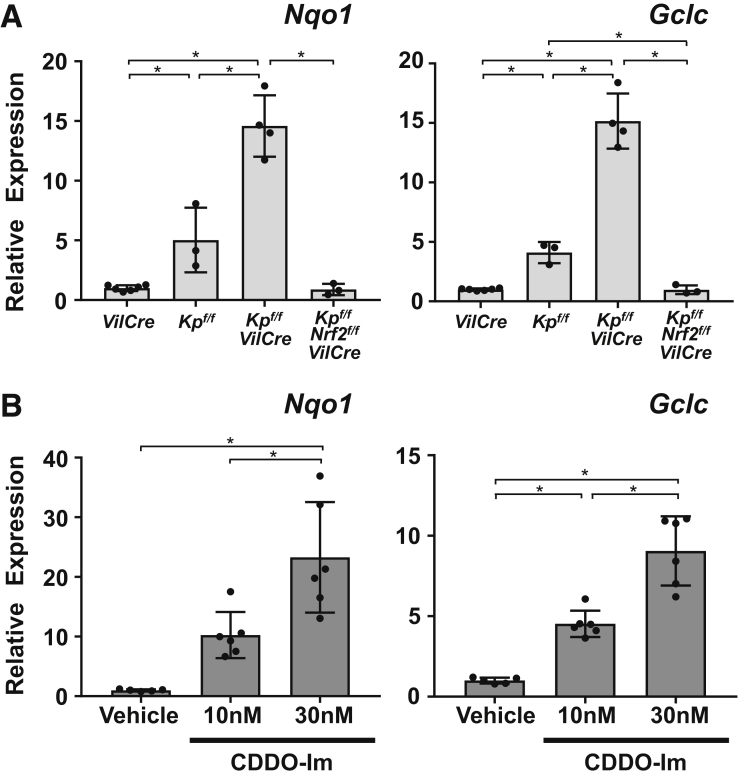
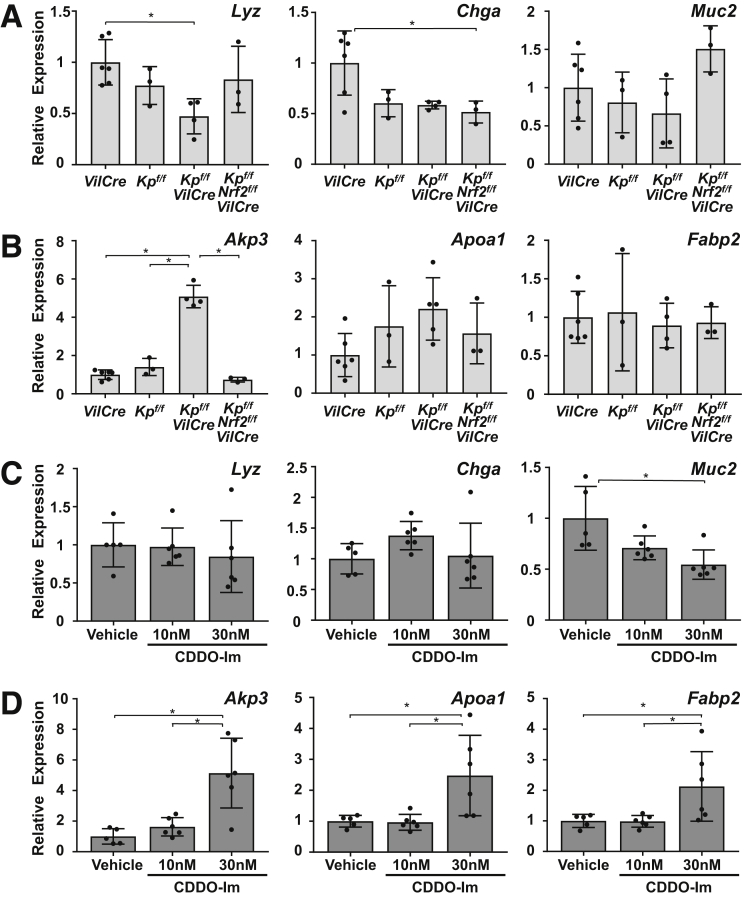
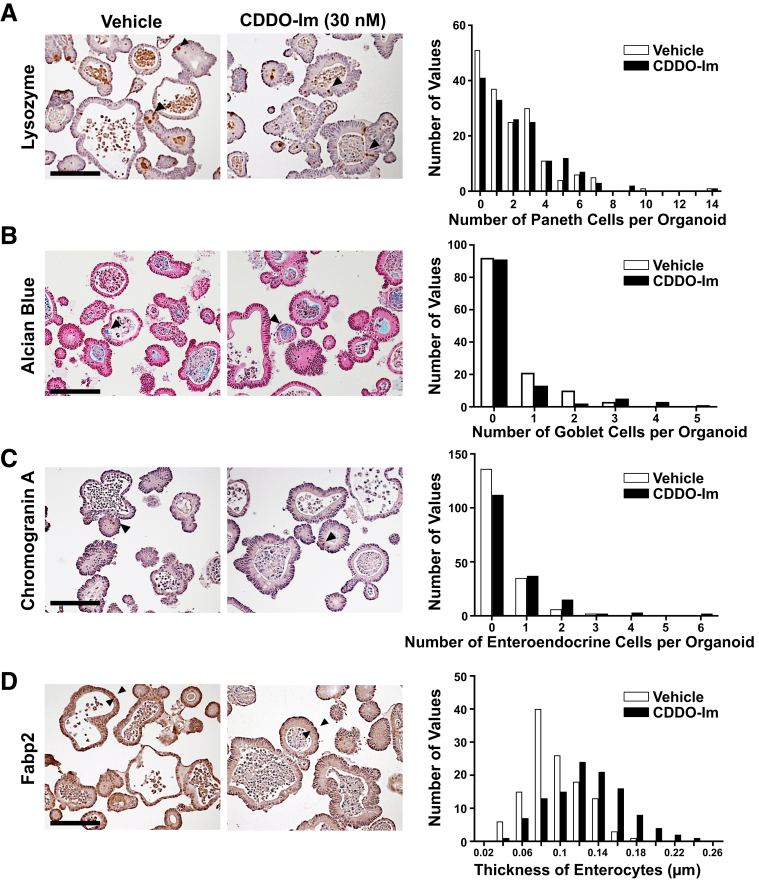
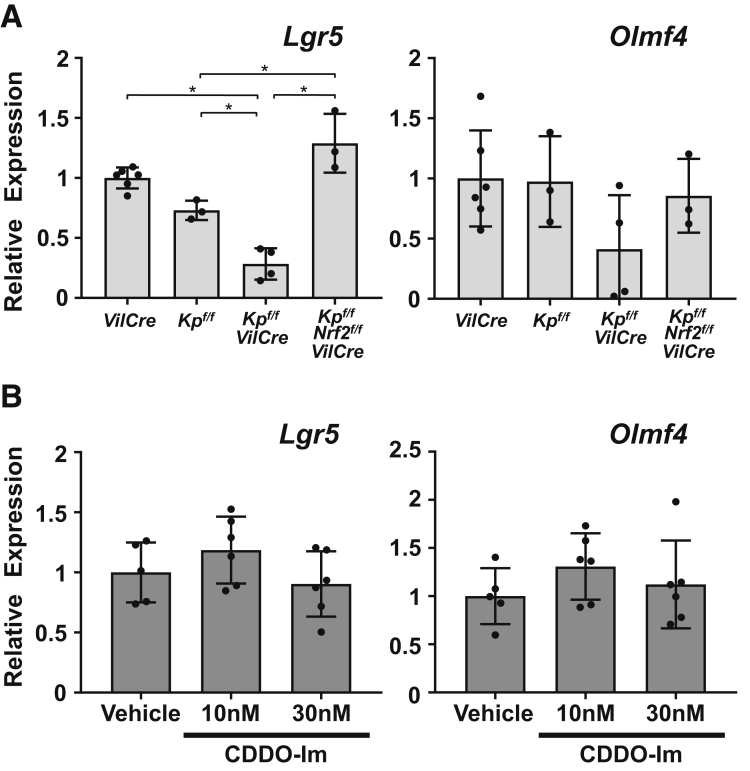
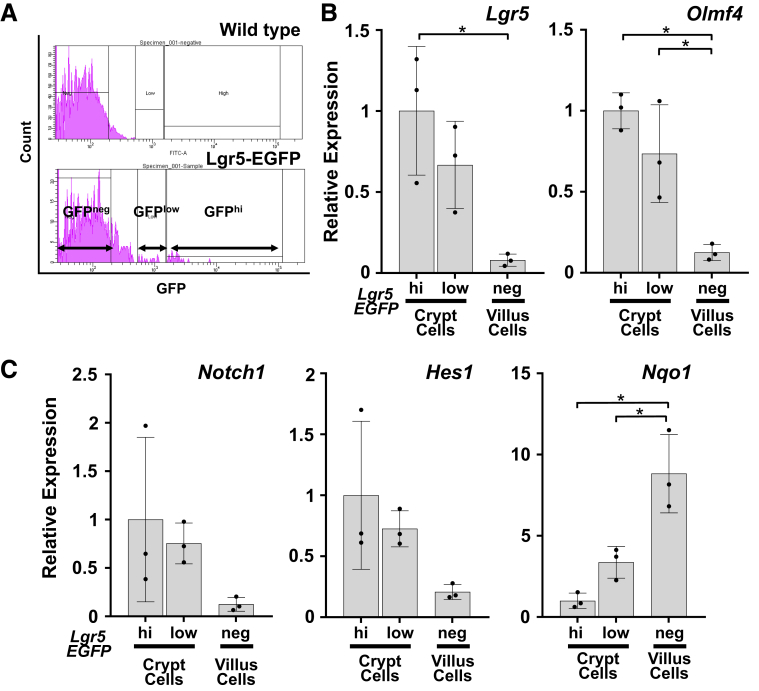
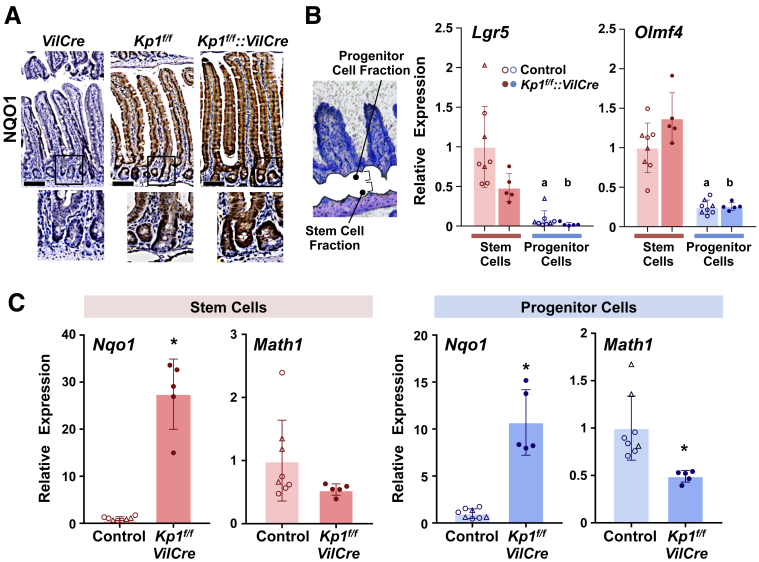
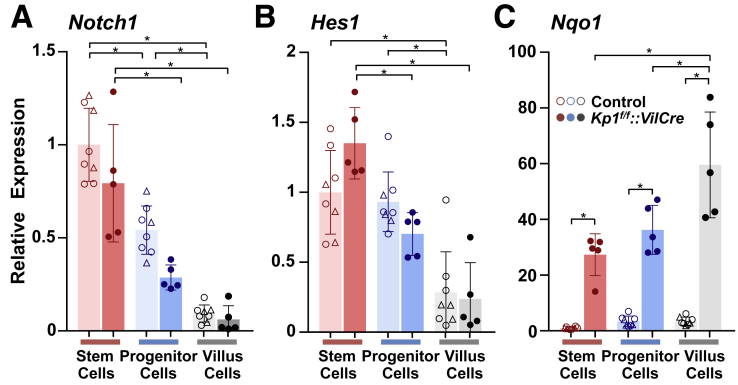
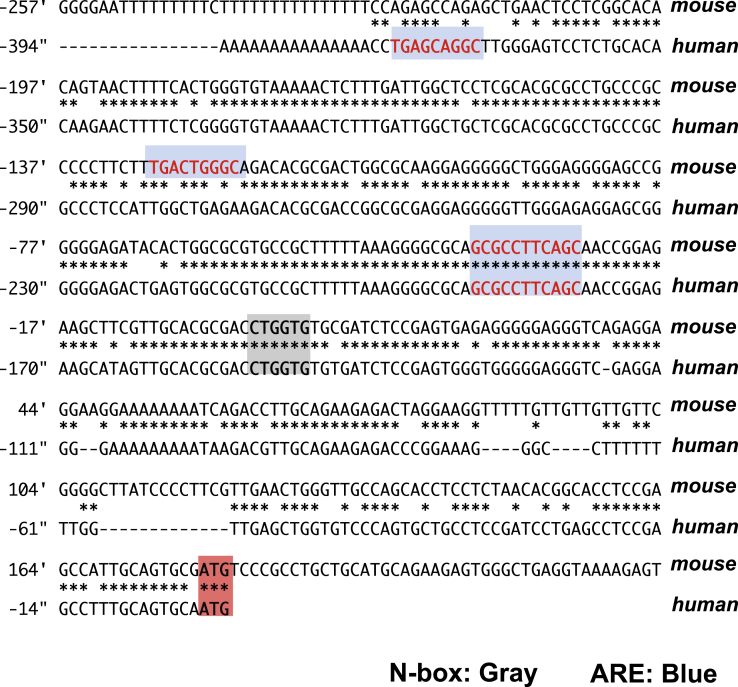
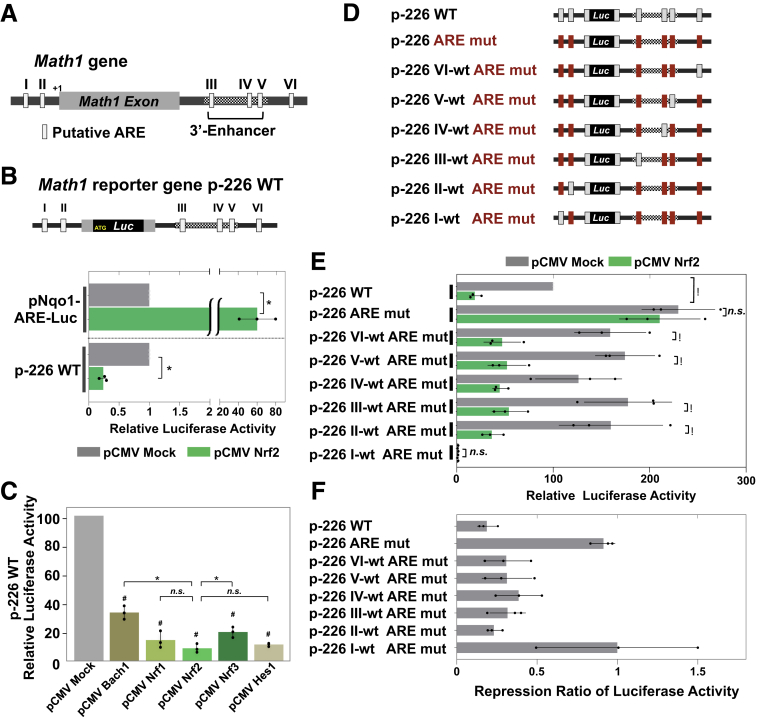
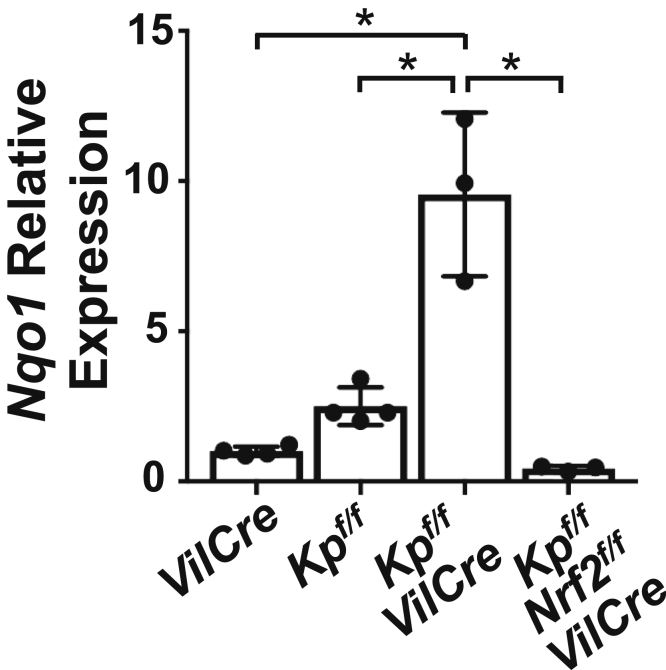
Constitutive activation of Nrf2 signaling caused increased intestinal length along with expanded cell number and thickness of enterocytes without any alterations of secretory lineage, outcomes abrogated by concomitant disruption of Nrf2. The Nrf2 and Notch pathways in epithelium showed inverse spatial profiles, where Nrf2 activity in crypts was lower than villi. In progenitor cells of Keap1::VilCre mice, Notch downstream effector Math1, which regulates a differentiation balance of cell lineage through lateral inhibition, showed suppressed expression. In vitro results demonstrated Nrf2 negatively regulated Math1, where 6 antioxidant response elements located in the regulatory regions contributed to this repression.
Activation of Nrf2 perturbed the dialog of the Notch cascade though negative regulation of Math1 in progenitor cells, leading to enhanced enterogenesis. The crosstalk between the Nrf2 and Notch pathways could be critical for fine-tuning intestinal homeostasis and point to new approaches for the pharmacological management of absorptive deficiencies.
Notch 信号通路在肠道上皮细胞的分化过程中起着协调作用。转录因子 Nrf2 通过调节细胞氧化还原稳态来协调防御机制,先前的研究表明,在小鼠肝脏中,这种稳态可以通过与 Notch 通路的信号串扰来放大。然而,这两种信号通路在肠道中的相互作用尚不清楚。
我们构建了肠道上皮细胞中 Nrf2 基因扩增的基因修饰小鼠(Keap1::VilCre),并对 Nrf2 进行了药理学激活,然后进行表型和细胞谱系分析。我们使用细胞系进行报告基因检测,并进行 Nrf2 过表达,以研究 Notch 下游效应物的转录调控。
Nrf2 信号通路的持续激活导致肠道长度增加,同时肠细胞数量和厚度增加,但分泌谱系没有任何改变,而 Nrf2 的同时缺失则消除了这些结果。上皮细胞中的 Nrf2 和 Notch 通路表现出相反的空间分布模式,其中 Nrf2 在隐窝中的活性低于绒毛。在 Keap1::VilCre 小鼠的祖细胞中,调节细胞谱系分化平衡的 Notch 下游效应物 Math1 的表达受到抑制。体外结果表明,Nrf2 负调控 Math1,而位于调节区域的 6 个抗氧化反应元件有助于这种抑制。
Nrf2 的激活通过负调控祖细胞中的 Math1 破坏了 Notch 级联的对话,从而增强了肠发生。Nrf2 和 Notch 通路之间的串扰可能对肠道内稳态的精细调节至关重要,并为吸收缺陷的药理学治疗指出了新的方法。