Wallenberg Laboratory, Department of Molecular and Clinical Medicine, Institute of Medicine, University of Gothenburg, Gothenburg, Sweden; Laboratory for Molecular Infection Medicine Sweden (MIMS), Department of Molecular Biology, Umeå University, Umeå, Sweden.
Department of Medical BiochemistryInstitute of Biomedicine, University of Gothenburg, Gothenburg, Sweden.
J Biol Chem. 2020 Nov 13;295(46):15712-15726. doi: 10.1074/jbc.RA120.015771. Epub 2020 Sep 8.
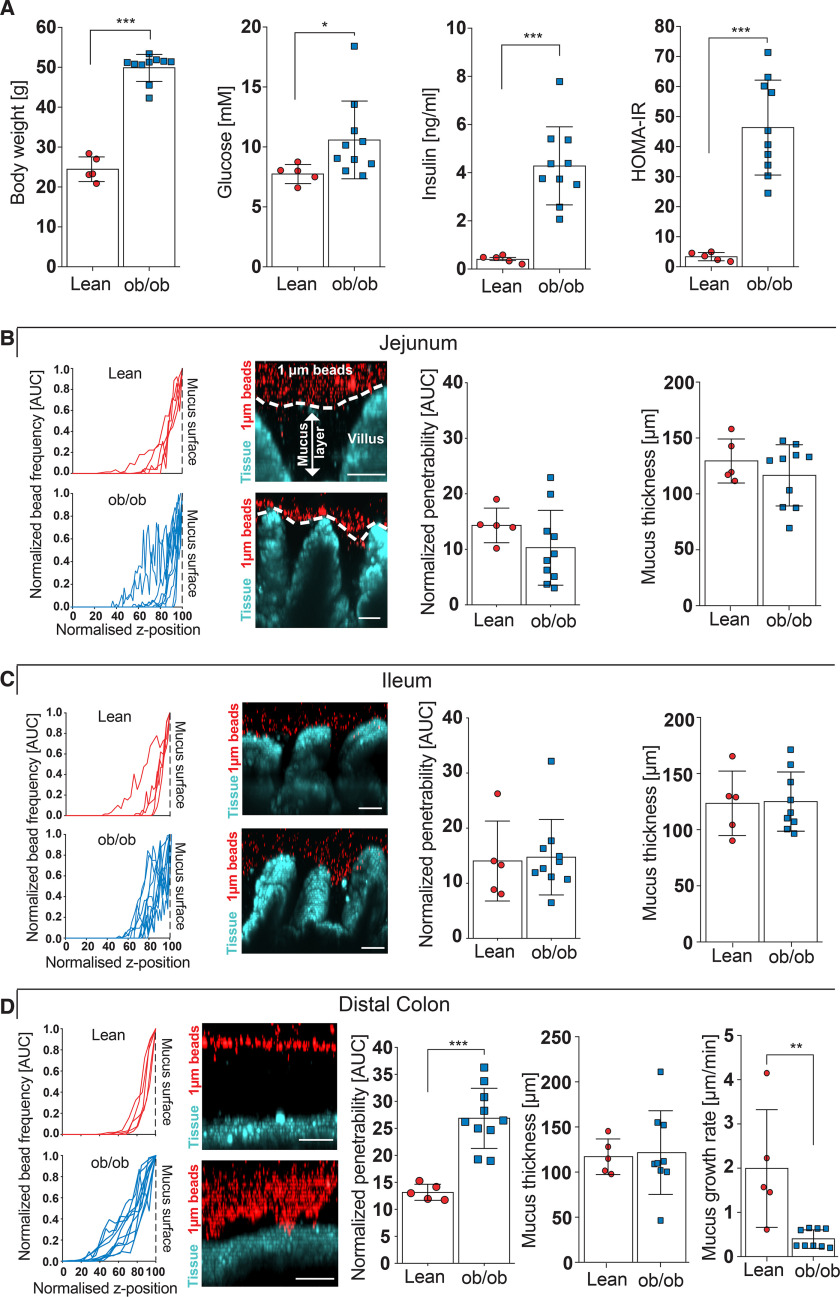
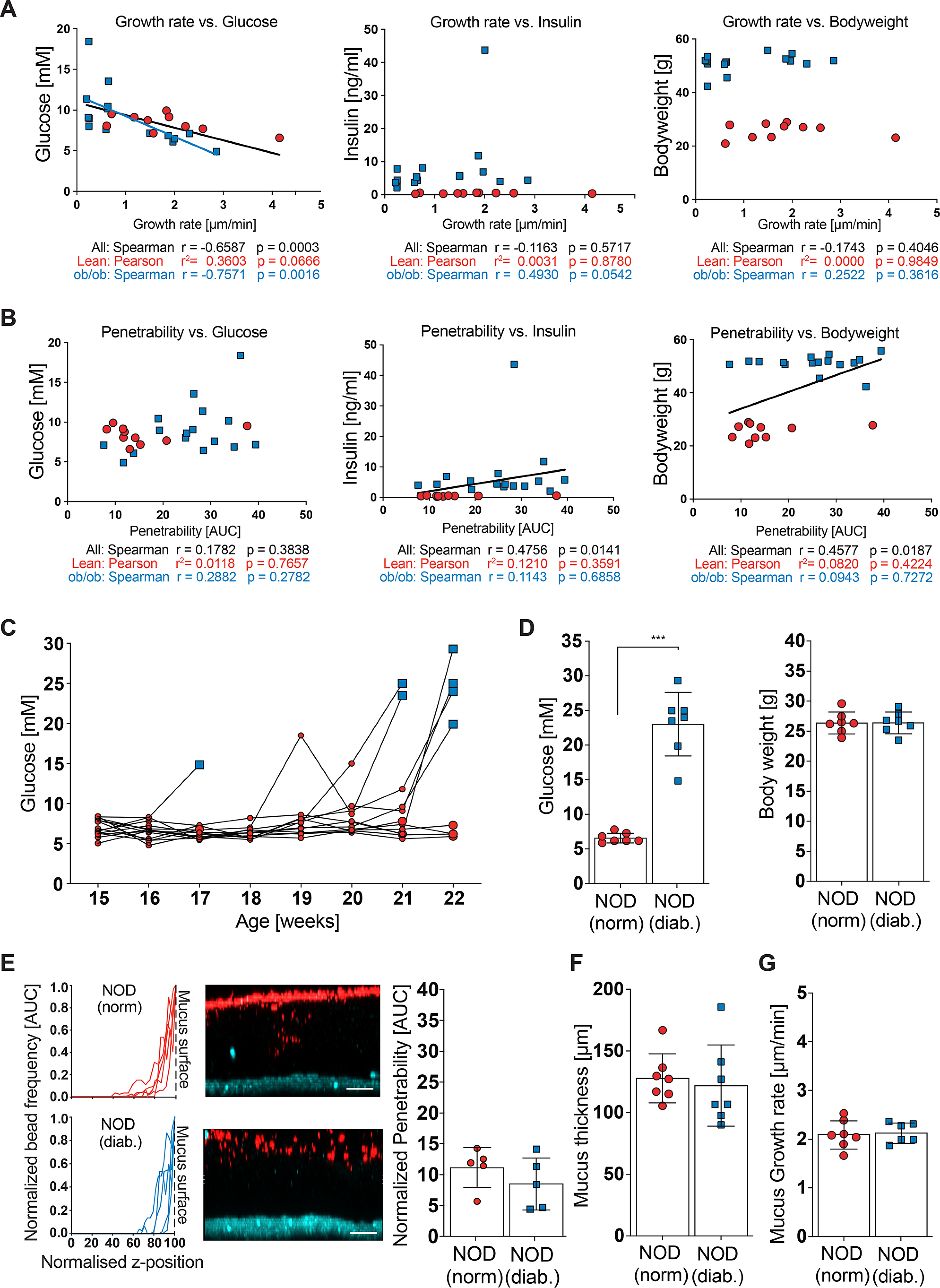
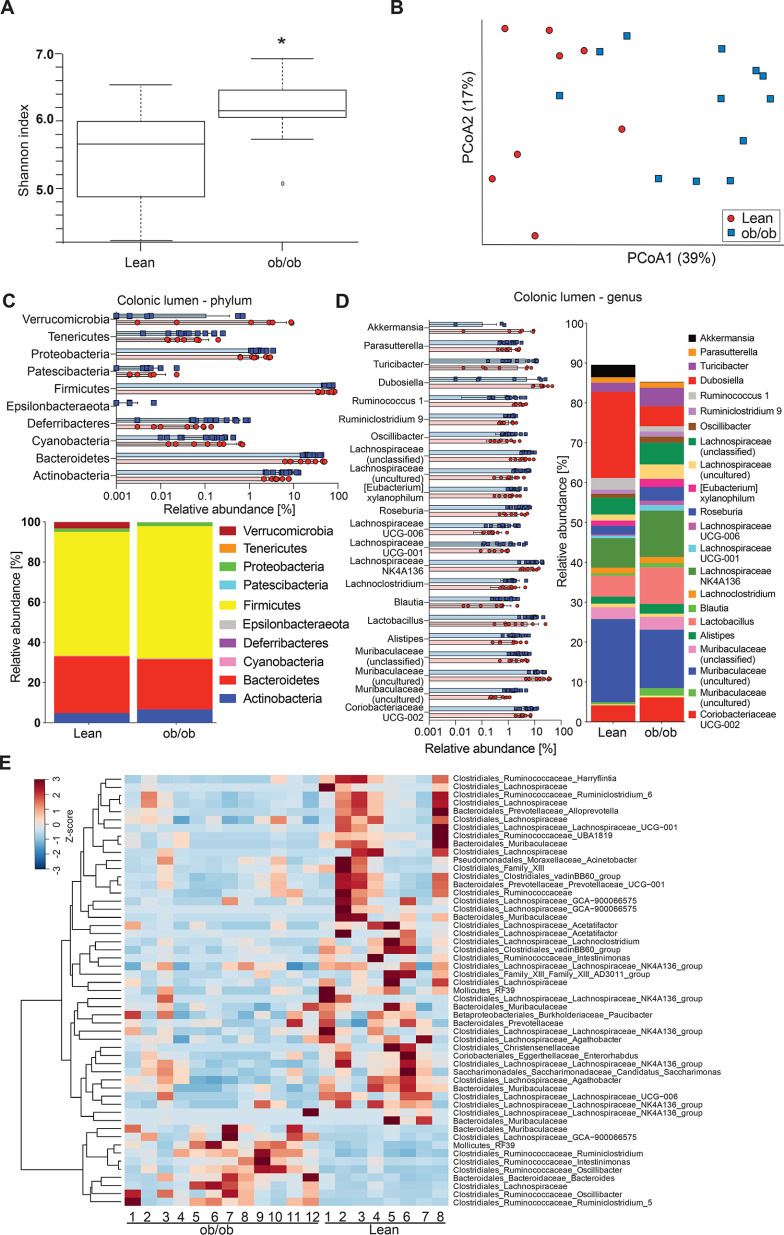
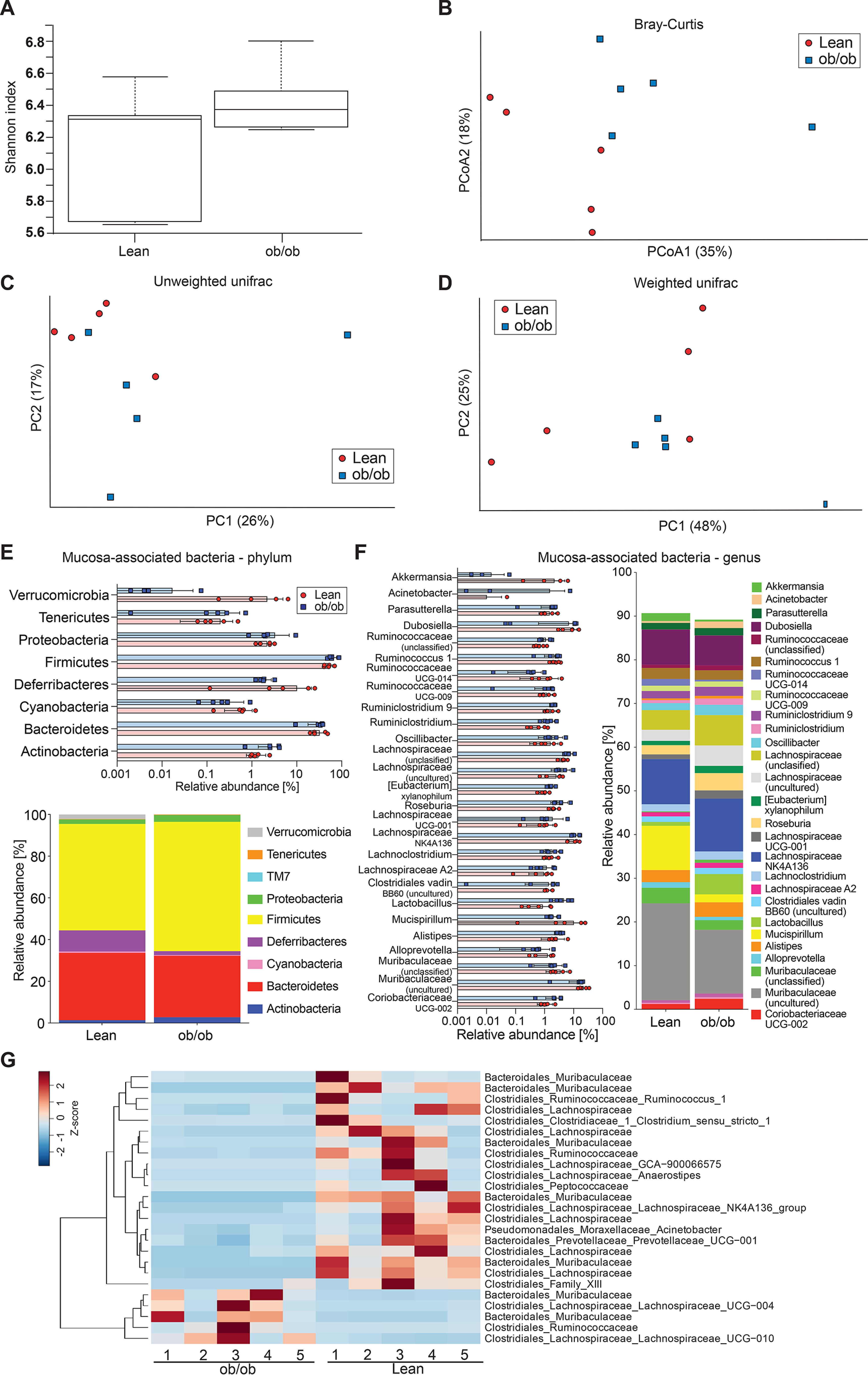
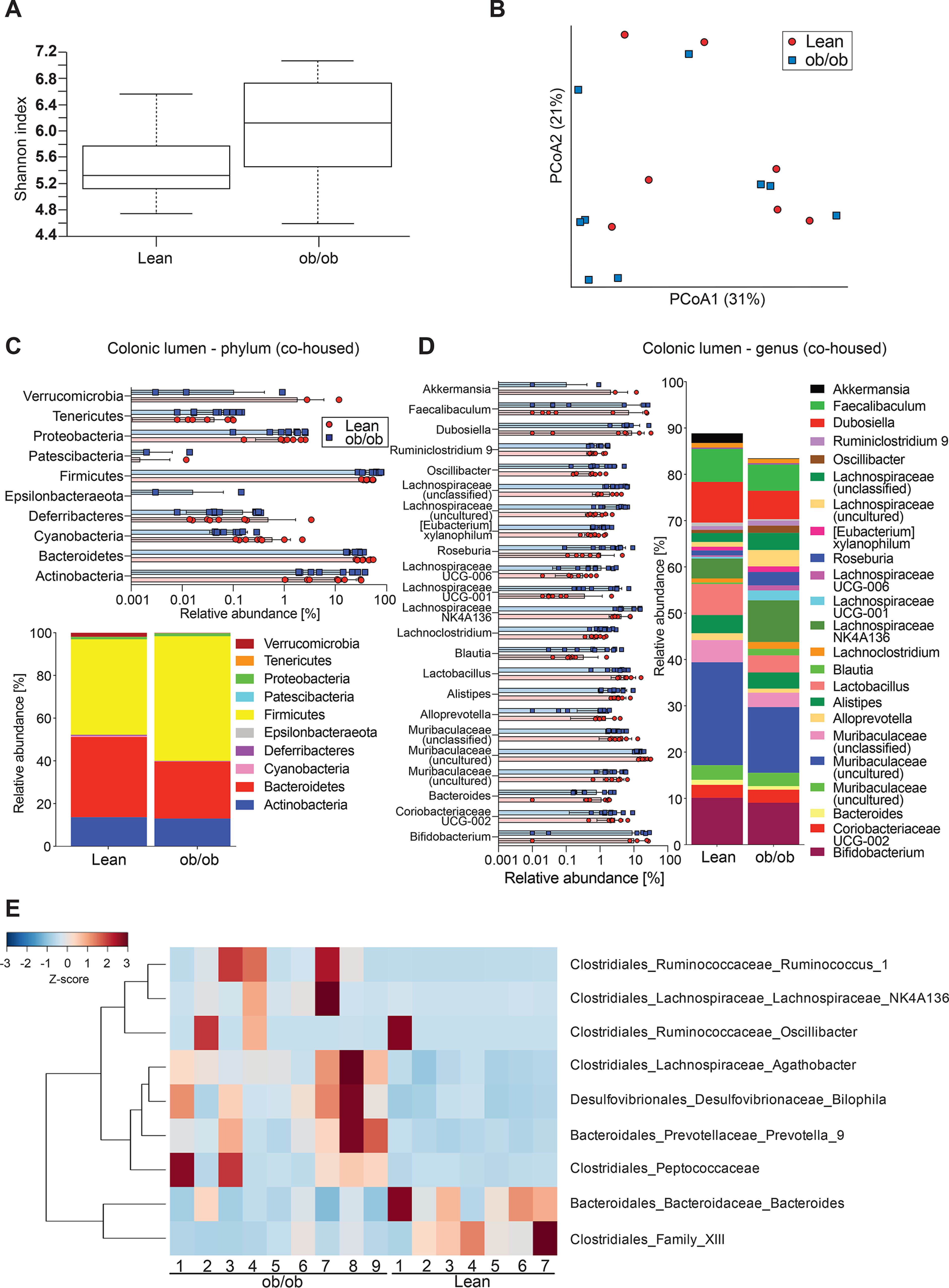
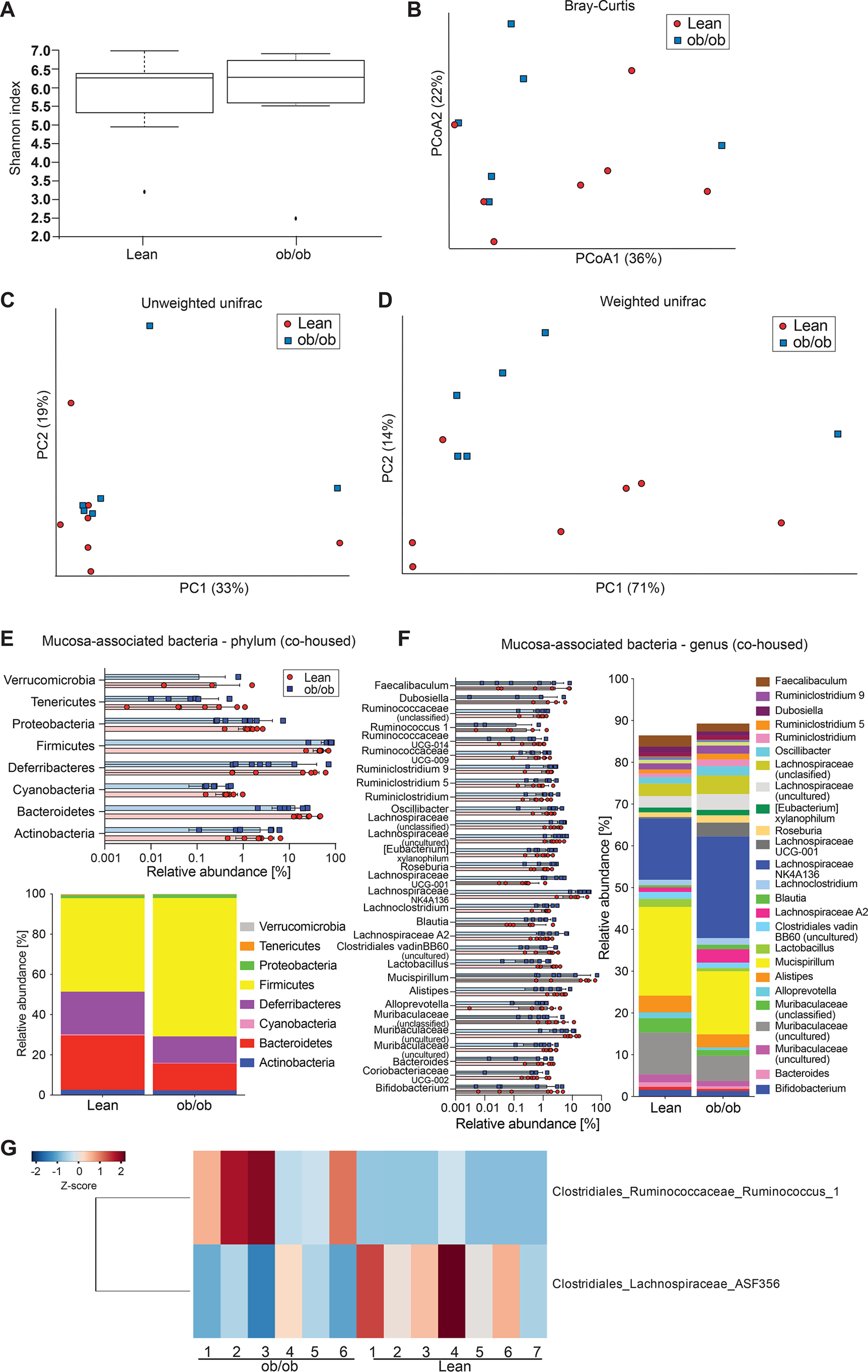
The intestinal mucus layer is a physical barrier separating the tremendous number of gut bacteria from the host epithelium. Defects in the mucus layer have been linked to metabolic diseases, but previous studies predominantly investigated mucus function during high-caloric/low-fiber dietary interventions, thus making it difficult to separate effects mediated directly through diet quality from potential obesity-dependent effects. As such, we decided to examine mucus function in mouse models with metabolic disease to distinguish these factors. Here we show that, in contrast to their lean littermates, genetically obese (ob/ob) mice have a defective inner colonic mucus layer that is characterized by increased penetrability and a reduced mucus growth rate. Exploiting the coprophagic behavior of mice, we next co-housed ob/ob and lean mice to investigate if the gut microbiota contributed to these phenotypes. Co-housing rescued the defect of the mucus growth rate, whereas mucus penetrability displayed an intermediate phenotype in both mouse groups. Of note, non-obese diabetic mice with high blood glucose levels displayed a healthy colonic mucus barrier, indicating that the mucus defect is obesity- rather than glucose-mediated. Thus, our data suggest that the gut microbiota community of obesity-prone mice may regulate obesity-associated defects in the colonic mucosal barrier, even in the presence of dietary fiber.
肠黏液层是一个物理屏障,将大量肠道细菌与宿主上皮组织隔离开来。黏液层的缺陷与代谢性疾病有关,但以前的研究主要集中在高脂肪/低纤维饮食干预期间黏液的功能,因此很难将通过饮食质量直接介导的作用与潜在的肥胖依赖性作用区分开来。因此,我们决定在患有代谢性疾病的小鼠模型中检查黏液功能,以区分这些因素。在这里,我们发现与它们的瘦同胞相比,遗传性肥胖(ob/ob)小鼠的结肠内层黏液层存在缺陷,其特征是通透性增加和黏液生长速度降低。利用小鼠的食粪行为,我们接下来将 ob/ob 和瘦小鼠共同饲养,以研究肠道微生物群是否促成了这些表型。共同饲养挽救了黏液生长速度的缺陷,而黏液通透性在两组小鼠中均表现出中间表型。值得注意的是,血糖水平较高的非肥胖型糖尿病小鼠表现出健康的结肠黏液屏障,表明黏液缺陷是肥胖介导的,而不是葡萄糖介导的。因此,我们的数据表明,肥胖易感小鼠的肠道微生物群落可能调节与肥胖相关的结肠黏膜屏障缺陷,即使存在膳食纤维也是如此。