Rankin Iain A, Nguyen Thuy-Tien, Carpanen Diagarajen, Clasper Jonathan C, Masouros Spyros D
Department of Bioengineering, Imperial College London, London, United Kingdom.
Department of Trauma and Orthopaedic Surgery, Frimley Park Hospital, Frimley, United Kingdom.
Front Bioeng Biotechnol. 2020 Aug 13;8:960. doi: 10.3389/fbioe.2020.00960. eCollection 2020.
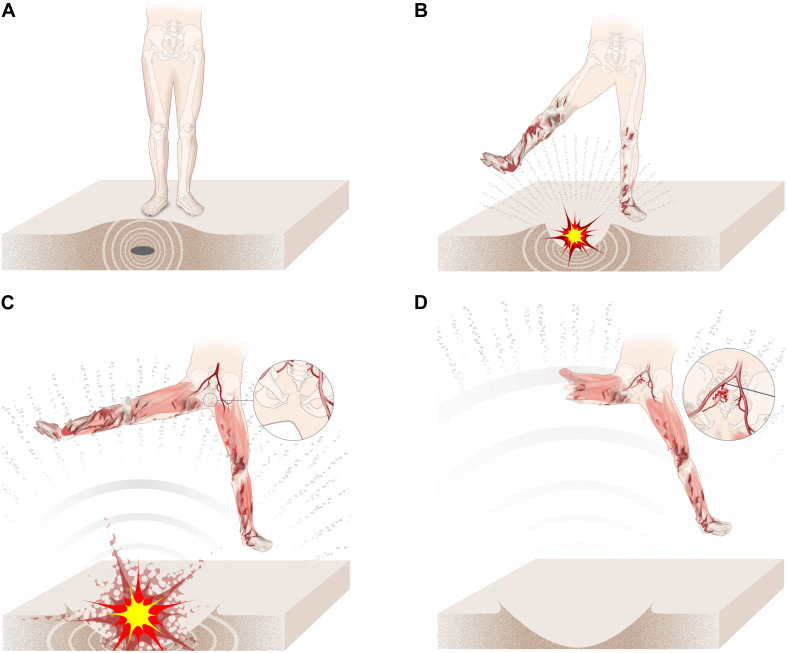
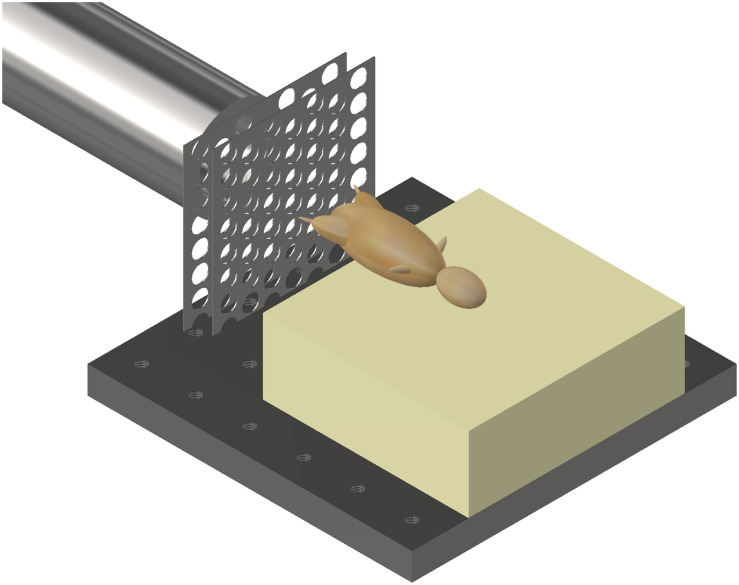
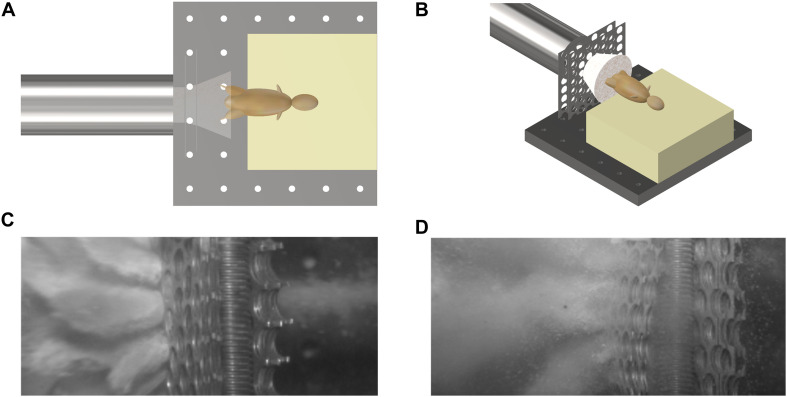
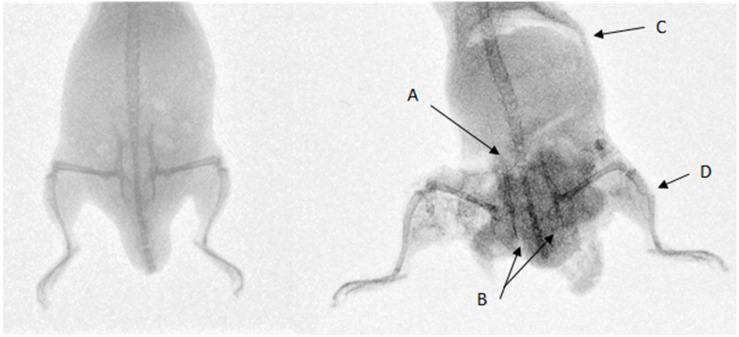
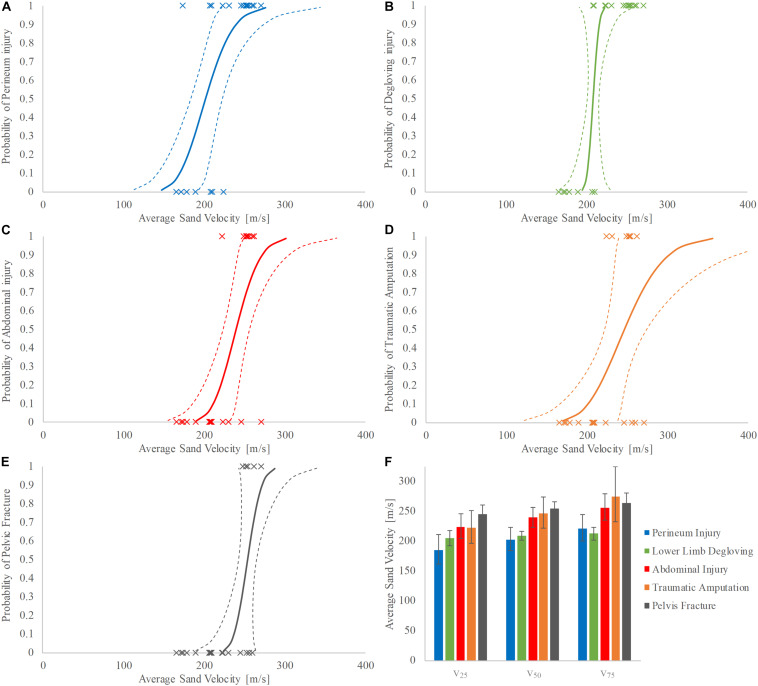
Dismounted complex blast injury (DCBI) has been one of the most severe forms of trauma sustained in recent conflicts. This injury has been partially attributed to limb flail; however, the full causative mechanism has not yet been fully determined. Soil ejecta has been hypothesized as a significant contributor to the injury but remains untested. In this study, a small-animal model of gas-gun mediated high velocity sand blast was used to investigate this mechanism. The results demonstrated a correlation between increasing sand blast velocity and injury patterns of worsening severity across the trauma range. This study is the first to replicate high velocity sand blast and the first model to reproduce the pattern of injury seen in DCBI. These findings are consistent with clinical and battlefield data. They represent a significant change in the understanding of blast injury, producing a new mechanistic theory of traumatic amputation. This mechanism of traumatic amputation is shown to be high velocity sand blast causing the initial tissue disruption, with the following blast wind and resultant limb flail completing the amputation. These findings implicate high velocity sand blast, in addition to limb flail, as a critical mechanism of injury in the dismounted blast casualty.
下车复合性爆炸伤(DCBI)一直是近期冲突中最严重的创伤形式之一。这种损伤部分归因于肢体连枷样摆动;然而,其完整的致病机制尚未完全明确。土壤抛射物被认为是造成这种损伤的一个重要因素,但尚未得到验证。在本研究中,使用气枪介导的高速喷砂小动物模型来研究这一机制。结果表明,在整个创伤范围内,喷砂速度增加与损伤严重程度加重的损伤模式之间存在相关性。本研究首次复制了高速喷砂,也是第一个再现DCBI中所见损伤模式的模型。这些发现与临床和战场数据一致。它们代表了对爆炸伤认识的重大变化,产生了一种新的创伤性截肢机制理论。这种创伤性截肢机制表明,高速喷砂导致最初的组织破坏,随后的爆炸风及由此产生的肢体连枷样摆动完成截肢。这些发现表明,除肢体连枷样摆动外,高速喷砂也是下车爆炸伤员的关键致伤机制。