Ghobashy Mohamed Mohamady, Alshangiti Dalal Mohamed, Alkhursani Sheikha A, Al-Gahtany Samera Ali, Shokr Fathiah Salem, Madani Mohamed
Radiation Research of Polymer Chemistry Department, National Center for Radiation Research and Technology (NCRRT), Atomic Energy Authority, P.O.Box.29, Nasr City, Cairo 11787, Egypt.
Faculty of Science and Humanities - Jubail, Imam Abdulrahman Bin Faisal University, Jubail 35811, Saudi Arabia.
ACS Omega. 2020 Aug 18;5(34):21476-21487. doi: 10.1021/acsomega.0c01910. eCollection 2020 Sep 1.
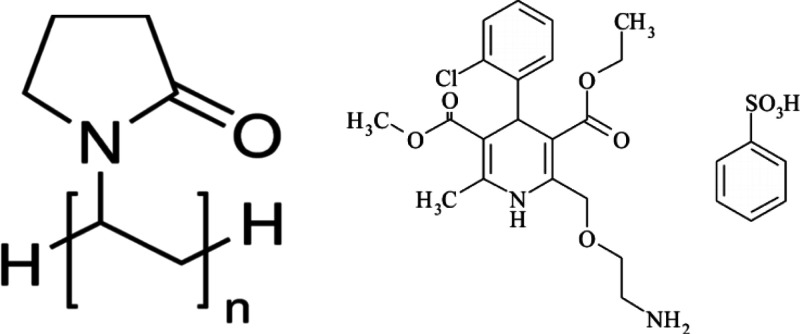
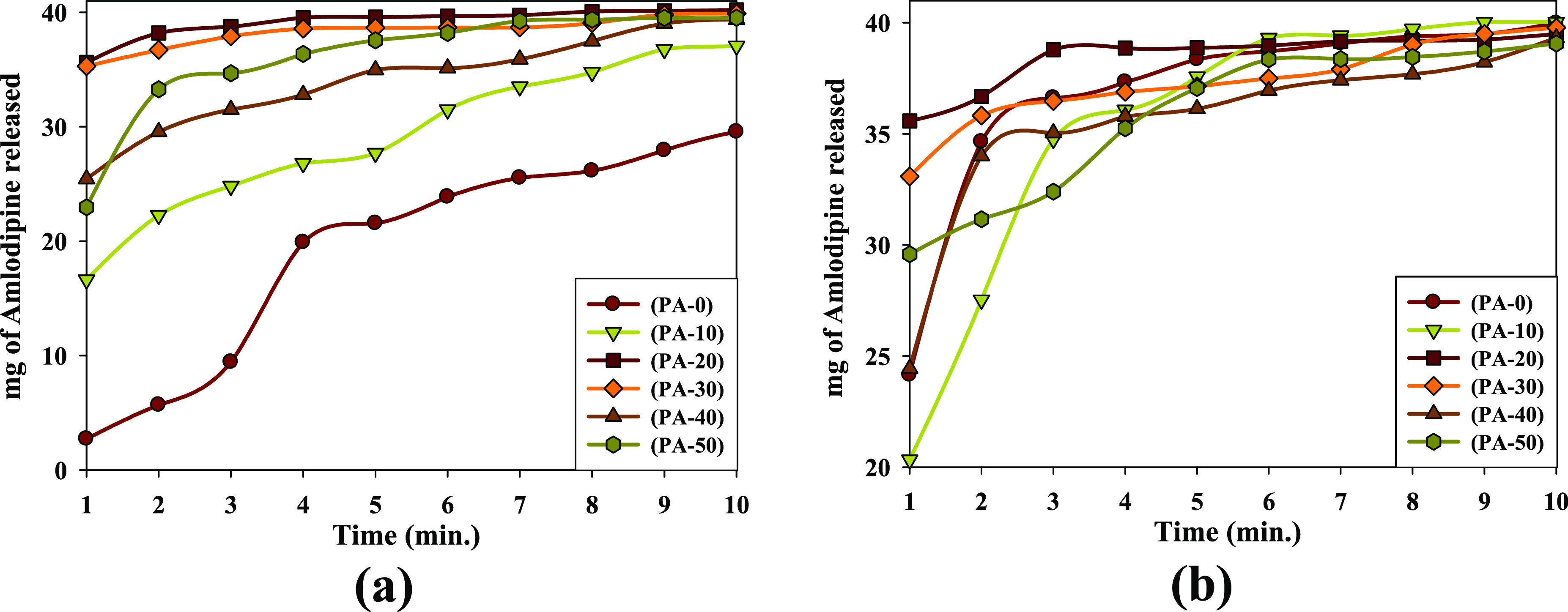
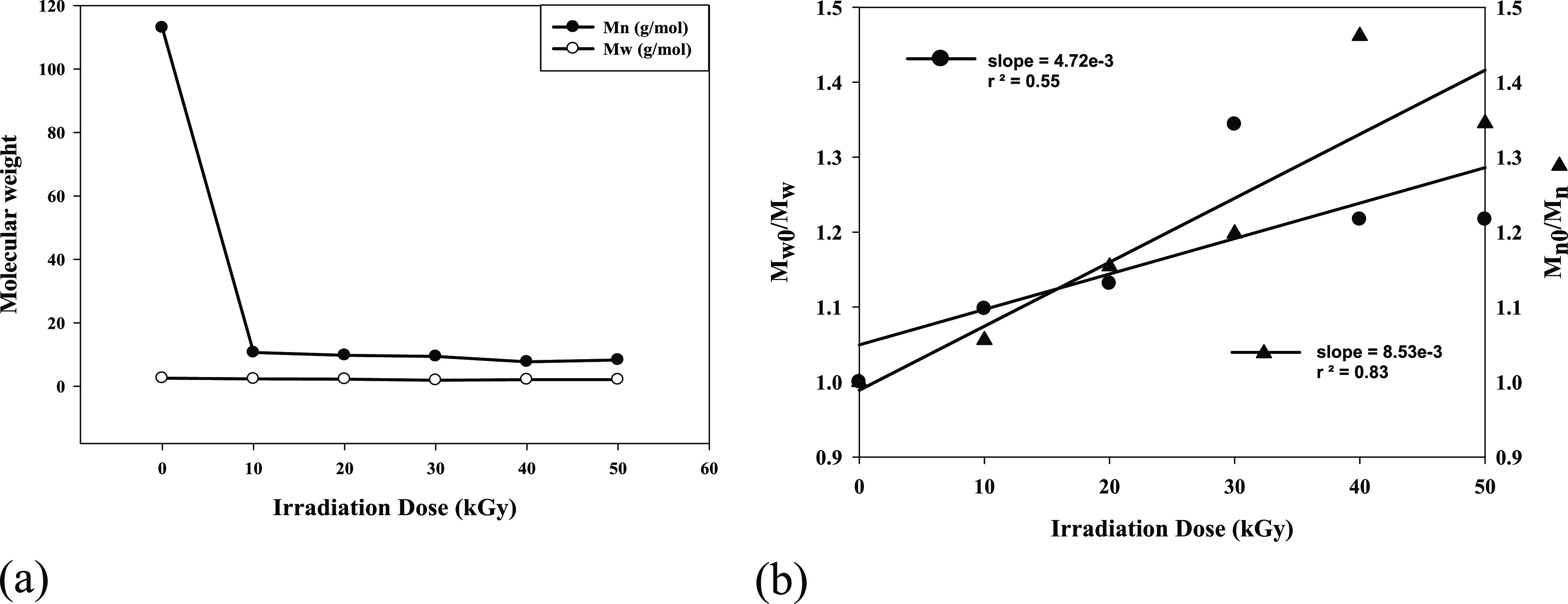
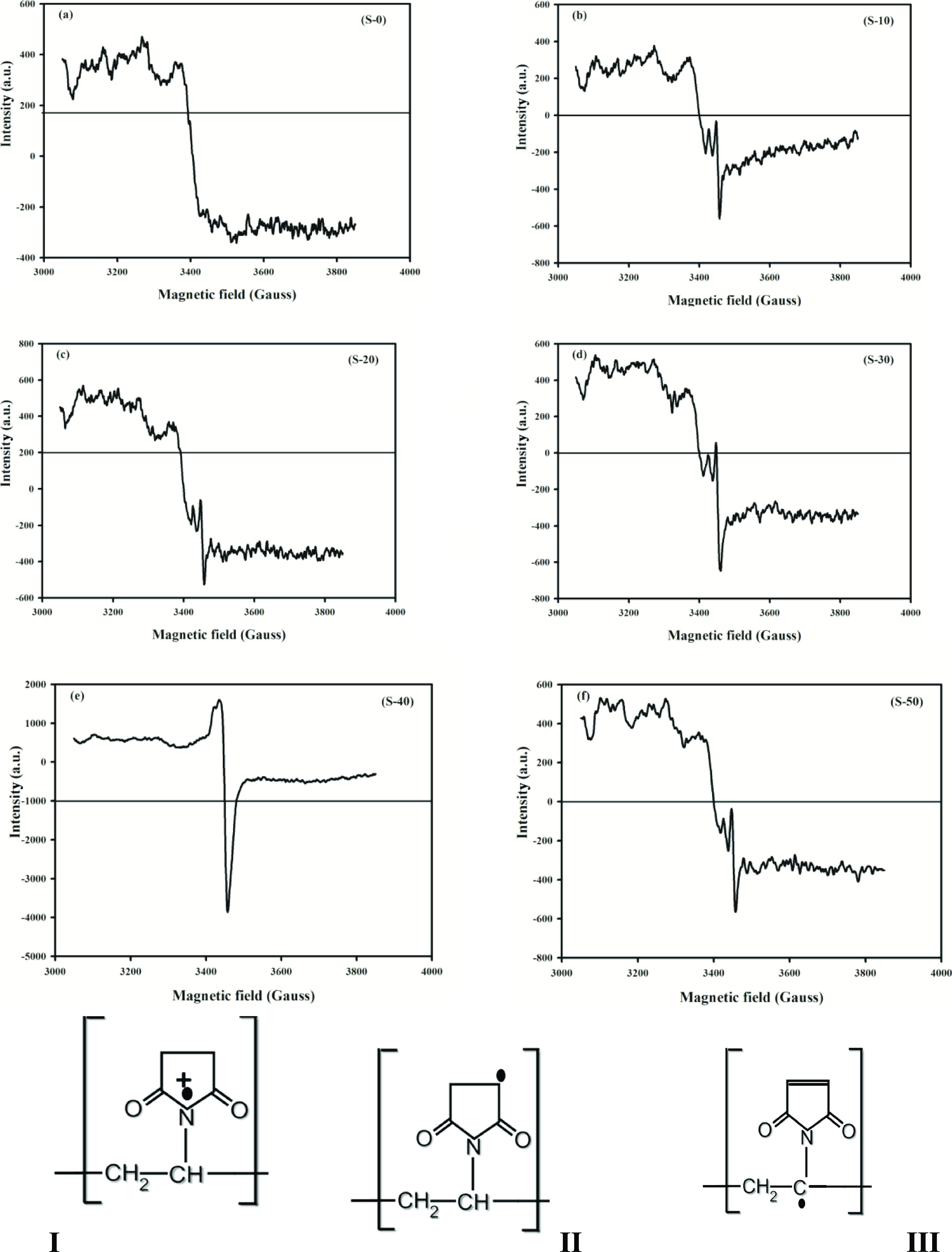
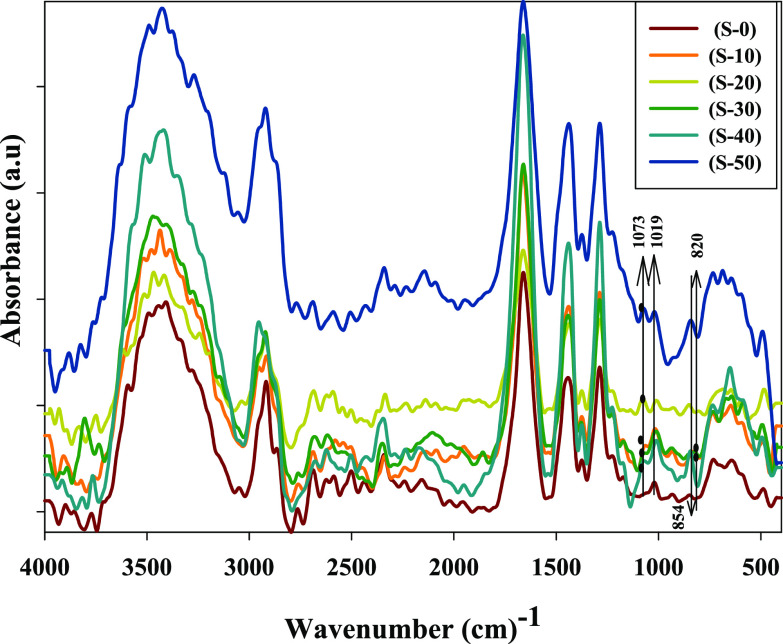
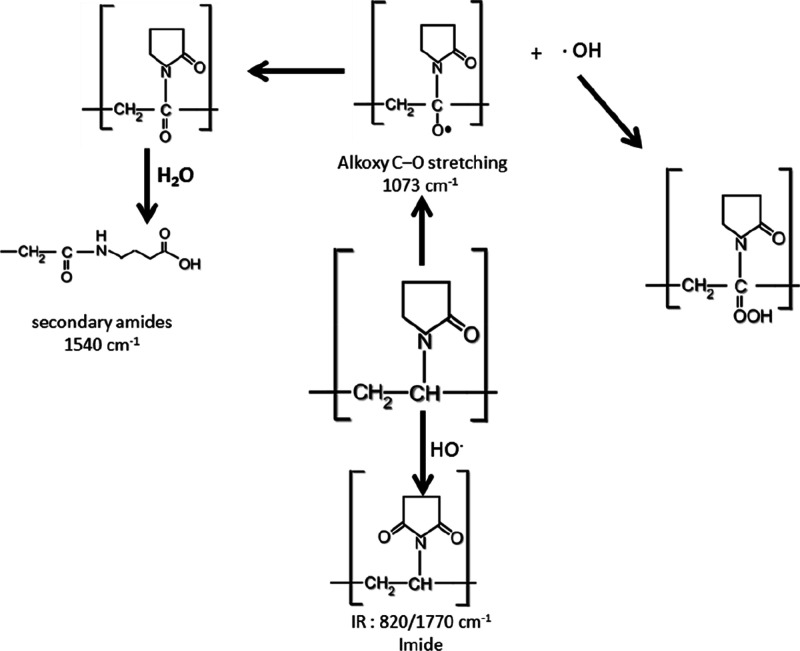
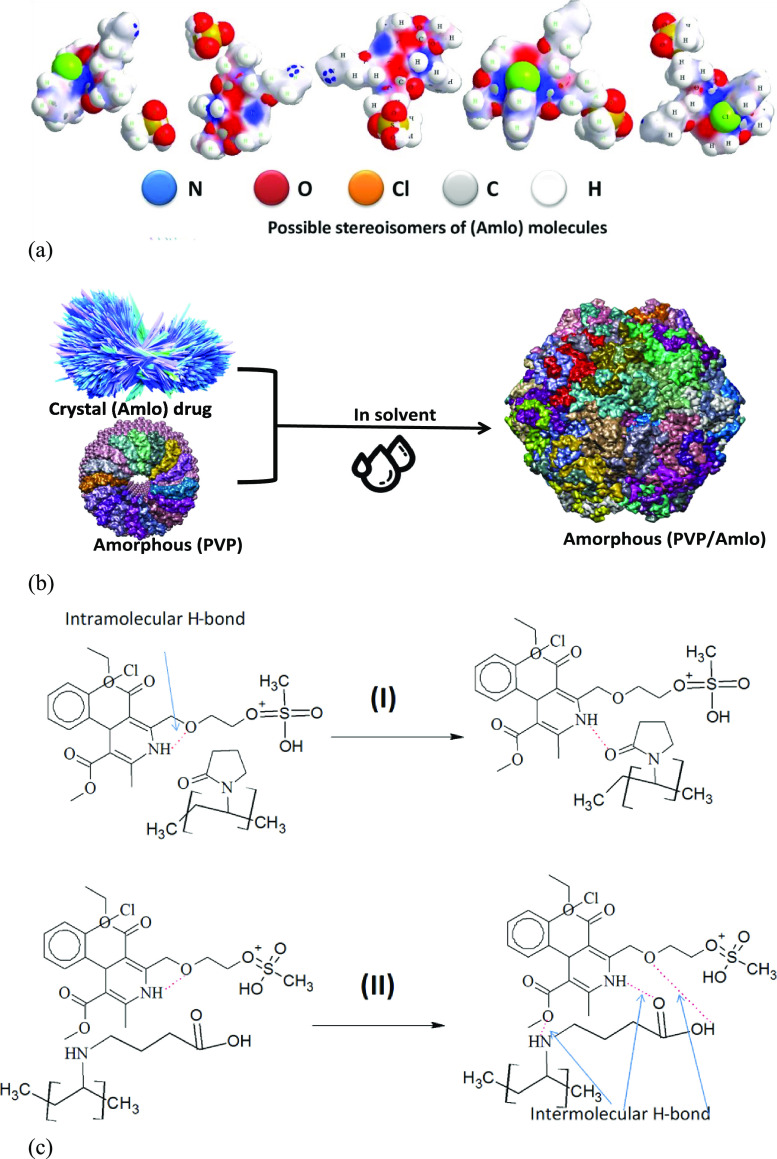
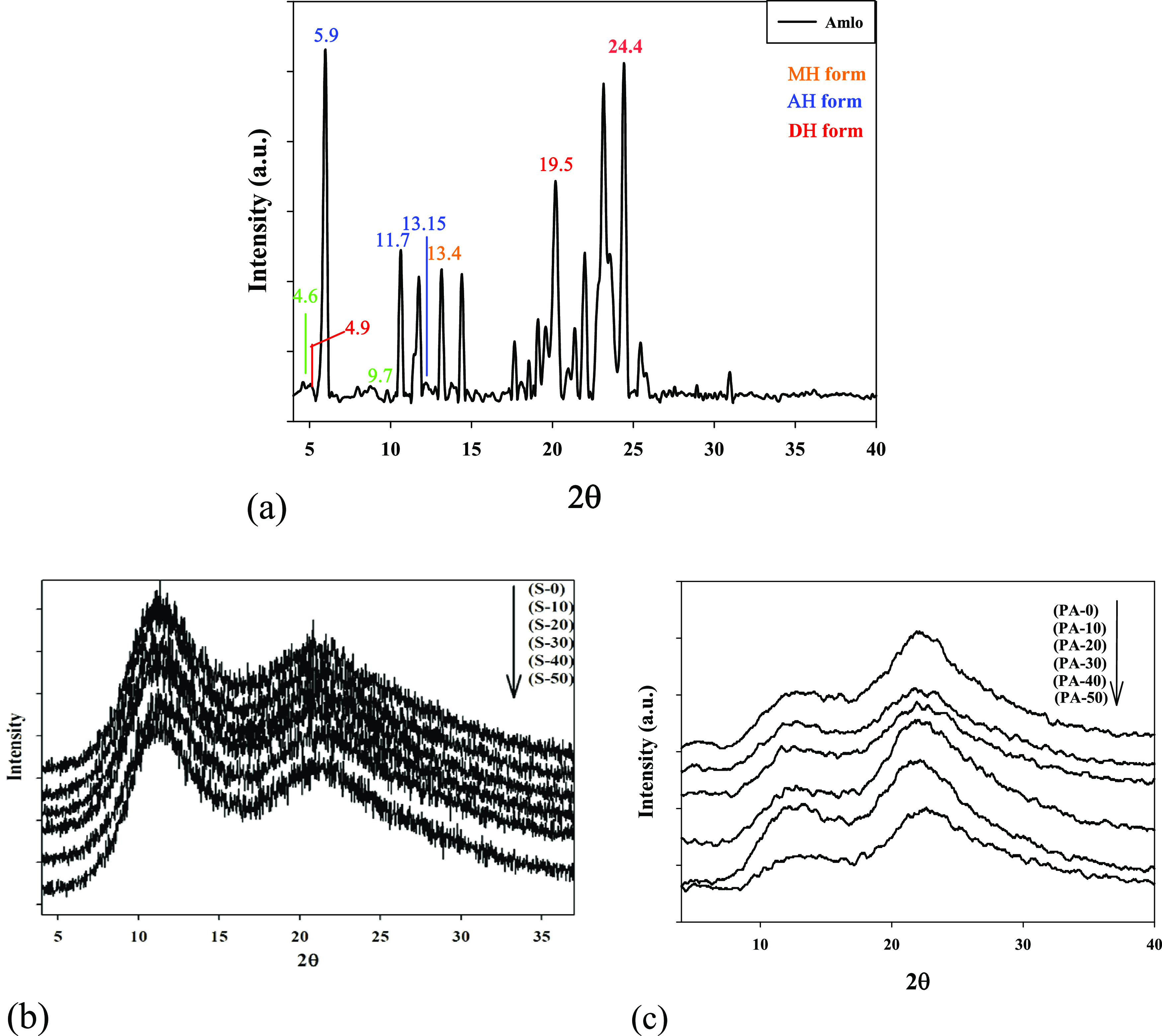
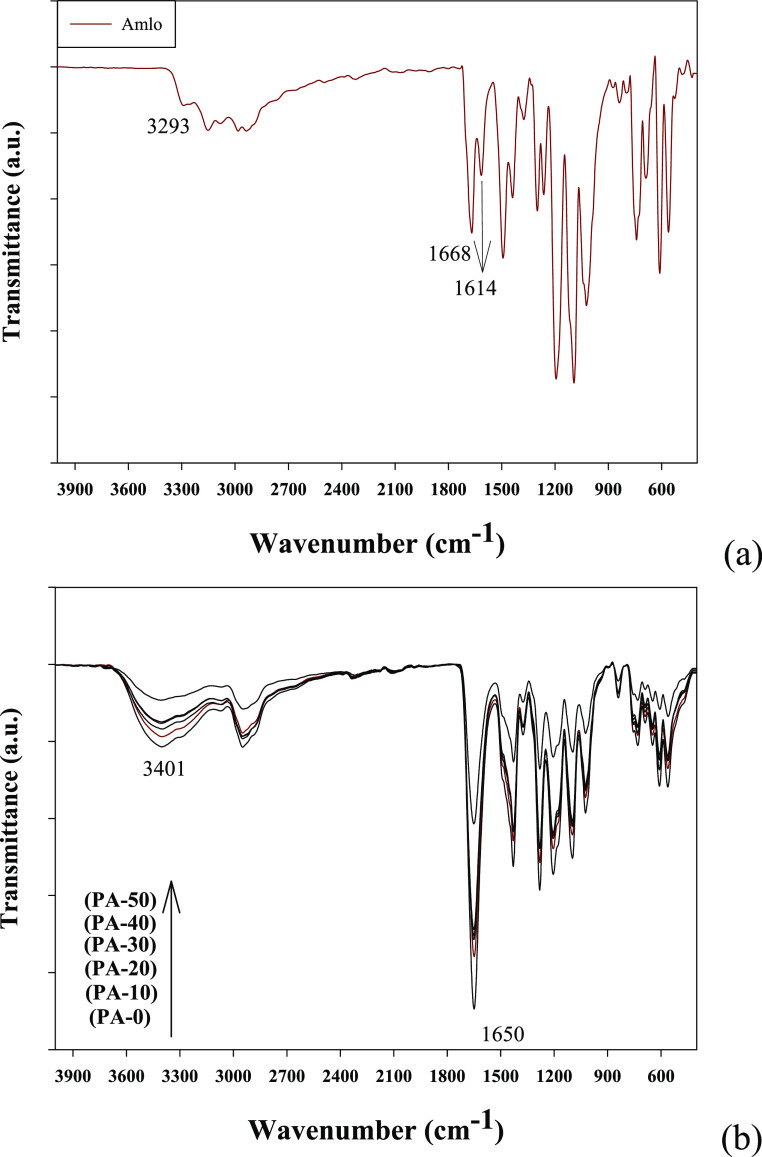
The aim of this study was to increase both the rates of dissolution and bioavailability of the amlodipine (Amlo) drug. Due to the low cost, high solubility, and amorphous state, polyvinylpyrrolidone (PVP) has been used as a drug carrier in the solid dispersion process. Through applying an irradiation technique, powder of (PVP) is irradiated with six 0-50 kGy irradiation doses. The six irradiated (PVP) samples were characterized using gel permeation chromatography, electron spin resonance, and Fourier transform infrared (FT-IR) spectroscopy. The formulation of six (PVP/Amlo) samples at a ratio of 2:1 wt/wt were characterized using FT-IR spectroscopy and X-ray powder diffraction. In vitro dissolution of (Amlo) drug was assessed in a water solvent at pH 1.2 and pH 7. Results demonstrated that there is a change in the physicochemical properties of irradiated (PVP). FT-IR confirmed that there is an intermolecular H bond between the (Amlo) drug and (PVP) polymer. XRD confirmed that (PVP) changes the crystalline (Amlo) to amorphous amlodipine. Irradiated (PVP) at a dose of 20 kGy released approximately 89% from 40 mg of (Amlo) in 60 s. The in vitro rate of amlodipine dissolution depends on the drug-polymer intermolecular H bond. The rate of (Amlo) dissolution is increased due to the drug-drug intramolecular hydrogen bonding replaced with the drug-polymer intermolecular hydrogen bonding, which reduces the crystal packing. Irradiated (PVP) improved the rate of (Amlo) dissolution compared to unirradiated (PVP).
本研究的目的是提高氨氯地平(Amlo)药物的溶出速率和生物利用度。由于聚乙烯吡咯烷酮(PVP)成本低、溶解度高且为无定形状态,已被用作固体分散过程中的药物载体。通过应用辐照技术,用六个0 - 50 kGy的辐照剂量对(PVP)粉末进行辐照。使用凝胶渗透色谱法、电子自旋共振和傅里叶变换红外(FT - IR)光谱对六个辐照后的(PVP)样品进行表征。以2:1 wt/wt的比例制备六个(PVP/Amlo)样品,并使用FT - IR光谱和X射线粉末衍射对其进行表征。在pH 1.2和pH 7的水溶剂中评估(Amlo)药物的体外溶出情况。结果表明,辐照后的(PVP)的物理化学性质发生了变化。FT - IR证实(Amlo)药物与(PVP)聚合物之间存在分子间氢键。XRD证实(PVP)将结晶态的(Amlo)转变为无定形氨氯地平。20 kGy剂量的辐照(PVP)在60秒内从40毫克(Amlo)中释放出约89%。氨氯地平的体外溶出速率取决于药物 - 聚合物分子间氢键。(Amlo)的溶出速率提高是因为药物 - 药物分子内氢键被药物 - 聚合物分子间氢键取代,这减少了晶体堆积。与未辐照的(PVP)相比,辐照后的(PVP)提高了(Amlo)的溶出速率。