Department of Nephrology, Chang Gung Memorial Hospital, Keelung 20401, Taiwan.
Community Medicine Research Center, Chang Gung Memorial Hospital, Keelung 20401, Taiwan.
Int J Mol Sci. 2020 Sep 12;21(18):6687. doi: 10.3390/ijms21186687.
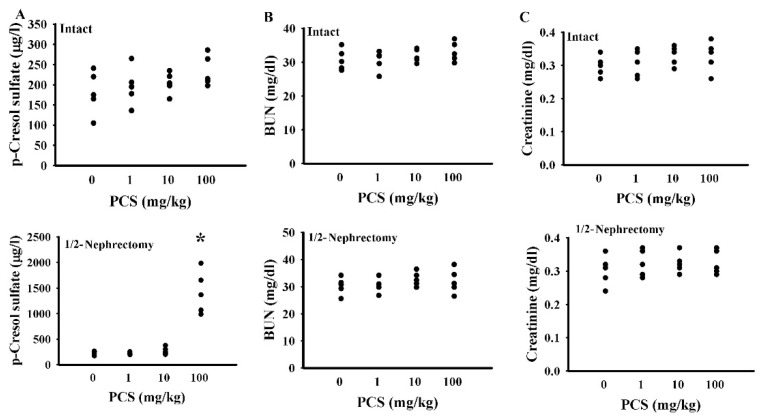
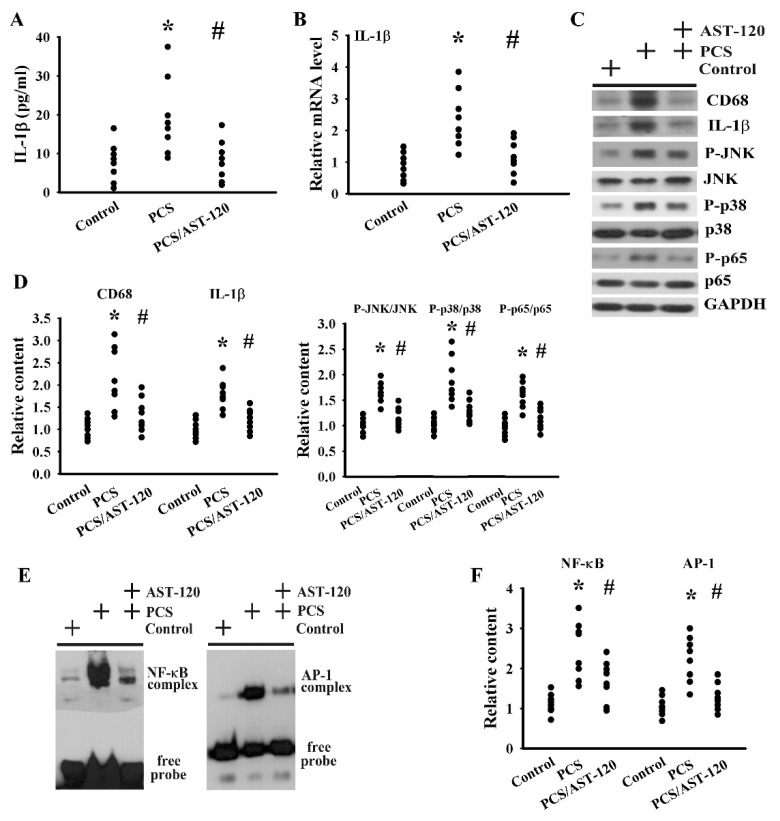
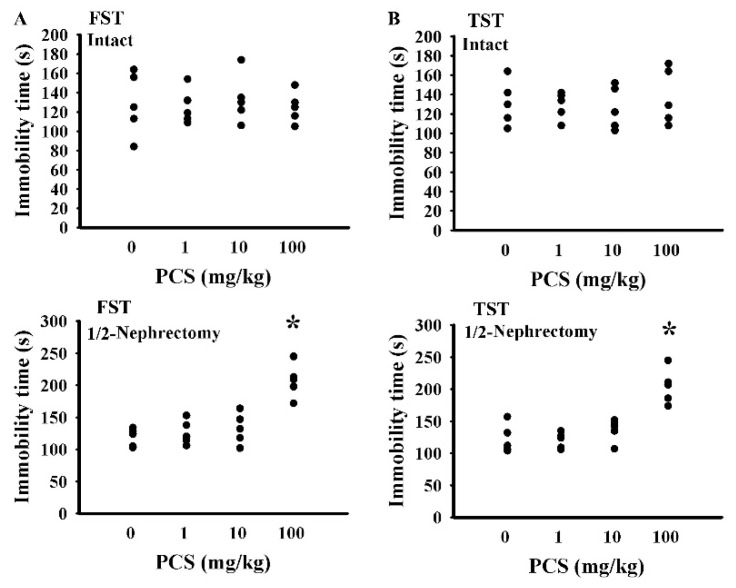
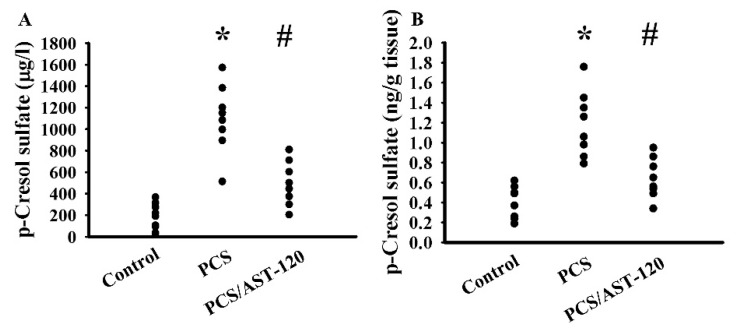
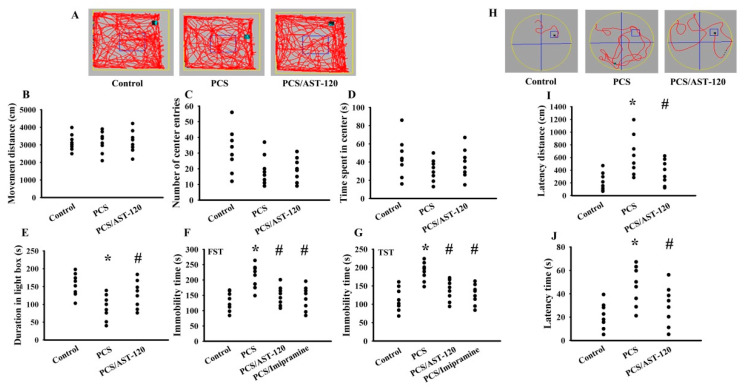
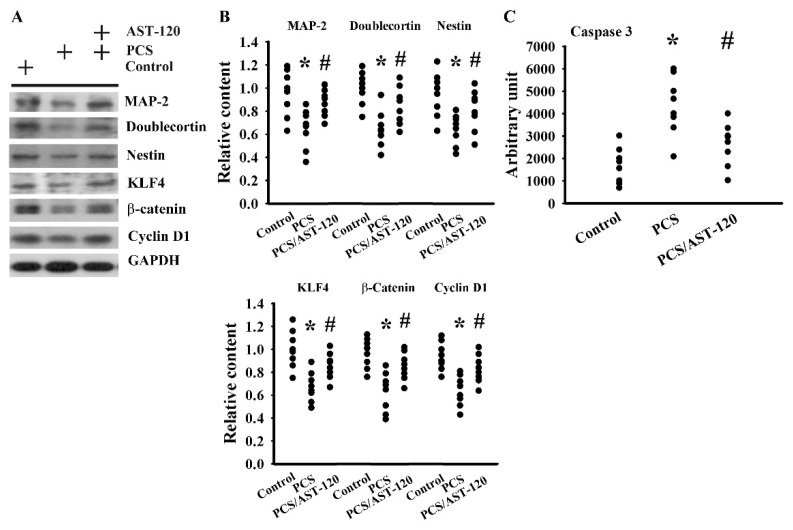
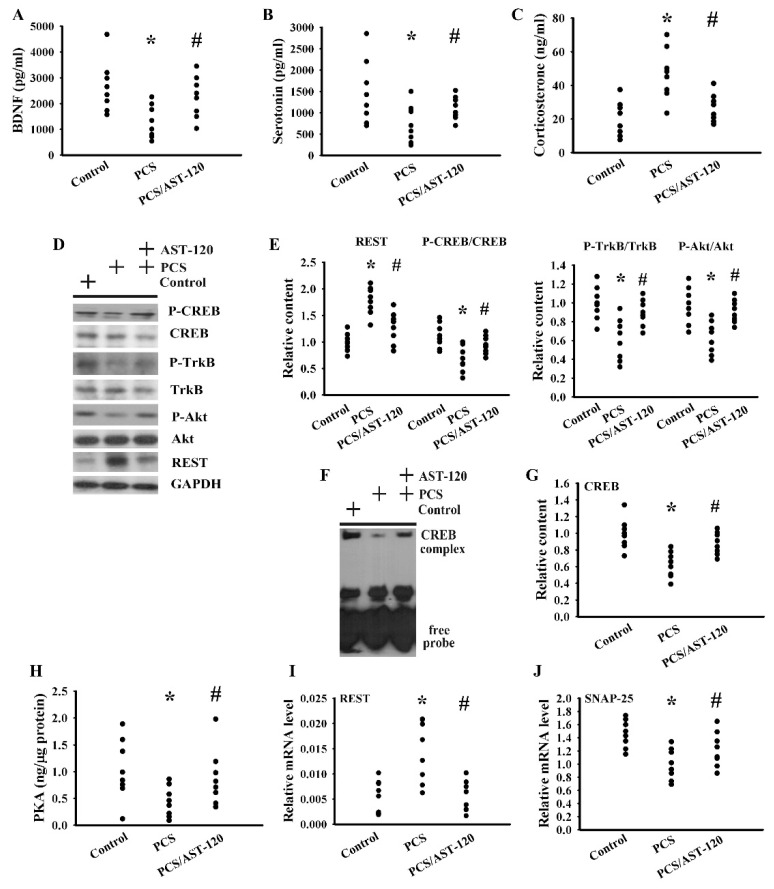
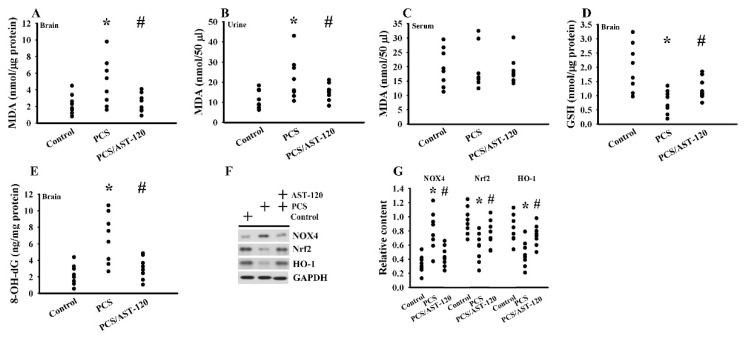
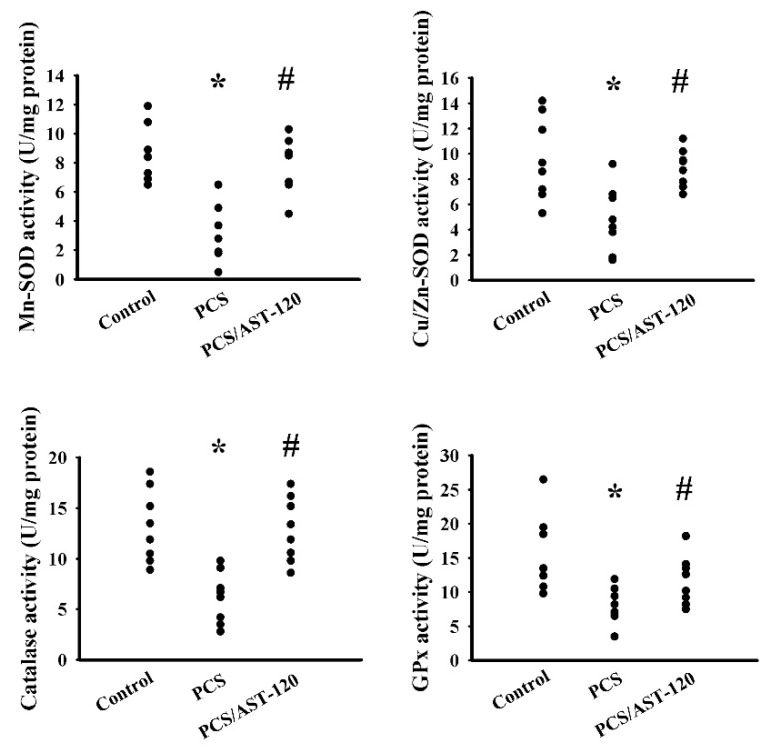
Protein-bound uremic toxins, such as p-cresol sulfate (PCS), can be accumulated with declined renal function and aging and is closely linked with central nervous system (CNS) diseases. In the periphery, PCS has effects on oxidative stress and inflammation. Since oxidative stress and inflammation have substantial roles in the pathogenesis of neurological disorders, the CNS effects of PCS were investigated in unilateral nephrectomized C57/BL/6 mice. Unlike intact mice, unilateral nephrectomized mice showed increased circulating levels of PCS after exogenous administration. Upon PCS exposure, the unilateral nephrectomized mice developed depression-like, anxiety-like, and cognitive impairment behaviors with brain PCS accumulation in comparison with the nephrectomy-only group. In the prefrontal cortical tissues, neuronal cell survival and neurogenesis were impaired along with increased apoptosis, oxidative stress, and neuroinflammation. Circulating brain-derived neurotrophic factors (BDNF) and serotonin were decreased in association with increased corticosterone and repressor element-1 silencing transcription factor (REST), regulators involved in neurological disorders. On the contrary, these PCS-induced changes were alleviated by uremic toxin absorbent AST-120. Taken together, PCS administration in mice with nephrectomy contributed to neurological disorders with increased oxidative stress and neuroinflammation, which were alleviated by PCS chelation. It is suggested that PCS may be a therapeutic target for chronic kidney disease-associated CNS diseases.
蛋白结合型尿毒症毒素,如对甲酚硫酸盐(PCS),可随肾功能下降和衰老而蓄积,并与中枢神经系统(CNS)疾病密切相关。在外周,PCS 对氧化应激和炎症有影响。由于氧化应激和炎症在神经紊乱的发病机制中起着重要作用,因此研究了 PCS 对单侧肾切除 C57/BL/6 小鼠的 CNS 影响。与完整小鼠不同,单侧肾切除小鼠在给予外源性 PCS 后,其循环中 PCS 水平升高。与仅肾切除组相比,暴露于 PCS 后,单侧肾切除小鼠出现抑郁样、焦虑样和认知障碍行为,且大脑 PCS 蓄积。在额皮质组织中,神经元细胞存活和神经发生受损,同时伴有细胞凋亡、氧化应激和神经炎症增加。与皮质酮和沉默元件-1 抑制转录因子(REST)增加相关的循环脑源性神经营养因子(BDNF)和 5-羟色胺减少,REST 是涉及神经紊乱的调节因子。相反,这些 PCS 诱导的变化可被尿毒症毒素吸附剂 AST-120 缓解。综上所述,在肾切除小鼠中给予 PCS 可导致氧化应激和神经炎症增加的神经紊乱,而 PCS 螯合可缓解这些紊乱。提示 PCS 可能是治疗慢性肾脏病相关 CNS 疾病的一个靶点。