Jung Inyong, Kim Hyerin, Moon Seongcheol, Lee Hyuk, Kim Bonglee
College of Korean Medicine, Kyung Hee University, Hoegidong Dongdaemungu, Seoul 05253, Korea.
Korean Medicine-Based Drug Repositioning Cancer Research Center, College of Korean Medicine, Kyung Hee University, Hoegidong Dongdaemungu, Seoul 05253, Korea.
Antioxidants (Basel). 2020 Sep 13;9(9):857. doi: 10.3390/antiox9090857.
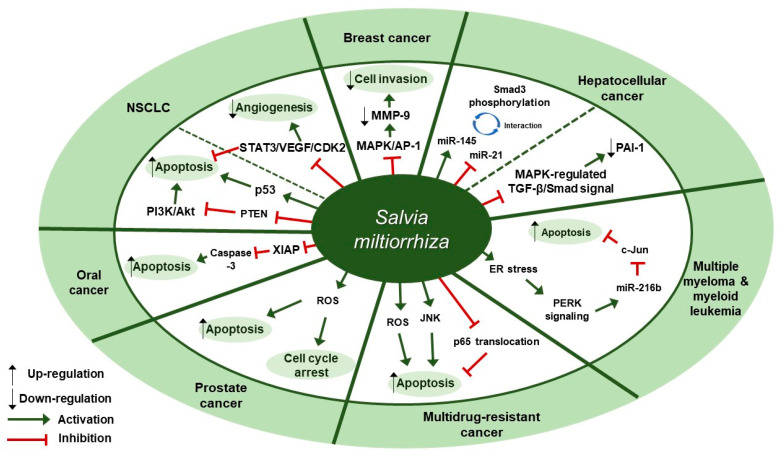
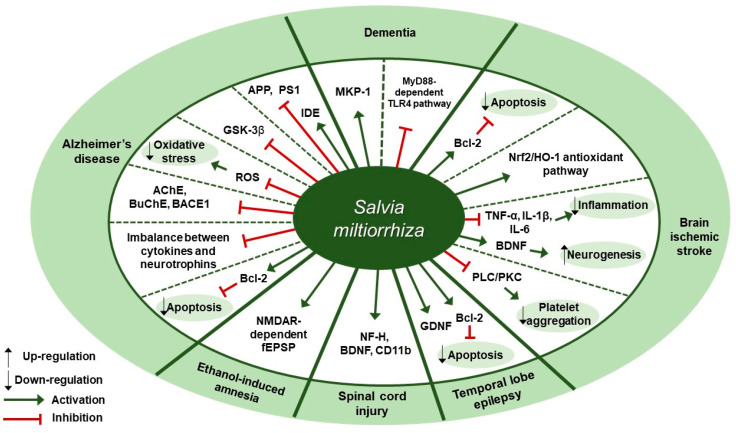
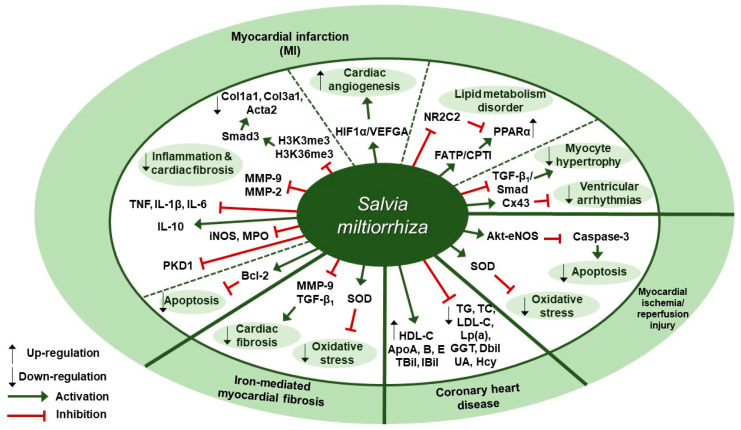
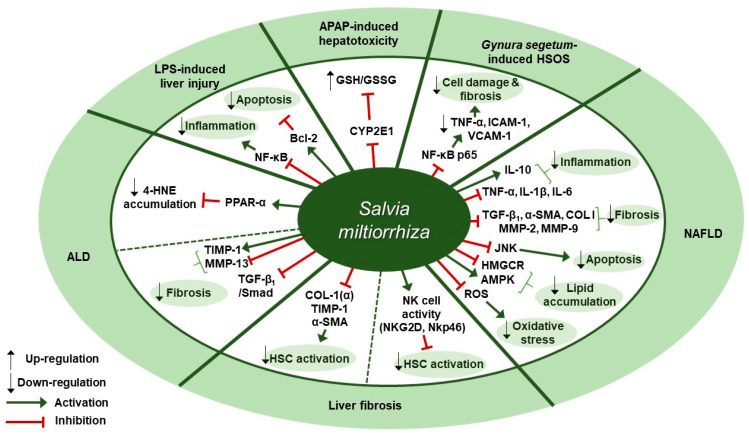
Bunge () is a medicinal herb that has been used for the treatment for various diseases such as cardiovascular and cerebrovascular diseases in East Asia including Korea. Considering its extensive usage as a therapeutic agent for multiple diseases, there is a need to review previous research regarding its therapeutic benefits and their mechanisms. Therefore, we searched PubMed and PubMed Central for articles reporting its therapeutic effects on certain disease groups including cancers, cardiovascular, liver, and nervous system diseases. This review provides an overview of therapeutic benefits and targets of , including inflammation, fibrosis, oxidative stress, and apoptosis. The findings on multi-functional properties of discussed in this article support the efficacy of extract on various diseases, but also call for further research on the multiple mechanisms that mediate its therapeutic effects.
Bunge()是一种草药,在包括韩国在内的东亚地区已被用于治疗各种疾病,如心脑血管疾病。鉴于其作为多种疾病治疗剂的广泛应用,有必要回顾以往关于其治疗益处及其机制的研究。因此,我们在PubMed和PubMed Central上搜索了报告其对某些疾病组(包括癌症、心血管、肝脏和神经系统疾病)治疗效果的文章。本综述概述了Bunge的治疗益处和靶点,包括炎症、纤维化、氧化应激和细胞凋亡。本文讨论的Bunge多功能特性的研究结果支持了Bunge提取物对各种疾病的疗效,但也呼吁对介导其治疗效果的多种机制进行进一步研究。
需注意,原文中“Bunge ()”括号处内容缺失,可能影响准确理解。