Silva Lilian Pereira, Frawley Dean, Assis Leandro José de, Tierney Ciara, Fleming Alastair B, Bayram Ozgur, Goldman Gustavo Henrique
Faculdade de Ciências Farmacêuticas de Ribeirão Preto, Universidade de São Paulo, São Paulo, Brazil.
Biology Department, Maynooth University, Maynooth, Co. Kildare, Ireland.
mSphere. 2020 Sep 16;5(5):e00818-20. doi: 10.1128/mSphere.00818-20.
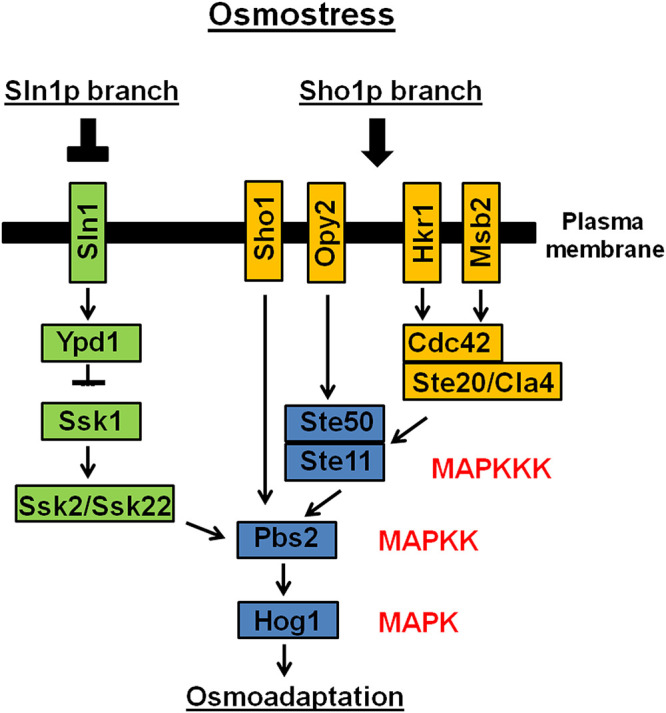
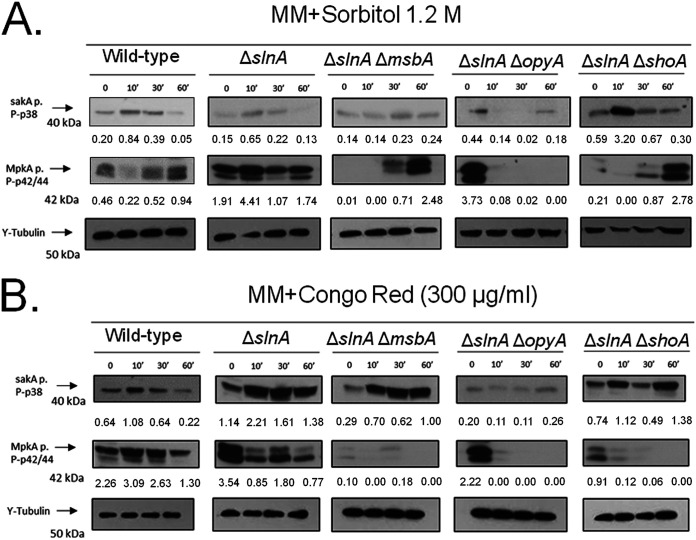
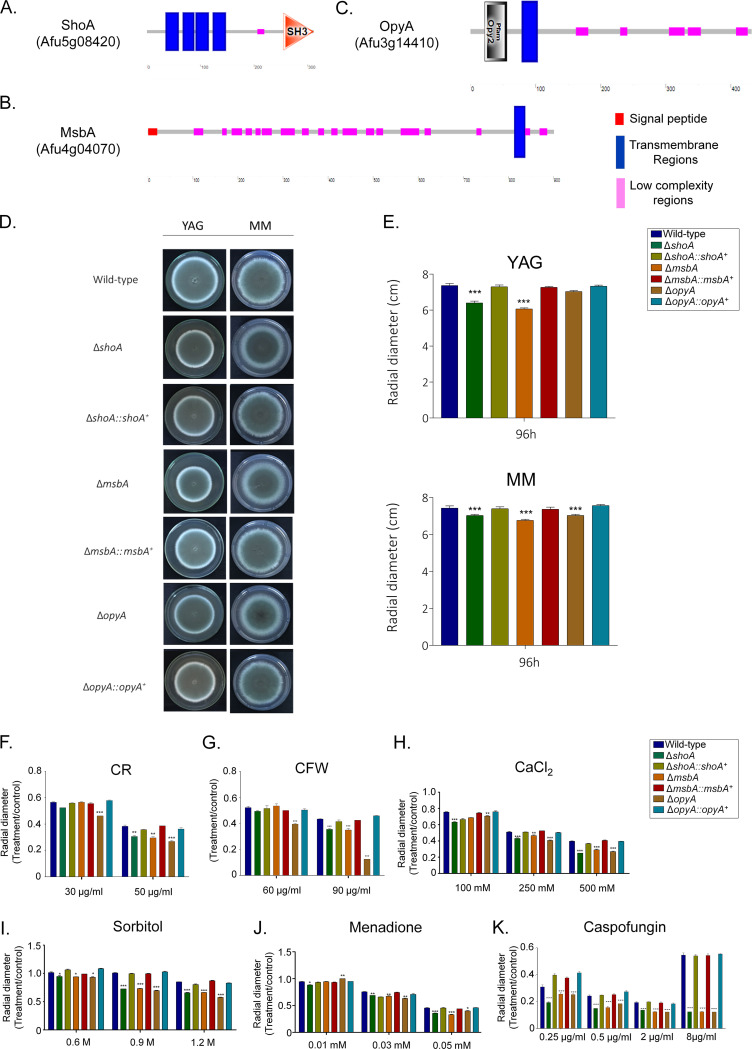
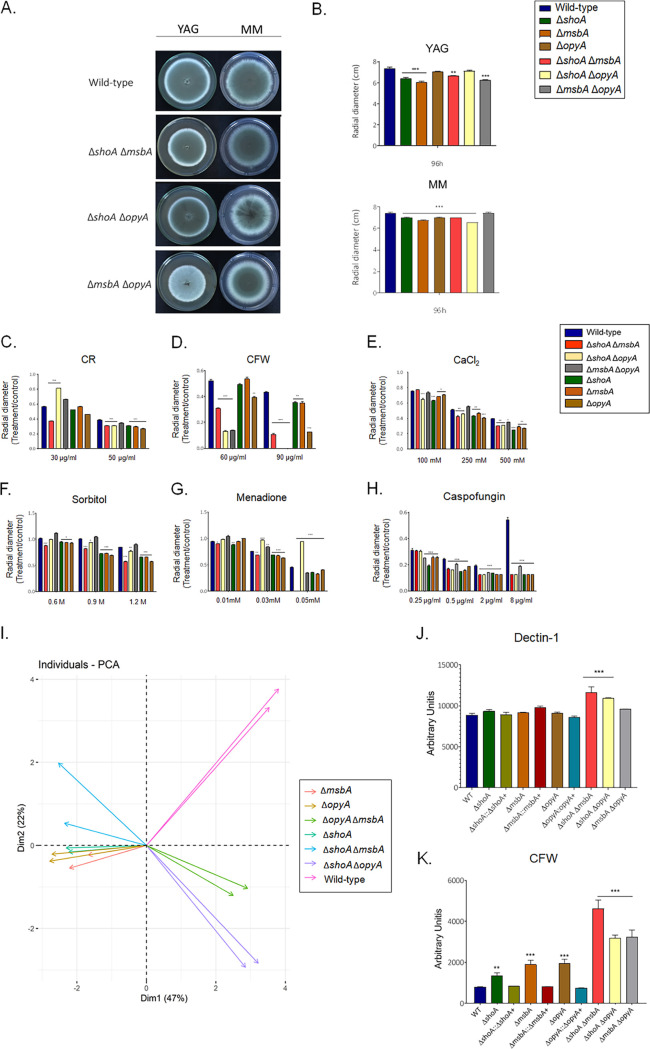
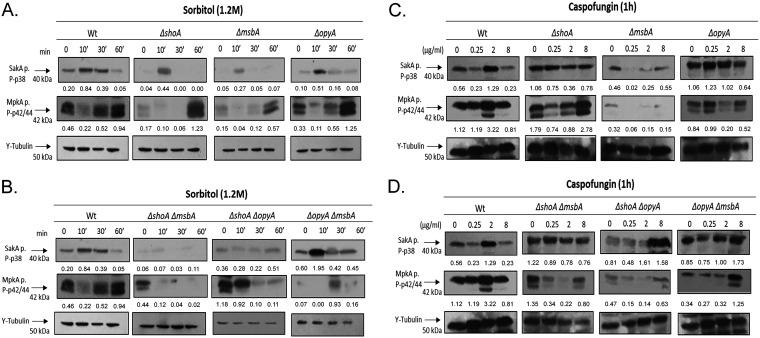
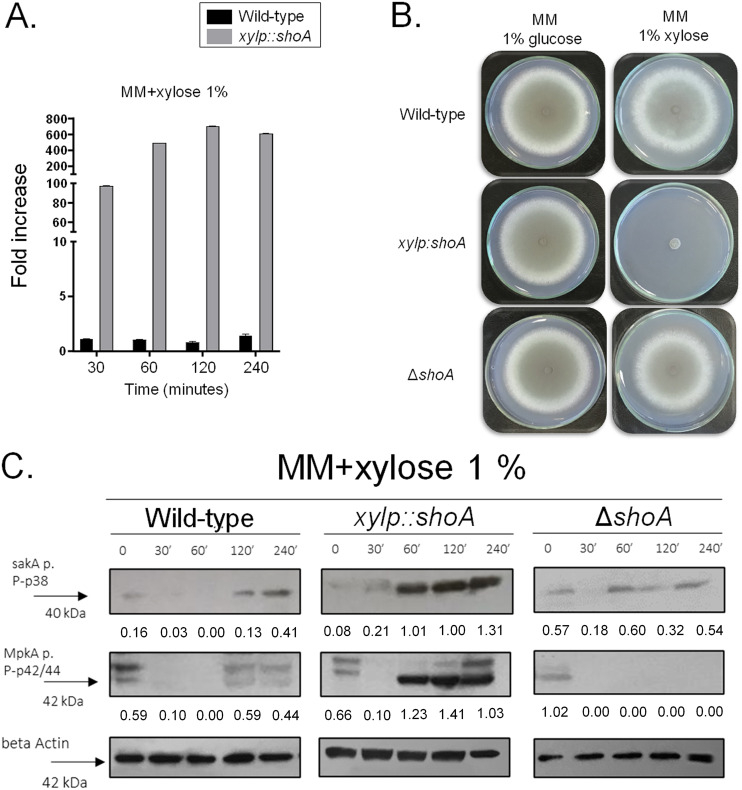
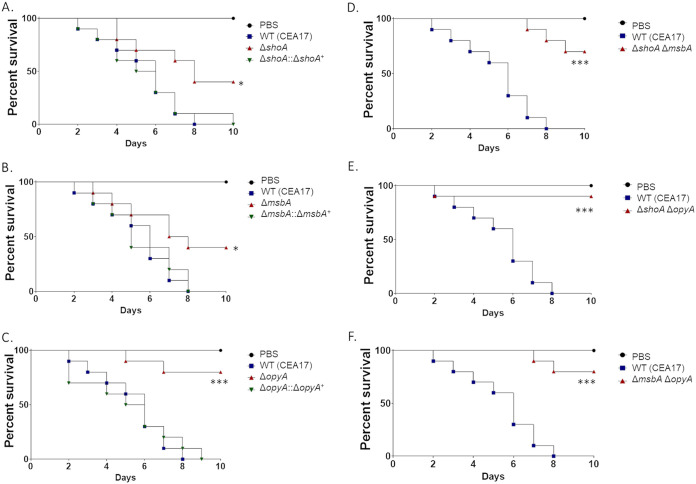
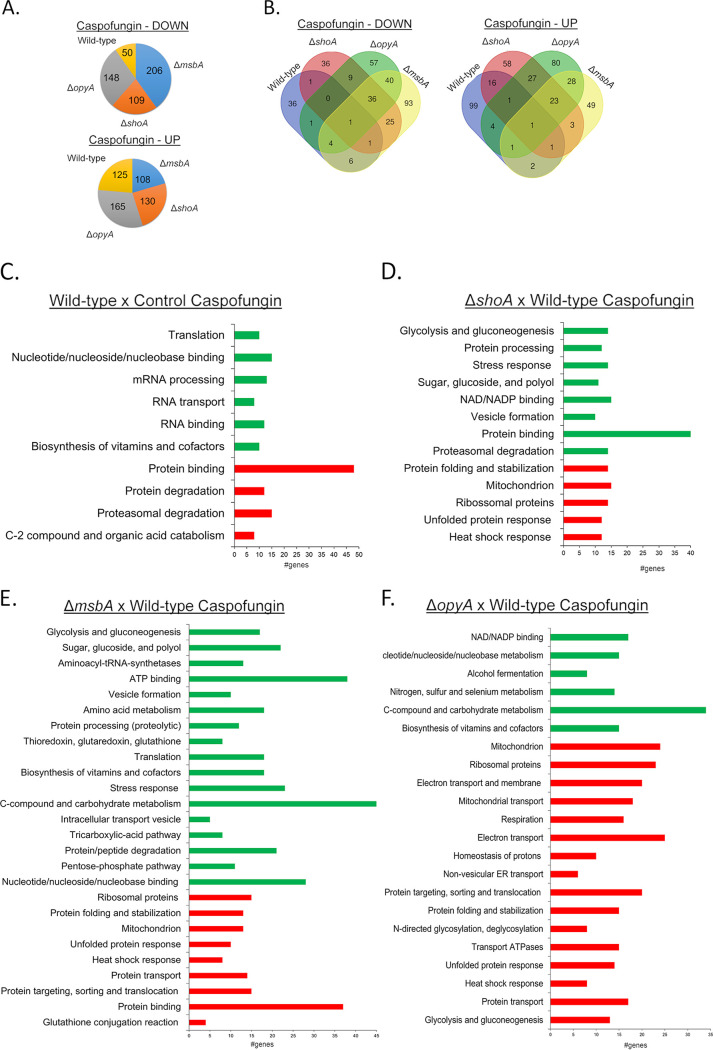
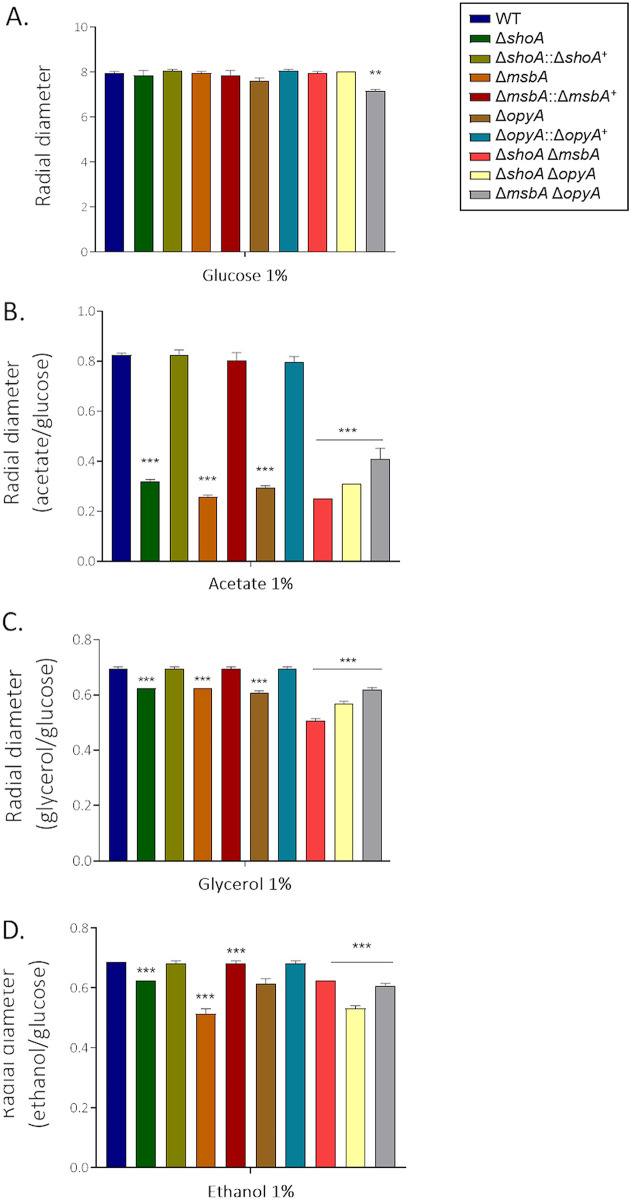
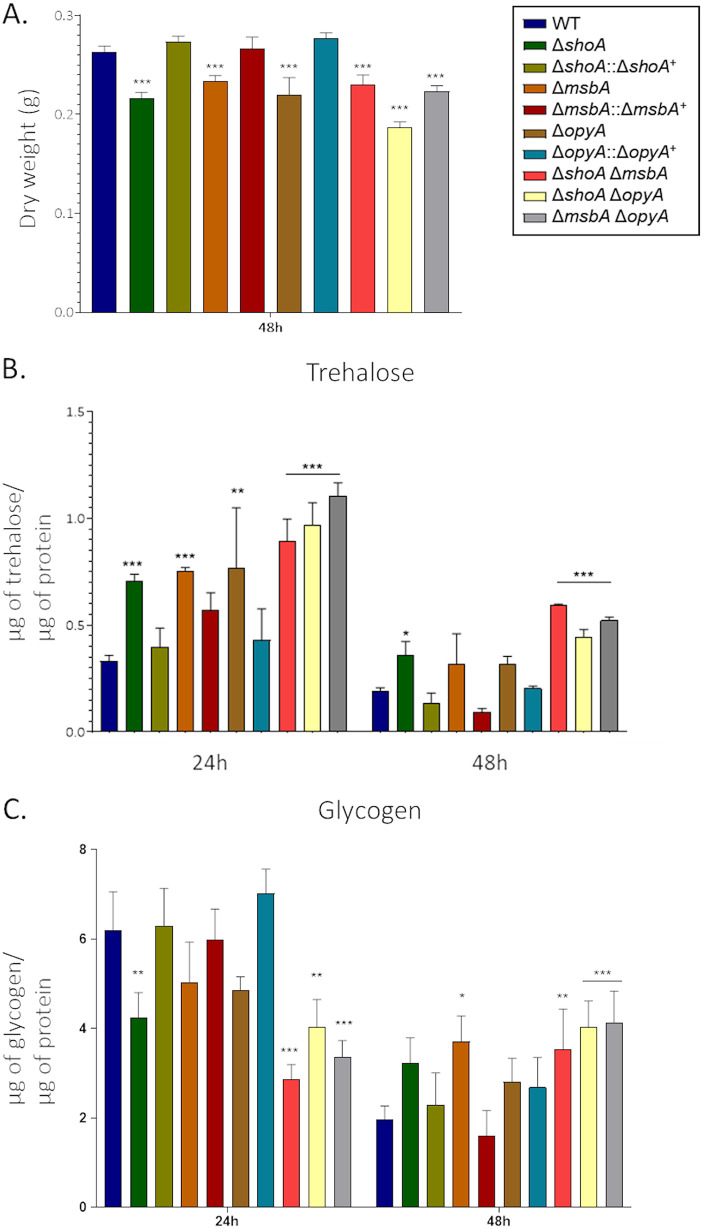
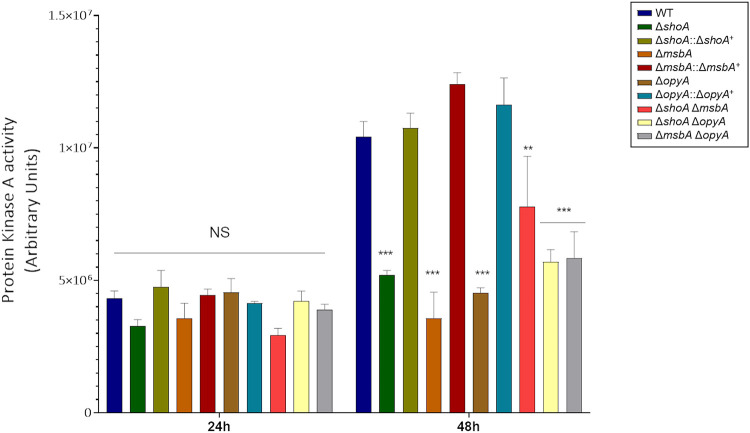
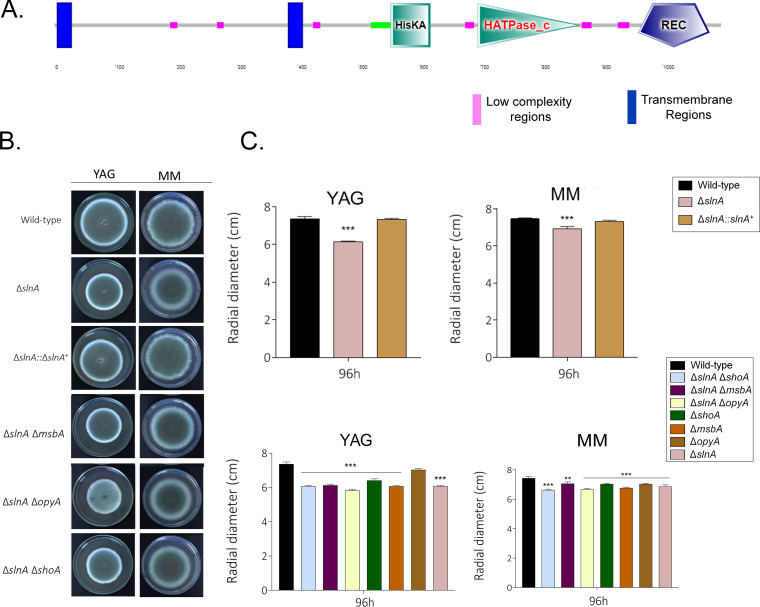
The high-osmolarity glycerol (HOG) response pathway is a multifunctional signal transduction pathway that specifically transmits ambient osmotic signals. Hog1p has two upstream signaling branches, the sensor histidine kinase Sln1p and the receptor Sho1p. The Sho1p branch includes two other proteins, the Msb2p mucin and Opy2p. is the leading cause of pulmonary fungal diseases. Here, we investigated the roles played by SlnA, ShoA, MsbA, and OpyA putative homologues during the activation of the mitogen-activated protein kinase (MAPK) HOG pathway. The , , and singly and doubly null mutants are important for the cell wall integrity (CWI) pathway, oxidative stress, and virulence as assessed by a model. Genetic interactions of ShoA, MsbA, and OpyA are also important for proper activation of the SakA and MpkA cascade and the response to osmotic and cell wall stresses. Comparative label-free quantitative proteomics analysis of the singly null mutants with the wild-type strain upon caspofungin exposure indicates that the absence of ShoA, MsbA, and OpyA affects the osmotic stress response, carbohydrate metabolism, and protein degradation. The putative receptor mutants showed altered trehalose and glycogen accumulation, suggesting a role for ShoA, MsbA, and OpyA in sugar storage. Protein kinase A activity was also decreased in these mutants. We also observed genetic interactions between SlnA, ShoA, MsbA, and OpyA, suggesting that both branches are important for activation of the HOG/CWI pathways. Our results help in the understanding of the activation and modulation of the HOG and CWI pathways in this important fungal pathogen. is an important human-pathogenic fungal species that is responsible for a high incidence of infections in immunocompromised individuals. high-osmolarity glycerol (HOG) and cell wall integrity pathways are important for the adaptation to different forms of environmental adversity such as osmotic and oxidative stresses, nutrient limitations, high temperatures, and other chemical and mechanical stresses that may be produced by the host immune system and antifungal drugs. Little is known about how these pathways are activated in this fungal pathogen. Here, we characterize four putative homologues that are important for the activation of the yeast HOG pathway. SlnA, ShoA, MsbA, and OpyA are genetically interacting and are essential for the activation of the HOG and cell wall integrity pathways. Our results contribute to the understanding of adaptation to the host environment.
高渗甘油(HOG)应答途径是一种多功能信号转导途径,专门传递环境渗透压信号。Hog1p有两个上游信号分支,即传感器组氨酸激酶Sln1p和受体Sho1p。Sho1p分支还包括另外两种蛋白质,即Msb2p黏蛋白和Opy2p。是肺部真菌疾病的主要病因。在此,我们研究了SlnA、ShoA、MsbA和OpyA假定同源物在丝裂原活化蛋白激酶(MAPK)HOG途径激活过程中所起的作用。通过模型评估,、和单基因及双基因缺失突变体对于细胞壁完整性(CWI)途径、氧化应激和毒力很重要。ShoA、MsbA和OpyA的遗传相互作用对于SakA和MpkA级联的适当激活以及对渗透压和细胞壁应激的反应也很重要。对卡泊芬净暴露后单基因缺失突变体与野生型菌株进行的无标记定量蛋白质组学比较分析表明,ShoA、MsbA和OpyA的缺失会影响渗透压应激反应、碳水化合物代谢和蛋白质降解。假定的受体突变体显示海藻糖和糖原积累发生改变,表明ShoA、MsbA和OpyA在糖储存中发挥作用。这些突变体中的蛋白激酶A活性也降低。我们还观察到SlnA、ShoA、MsbA和OpyA之间的遗传相互作用,表明两个分支对于HOG/CWI途径的激活都很重要。我们的结果有助于理解这种重要真菌病原体中HOG和CWI途径的激活和调节。是一种重要的人类致病真菌物种,在免疫功能低下个体中导致高感染率。高渗甘油(HOG)和细胞壁完整性途径对于适应不同形式的环境逆境很重要,如渗透压和氧化应激、营养限制、高温以及宿主免疫系统和抗真菌药物可能产生的其他化学和机械应激。关于这些途径在这种真菌病原体中如何被激活知之甚少。在此,我们鉴定了四种对酵母HOG途径激活很重要的假定同源物。SlnA、ShoA、MsbA和OpyA存在遗传相互作用,对于HOG和细胞壁完整性途径的激活至关重要。我们的结果有助于理解其对宿主环境的适应性。