Chalcarz Clinic, Aesthetic Surgery, Aesthetic Medicine, Poznań, Poland.
Bieńkowski Medical Center - Plastic Surgery, Bydgoszcz, Poland.
Aesthetic Plast Surg. 2021 Apr;45(2):481-490. doi: 10.1007/s00266-020-01949-y. Epub 2020 Sep 16.
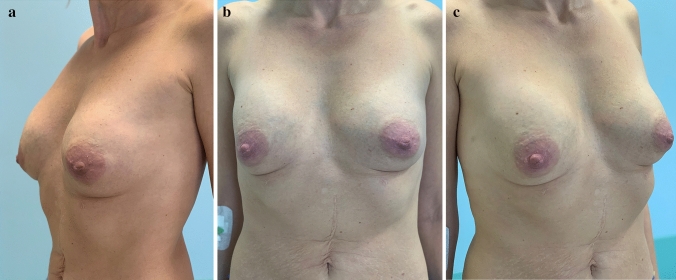
A major concern related to modern surgery is to evaluate and address the complications associated with breast enlargement using Aquafilling injection. This study aimed to assess the effect of Aquafilling injection on immune response in such patients.
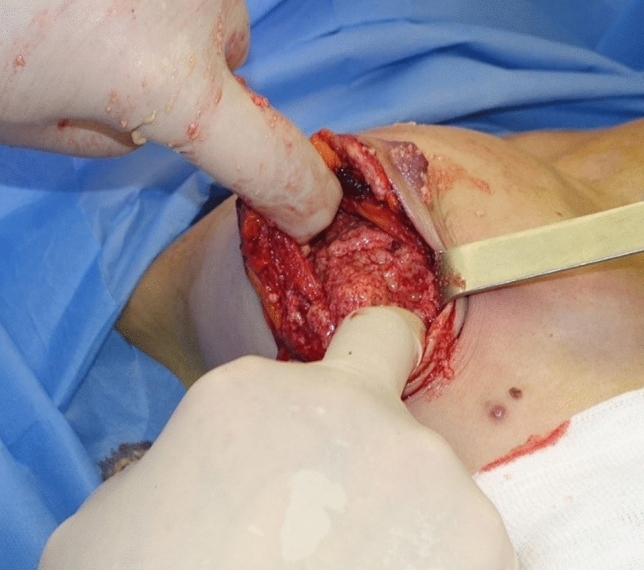
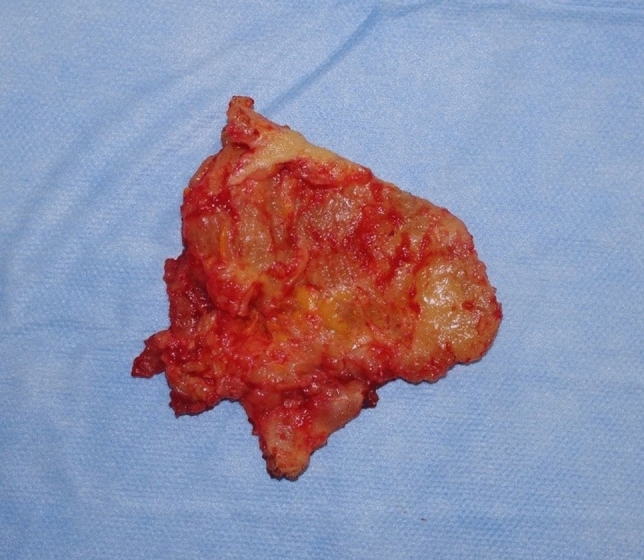
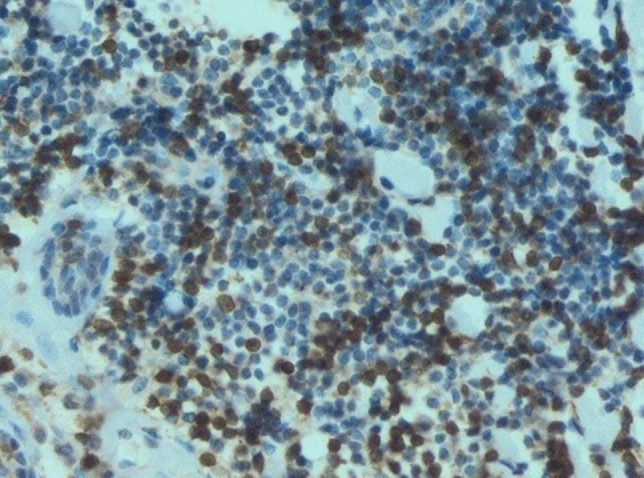
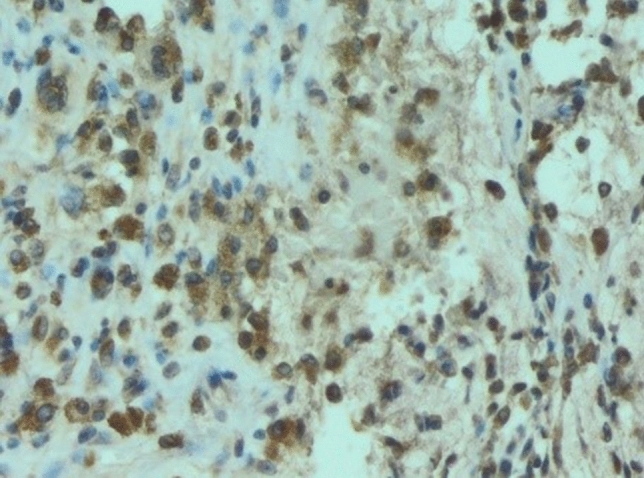
For four patients who consulted a surgeon after receiving Aquafilling injection, medical history of the patients was taken; based on imaging examinations, Aquafilling was removed. Samples were processed for histopathological and immunohistochemical examination. For detecting tissue antigens in histopathological samples, monoclonal antibodies against CD3 (lymphocytes T), CD 20 (lymphocytes B), and CD68 (macrophages) were used. By analyzing the images, the number of immune cells (lymphocytes T, lymphocytes B, and macrophages) and immunohistochemical reaction area were semiquantitatively evaluated.
Different clinical features were observed in each patient after receiving Aquafilling injection. In samples obtained from four patients, lymphocytes T (CD3), lymphocytes B (CD20), and macrophages (CD68) tissue expressions were observed. Statistically significant variations in the number of lymphocytes B (CD20) and macrophages (CD68), and differentiation of immunohistochemical reaction area for lymphocytes T (CD3) and lymphocytes B (CD20) were observed.
Inflammation is elevated in patients who received Aquafilling injection. Medical imaging should be carried out in all such patients even if there are no visible symptoms. Removal of Aquafilling can reduce the inflammation and risk of neoplastic progression in the patients. The influence of time elapsed since Aquafilling injection and intensity of immune response requires further validation.
This journal requires that authors assign a level of evidence to each article. For a full description of these Evidence-Based Medicine ratings, please refer to the Table of Contents or the online Instructions to Authors www.springer.com/00266 .
现代手术的一个主要关注点是评估和解决与使用 Aquafilling 注射进行乳房增大相关的并发症。本研究旨在评估 Aquafilling 注射对这类患者免疫反应的影响。
对四名接受 Aquafilling 注射后咨询外科医生的患者,我们采集了患者的病史;并根据影像学检查,取出了 Aquafilling。对样本进行了组织病理学和免疫组织化学检查。为了检测组织抗原,我们使用了针对 CD3(T 淋巴细胞)、CD20(B 淋巴细胞)和 CD68(巨噬细胞)的单克隆抗体。通过分析图像,我们对免疫细胞(T 淋巴细胞、B 淋巴细胞和巨噬细胞)的数量和免疫组织化学反应区域进行了半定量评估。
四名患者在接受 Aquafilling 注射后表现出不同的临床特征。在从四名患者获得的样本中,观察到 T 淋巴细胞(CD3)、B 淋巴细胞(CD20)和巨噬细胞(CD68)的组织表达。B 淋巴细胞(CD20)和巨噬细胞(CD68)数量的统计学显著变化以及 T 淋巴细胞(CD3)和 B 淋巴细胞(CD20)的免疫组织化学反应区域的分化都有观察到。
接受 Aquafilling 注射的患者炎症水平升高。即使没有明显的症状,所有这些患者都应该进行医学成像检查。取出 Aquafilling 可以降低患者的炎症和肿瘤进展的风险。免疫反应的时间和强度的影响需要进一步验证。
证据等级 IV:本杂志要求作者为每篇文章分配一个证据等级。有关这些循证医学评级的完整描述,请参考目录或在线作者指南 www.springer.com/00266 。