Embrapa Recursos Genéticos e Biotecnologia, Brasília DF 70770-017, Brazil.
Departamento de Fitopatologia, Instituto de Biologia, Universidade de Brasília, Brasília DF 70275-970, Brazil.
Viruses. 2020 Sep 15;12(9):1028. doi: 10.3390/v12091028.
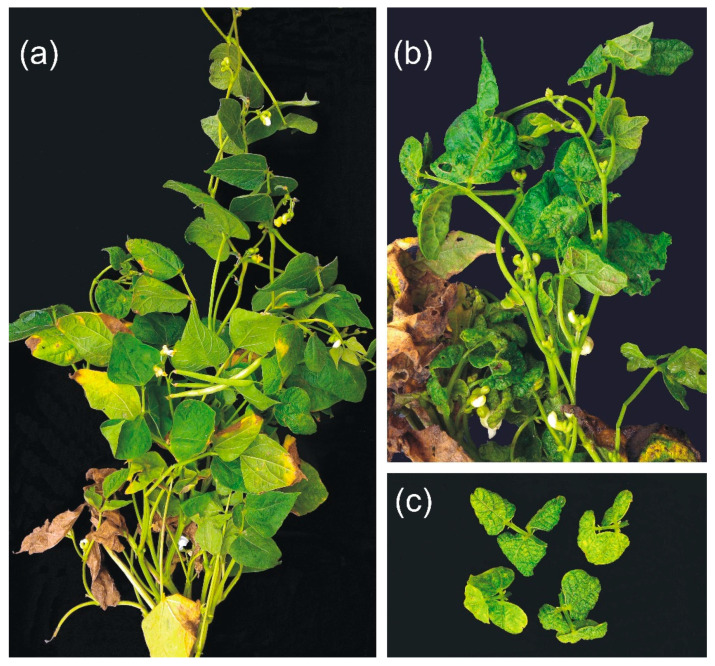
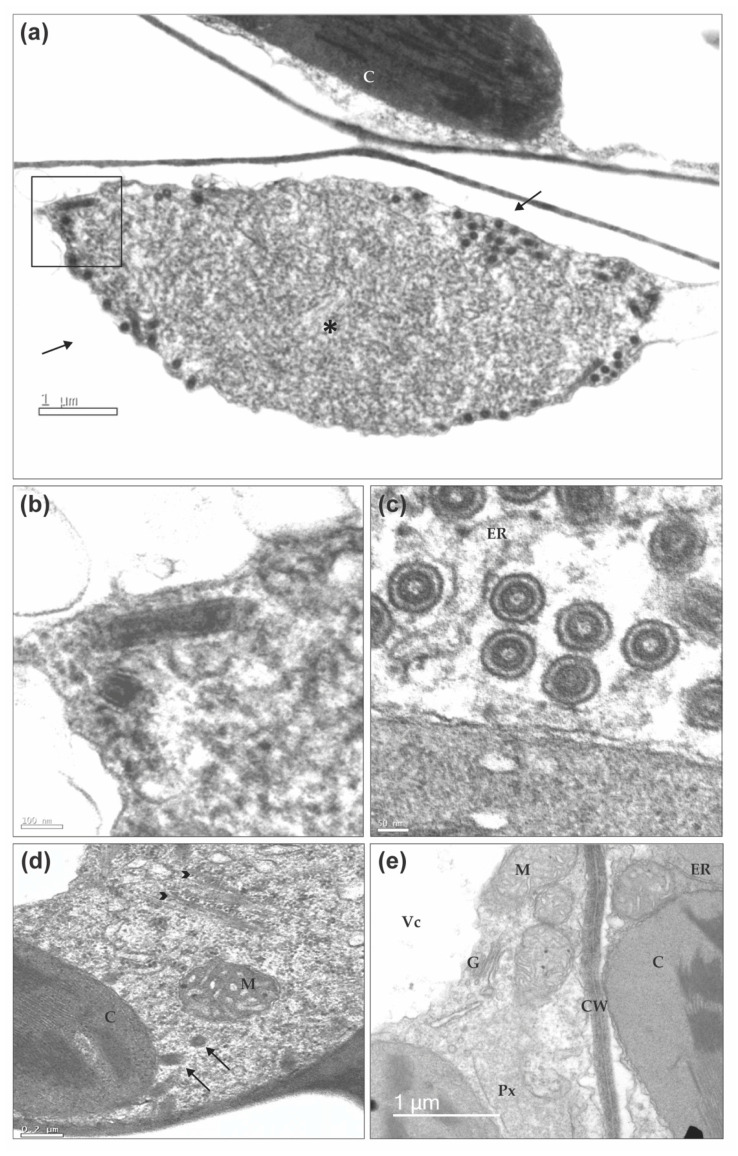
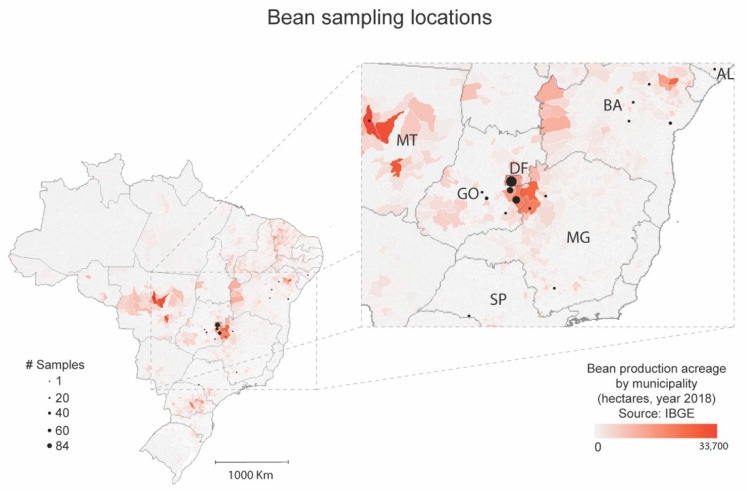
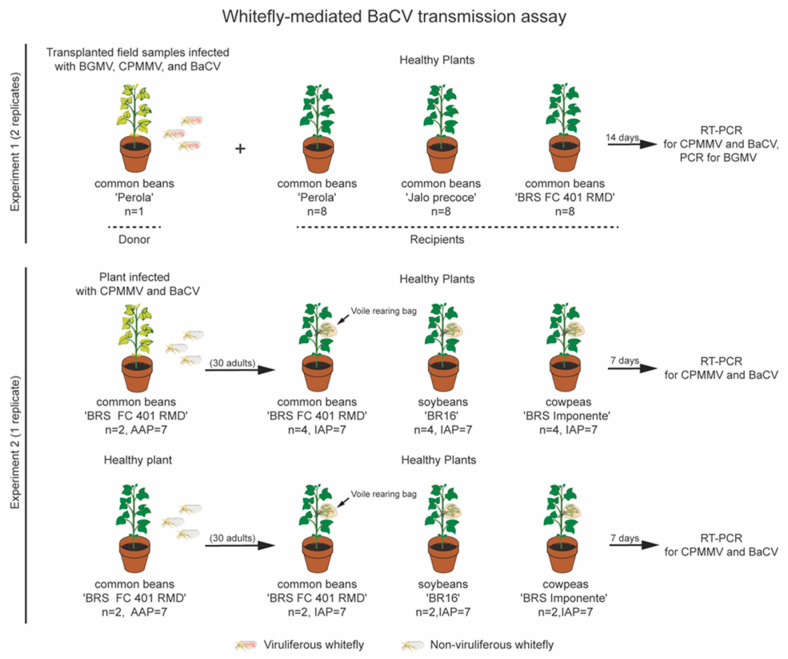
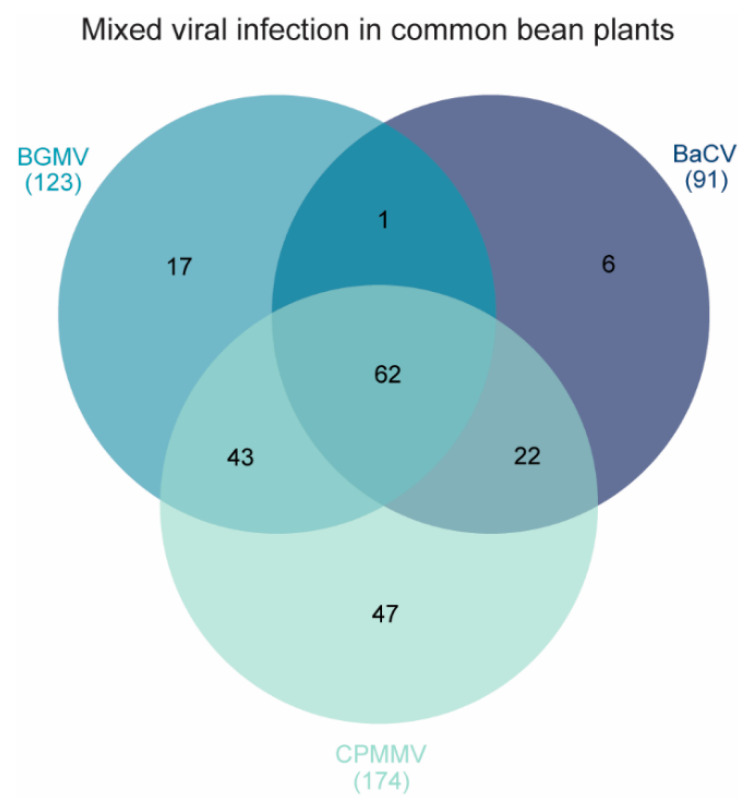
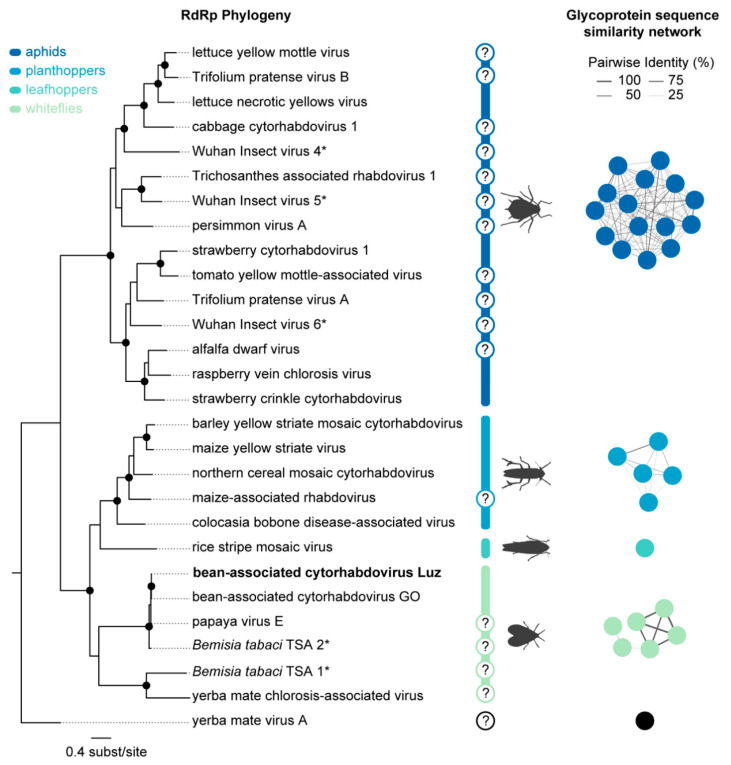
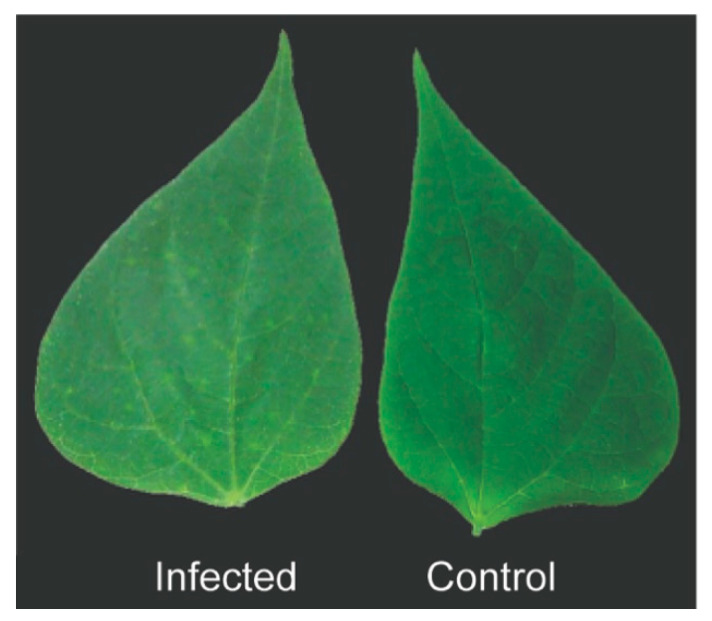
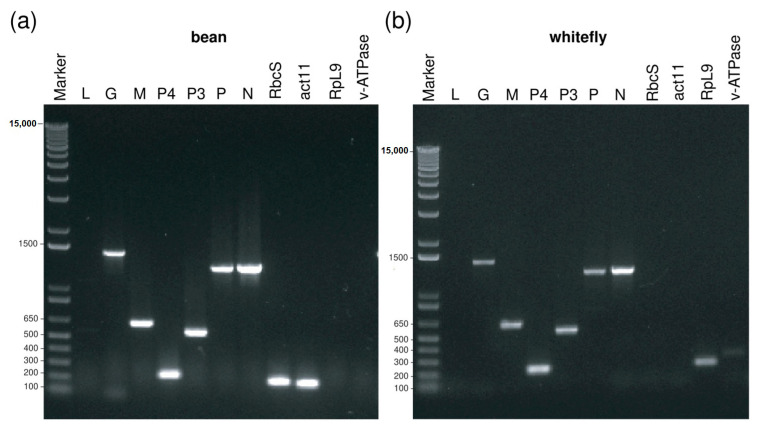
The knowledge of genomic data of new plant viruses is increasing exponentially; however, some aspects of their biology, such as vectors and host range, remain mostly unknown. This information is crucial for the understanding of virus-plant interactions, control strategies, and mechanisms to prevent outbreaks. Typically, rhabdoviruses infect monocot and dicot plants and are vectored in nature by hemipteran sap-sucking insects, including aphids, leafhoppers, and planthoppers. However, several strains of a potentially whitefly-transmitted virus, papaya cytorhabdovirus, were recently described: (i) bean-associated cytorhabdovirus (BaCV) in Brazil, (ii) papaya virus E (PpVE) in Ecuador, and (iii) citrus-associated rhabdovirus (CiaRV) in China. Here, we examine the potential of the Middle East-Asia Minor 1 (MEAM1) to transmit BaCV, its morphological and cytopathological characteristics, and assess the incidence of BaCV across bean producing areas in Brazil. Our results show that BaCV is efficiently transmitted, in experimental conditions, by MEAM1 to bean cultivars, and with lower efficiency to cowpea and soybean. Moreover, we detected BaCV RNA in viruliferous whiteflies but we were unable to visualize viral particles or viroplasm in the whitefly tissues. BaCV could not be singly isolated for pathogenicity tests, identification of the induced symptoms, and the transmission assay. BaCV was detected in five out of the seven states in Brazil included in our study, suggesting that it is widely distributed throughout bean producing areas in the country. This is the first report of a whitefly-transmitted rhabdovirus.
新植物病毒的基因组数据呈指数级增长;然而,它们的生物学特性,如载体和宿主范围,在很大程度上仍然未知。这些信息对于了解病毒-植物相互作用、控制策略以及预防疫情爆发的机制至关重要。通常,弹状病毒感染单子叶和双子叶植物,在自然界中由半翅目吸食汁液的昆虫传播,包括蚜虫、叶蝉和飞虱。然而,最近描述了几种潜在的粉虱传播病毒,如木瓜细胞弹状病毒(papaya cytorhabdovirus):(i)巴西的豆科 associated cytorhabdovirus(BaCV),(ii)厄瓜多尔的 papaya virus E(PpVE),和(iii)中国的柑橘 associated rhabdovirus(CiaRV)。在这里,我们研究了中东-亚洲小亚细亚 1 型(MEAM1)传播 BaCV 的潜力、其形态和细胞病理学特征,并评估了巴西各地豆类生产区 BaCV 的发病率。我们的结果表明,在实验条件下,BaCV 能够被 MEAM1 高效地传播到豆类品种,而向豇豆和大豆的传播效率较低。此外,我们在带毒的粉虱中检测到了 BaCV RNA,但未能在粉虱组织中观察到病毒粒子或类病毒体。由于无法进行致病性测试、诱导症状的鉴定以及传播试验,因此无法单独分离出 BaCV。在包括在我们研究中的巴西的七个州中的五个州中检测到了 BaCV,这表明它在该国的豆类生产区广泛分布。这是首例关于粉虱传播的弹状病毒的报道。