KU Leuven, Laboratory of Molecular and Cellular Signaling, Department of Cellular and Molecular Medicine & Leuven Kanker Instituut (LKI), Leuven, Belgium.
Molecular Hematology, International Center for Genetic Engineering & Biotechnology, Trieste, Italy.
Cell Death Dis. 2020 Sep 17;11(9):769. doi: 10.1038/s41419-020-02944-6.
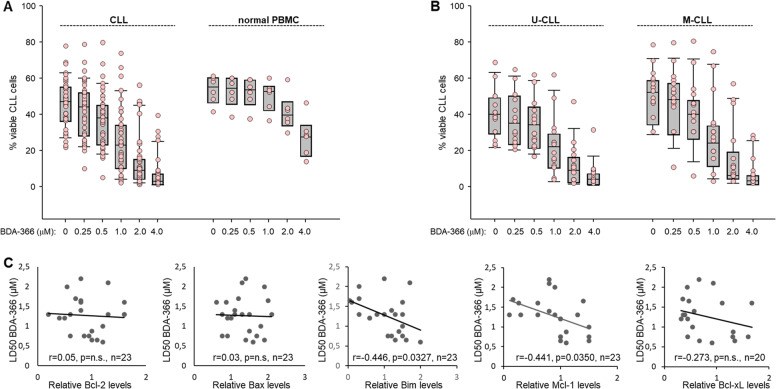
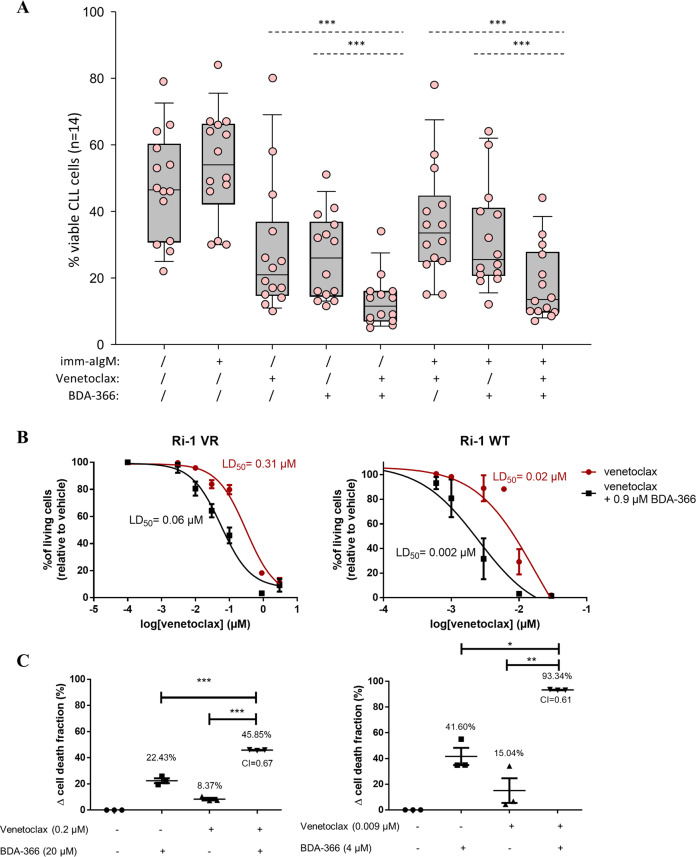
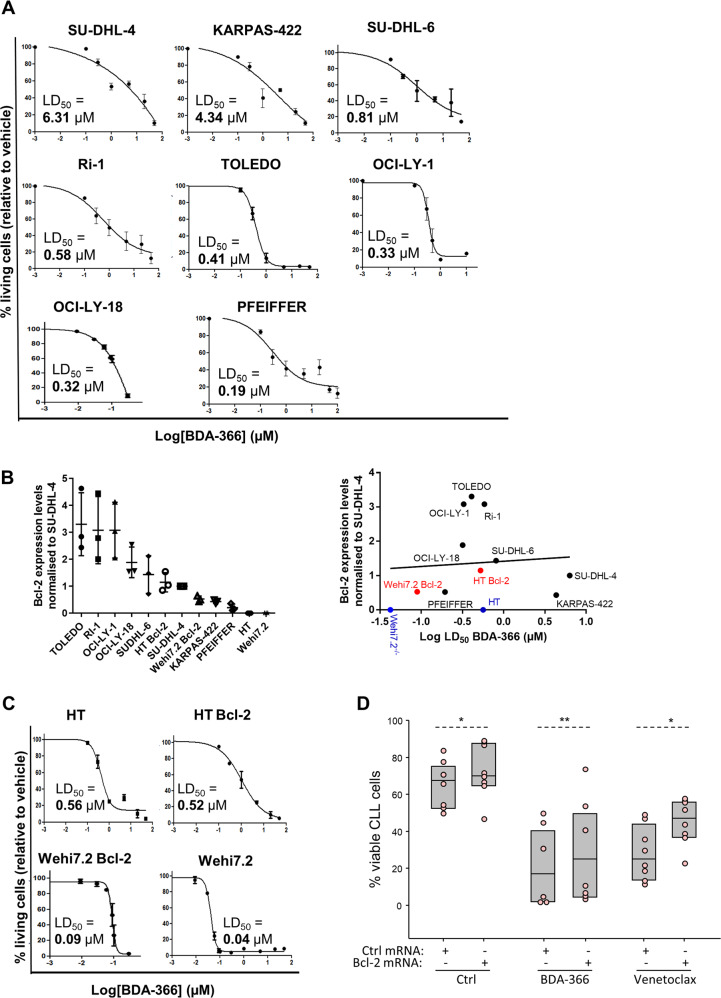
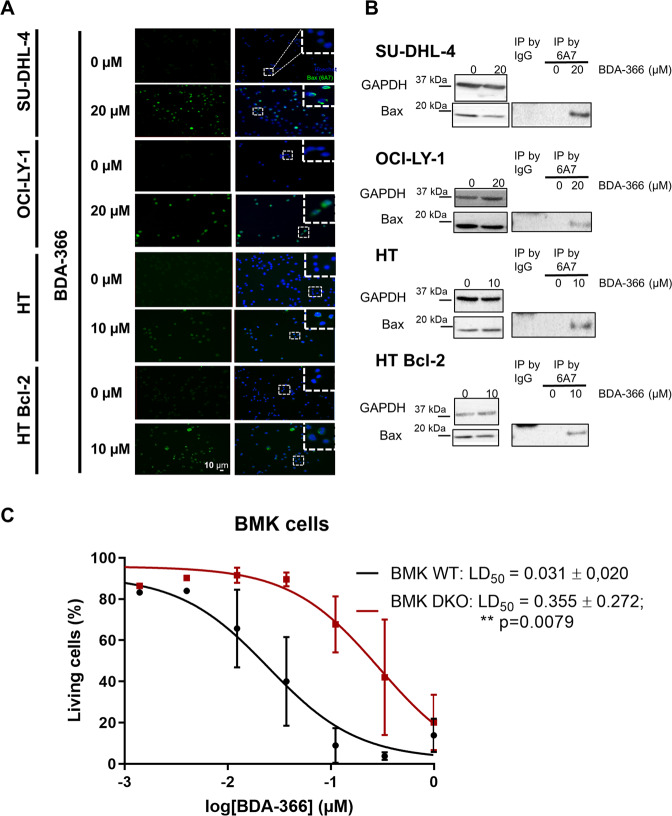
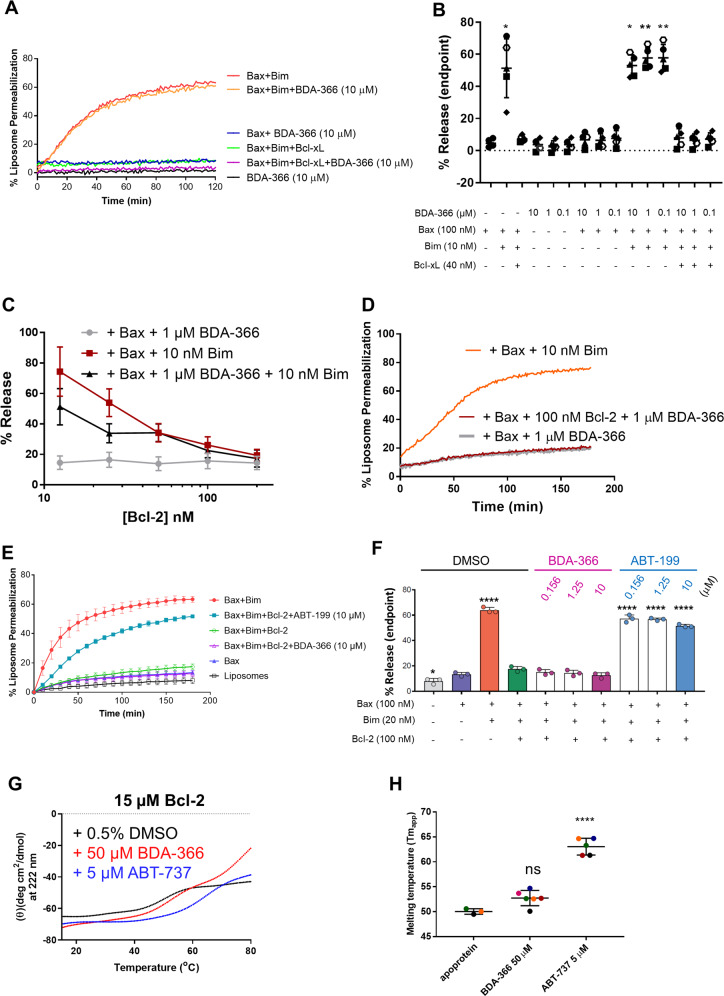
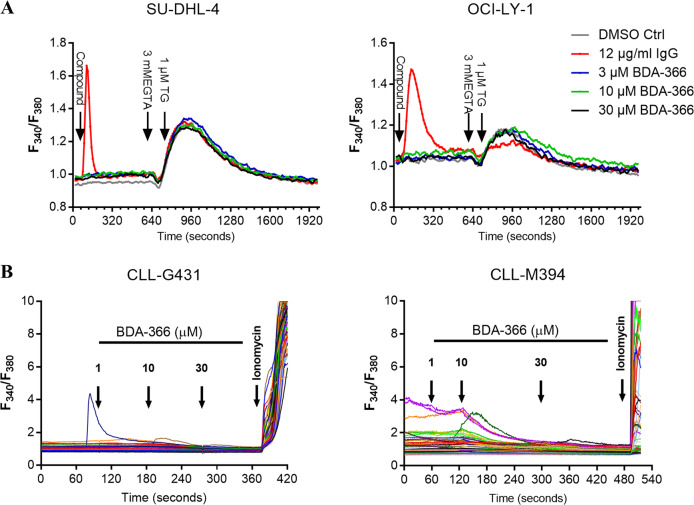
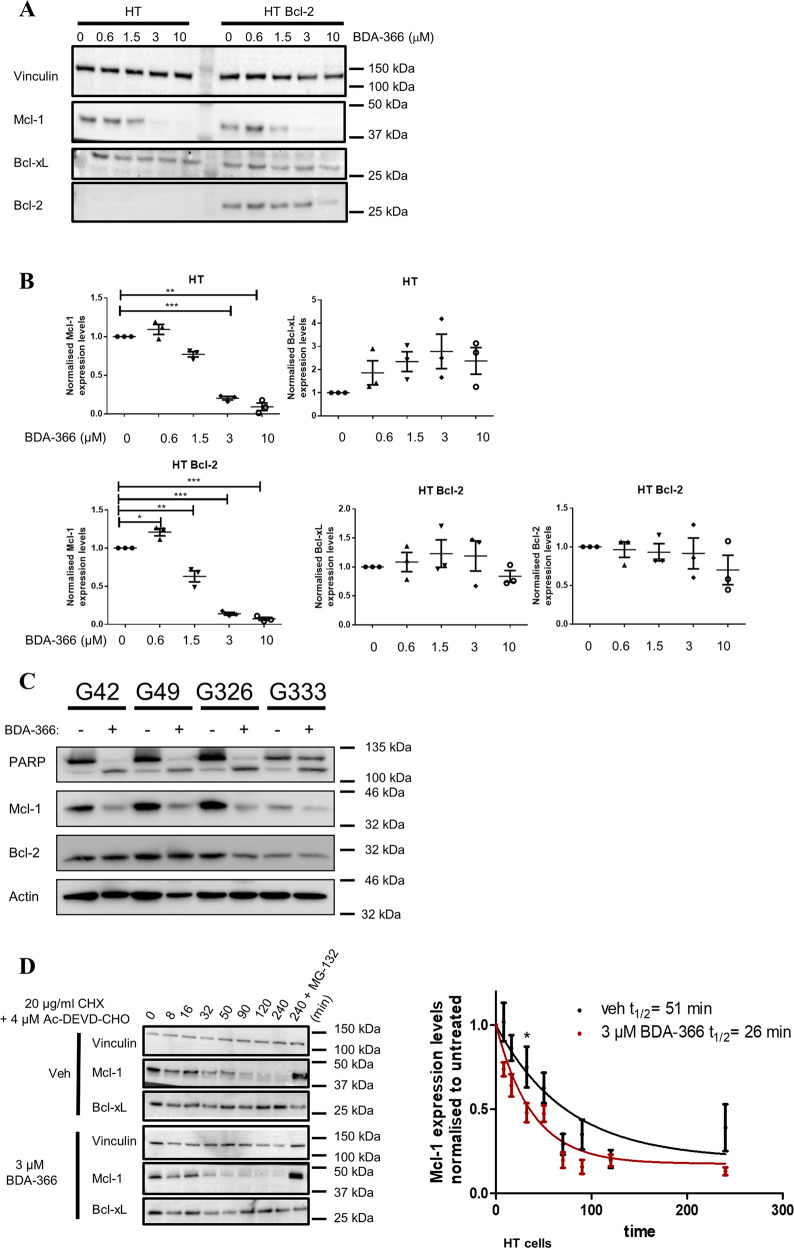
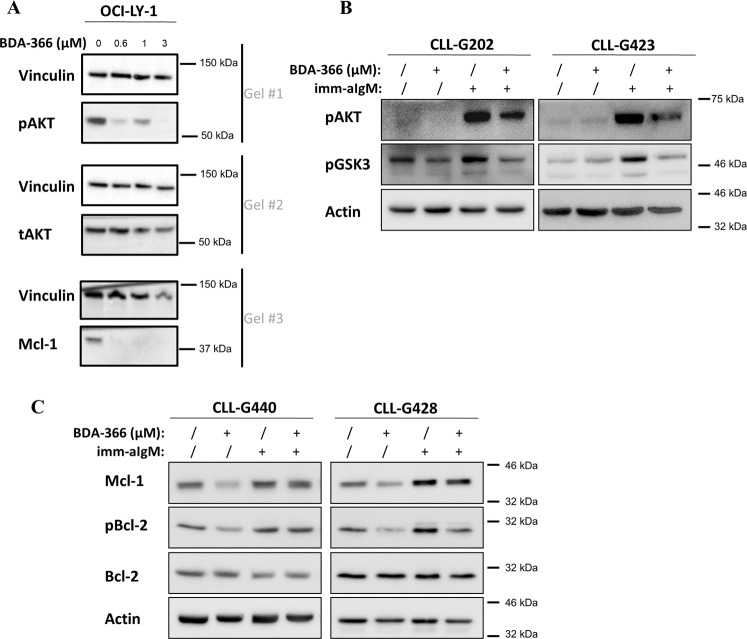
Several cancer cell types, including chronic lymphocytic leukemia (CLL) and diffuse large B-cell lymphoma (DLBCL) upregulate antiapoptotic Bcl-2 to cope with oncogenic stress. BH3 mimetics targeting Bcl-2's hydrophobic cleft have been developed, including venetoclax as a promising anticancer precision medicine for treating CLL patients. Recently, BDA-366 was identified as a small molecule BH4-domain antagonist that could kill lung cancer and multiple myeloma cells. BDA-366 was proposed to switch Bcl-2 from an antiapoptotic into a proapoptotic protein, thereby activating Bax and inducing apoptosis. Here, we scrutinized the therapeutic potential and mechanism of action of BDA-366 in CLL and DLBCL. Although BDA-366 displayed selective toxicity against both cell types, the BDA-366-induced cell death did not correlate with Bcl-2-protein levels and also occurred in the absence of Bcl-2. Moreover, although BDA-366 provoked Bax activation, it did neither directly activate Bax nor switch Bcl-2 into a Bax-activating protein in in vitro Bax/liposome assays. Instead, in primary CLL cells and DLBCL cell lines, BDA-366 inhibited the activity of the PI3K/AKT pathway, resulted in Bcl-2 dephosphorylation and reduced Mcl-1-protein levels without affecting the levels of Bcl-2 or Bcl-xL. Hence, our work challenges the current view that BDA-366 is a BH4-domain antagonist of Bcl-2 that turns Bcl-2 into a pro-apoptotic protein. Rather, our results indicate that other mechanisms beyond switching Bcl-2 conformation underlie BDA-366's cell-death properties that may implicate Mcl-1 downregulation and/or Bcl-2 dephosphorylation.
几种癌细胞类型,包括慢性淋巴细胞白血病(CLL)和弥漫性大 B 细胞淋巴瘤(DLBCL),上调抗凋亡 Bcl-2 以应对致癌应激。已经开发出针对 Bcl-2 疏水裂缝的 BH3 模拟物,包括 venetoclax 作为治疗 CLL 患者的有前途的抗癌精准药物。最近,BDA-366 被鉴定为一种小分子 BH4 结构域拮抗剂,可杀死肺癌和多发性骨髓瘤细胞。BDA-366 被提议将 Bcl-2 从抗凋亡转化为促凋亡蛋白,从而激活 Bax 并诱导细胞凋亡。在这里,我们仔细研究了 BDA-366 在 CLL 和 DLBCL 中的治疗潜力和作用机制。尽管 BDA-366 对两种细胞类型均表现出选择性毒性,但 BDA-366 诱导的细胞死亡与 Bcl-2 蛋白水平无关,并且在没有 Bcl-2 的情况下也会发生。此外,尽管 BDA-366 引发了 Bax 的激活,但它既没有直接激活 Bax,也没有在体外 Bax/脂质体测定中将 Bcl-2 转化为 Bax 激活蛋白。相反,在原代 CLL 细胞和 DLBCL 细胞系中,BDA-366 抑制了 PI3K/AKT 途径的活性,导致 Bcl-2 去磷酸化和 Mcl-1 蛋白水平降低,而不影响 Bcl-2 或 Bcl-xL 的水平。因此,我们的工作挑战了当前的观点,即 BDA-366 是 Bcl-2 的 BH4 结构域拮抗剂,可将 Bcl-2 转化为促凋亡蛋白。相反,我们的结果表明,除了改变 Bcl-2 构象之外,BDA-366 的细胞死亡特性还涉及其他机制,这可能涉及 Mcl-1 下调和/或 Bcl-2 去磷酸化。