Department of Nephrology, Juntendo University Faculty of Medicine, 2-1-1 Hongo, Bunkyo-ku, Tokyo, 113-8421, Japan.
Department of Nephrology and Hypertension, Juntendo University Urayasu Hospital, 2-1-1 Tomioka, Urayasu-City, Chiba, 279-0021, Japan.
BMC Nephrol. 2020 Sep 18;21(1):402. doi: 10.1186/s12882-020-02060-9.
Dipeptidyl peptidase-4 (DPP-4) is a serine protease that inhibits the degradation of glucagon-like peptide 1. DPP-4 inhibitors are used worldwide to treat type 2 diabetes mellitus and were recently shown to have pleiotropic effects such as anti-oxidant, anti-inflammatory, and anti-fibrotic actions. DPP-4 inhibitors improve albuminuria and renal injury including glomerular damage independent of its hypoglycemic effect. Although DPP-4 is mainly expressed in the kidney, the physiological function of DPP-4 remains unclear.
The localization of renal DPP-4 activity was determined in human renal biopsy specimens with glycyl-1-prolyl-4-methoxy-2-naphthylamide and the effects of a DPP-4 inhibitor were examined in human cultured podocyte.
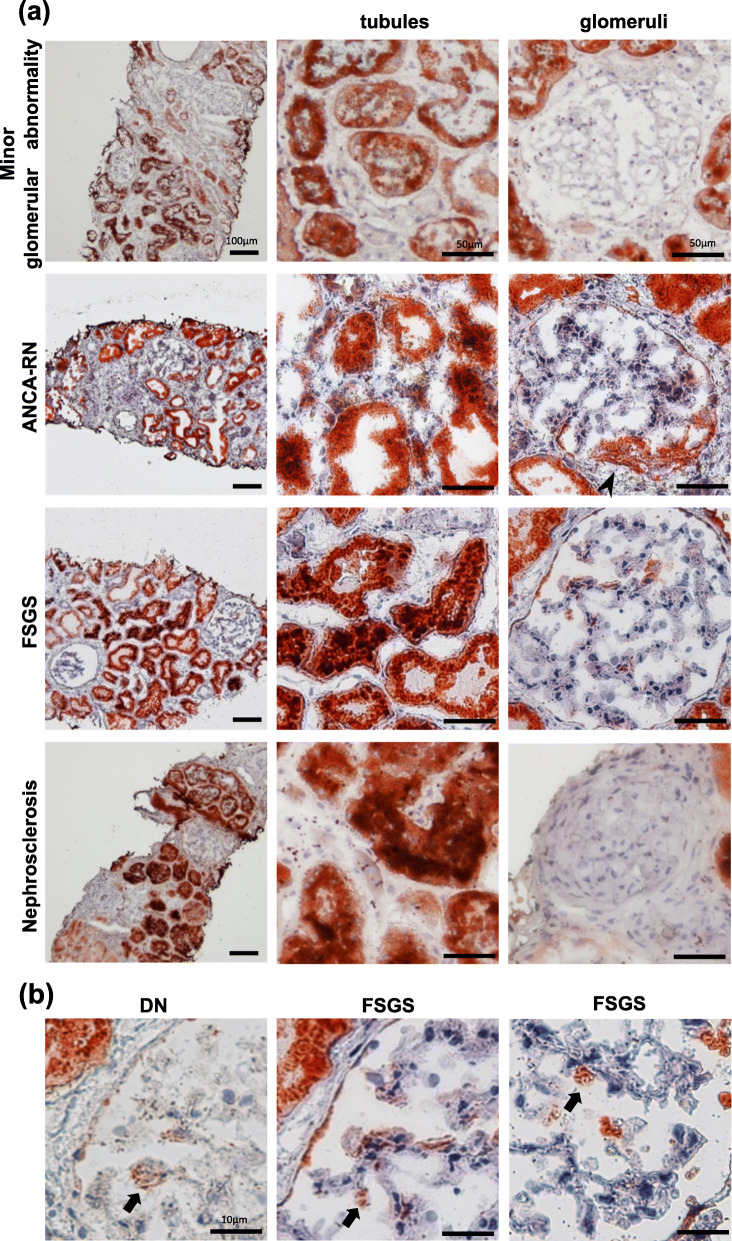
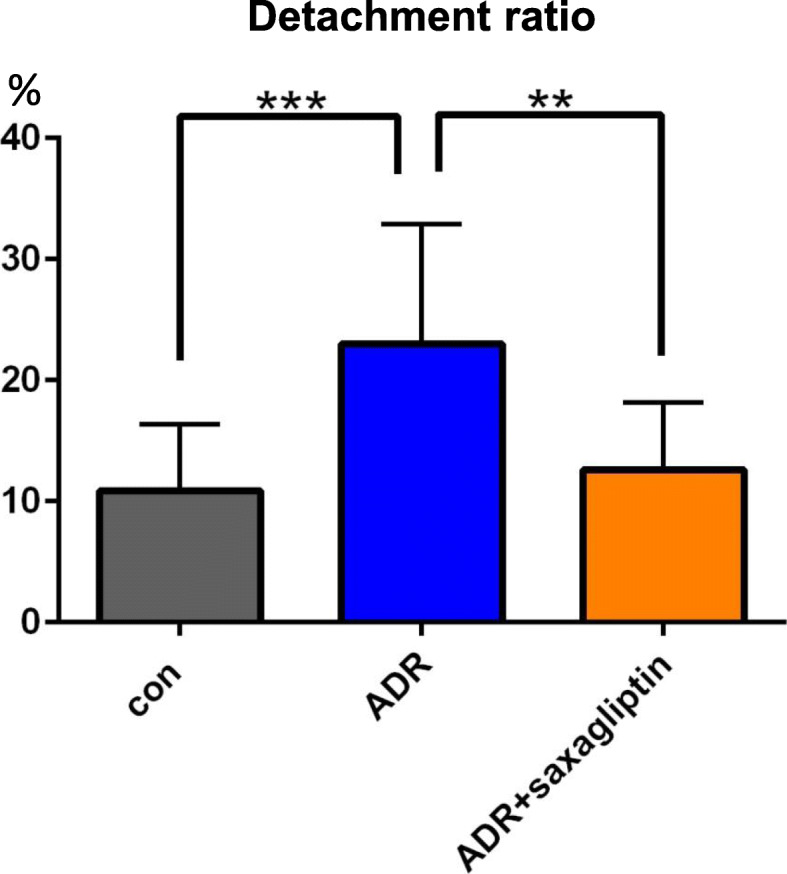
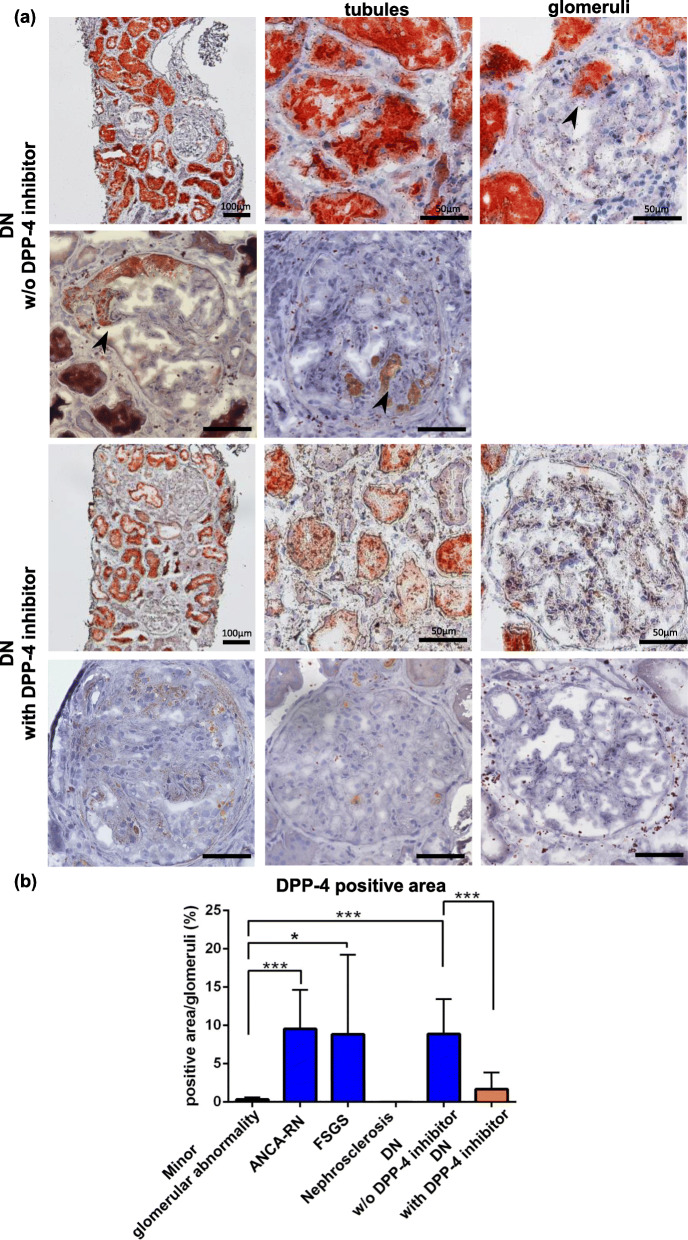
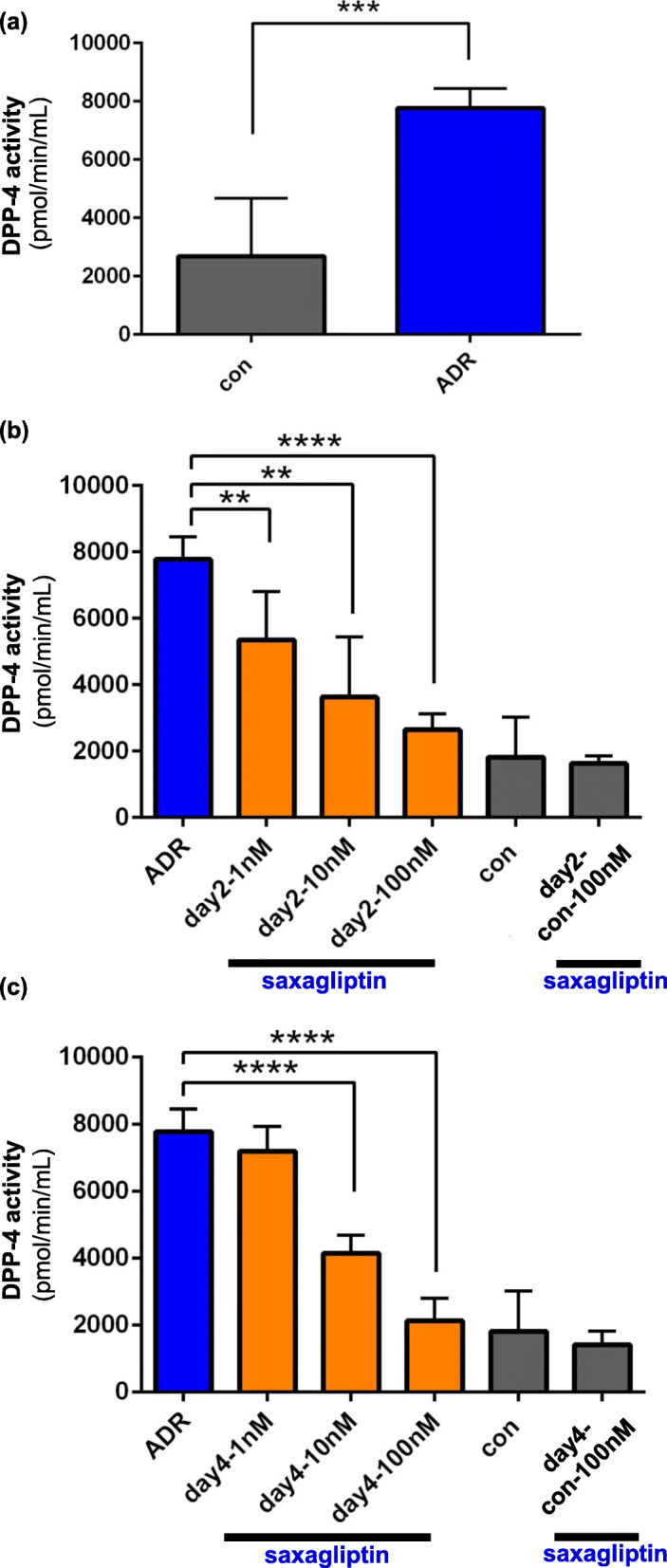
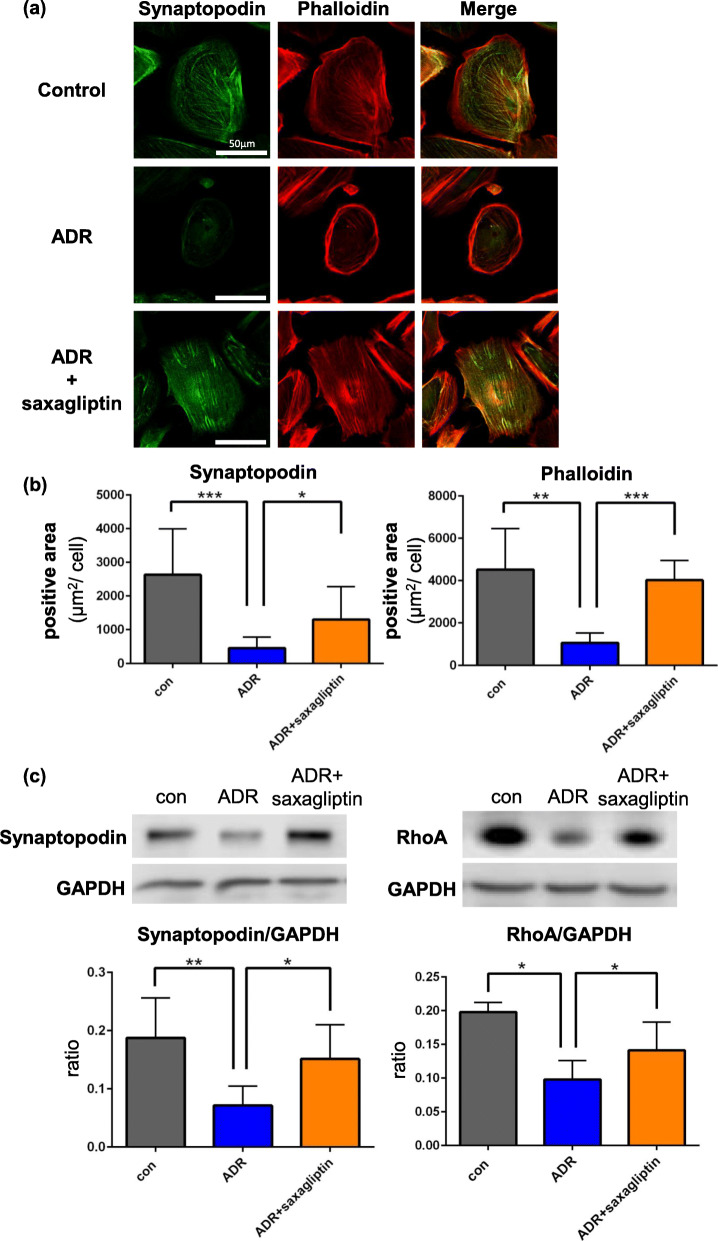
DPP-4 activity under normal conditions was observed in some Bowman's capsular epithelial cells and proximal tubules, but not in the glomerulus. DPP-4 activity was observed in crescent formation in anti-neutrophil myeloperoxidase cytoplasmic antigen antibody nephritis, nodular lesions in diabetic nephropathy, and some podocytes in focal segmental glomerulosclerosis. Notably, the DPP-4 inhibitor saxagliptin suppressed DPP-4 activity in podocytes and the proximal tubules. To assess the effect of DPP-4 inhibitor on podocytes, human cultured podocytes were injured by Adriamycin, which increased DPP-4 activity; this activity was dose-dependently suppressed by saxagliptin. Treatment with saxagliptin maintained the structure of synaptopodin and RhoA. Saxagliptin also improved the detachment of podocytes.
DPP-4 activity induces degradation of synaptopodin and reduction of RhoA, resulting in destruction of the podocyte cytoskeleton. Saxagliptin may have pleiotropic effects to prevent podocyte injury.
二肽基肽酶-4(DPP-4)是一种丝氨酸蛋白酶,可抑制胰高血糖素样肽 1 的降解。DPP-4 抑制剂在全球范围内用于治疗 2 型糖尿病,最近已显示出多种作用,如抗氧化、抗炎和抗纤维化作用。DPP-4 抑制剂可改善白蛋白尿和肾脏损伤,包括肾小球损伤,而不依赖其降血糖作用。尽管 DPP-4 主要在肾脏表达,但 DPP-4 的生理功能仍不清楚。
用人肾活检标本中的甘氨酰-1-脯氨酰-4-甲氧基-2-萘基酰胺测定肾 DPP-4 活性的定位,并在人培养的足细胞中检查 DPP-4 抑制剂的作用。
在正常条件下,DPP-4 活性在一些鲍曼囊的上皮细胞和近端小管中观察到,但在肾小球中未观察到。在抗中性粒细胞髓过氧化物酶细胞质抗原抗体肾炎、糖尿病肾病的结节病变和局灶节段性肾小球硬化症中的一些足细胞中观察到新月体形成。值得注意的是,DPP-4 抑制剂沙格列汀抑制了足细胞和近端小管中的 DPP-4 活性。为了评估 DPP-4 抑制剂对足细胞的作用,用阿霉素损伤人培养的足细胞,增加 DPP-4 活性;沙格列汀呈剂量依赖性地抑制该活性。沙格列汀治疗维持了突触蛋白和 RhoA 的结构。沙格列汀还改善了足细胞的脱落。
DPP-4 活性诱导突触蛋白的降解和 RhoA 的减少,导致足细胞细胞骨架的破坏。沙格列汀可能具有多种作用,可预防足细胞损伤。