Department of Basic and Clinical Neuroscience, Institute of Psychiatry, Psychology & Neuroscience, King's College London, London, UK.
Department of Psychological Medicine, Institute of Psychiatry, Psychology & Neuroscience, King's College London, London, UK.
Transl Psychiatry. 2020 Sep 21;10(1):325. doi: 10.1038/s41398-020-01000-3.
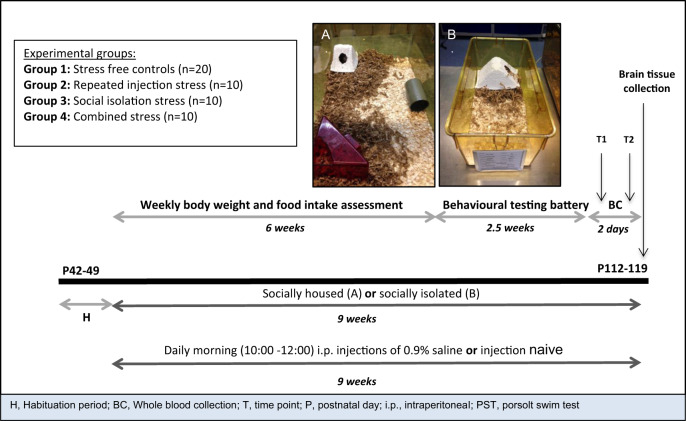
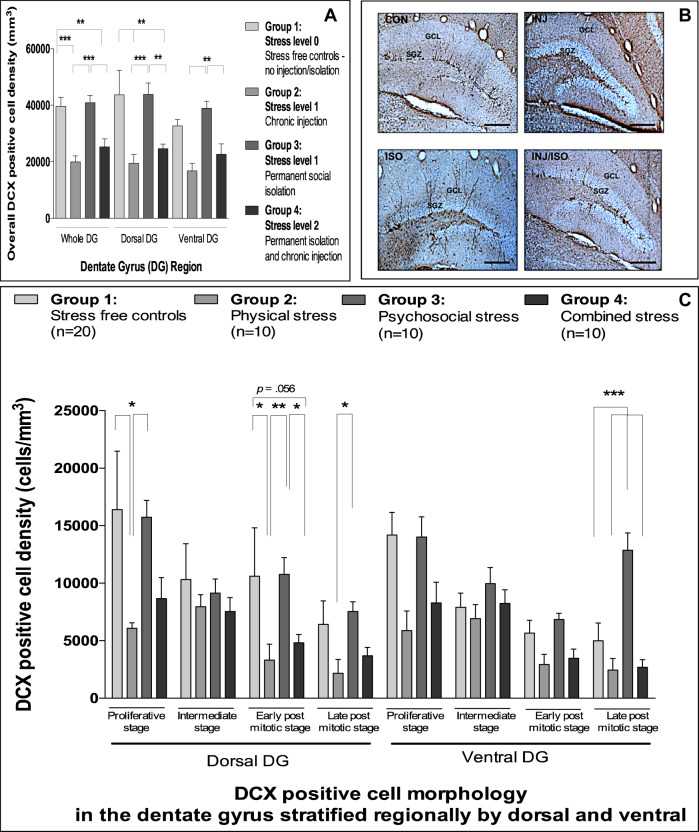
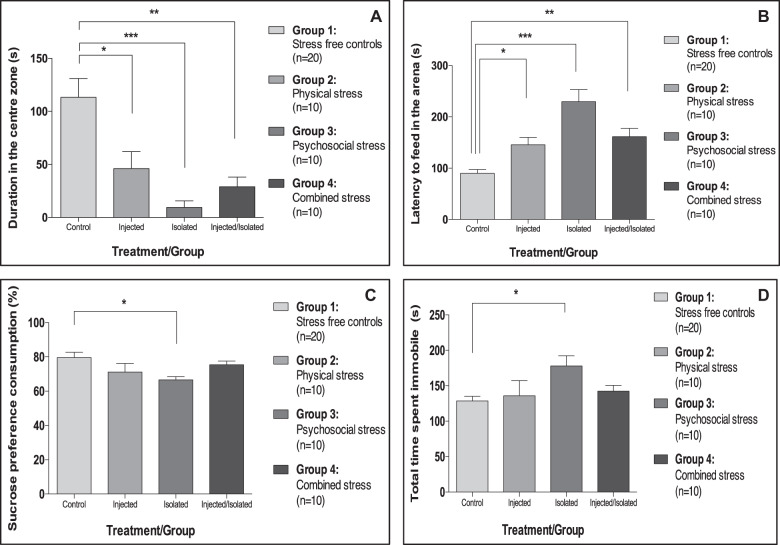
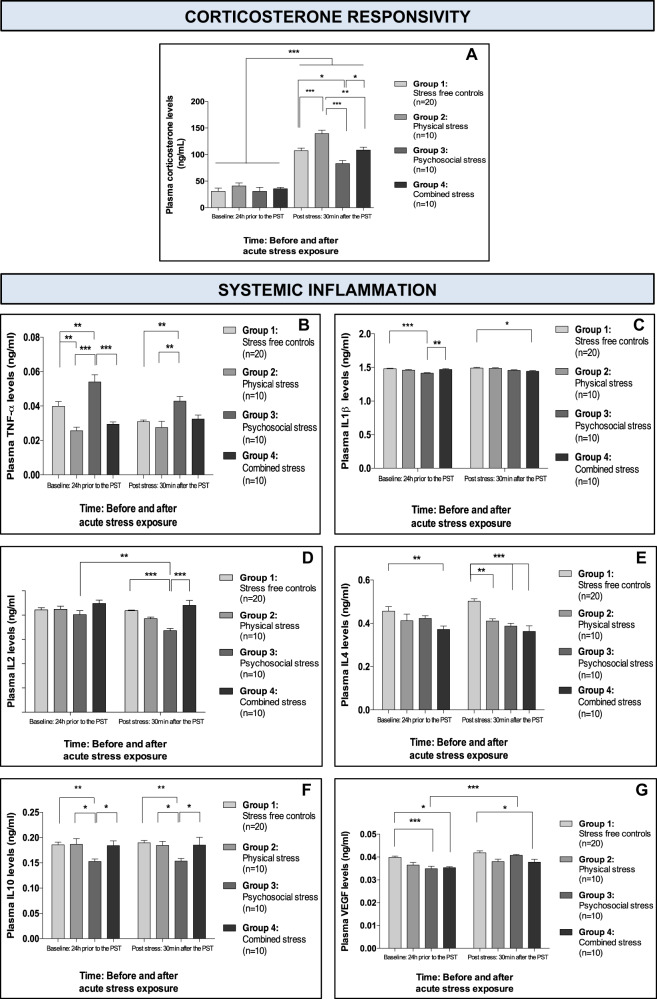
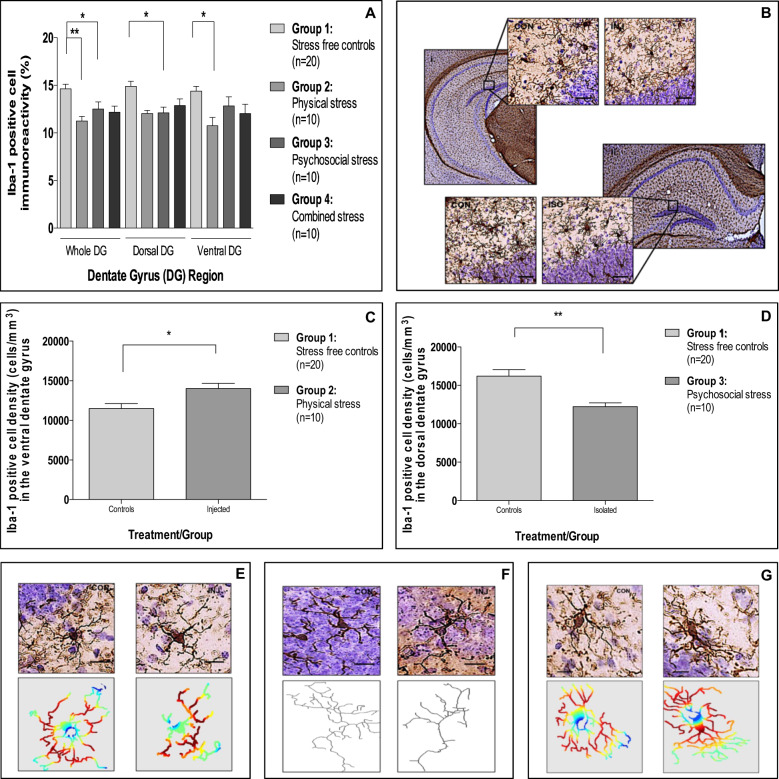
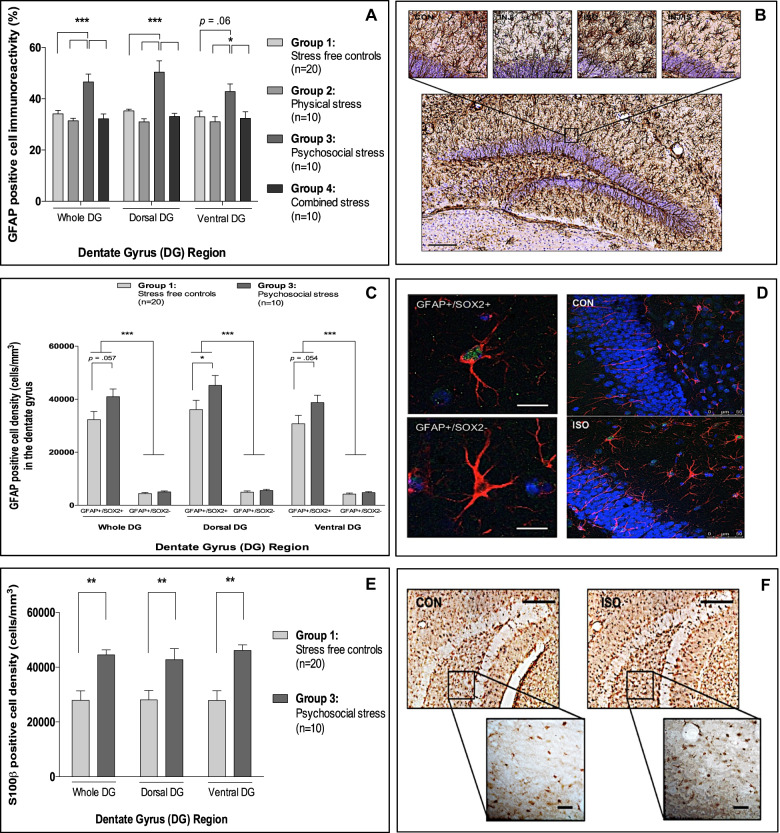
Chronic stress can alter the immune system, adult hippocampal neurogenesis and induce anxiety- and depressive-like behaviour in rodents. However, previous studies have not discriminated between the effect(s) of different types of stress on these behavioural and biological outcomes. We investigated the effect(s) of repeated injection vs. permanent social isolation on behaviour, stress responsivity, immune system functioning and hippocampal neurogenesis, in young adult male mice, and found that the type of stress exposure does indeed matter. Exposure to 6 weeks of repeated injection resulted in an anxiety-like phenotype, decreased systemic inflammation (i.e., reduced plasma levels of TNFα and IL4), increased corticosterone reactivity, increased microglial activation and decreased neuronal differentiation in the dentate gyrus (DG). In contrast, exposure to 6 weeks of permanent social isolation resulted in a depressive-like phenotype, increased plasma levels of TNFα, decreased plasma levels of IL10 and VEGF, decreased corticosterone reactivity, decreased microglial cell density and increased cell density for radial glia, s100β-positive cells and mature neuroblasts-all in the DG. Interestingly, combining the two distinct stress paradigms did not have an additive effect on behavioural and biological outcomes, but resulted in yet a different phenotype, characterized by increased anxiety-like behaviour, decreased plasma levels of IL1β, IL4 and VEGF, and decreased hippocampal neuronal differentiation, without altered neuroinflammation or corticosterone reactivity. These findings demonstrate that different forms of chronic stress can differentially alter both behavioural and biological outcomes in young adult male mice, and that combining multiple stressors may not necessarily cause more severe pathological outcomes.
慢性应激会改变免疫系统、成年海马神经发生,并在啮齿动物中诱导焦虑和抑郁样行为。然而,以前的研究并没有区分不同类型的应激对这些行为和生物学结果的影响。我们研究了重复注射和永久性社会隔离对年轻成年雄性小鼠行为、应激反应、免疫系统功能和海马神经发生的影响,结果发现应激暴露的类型确实很重要。暴露于 6 周的重复注射会导致焦虑样表型,全身炎症减少(即 TNFα 和 IL4 血浆水平降低),皮质酮反应性增加,小胶质细胞激活增加,齿状回(DG)中的神经元分化减少。相比之下,暴露于 6 周的永久性社会隔离会导致抑郁样表型,TNFα 血浆水平增加,IL10 和 VEGF 血浆水平降低,皮质酮反应性降低,DG 中的放射状胶质细胞、s100β 阳性细胞和成熟神经母细胞的细胞密度增加,小胶质细胞密度降低。有趣的是,将两种不同的应激范式结合使用不会对行为和生物学结果产生累加效应,而是导致另一种表型,其特征是焦虑样行为增加,IL1β、IL4 和 VEGF 血浆水平降低,以及海马神经元分化减少,而神经炎症或皮质酮反应性没有改变。这些发现表明,不同形式的慢性应激会在年轻成年雄性小鼠中不同地改变行为和生物学结果,并且结合多种应激源不一定会导致更严重的病理结果。