Hung Yu-Chiang, Wang Pei-Wen, Lin Tung-Yi, Yang Pei-Ming, You Jyh-Sheng, Pan Tai-Long
Department of Chinese Medicine, College of Medicine, Kaohsiung Chang Gung Memorial Hospital and Chang Gung University, Kaohsiung, Taiwan.
Department of Medical Research, China Medical University Hospital, China Medical University, Taichung, Taiwan.
Oxid Med Cell Longev. 2020 Sep 9;2020:5136934. doi: 10.1155/2020/5136934. eCollection 2020.
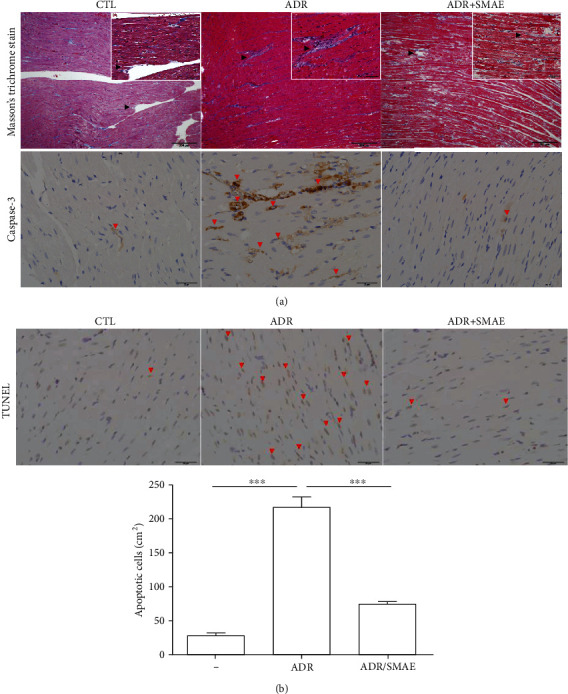
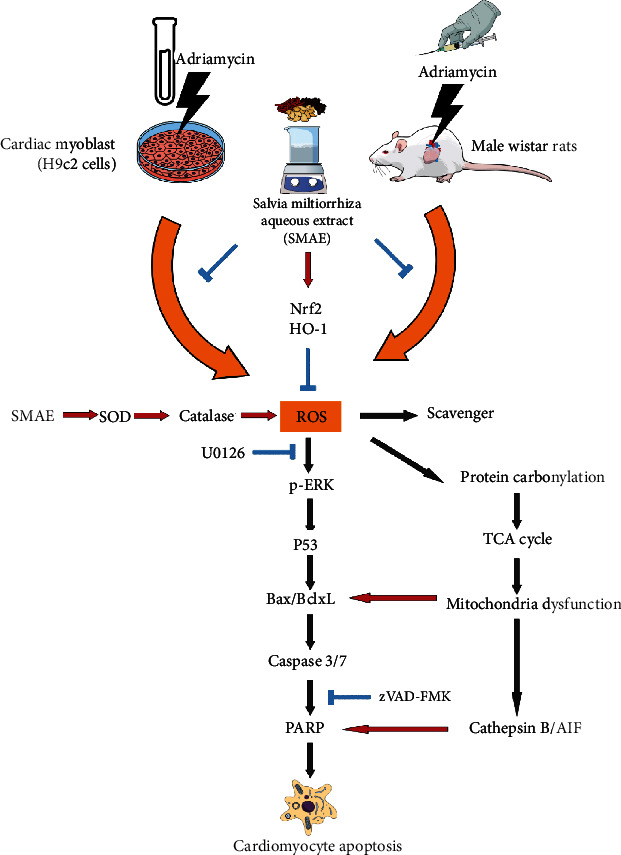
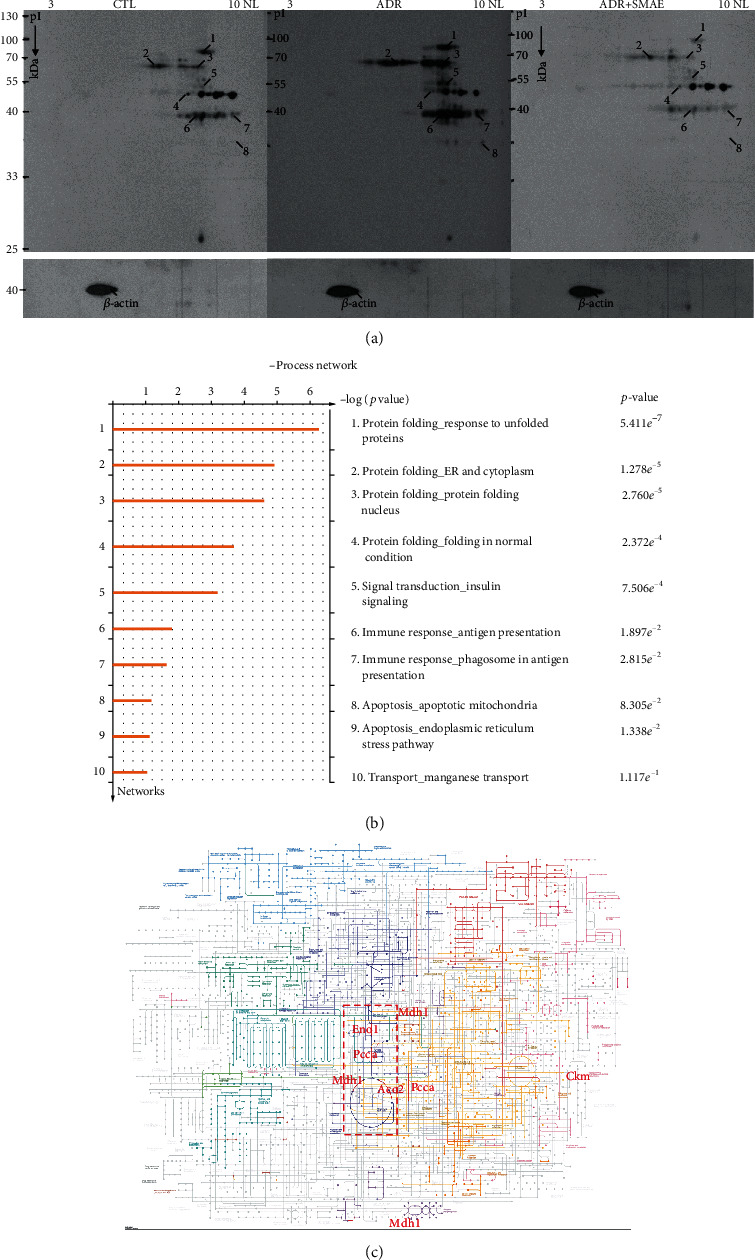
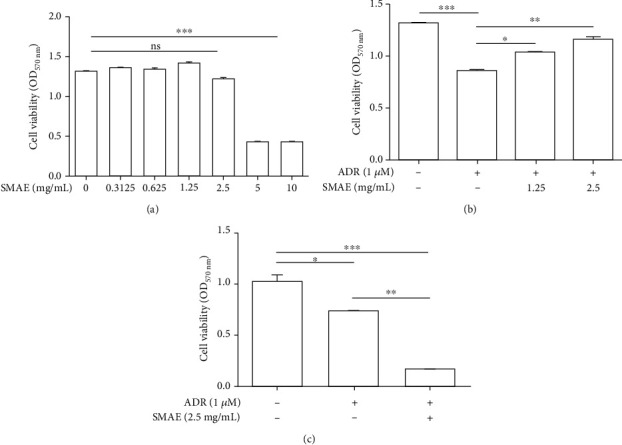
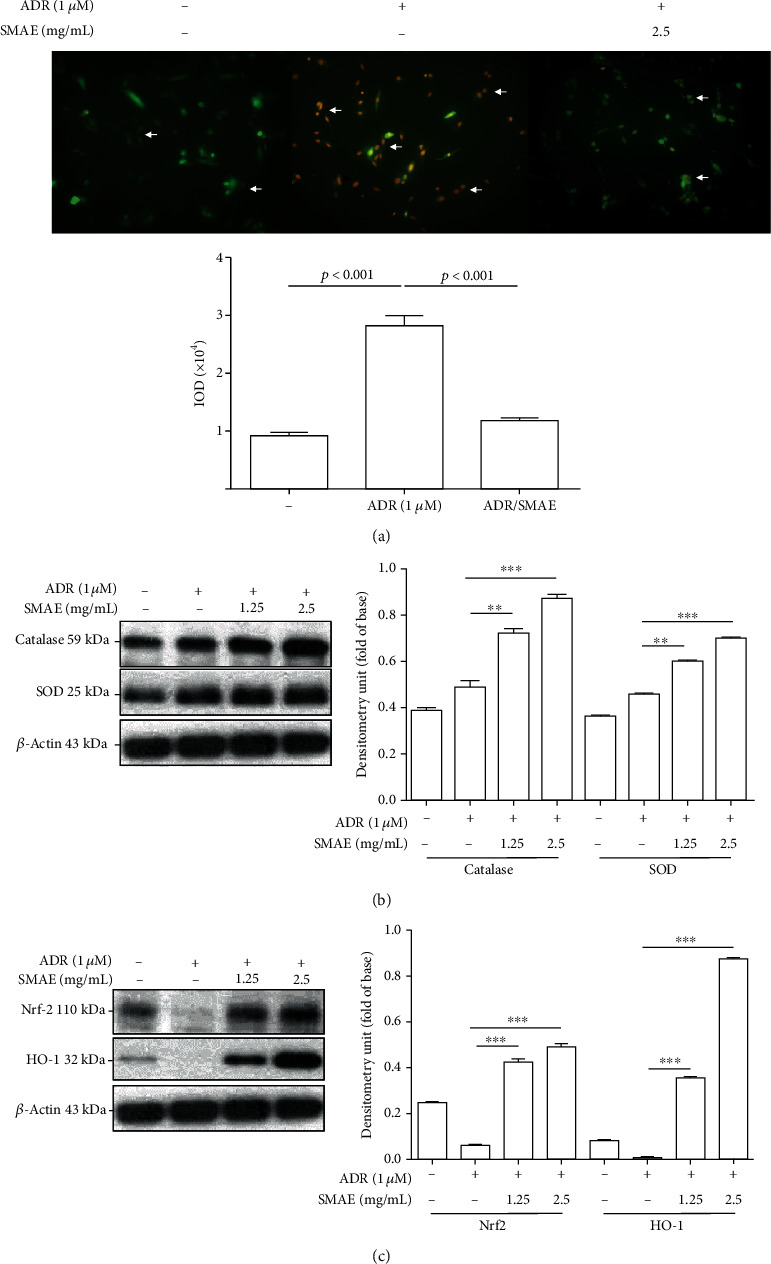
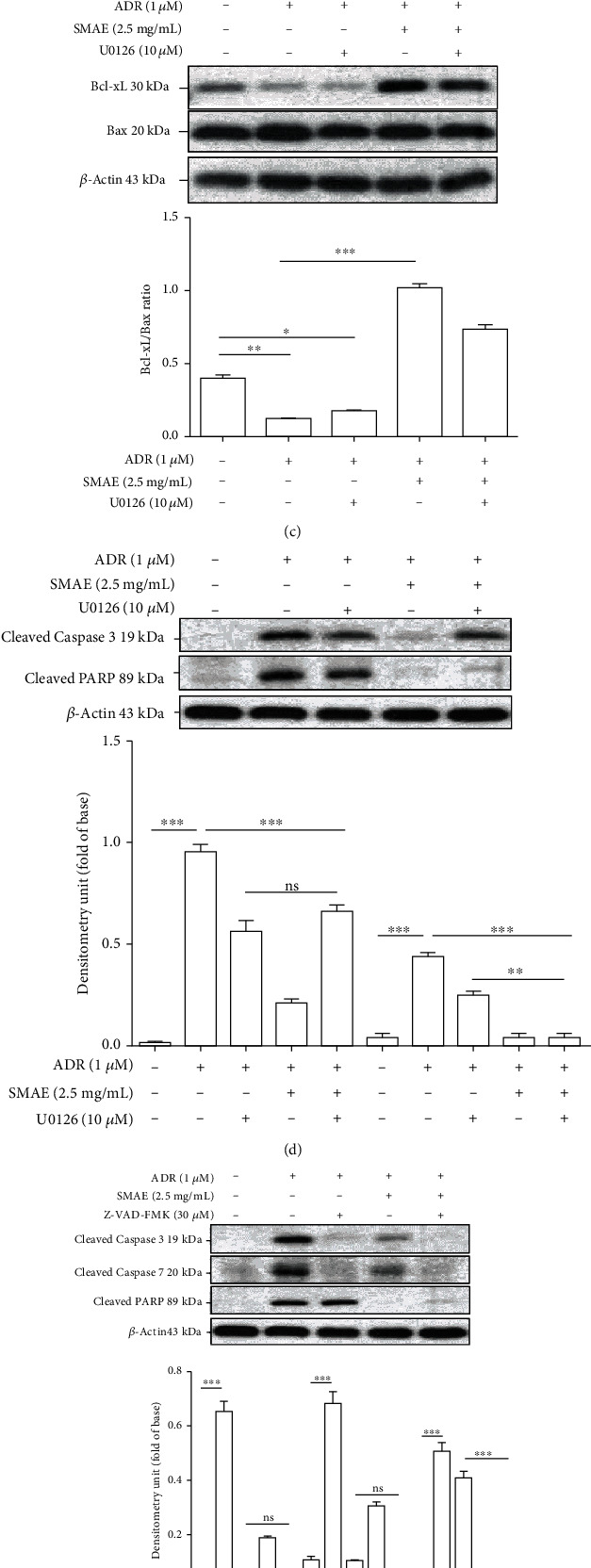
The anticancer agent adriamycin (ADR) has long been recognized to induce a dose-limiting cardiotoxicity, while (SM) is a Chinese herb widely used for the treatment of cardiovascular disorders and its aqueous extract (SMAE) has shown anticancer as well as antioxidant effects. In the current study, we aimed at investigating the synergistic effect and potent molecular mechanisms of SMAE with a focus on the cardioprotective benefit observed under ADR adoption. Histopathological analysis indicated that SMAE could substantially alleviate cardiomyopathy and cell apoptosis caused by ADR. Meanwhile, the two-dimensional electrophoresis (2-DE) oxyblots demonstrated that SMAE treatment could effectively reduce carbonylation of specific proteins associated with oxidative stress response and various metabolic pathways in the presence of ADR. SMAE application also showed protective efficacy against ADR-mediated H9c2 cell death in a dose-dependent manner without causing any cytotoxicity and significantly attenuated the reactive oxygen species production. Particularly, the simultaneous administration of ADR and SMAE could remarkably suppress the growth of breast cancer cells. We also noticed that there was a marked upregulation of detoxifying enzyme system in the presence of SMAE, and its exposure also contributed to an increase in Nrf2 and HO-1 content as well. SMAE also amended the ERK/p53/Bcl-xL/caspase-3 signaling pathways and the mitochondrial dysfunction, which eventually attribute to apoptotic cathepsin B/AIF cascades. Correspondingly, both the ERK1/2 inhibitor (U0126) and pan-caspase inhibitor (Z-VAD-FMK) could at least partially abolish the ADR-associated cytotoxicity in H9c2 cells. Collectively, these results support that ROS apoptosis-inducing molecule release is closely involved in ADR-induced cardiotoxicity while SMAE could prevent or mitigate the causative cardiomyopathy through controlling multiple targets without compromising the efficacy of chemotherapy.
抗癌药物阿霉素(ADR)长期以来被认为会引发剂量限制性心脏毒性,而丹参(SM)是一种广泛用于治疗心血管疾病的中草药,其水提取物(SMAE)已显示出抗癌以及抗氧化作用。在本研究中,我们旨在研究SMAE的协同作用和潜在分子机制,重点关注在采用ADR时观察到的心脏保护益处。组织病理学分析表明,SMAE可显著减轻ADR引起的心肌病和细胞凋亡。同时,二维电泳(2-DE)氧化印迹显示,在存在ADR的情况下,SMAE处理可有效降低与氧化应激反应和各种代谢途径相关的特定蛋白质的羰基化。SMAE的应用还以剂量依赖性方式显示出对ADR介导的H9c2细胞死亡的保护作用,且不会引起任何细胞毒性,并显著减弱活性氧的产生。特别地,同时给予ADR和SMAE可显著抑制乳腺癌细胞的生长。我们还注意到,在存在SMAE的情况下解毒酶系统有明显上调,其暴露也导致Nrf2和HO-1含量增加。SMAE还修正了ERK/p53/Bcl-xL/半胱天冬酶-3信号通路和线粒体功能障碍,最终归因于凋亡组织蛋白酶B/AIF级联反应。相应地,ERK1/2抑制剂(U0126)和泛半胱天冬酶抑制剂(Z-VAD-FMK)至少可以部分消除H9c2细胞中与ADR相关的细胞毒性。总体而言,这些结果支持活性氧诱导凋亡分子的释放与ADR诱导的心脏毒性密切相关,而SMAE可通过控制多个靶点预防或减轻致病性心肌病,同时不影响化疗效果。