Li Xinyu, Zhang Wei, Cao Qingtai, Wang Zeyu, Zhao Mingyi, Xu Linyong, Zhuang Quan
Transplantation Center of the 3rd Xiangya Hospital, Central South University, 410013 Changsha, Hunan China.
Xiangya School of Medicine, Central South University, 410013 Changsha, Hunan China.
Cell Death Discov. 2020 Sep 5;6:80. doi: 10.1038/s41420-020-00316-9. eCollection 2020.
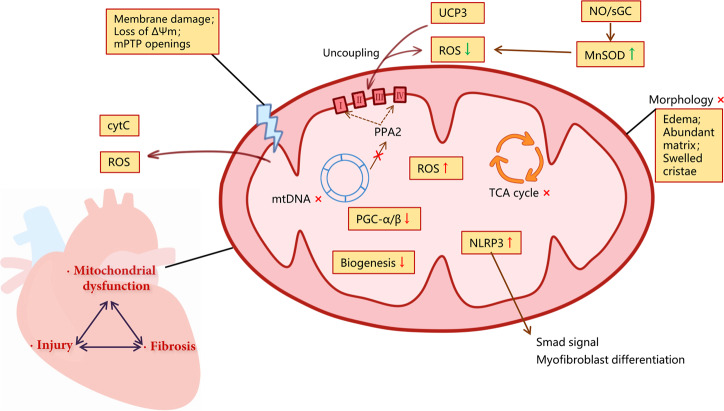
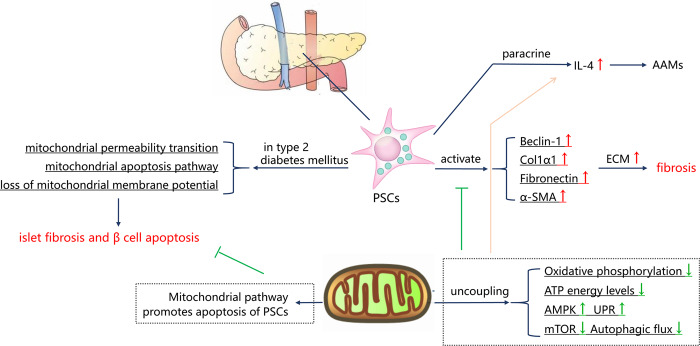
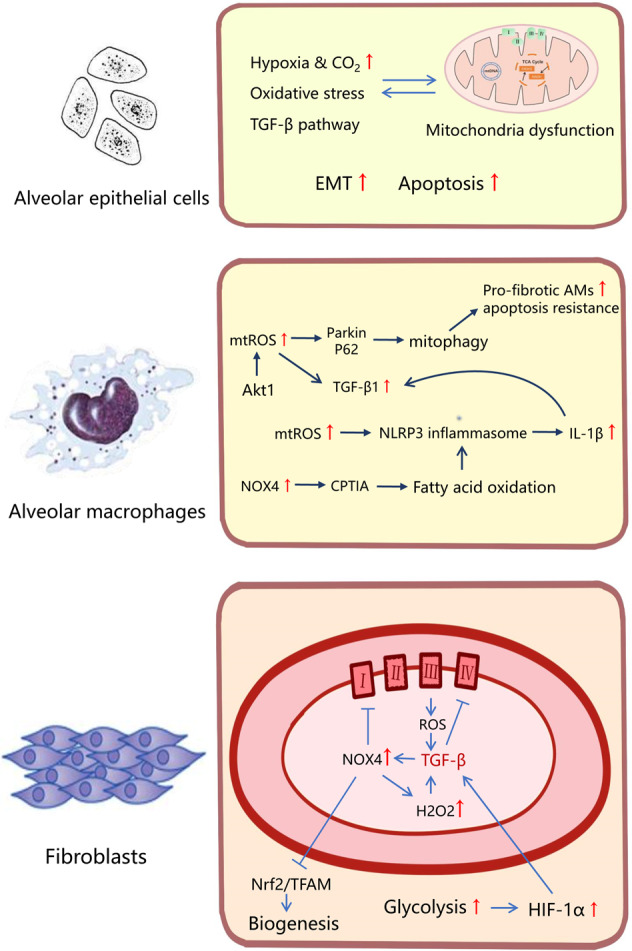
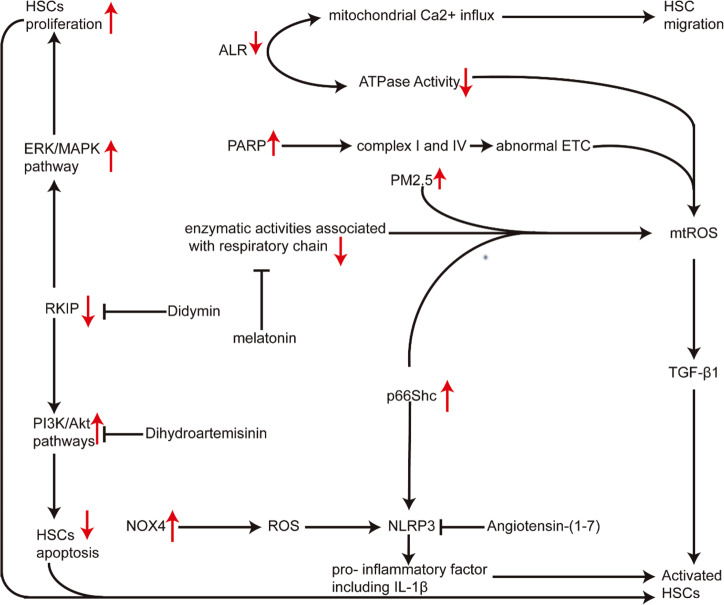
Although fibrosis is a common pathological feature of most end-stage organ diseases, its pathogenesis remains unclear. There is growing evidence that mitochondrial dysfunction contributes to the development and progression of fibrosis. The heart, liver, kidney and lung are highly oxygen-consuming organs that are sensitive to mitochondrial dysfunction. Moreover, the fibrotic process of skin and islet is closely related to mitochondrial dysfunction as well. This review summarized emerging mechanisms related to mitochondrial dysfunction in different fibrotic organs and tissues above. First, it highlighted the important elucidation of mitochondria morphological changes, mitochondrial membrane potential and structural damage, mitochondrial DNA (mtDNA) damage and reactive oxidative species (ROS) production, etc. Second, it introduced the abnormality of mitophagy and mitochondrial transfer also contributed to the fibrotic process. Therefore, with gaining the increasing knowledge of mitochondrial structure, function, and origin, we could kindle a new era for the diagnostic and therapeutic strategies of many fibrotic diseases based on mitochondrial dysfunction.
尽管纤维化是大多数终末期器官疾病的常见病理特征,但其发病机制仍不清楚。越来越多的证据表明,线粒体功能障碍促成了纤维化的发生和发展。心脏、肝脏、肾脏和肺是高耗氧器官,对线粒体功能障碍敏感。此外,皮肤和胰岛的纤维化过程也与线粒体功能障碍密切相关。本综述总结了上述不同纤维化器官和组织中线粒体功能障碍的新出现机制。首先,强调了对线粒体形态变化、线粒体膜电位和结构损伤、线粒体DNA(mtDNA)损伤以及活性氧(ROS)产生等的重要阐释。其次,介绍了线粒体自噬异常和线粒体转移也促成了纤维化过程。因此,随着对线粒体结构、功能和起源的认识不断增加,我们可以开启基于线粒体功能障碍的多种纤维化疾病诊断和治疗策略的新时代。