Department of Infectious Diseases, National Clinical Center for Infectious Diseases, Third People's Hospital of Shenzhen (Second Affiliated Hospital of Southern University of Science and Technology), Shenzhen, Guangdong, China.
Curr Opin HIV AIDS. 2020 Nov;15(6):341-344. doi: 10.1097/COH.0000000000000653.
Due to the stringent measures including quarantine of infected individuals and social distancing, the COVID-19 pandemic has posted great challenges for HIV-1 care in China. In this mini-review, I will discuss the situation in Shenzhen city as a window of China to reflect our strategies in fighting the concurrent HIV/AIDS and COVID-19 pandemics.
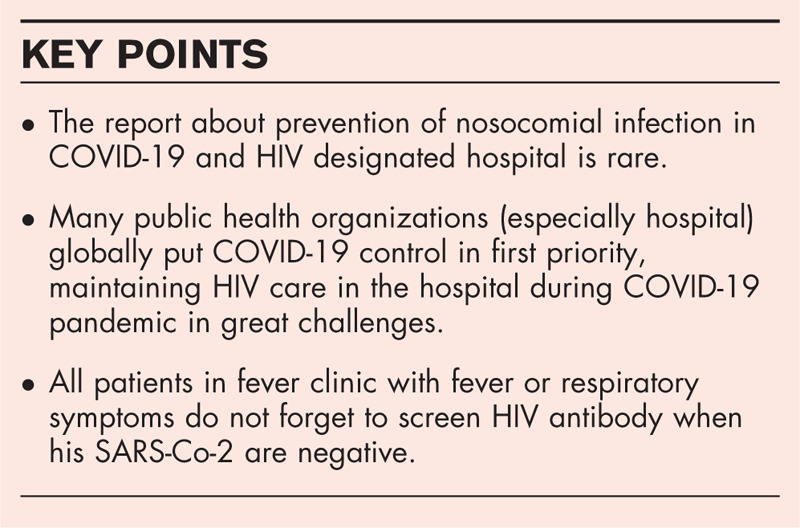
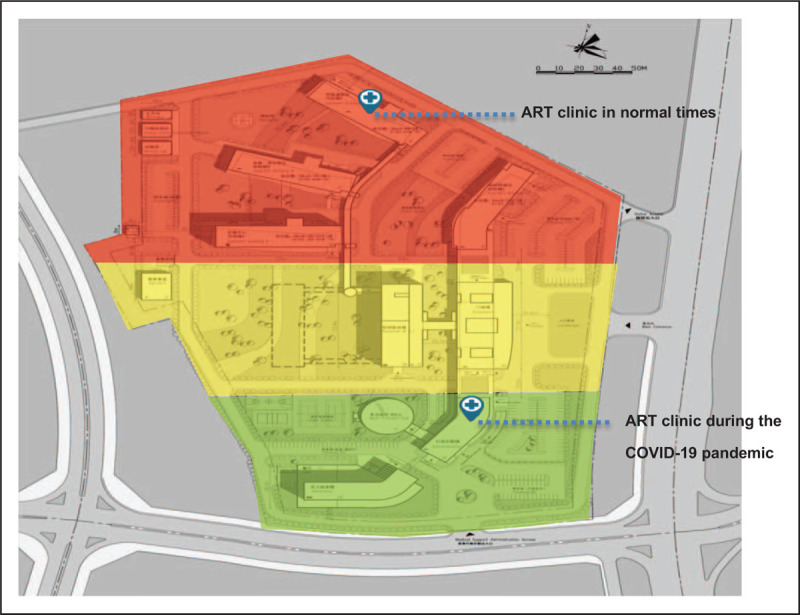
Prevention of nosocomial infection, minimizing the follow-up visits to the hospital, maintaining the delivery of PreP/PEP services and testing for SARS-Cov-2 and HIV when someone have fever or respiratory symptoms were the four major approaches to maintain uninterrupted HIV care in Shenzhen. None of 15 000 PLWH seeking HIV care at Shenzhen were diagnosed with COVID-19 during this pandemic.
This article share the experience unprecedented from Shenzhen. We have to adapt our care and service to continue to engage PLWH to avoid poor outcomes. More research is needed to know the long-term implications of pandemic for the health of PLWH.
由于包括隔离感染者和保持社交距离在内的严格措施,COVID-19 大流行给中国的 HIV-1 护理带来了巨大挑战。在这个小型综述中,我将讨论深圳市的情况,以此作为中国的一个窗口,反映我们在应对同时发生的艾滋病和 COVID-19 大流行的策略。
预防医院感染、尽量减少去医院的随访次数、保持 PrEP/PEP 服务的提供以及对有发热或呼吸道症状的人进行 SARS-Cov-2 和 HIV 检测,是深圳市维持不间断 HIV 护理的四项主要方法。在这次大流行期间,在深圳寻求 HIV 护理的 15000 名 PLWH 中,没有一人被诊断出 COVID-19。
本文分享了深圳前所未有的经验。我们必须调整我们的护理和服务,继续让 PLWH 参与进来,以避免不良后果。需要更多的研究来了解大流行对 PLWH 健康的长期影响。