State Key Laboratory of Respiratory Disease, Center of Infection and Immunity, Guangzhou Institutes of Biomedicine and Health, Chinese Academy of Sciences, Guangzhou, 510530, China.
School of Life Science, University of Science and Technology of China, Hefei, 230026, China.
Cell Commun Signal. 2020 Sep 24;18(1):157. doi: 10.1186/s12964-020-00570-5.
Hepatocellular carcinoma (HCC) is one of the leading causes of cancer-related death in China. The lack of an effective treatment for this disease results in a high recurrence rate in patients who undergo radical tumor resection, and the 5-year survival rate of these patients remains low. Our previous studies demonstrated that Plasmodium infection provides a potent antitumor effect by inducing innate and adaptive immunity in a murine Lewis lung carcinoma (LLC) model.
This study aimed to investigate the inhibitory effect of Plasmodium infection on hepatocellular carcinoma in mice, and various techniques for gene expression analysis were used to identify possible signal regulation mechanisms.
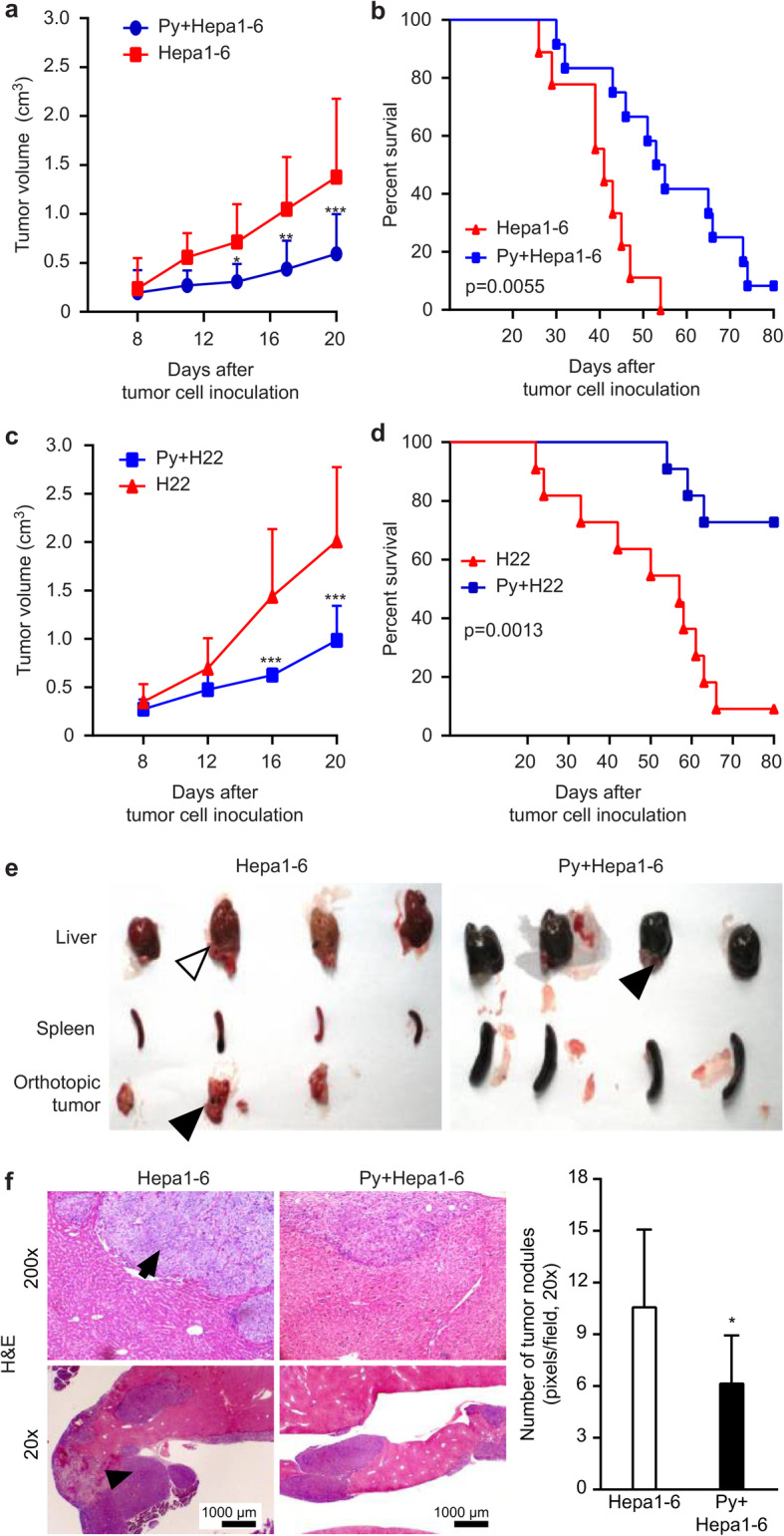
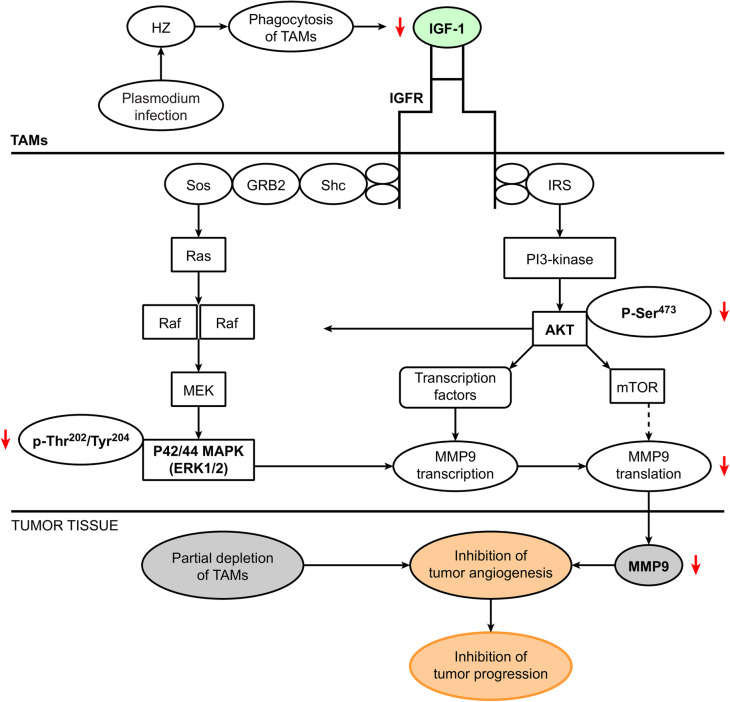
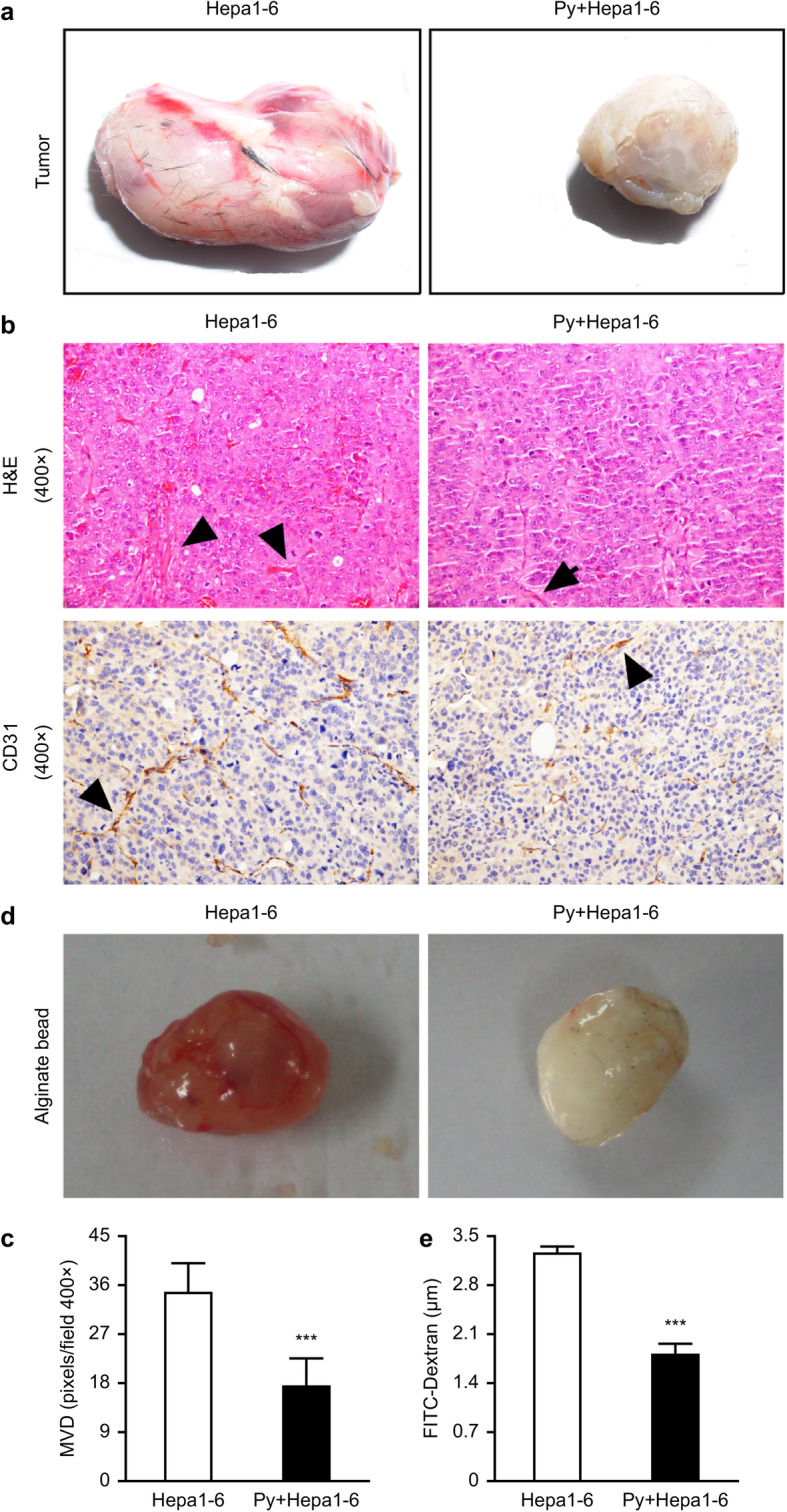
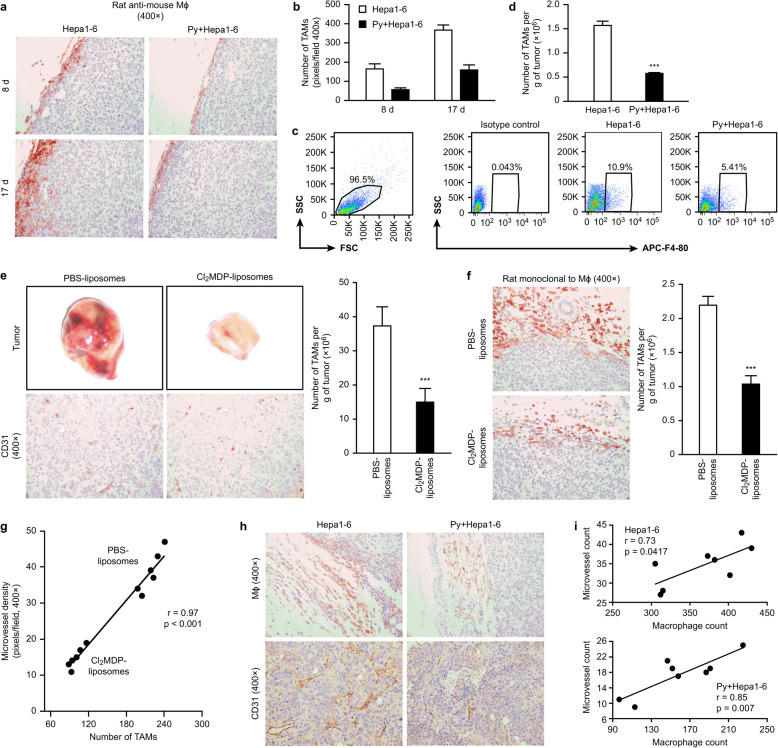
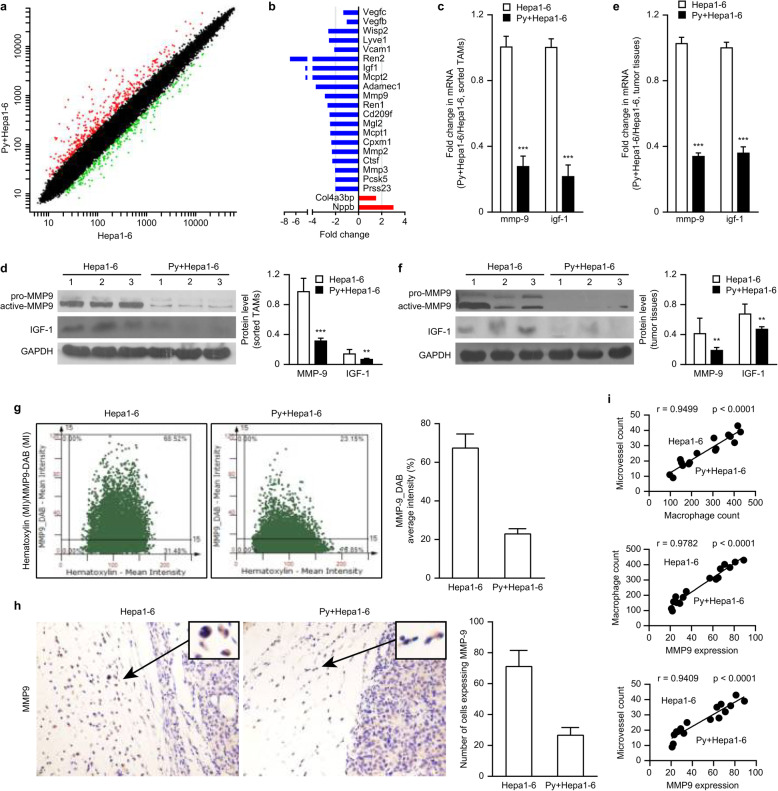
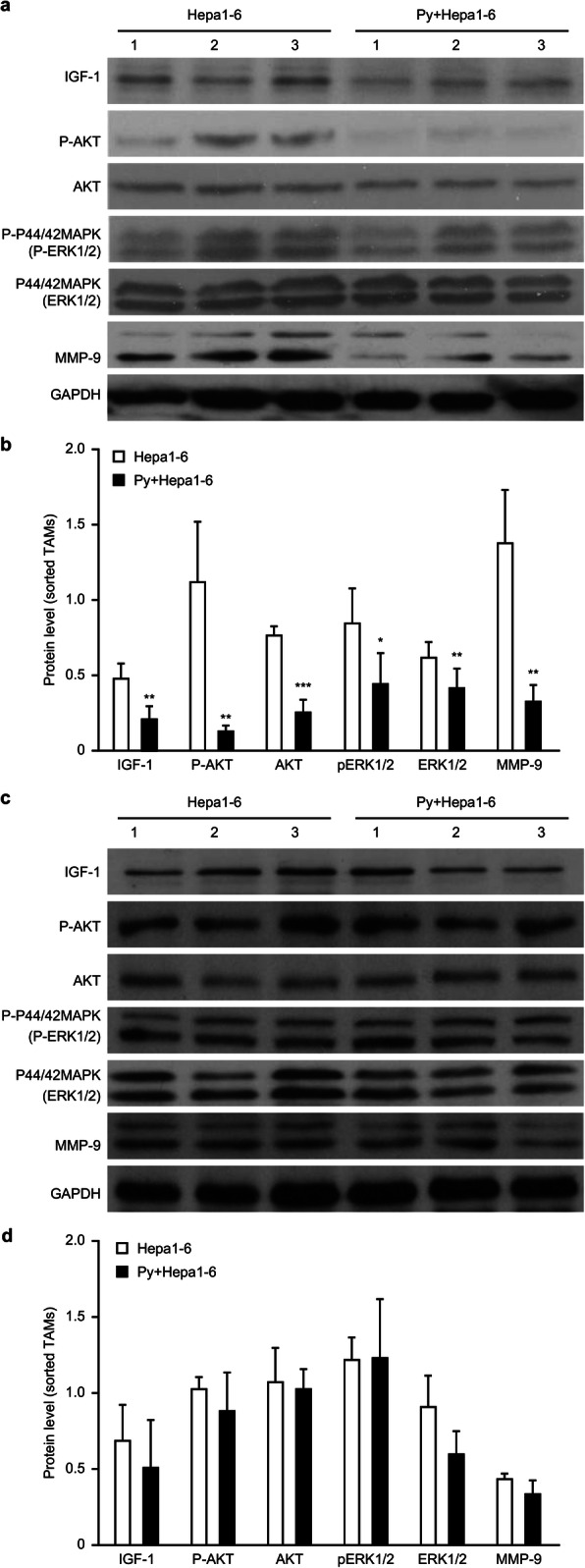
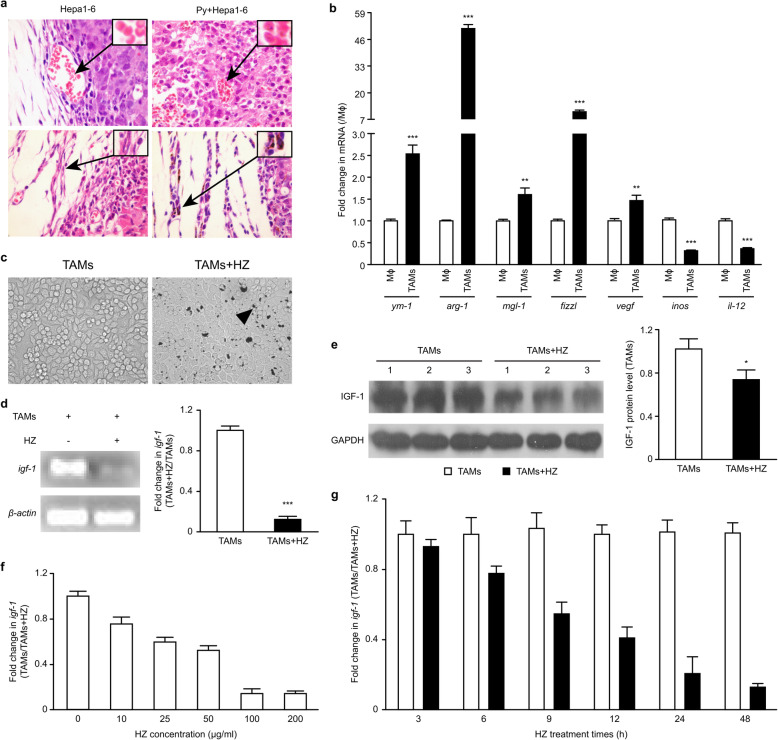
We found that Plasmodium infection efficiently inhibited tumor progression and prolonged survival in tumor-bearing mice, which served as a murine implanted hepatoma model. The inhibition of tumor progression by Plasmodium infection was related to suppression of tumor angiogenesis within the tumor tissue and decreased infiltration of tumor-associated macrophages (TAMs). Further study demonstrated that matrix metalloprotease 9 (MMP-9) produced by TAMs contributed to tumor angiogenesis in the tumor tissue and that the parasite-induced reduction in MMP-9 expression in TAMs resulted in the suppression of tumor angiogenesis. A mechanistic study revealed that the Plasmodium-derived hemozoin (HZ) that accumulated in TAMs inhibited IGF-1 signaling through the PI3-K and MAPK signaling pathways and thereby decreased the expression of MMP-9 in TAMs.
Our study suggests that this novel approach of inhibiting tumor angiogenesis by Plasmodium infection is of high importance for the development of new therapies for cancer patients. Video abstract.
肝细胞癌(HCC)是中国癌症相关死亡的主要原因之一。由于缺乏有效的治疗方法,接受根治性肿瘤切除的患者复发率很高,这些患者的 5 年生存率仍然很低。我们之前的研究表明,疟原虫感染通过在小鼠 Lewis 肺癌(LLC)模型中诱导先天和适应性免疫,产生强大的抗肿瘤作用。
本研究旨在研究疟原虫感染对小鼠肝细胞癌的抑制作用,并采用多种基因表达分析技术来鉴定可能的信号调控机制。
我们发现疟原虫感染可有效抑制荷瘤小鼠的肿瘤进展并延长其生存期,这为小鼠植入肝癌模型。疟原虫感染抑制肿瘤进展与肿瘤组织内肿瘤血管生成的抑制以及肿瘤相关巨噬细胞(TAMs)浸润的减少有关。进一步的研究表明,TAMs 产生的基质金属蛋白酶 9(MMP-9)有助于肿瘤组织中的肿瘤血管生成,寄生虫诱导的 TAMs 中 MMP-9 表达减少导致肿瘤血管生成的抑制。机制研究表明,疟原虫来源的血影蛋白(HZ)在 TAMs 中积累,通过 PI3-K 和 MAPK 信号通路抑制 IGF-1 信号,从而降低 TAMs 中 MMP-9 的表达。
我们的研究表明,疟原虫感染抑制肿瘤血管生成的这种新方法对开发癌症患者的新疗法具有重要意义。视频摘要。