MMDN, Univ Montpellier, INSERM, EPHE, Montpellier, France.
ReST Therapeutics, Paris, France.
Int J Neuropsychopharmacol. 2021 Feb 15;24(2):142-157. doi: 10.1093/ijnp/pyaa075.
Current therapies in Alzheimer's disease (AD), including Memantine, have proven to be only symptomatic but not curative or disease modifying. Fluoroethylnormemantine (FENM) is a structural analogue of Memantine, functionalized with a fluorine group that allowed its use as a positron emission tomography tracer. We here analyzed FENM neuroprotective potential in a pharmacological model of AD compared with Memantine.
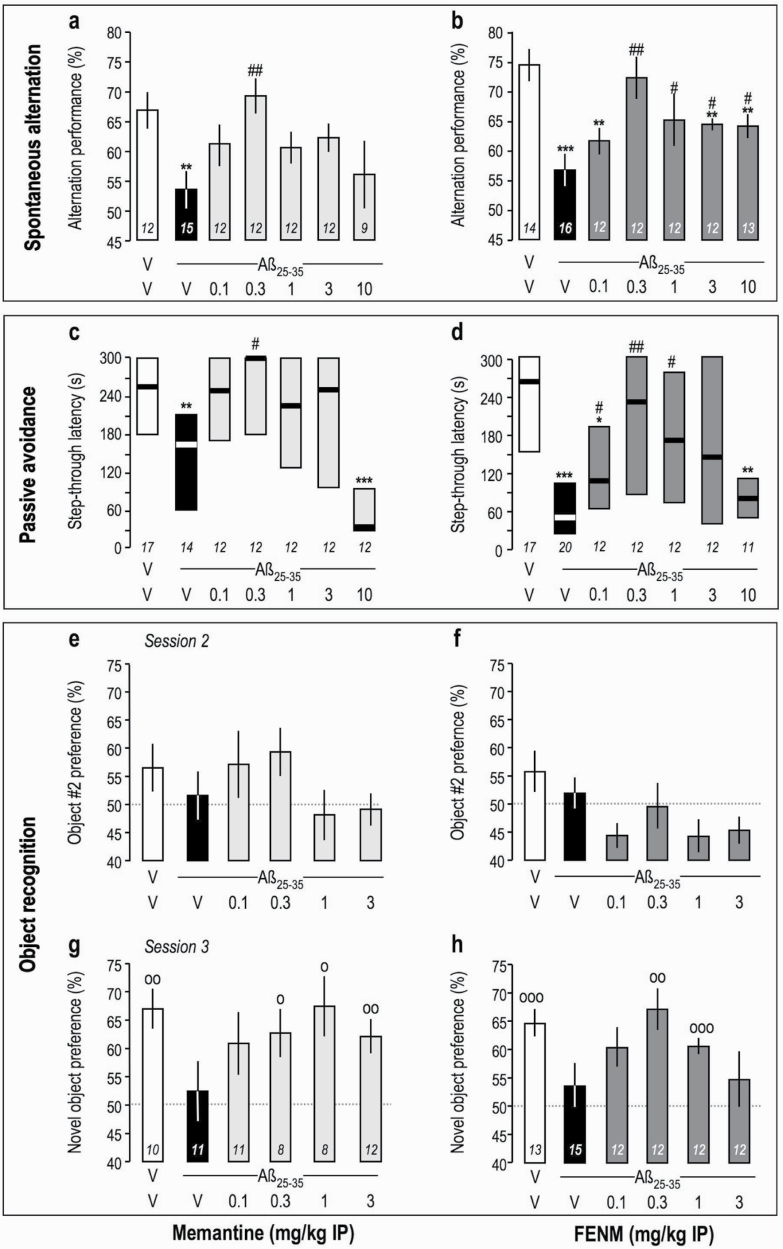
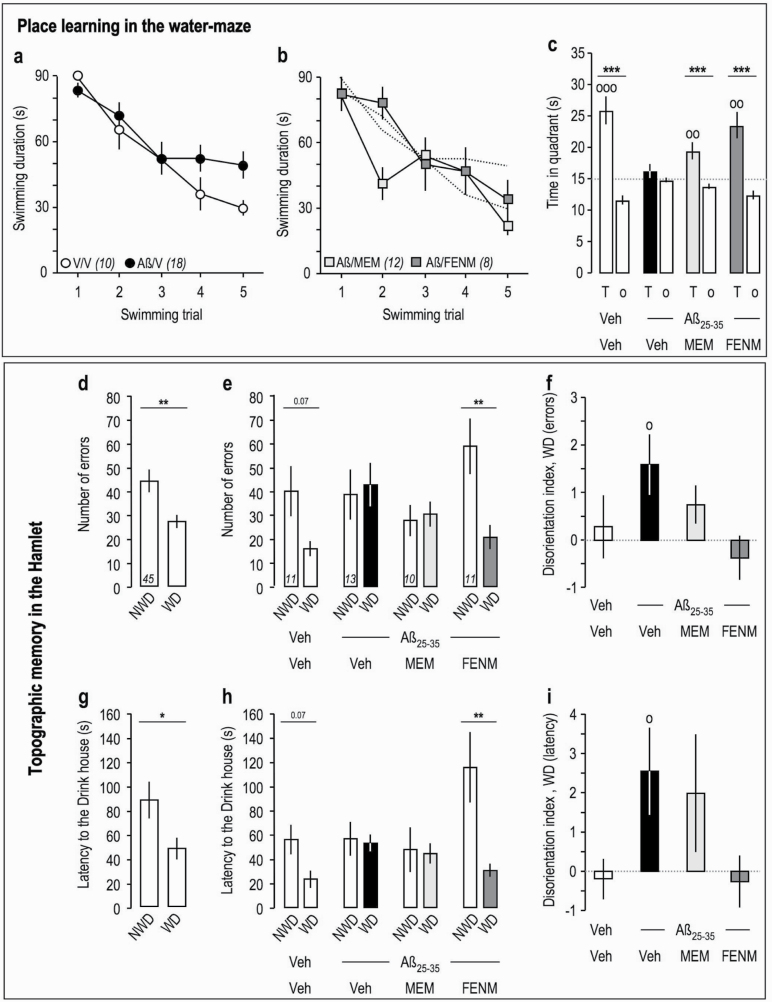
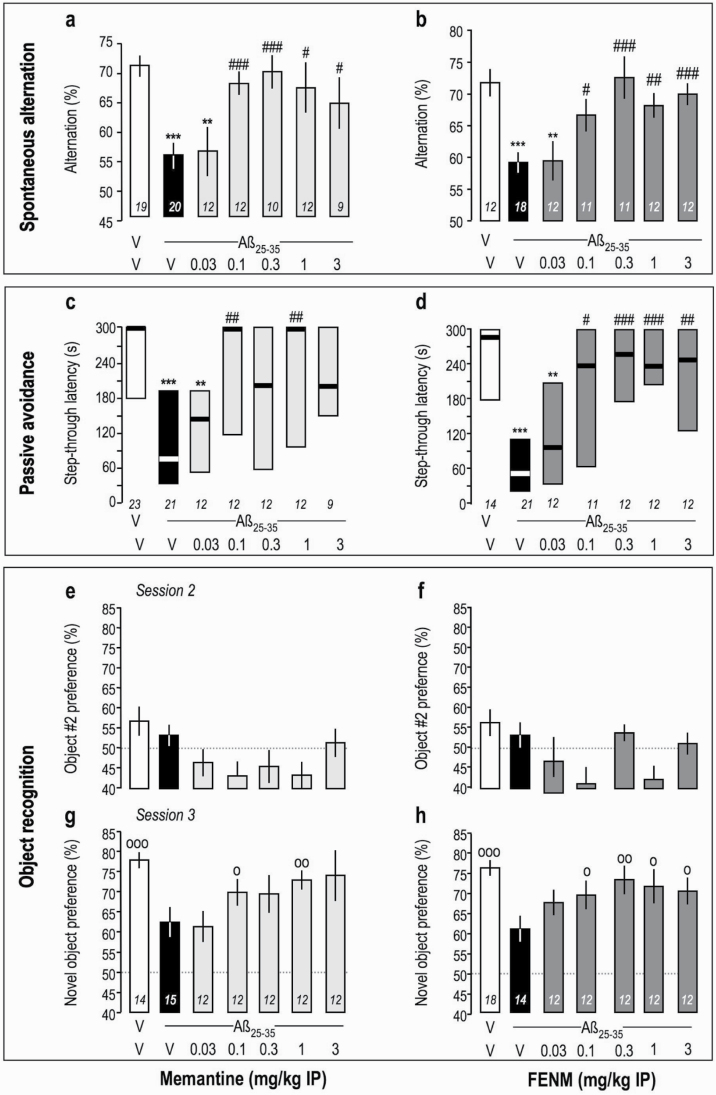
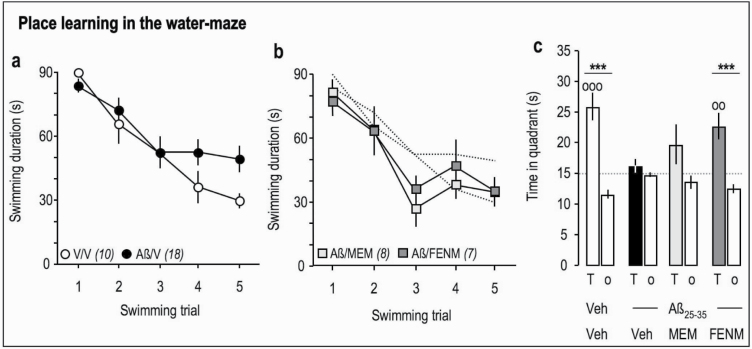
Swiss mice were treated intracerebroventricularly with aggregated Aβ 25-35 peptide and examined after 1 week in a battery of memory tests (spontaneous alternation, passive avoidance, object recognition, place learning in the water-maze, topographic memory in the Hamlet). Toxicity induced in the mouse hippocampus or cortex was analyzed biochemically or morphologically.
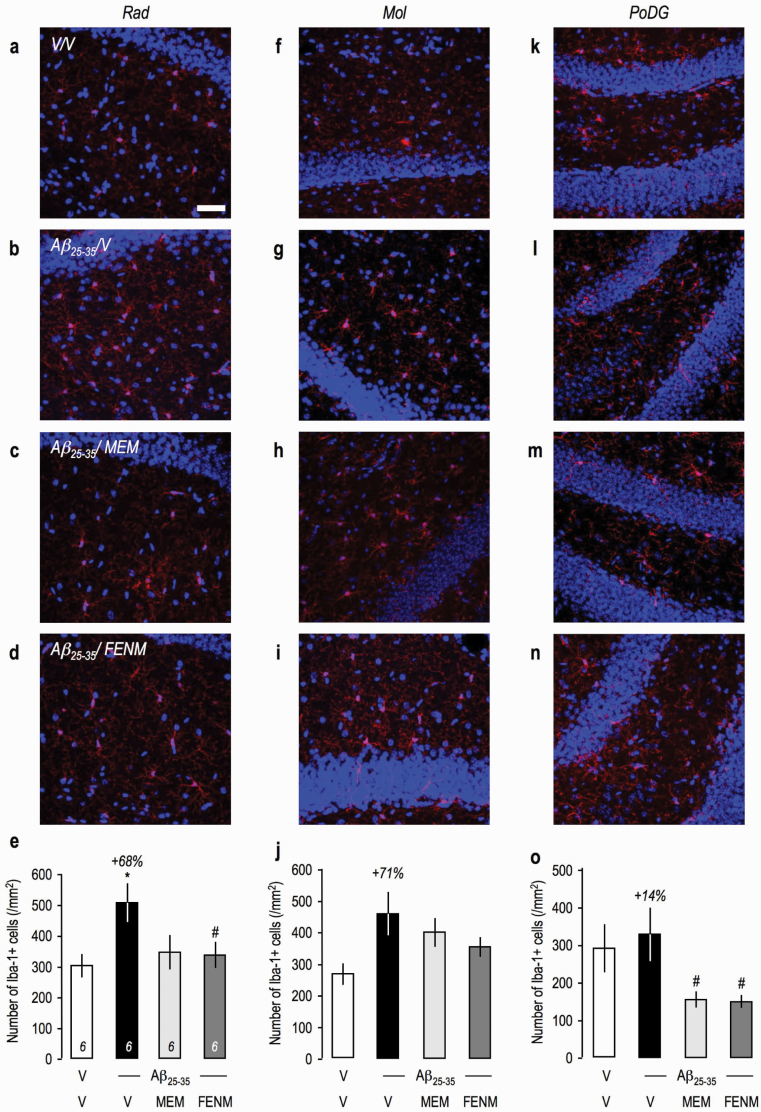
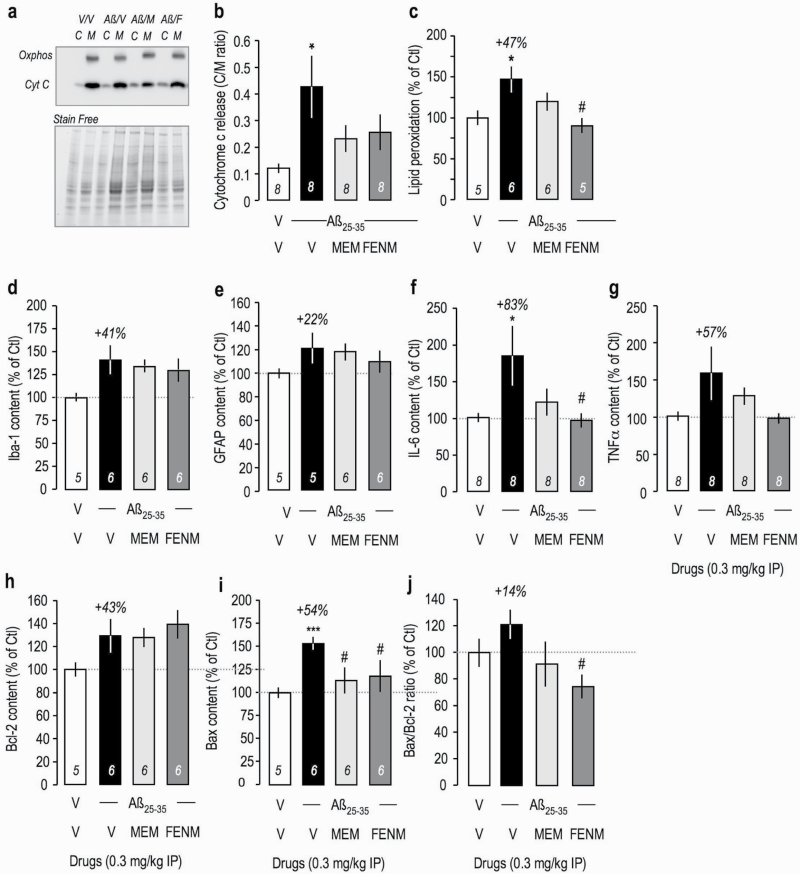
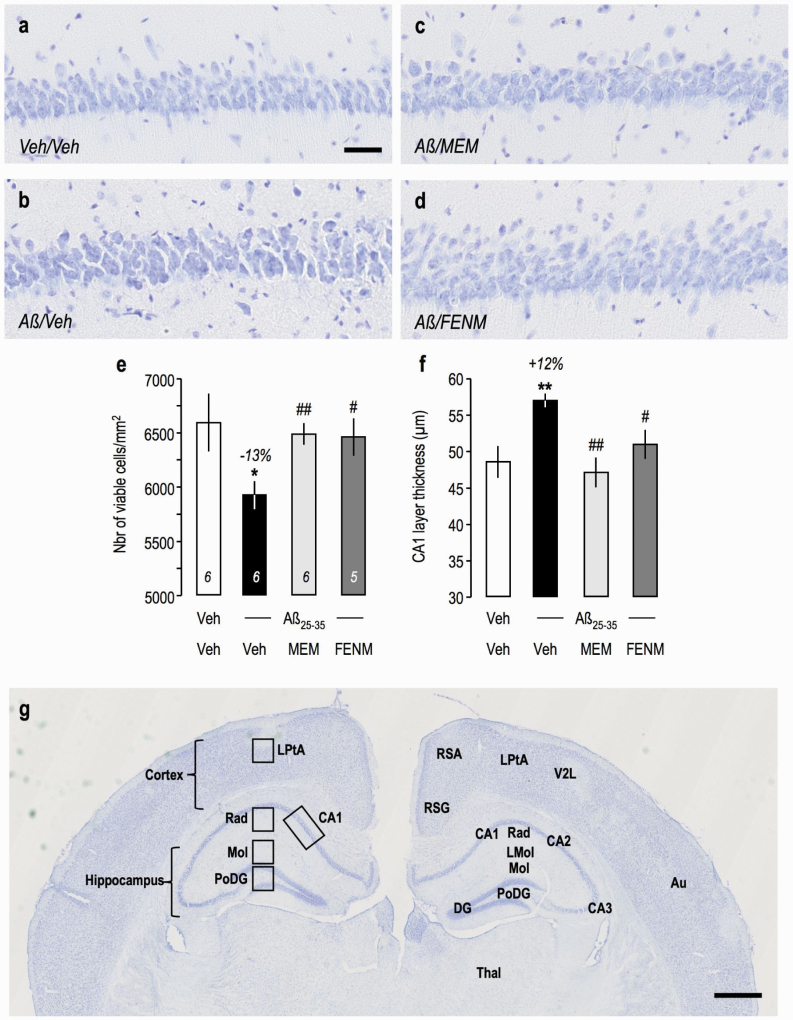
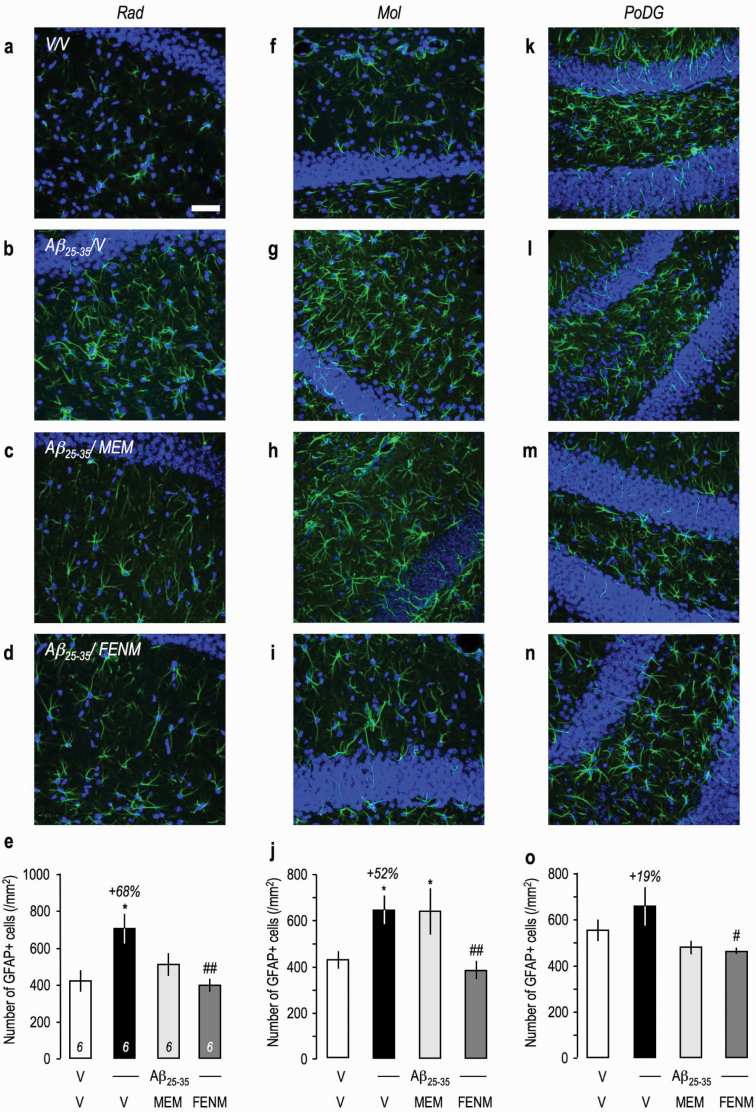
Both Memantine and FENM showed symptomatic anti-amnesic effects in Aβ 25-35-treated mice. Interestingly, FENM was not amnesic when tested alone at 10 mg/kg, contrarily to Memantine. Drugs injected once per day prevented Aβ 25-35-induced memory deficits, oxidative stress (lipid peroxidation, cytochrome c release), inflammation (interleukin-6, tumor necrosis factor-α increases; glial fibrillary acidic protein and Iba1 immunoreactivity in the hippocampus and cortex), and apoptosis and cell loss (Bcl-2-associated X/B-cell lymphoma 2 ratio; cell loss in the hippocampus CA1 area). However, FENM effects were more robust than observed with Memantine, with significant attenuations vs the Aβ 25-35-treated group.
FENM therefore appeared as a potent neuroprotective drug in an AD model, with a superior efficacy compared with Memantine and an absence of direct amnesic effect at higher doses. These results open the possibility to use the compound at more relevant dosages than those actually proposed in Memantine treatment for AD.
目前用于阿尔茨海默病(AD)的治疗方法,包括美金刚,已被证明仅具有对症治疗作用,而不能治愈或改变疾病进程。氟乙基去甲金刚烷胺(FENM)是金刚烷胺的结构类似物,其功能化带有一个氟原子,使其可用作正电子发射断层扫描示踪剂。在此,我们分析了 FENM 与美金刚相比在 AD 药理学模型中的神经保护潜力。
瑞士小鼠通过脑室内注射聚集的 Aβ 25-35 肽进行处理,并在 1 周后通过一系列记忆测试(自发交替、被动回避、物体识别、水迷宫中的位置学习、哈姆雷特中的地形记忆)进行检查。通过生物化学或形态学分析在小鼠海马体或皮质中诱导的毒性。
美金刚和 FENM 均在 Aβ 25-35 处理的小鼠中显示出对症性抗健忘作用。有趣的是,与美金刚相反,FENM 在单独测试 10mg/kg 时没有健忘作用。每天注射一次药物可防止 Aβ 25-35 引起的记忆缺陷、氧化应激(脂质过氧化、细胞色素 c 释放)、炎症(白细胞介素 6、肿瘤坏死因子-α增加;海马和皮质中的神经胶质纤维酸性蛋白和 Iba1 免疫反应)以及细胞凋亡和细胞死亡(Bcl-2 相关 X/B 细胞淋巴瘤 2 比值;海马 CA1 区的细胞丢失)。然而,FENM 的作用比美金刚观察到的更为明显,与 Aβ 25-35 处理组相比有明显的减弱。
因此,FENM 在 AD 模型中表现为一种有效的神经保护药物,与美金刚相比具有更高的疗效,并且在更高剂量下没有直接的健忘作用。这些结果为在 AD 的美金刚治疗中使用该化合物提供了更高剂量的可能性。