Zheng Shuhua, Tao Wensi
College of Osteopathic Medicine, Nova Southeastern University, Fort Lauderdale, FL, United States.
Department of Radiation Oncology, University of Miami-Miller School of Medicine, Coral Gables, FL, United States.
Front Oncol. 2020 Aug 21;10:1517. doi: 10.3389/fonc.2020.01517. eCollection 2020.
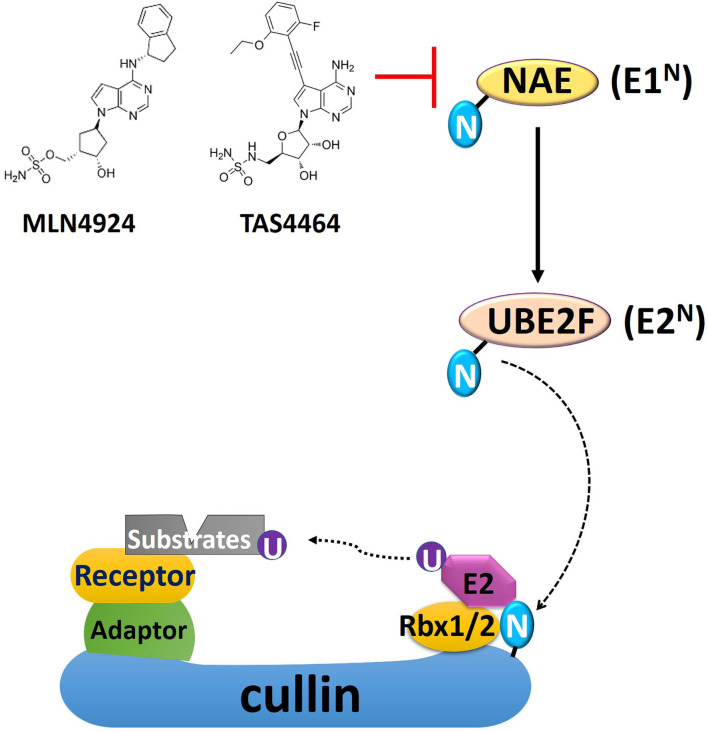
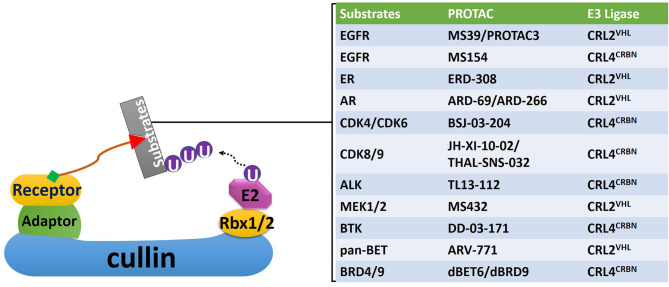
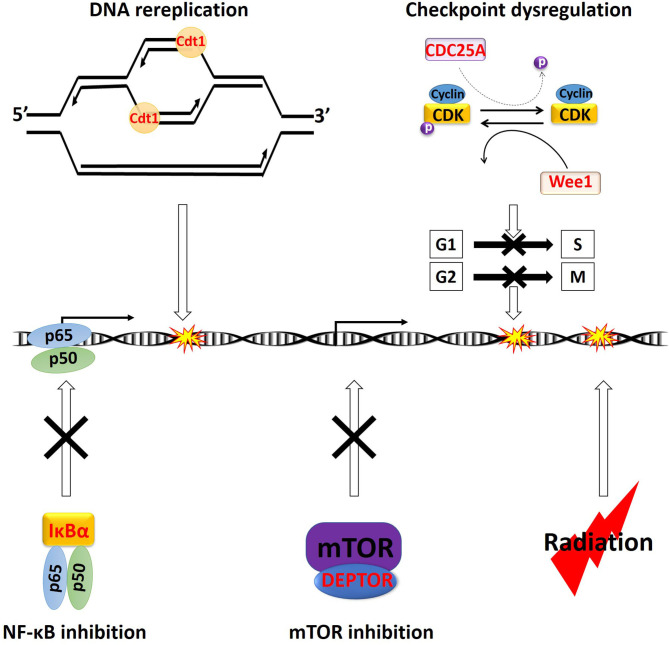
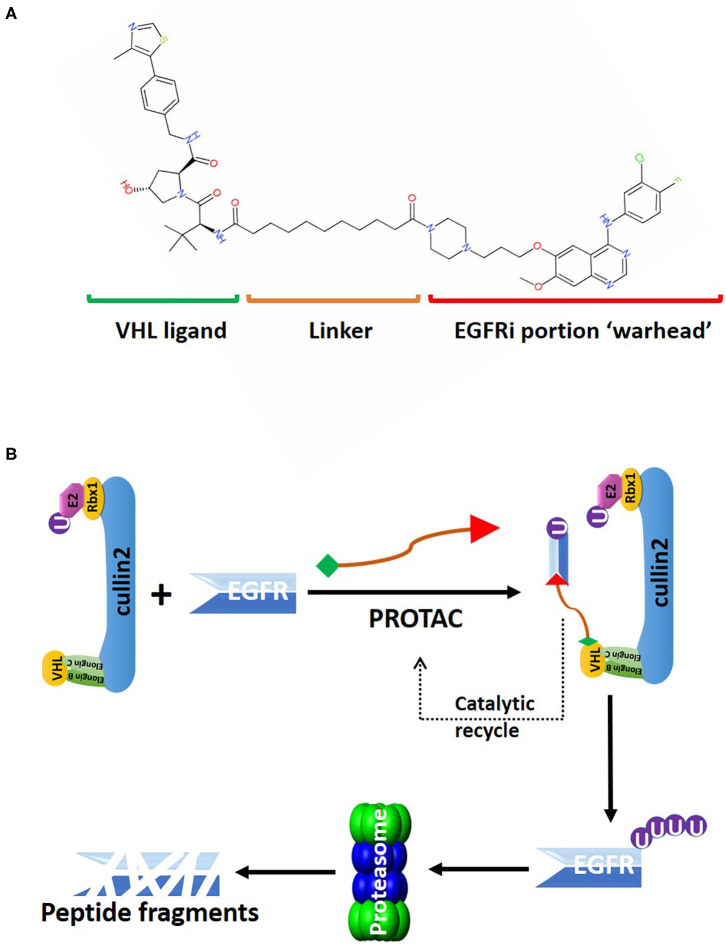
As a dynamic regulator for short-lived protein degradation and turnover, the ubiquitin-proteasome system (UPS) plays important roles in various biological processes, including response to cellular stress, regulation of cell cycle progression, and carcinogenesis. Over the past decade, research on targeting the cullin-RING (really interesting new gene) E3 ligases (CRLs) in the UPS has gained great momentum with the entry of late-phase clinical trials of its novel inhibitors MLN4924 (pevonedistat) and TAS4464. Several preclinical studies have demonstrated the efficacy of MLN4924 as a radiosensitizer, mainly due to its unique cytotoxic properties, including induction of DNA damage response, cell cycle checkpoints dysregulation, and inhibition of NF-κB and mTOR pathways. Recently, the PROteolysis TArgeting Chimeras (PROTACs) technology was developed to recruit the target proteins for CRL-mediated polyubiquitination, overcoming the resistance that develops inevitably with traditional targeted therapies. First-in-class cell-permeable PROTACs against critical radioresistance conferring proteins, including the epidermal growth factor receptor (EGFR), androgen receptor (AR) and estrogen receptor (ER), cyclin-dependent kinases (CDKs), MAP kinase kinase 1 (MEK1), and MEK2, have emerged in the past 5 years. In this review article, we will summarize the most important research findings of targeting CRLs for radiosensitization.
作为短寿命蛋白质降解和周转的动态调节因子,泛素-蛋白酶体系统(UPS)在各种生物过程中发挥着重要作用,包括对细胞应激的反应、细胞周期进程的调节以及致癌作用。在过去十年中,随着新型抑制剂MLN4924(pevonedistat)和TAS4464进入晚期临床试验,针对UPS中cullin-RING(真有趣的新基因)E3连接酶(CRLs)的研究势头强劲。多项临床前研究已证明MLN4924作为放射增敏剂的疗效,这主要归因于其独特的细胞毒性特性,包括诱导DNA损伤反应、细胞周期检查点失调以及抑制NF-κB和mTOR通路。最近,蛋白酶靶向嵌合体(PROTACs)技术被开发出来,用于募集靶蛋白进行CRL介导的多聚泛素化,克服了传统靶向治疗不可避免产生的耐药性。在过去5年中,已出现了针对关键放射抗性赋予蛋白的一流细胞渗透性PROTACs,包括表皮生长因子受体(EGFR)、雄激素受体(AR)和雌激素受体(ER)、细胞周期蛋白依赖性激酶(CDKs)、丝裂原活化蛋白激酶激酶1(MEK1)和MEK2。在这篇综述文章中,我们将总结针对CRLs进行放射增敏的最重要研究发现。