Molecular Microbiology and Structural Biochemistry, University of Lyon, 7 Passage du Vercors, CEDEX 07, 69367 Lyon, France.
Physical Chemistry, ETH Zurich, 8093 Zurich, Switzerland.
Viruses. 2020 Sep 24;12(10):1069. doi: 10.3390/v12101069.
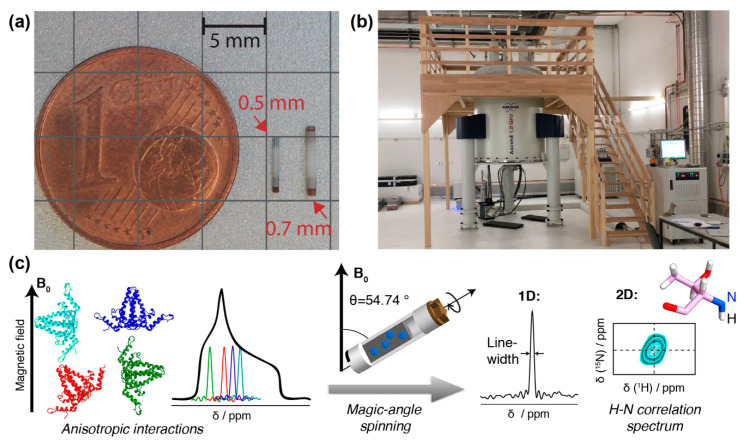
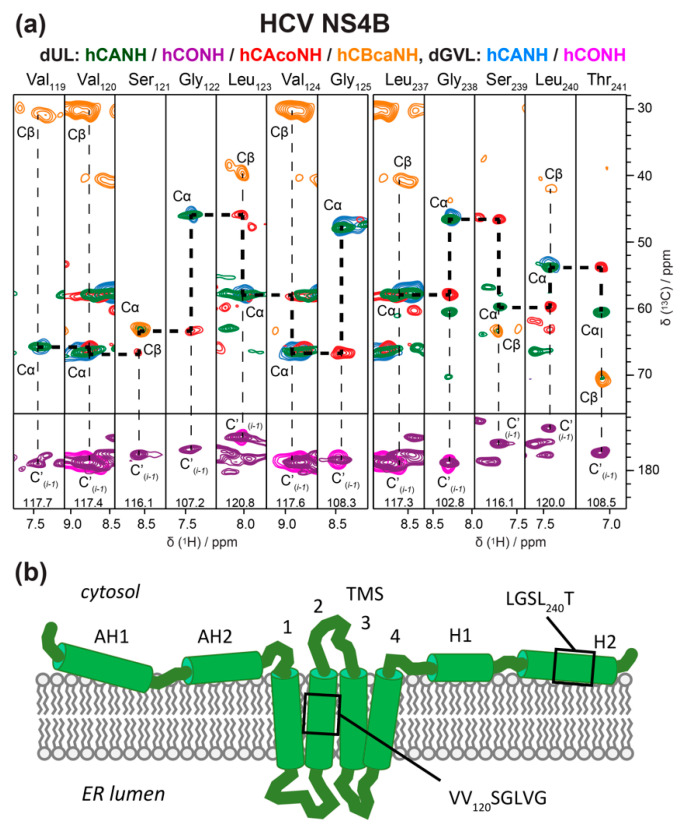
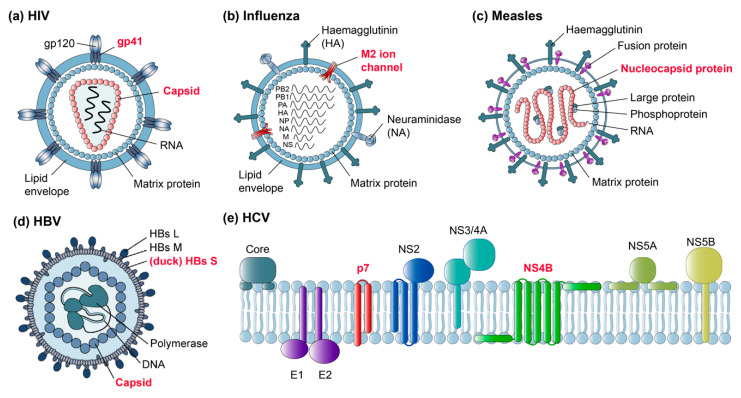
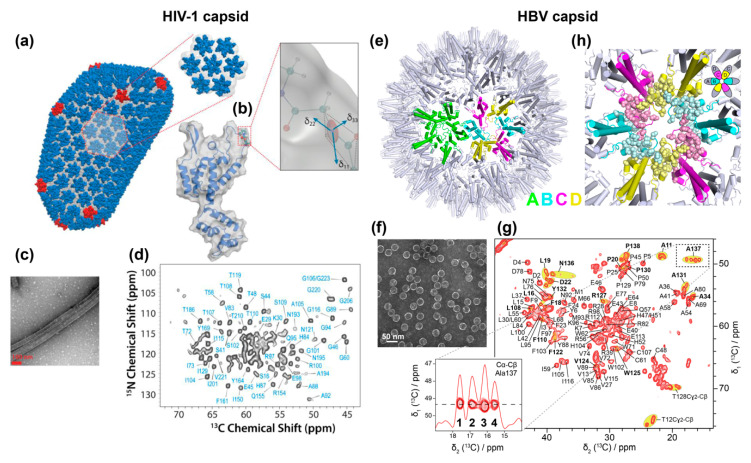
Structural virology reveals the architecture underlying infection. While notably electron microscopy images have provided an atomic view on viruses which profoundly changed our understanding of these assemblies incapable of independent life, spectroscopic techniques like NMR enter the field with their strengths in detailed conformational analysis and investigation of dynamic behavior. Typically, the large assemblies represented by viral particles fall in the regime of biological high-resolution solid-state NMR, able to follow with high sensitivity the path of the viral proteins through their interactions and maturation steps during the viral life cycle. We here trace the way from first solid-state NMR investigations to the state-of-the-art approaches currently developing, including applications focused on HIV, HBV, HCV and influenza, and an outlook to the possibilities opening in the coming years.
结构病毒学揭示了感染的基础结构。虽然电子显微镜图像显著地提供了关于这些无法独立生活的病毒的原子视图,深刻地改变了我们对这些病毒的理解,但像 NMR 这样的光谱技术凭借其在详细构象分析和动态行为研究方面的优势进入了这个领域。通常,病毒颗粒所代表的大型组装体处于生物高分辨率固态 NMR 的范围内,能够以高灵敏度跟踪病毒蛋白在病毒生命周期中的相互作用和成熟步骤中的路径。我们在这里追溯了从最初的固态 NMR 研究到目前正在发展的最新方法的历程,包括针对 HIV、HBV、HCV 和流感的应用,并展望了未来几年可能出现的可能性。