Division of Reproductive Sciences, Cincinnati Children's Hospital Medical Center, Cincinnati, United States.
Department of Pediatrics, University of Cincinnati College of Medicine, Cincinnati, United States.
Elife. 2020 Sep 29;9:e61762. doi: 10.7554/eLife.61762.
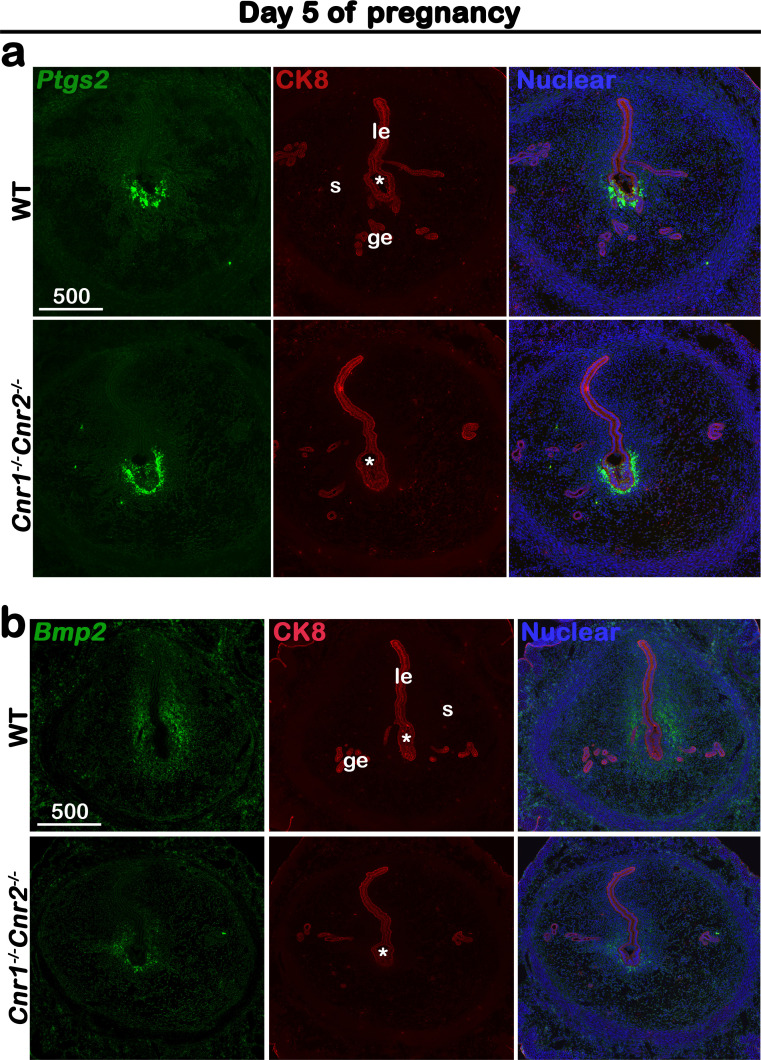
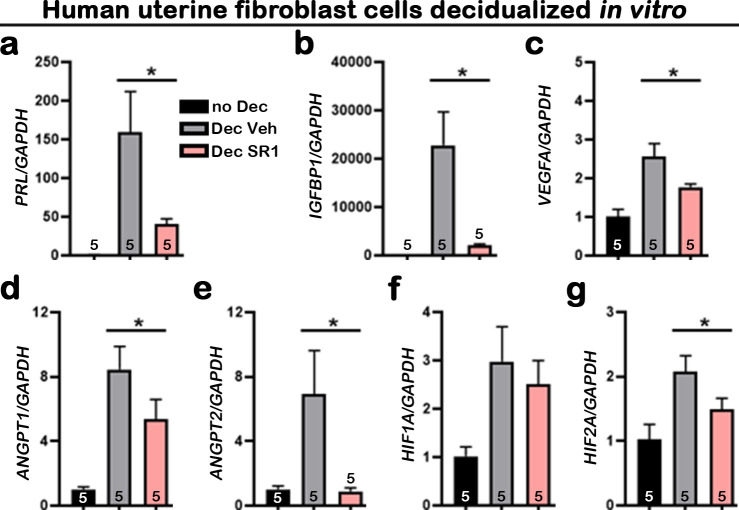
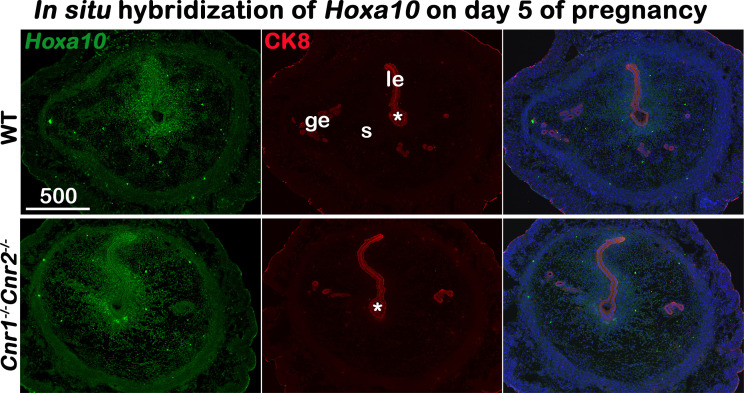
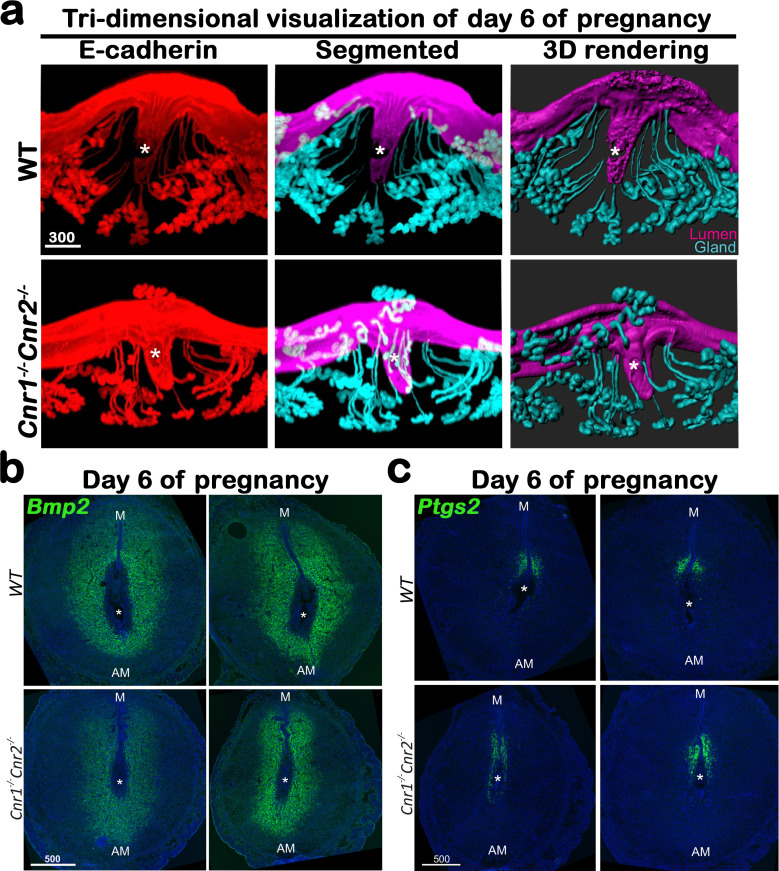
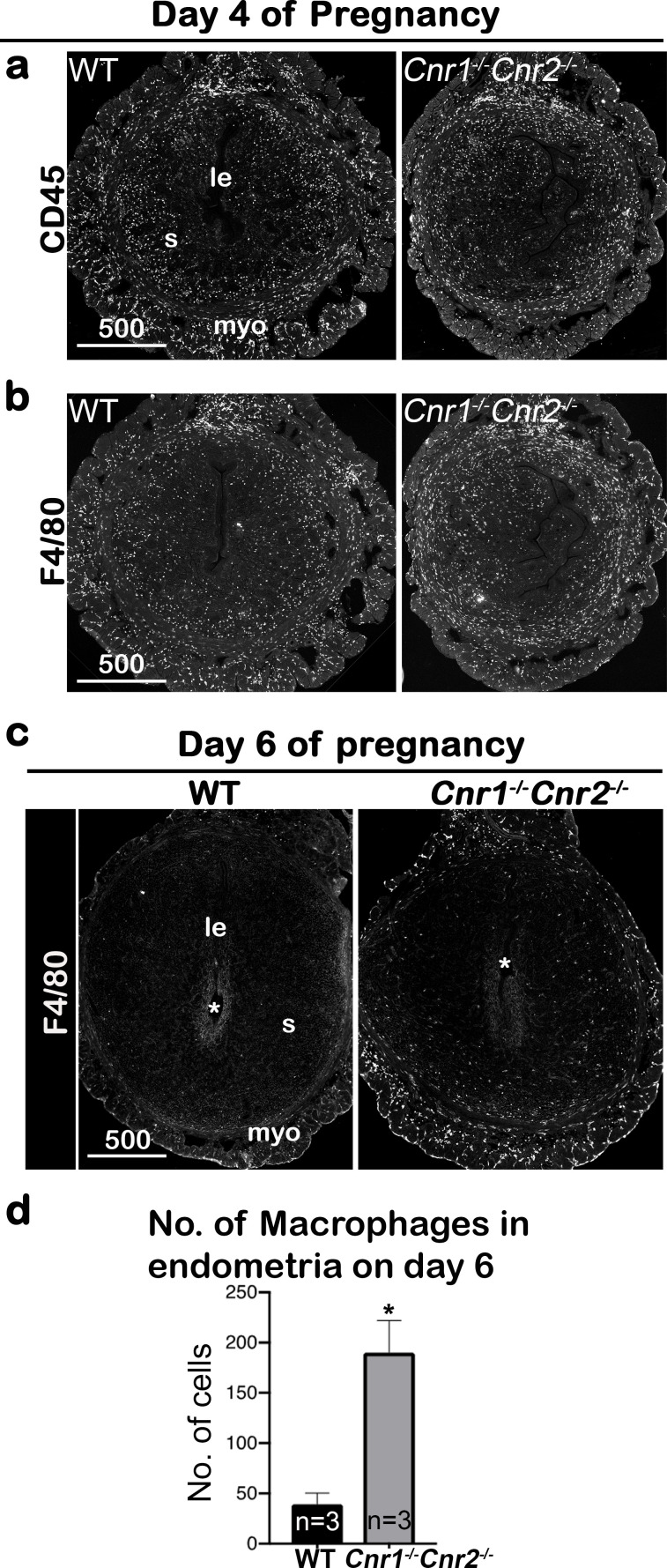
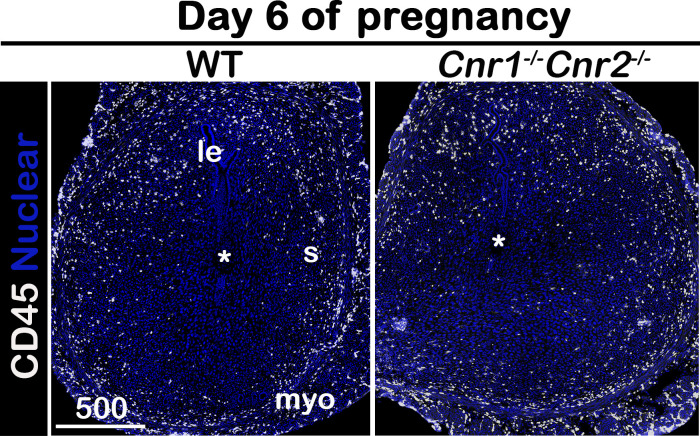
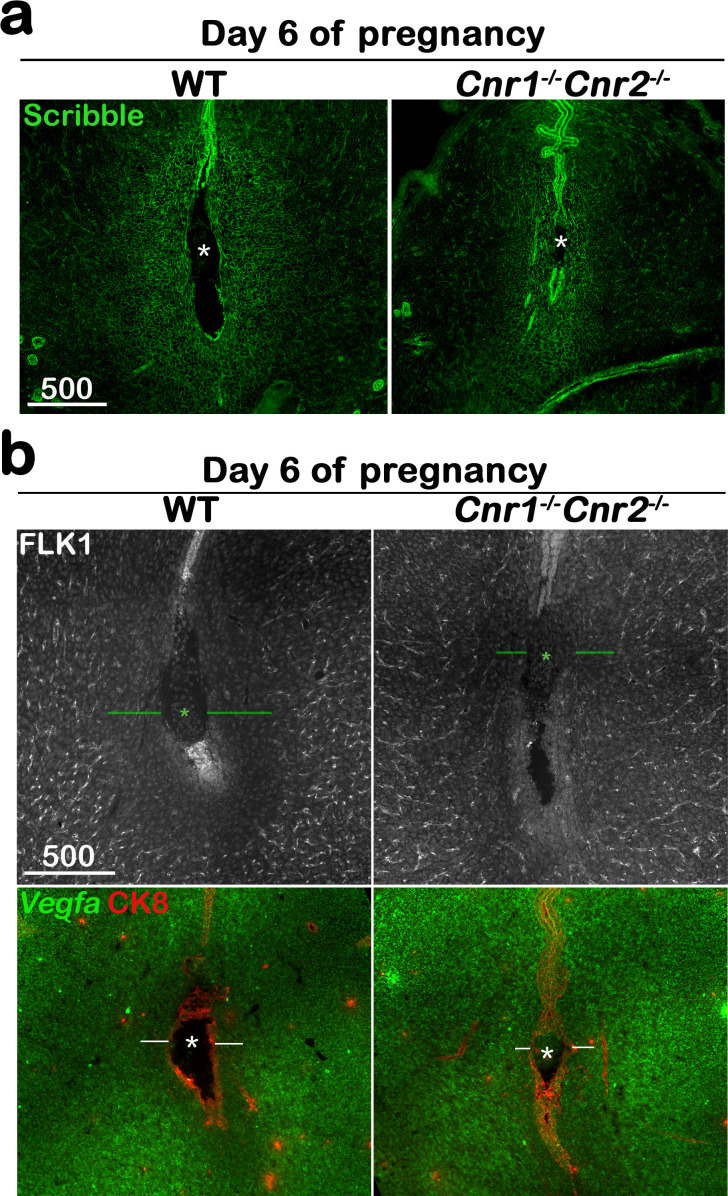
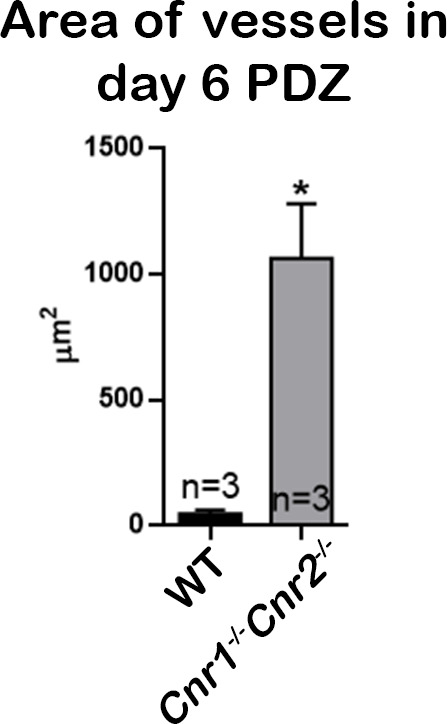
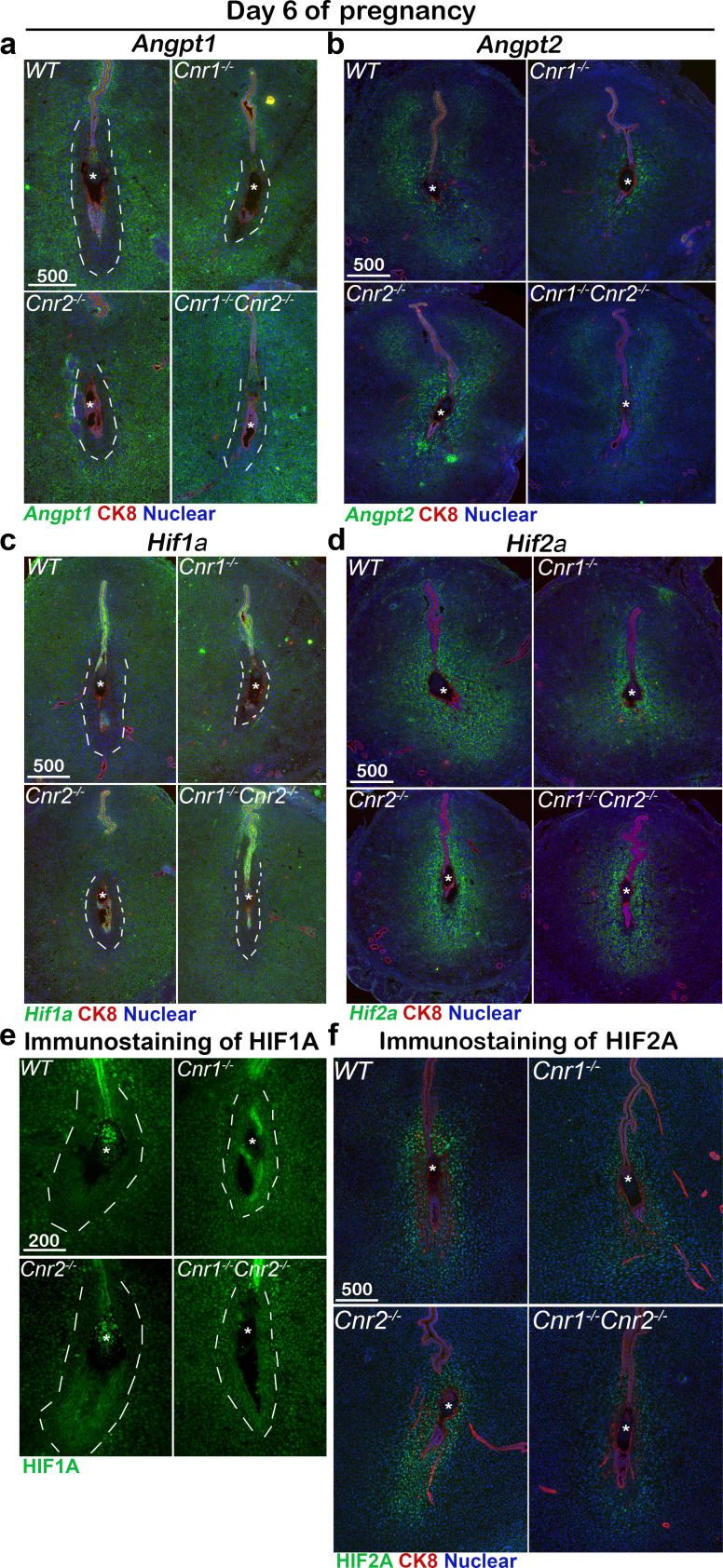
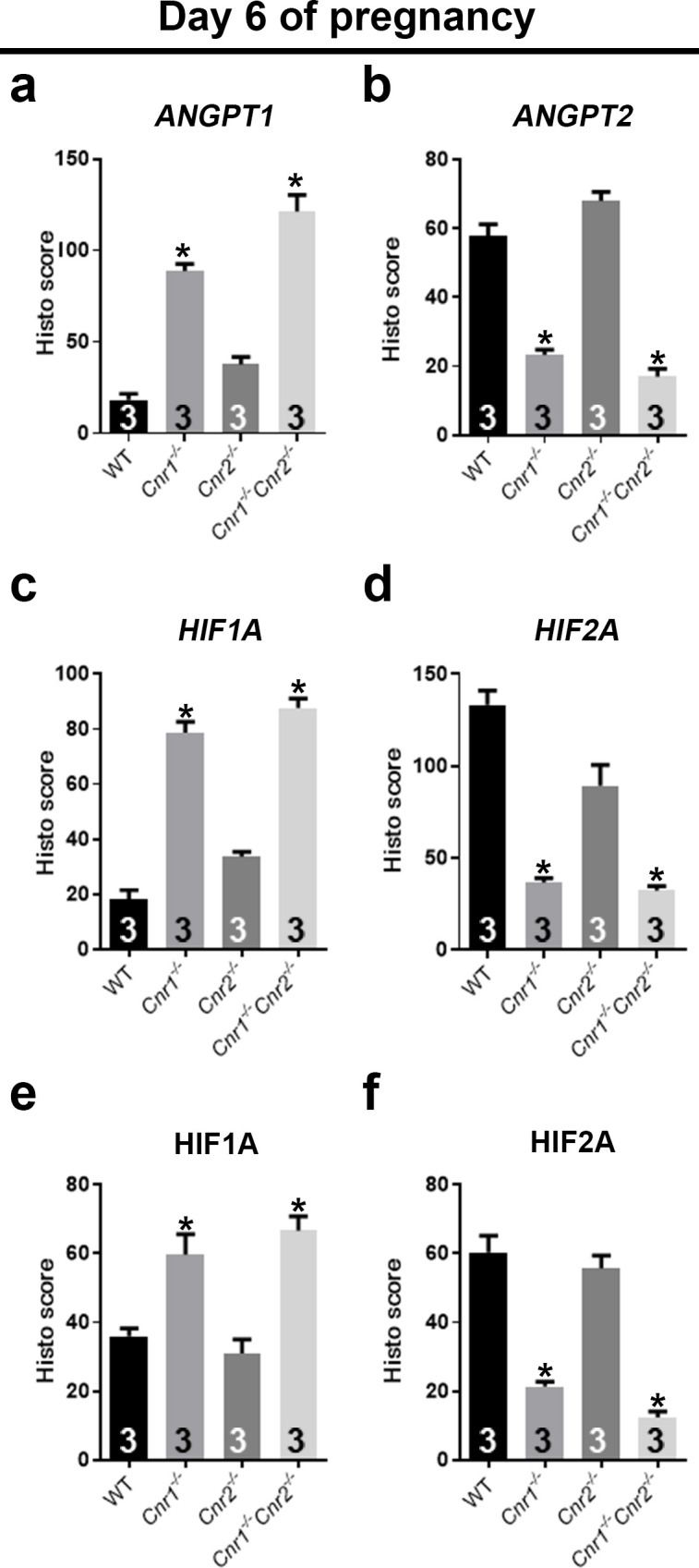
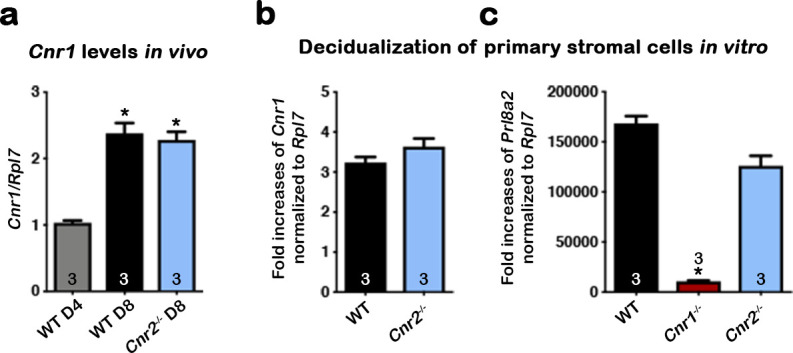
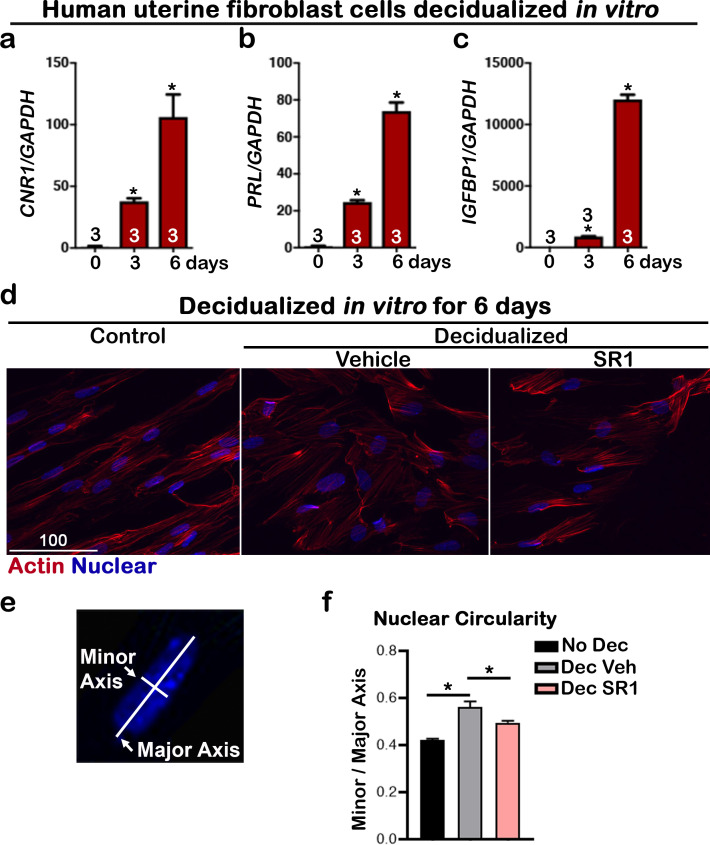
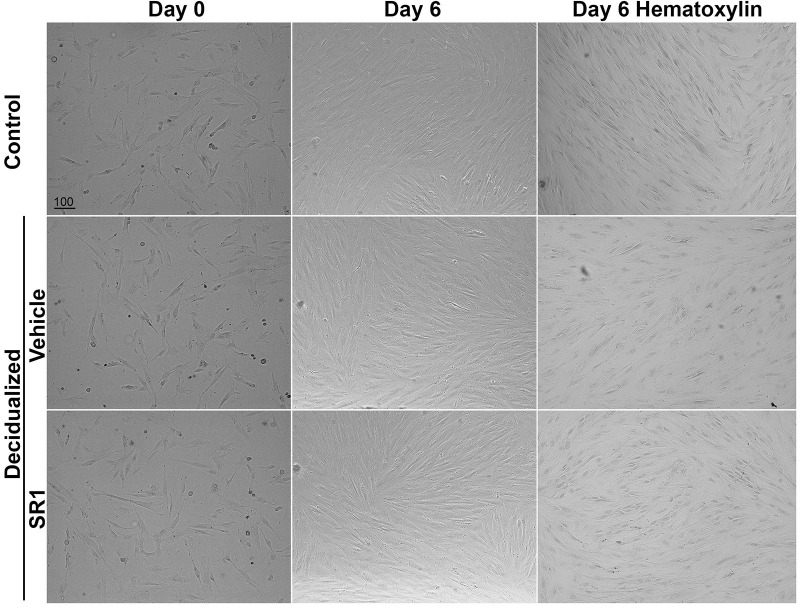
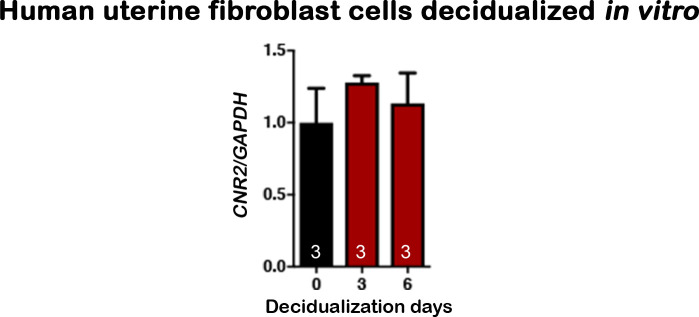
With implantation, mouse stromal cells begin to transform into epithelial-like cells surrounding the implantation chamber forming an avascular zone called the primary decidual zone (PDZ). In the mouse, the PDZ forms a transient, size-dependent permeable barrier to protect the embryo from maternal circulating harmful agents. The process of decidualization is critical for pregnancy maintenance in mice and humans. Mice deficient in cannabinoid receptors, CB1 and CB2, show compromised PDZ with dysregulated angiogenic factors, resulting in the retention of blood vessels and macrophages. This phenotype is replicated in but not in mice. In vitro decidualization models suggest that levels substantially increase in mouse and human decidualizing stromal cells, and that neutralization of CB1 signaling suppresses decidualization and misregulates angiogenic factors. Taken together, we propose that implantation quality depends on appropriate angiogenic events driven by the integration of CB2 in endothelial cells and CB1 in decidual cells.
着床时,小鼠基质细胞开始转化为围绕着床腔的上皮样细胞,形成一个无血管区,称为初级蜕膜区(PDZ)。在小鼠中,PDZ 形成一个大小依赖的、暂时的、有渗透性的屏障,以保护胚胎免受母体循环有害物质的侵害。蜕膜化过程对于小鼠和人类的妊娠维持至关重要。缺乏大麻素受体 CB1 和 CB2 的小鼠,其 PDZ 功能受损,血管生成因子失调,导致血管和巨噬细胞滞留。这种表型在 中得到了复制,但在 中没有。体外蜕膜化模型表明, 在小鼠和人蜕膜化基质细胞中的水平显著增加,而阻断 CB1 信号通路可抑制蜕膜化并使血管生成因子失调。综上所述,我们提出,着床质量取决于内皮细胞中 CB2 和蜕膜细胞中 CB1 整合驱动的适当血管生成事件。