Department of Radiation Oncology, National Cancer Center/National Clinical Research Center for Cancer/Cancer Hospital, Chinese Academy of Medical Sciences & Peking Union Medical College, Beijing, China.
Department of VIP Medical Services, National Cancer Center/National Clinical Research Center for Cancer/Cancer Hospital, Chinese Academy of Medical Sciences & Peking Union Medical College, Beijing, China.
Thorac Cancer. 2020 Nov;11(11):3117-3125. doi: 10.1111/1759-7714.13619. Epub 2020 Sep 29.
Lung cancer is the leading cause of cancer death and is commonly treated by cisplatin. Although cisplatin treatment may initially be successful, its effectiveness usually reduces significantly in disease-recurrent patients. Aspirin, a nonselective COX inhibitor, has been shown to help reverse the status of cisplatin sensitivity in recurrent human ovarian cancer cells. This study aimed to explore the effect of aspirin on cisplatin resistance through the perspective of cancer cell stemness.
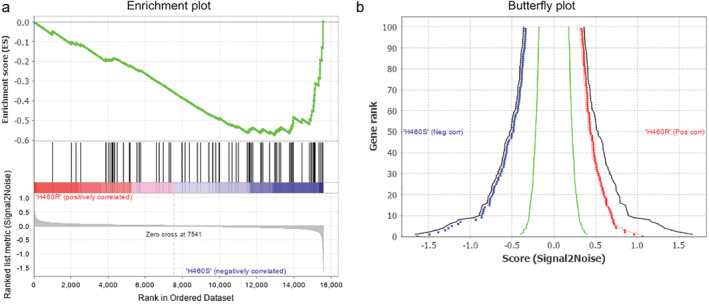
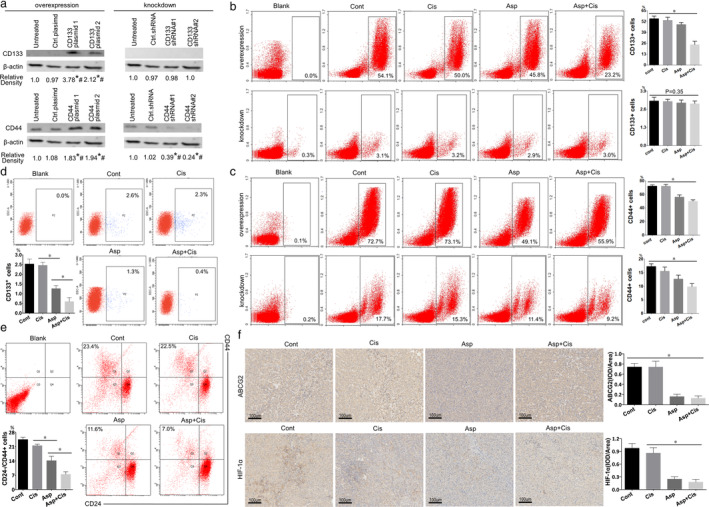
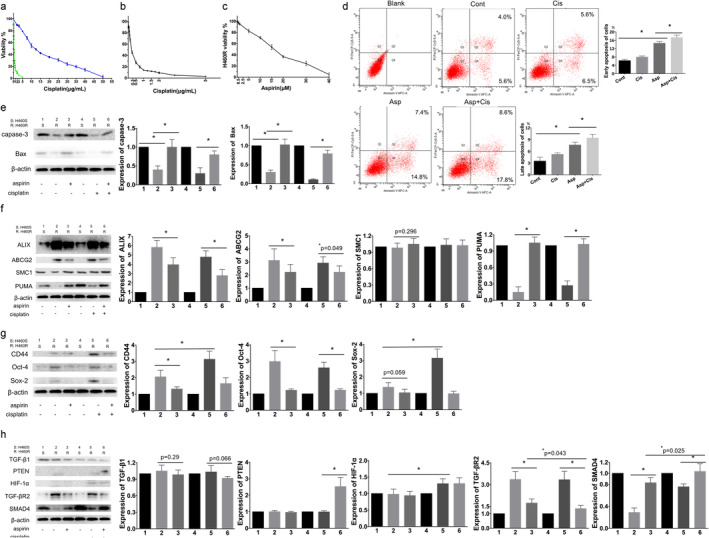
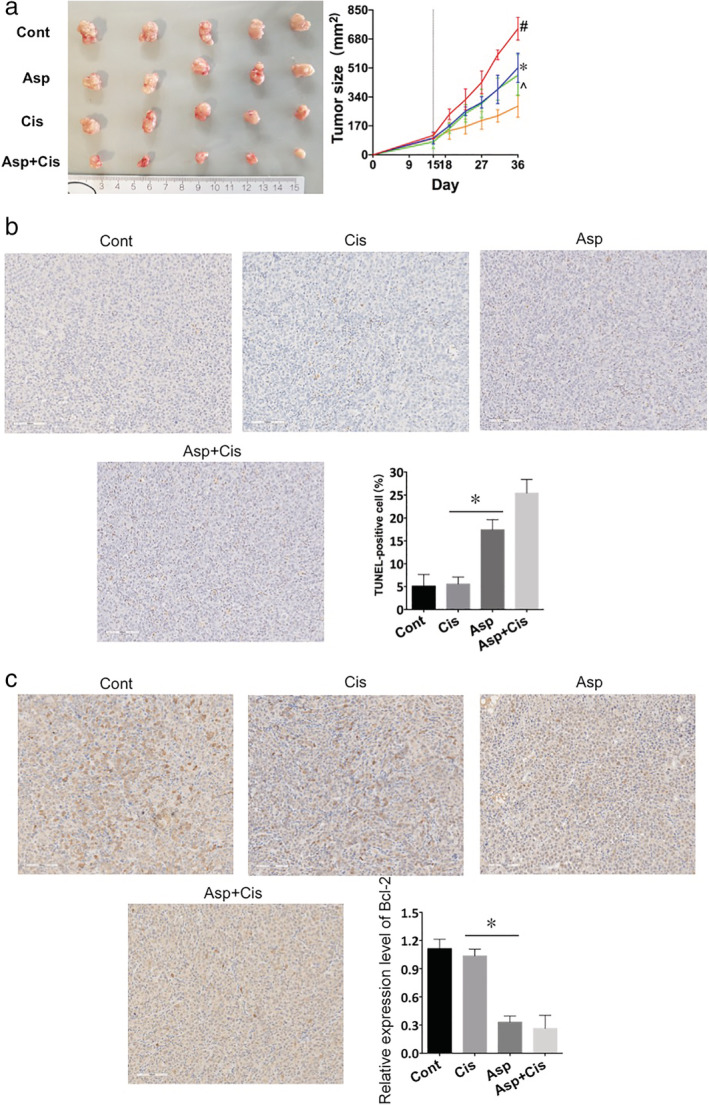
We used clustering analysis to predict the H460 cisplatin resistance from the GSE21656 dataset. The increased lung cancer cell stemness may contribute to enhanced tolerance. In this study, we used aspirin, a nonselective COX inhibitor, with cisplatin for several hours in cells and days in vivo, and studied the inhibition against human cisplatin-resistant H460 cells. H460 cisplatin-sensitive and H460 cisplatin-resistant cells were treated with 16 μM aspirin or/and 0.3 μg/mL cisplatin for 72 hours.
H460 cisplatin-resistant cells showed stronger resistance, stemness, and invasiveness than H460 cisplatin-sensitive, and cisplatin significantly reduced the survival of cisplatin-sensitive cells, while cisplatin with aspirin dramatically reduced the surviving fractions of cisplatin-resistant cells.
This study revealed that stemness is a latent inhibitor of the resistance of lung cancer cisplatin-resistant cells and might be effectively inhibited by aspirin.
肺癌是癌症死亡的主要原因,通常用顺铂治疗。虽然顺铂治疗最初可能有效,但在疾病复发患者中,其疗效通常会显著降低。阿司匹林是一种非选择性 COX 抑制剂,已被证明有助于逆转复发性人卵巢癌细胞中顺铂的敏感性。本研究旨在从癌症细胞干性的角度探讨阿司匹林对顺铂耐药性的影响。
我们使用聚类分析从 GSE21656 数据集预测 H460 顺铂耐药性。增加的肺癌细胞干性可能有助于增强耐受性。在这项研究中,我们使用了阿司匹林(一种非选择性 COX 抑制剂),在细胞中与顺铂一起使用数小时,在体内使用数天,并研究了对人顺铂耐药的 H460 细胞的抑制作用。用 16 μM 阿司匹林和/或 0.3 μg/mL 顺铂处理 H460 顺铂敏感和 H460 顺铂耐药细胞 72 小时。
H460 顺铂耐药细胞比 H460 顺铂敏感细胞表现出更强的耐药性、干性和侵袭性,顺铂显著降低了顺铂敏感细胞的存活率,而顺铂联合阿司匹林则显著降低了顺铂耐药细胞的存活分数。
本研究表明,干性是肺癌顺铂耐药细胞耐药的潜在抑制剂,阿司匹林可能有效抑制干性。