Department of Biomedicine and Clinic for Otolaryngology, Head and Neck Surgery, University Basel Hospital, Basel, Switzerland.
Department of Otorhinolaryngology, Head and Neck Surgery, University of Zurich, University Hospital Zurich, Zurich, Switzerland.
PLoS One. 2020 Sep 29;15(9):e0239952. doi: 10.1371/journal.pone.0239952. eCollection 2020.
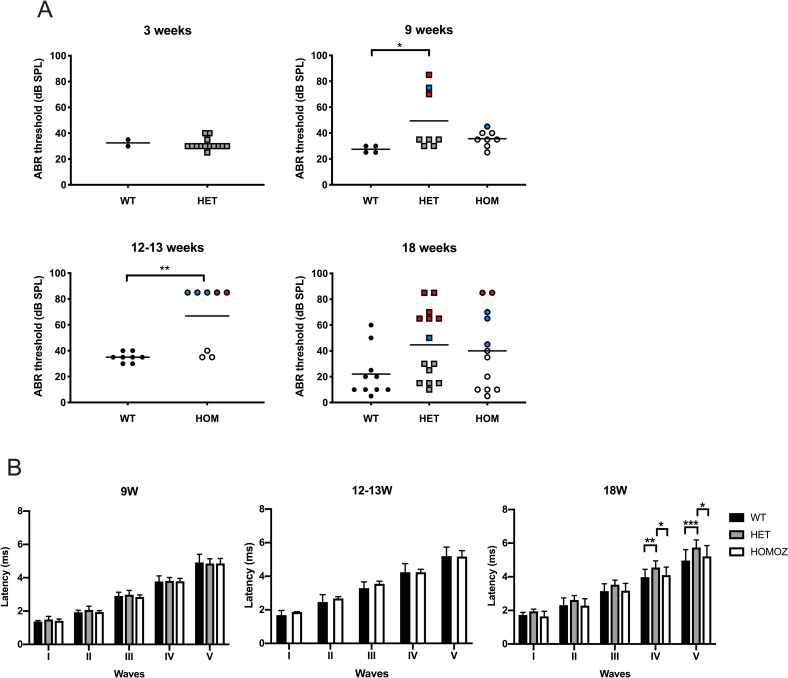
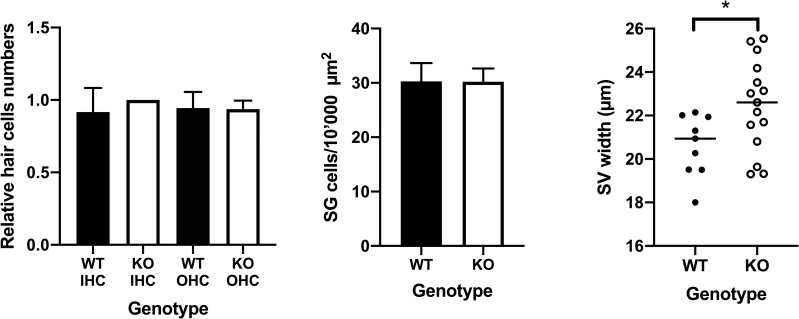
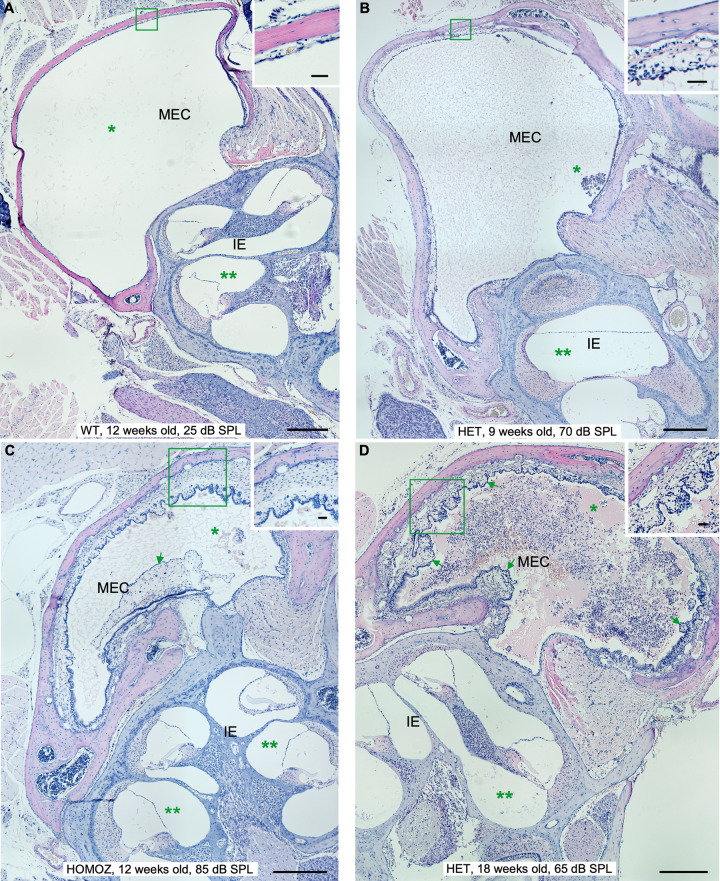
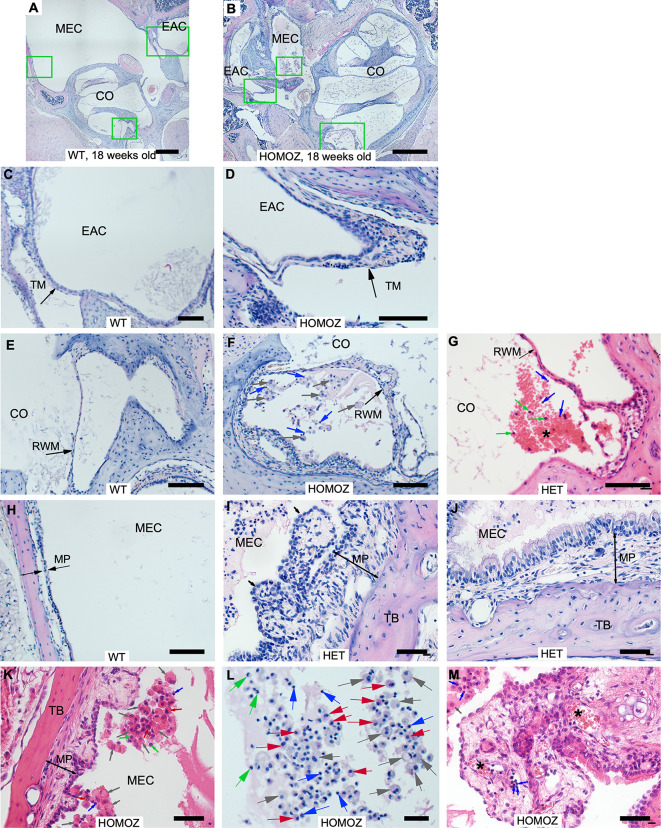
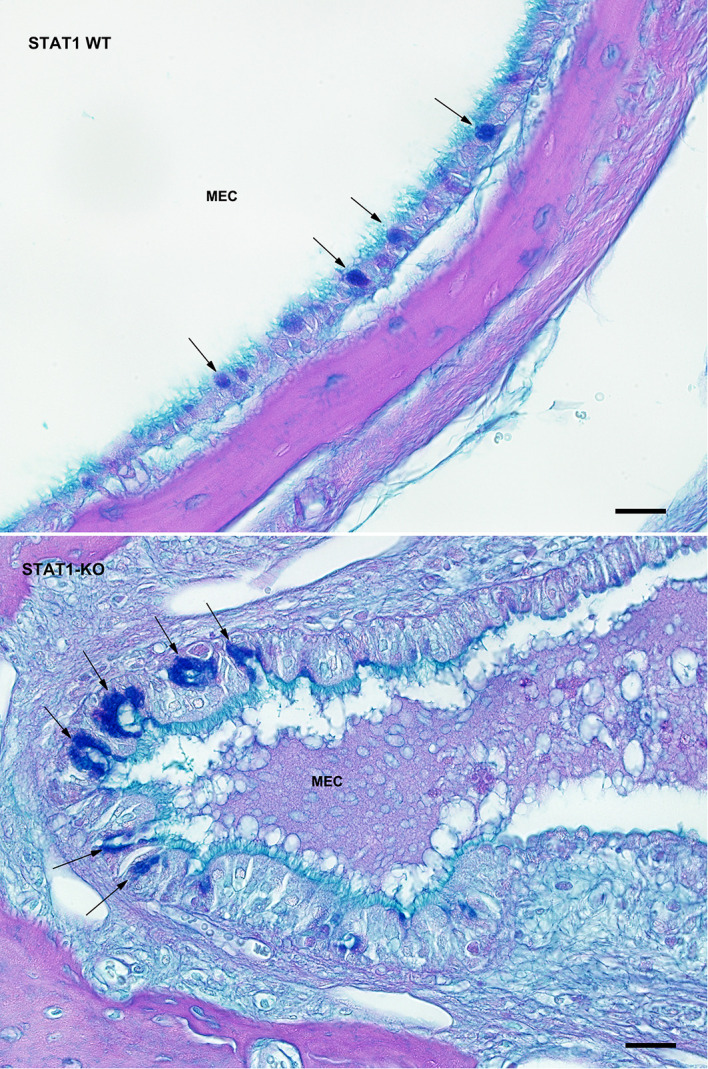
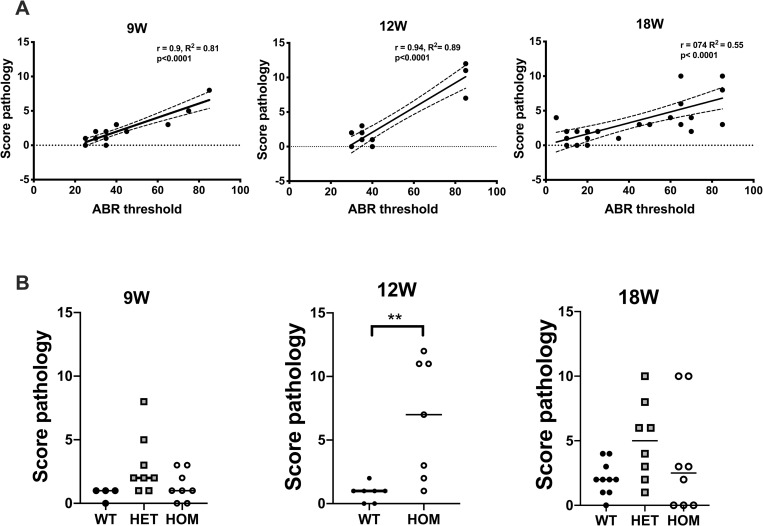
Signal transducer and activator of transcription 1 (STAT1) is known to be an important player in inflammatory responses. STAT1 as a transcription factor regulates the expression of multiple proinflammatory genes. Inflammatory response is one of the common effects of ototoxicity. Our group reported that hair cells of STAT1 knockout (STAT1-KO) mice are less sensitive to ototoxic agents in-vitro. The effect of inflammatory responses in STAT1-KO mice has primarily been studied challenging them with several pathogens and analyzing different organs of those mice. However, the effect of STAT1 ablation in the mouse inner ear has not been reported. Therefore, we evaluated the cochlear function of wild type and STAT1-KO mice via auditory brain stem response (ABR) and performed histopathologic analysis of their temporal bones. We found ABR responses were affected in STAT1-KO mice with cases of bilateral and unilateral hearing impairment. Histopathologic examination of the middle and inner ears showed bilateral and unilateral otitis media. Otitis media was characterized by effusion of middle and inner ear that varied between the mice in volume and inflammatory cell content. In addition, the thickness of the middle ear mucosae in STAT1-KO mice were more pronounced than those in wild type mice. The degree of middle and inner ear inflammation correlated with ABR threshold elevation in STAT1-KO mice. It appears that a number of mice with inflammation underwent spontaneous resolution. The ABR thresholds were variable and showed a tendency to increase in homozygous and heterozygous STAT1-KO mice. These findings suggest that STAT1 ablation confers an increased susceptibility to otitis media leading to hearing impairment. Thus, the study supports the new role of STAT1 as otitis media predisposition gene.
信号转导子和转录激活子 1(STAT1)是已知的炎症反应中的重要参与者。STAT1 作为一种转录因子,调节多种前炎性基因的表达。炎症反应是耳毒性的常见效应之一。我们的研究小组报道,STAT1 敲除(STAT1-KO)小鼠的毛细胞在体外对耳毒性剂的敏感性较低。STAT1-KO 小鼠的炎症反应的影响主要通过用几种病原体挑战它们,并分析这些小鼠的不同器官来研究。然而,STAT1 缺失在小鼠内耳中的影响尚未报道。因此,我们通过听觉脑干反应(ABR)评估了野生型和 STAT1-KO 小鼠的耳蜗功能,并对其颞骨进行了组织病理学分析。我们发现 STAT1-KO 小鼠的 ABR 反应受到影响,存在双侧和单侧听力障碍。中耳和内耳的组织病理学检查显示双侧和单侧中耳炎。中耳炎的特征是中耳和内耳积液,其体积和炎性细胞含量在不同小鼠之间存在差异。此外,STAT1-KO 小鼠的中耳黏膜厚度比野生型小鼠更明显。中耳和内耳炎症的程度与 STAT1-KO 小鼠的 ABR 阈值升高相关。似乎有许多伴有炎症的小鼠发生了自发性缓解。ABR 阈值在杂合子和纯合子 STAT1-KO 小鼠中是可变的,并且有增加的趋势。这些发现表明,STAT1 缺失赋予了对中耳炎导致听力障碍的易感性增加。因此,该研究支持 STAT1 作为中耳炎易感性基因的新作用。