Song Wei, Wang Hao, Lu Minmin, Ni Xinxin, Bahri Nacef, Zhu Shuihao, Chen Limin, Wu Yuehong, Qiu Jieqiong, Fletcher Jonathan A, Ou Wen-Bin
Zhejiang Provincial Key Laboratory of Silkworm Bioreactor and Biomedicine, College of Life Sciences and Medicine, Zhejiang Sci-Tech University, Hangzhou 310018, China.
Department of Pathology, Brigham and Women's Hospital and Harvard Medical School, Boston, MA 02115, USA.
Cancers (Basel). 2020 Sep 25;12(10):2757. doi: 10.3390/cancers12102757.
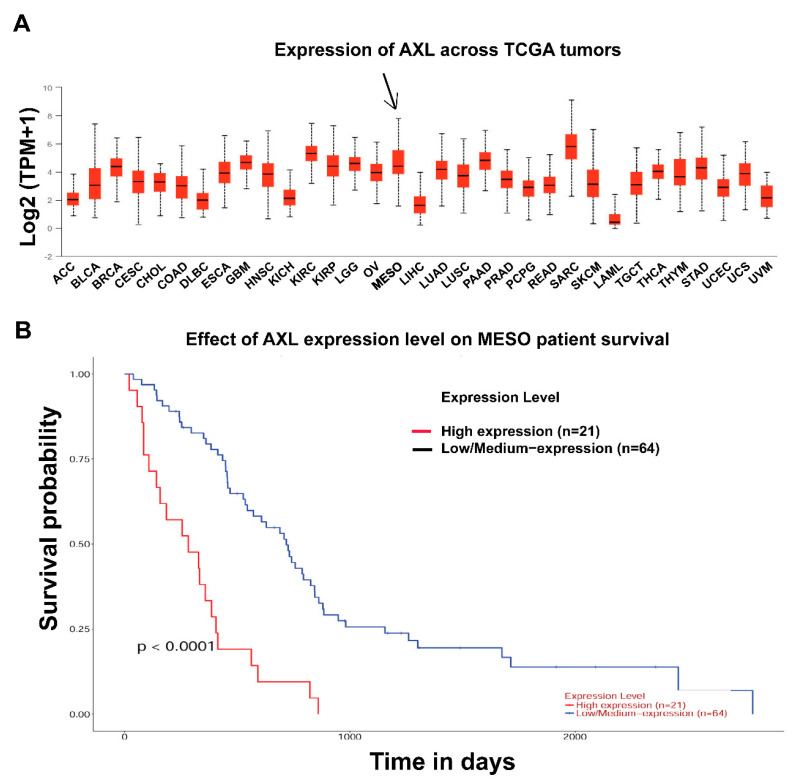
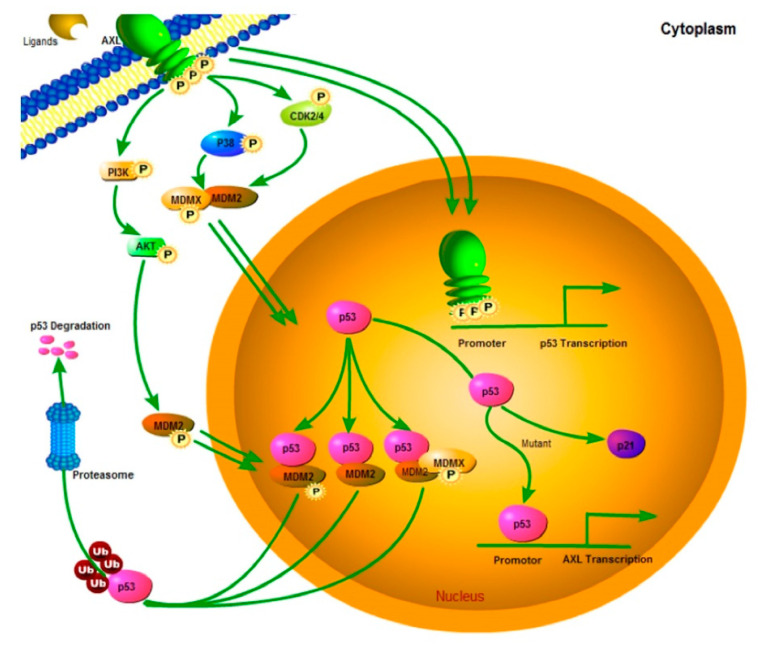
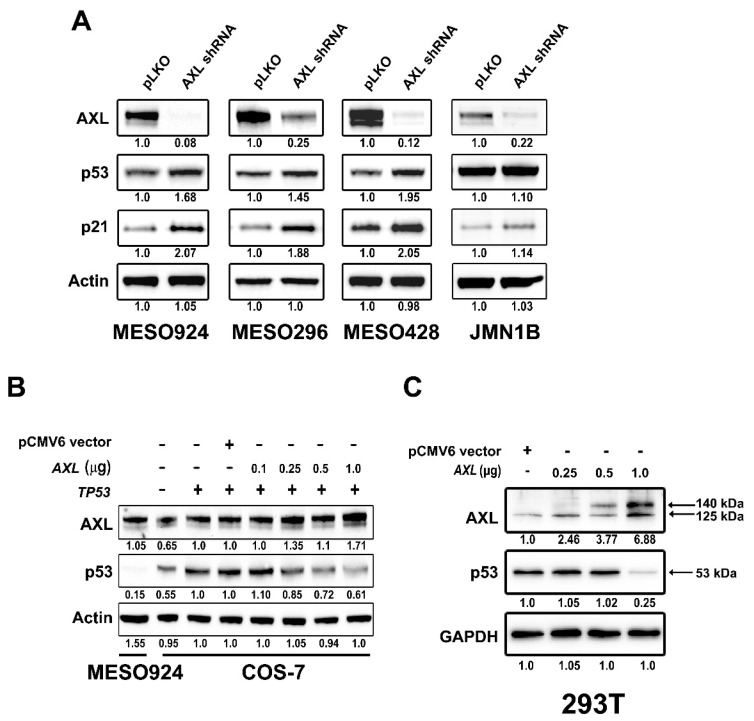
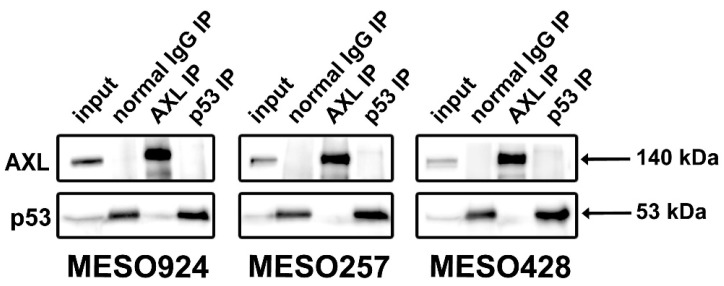
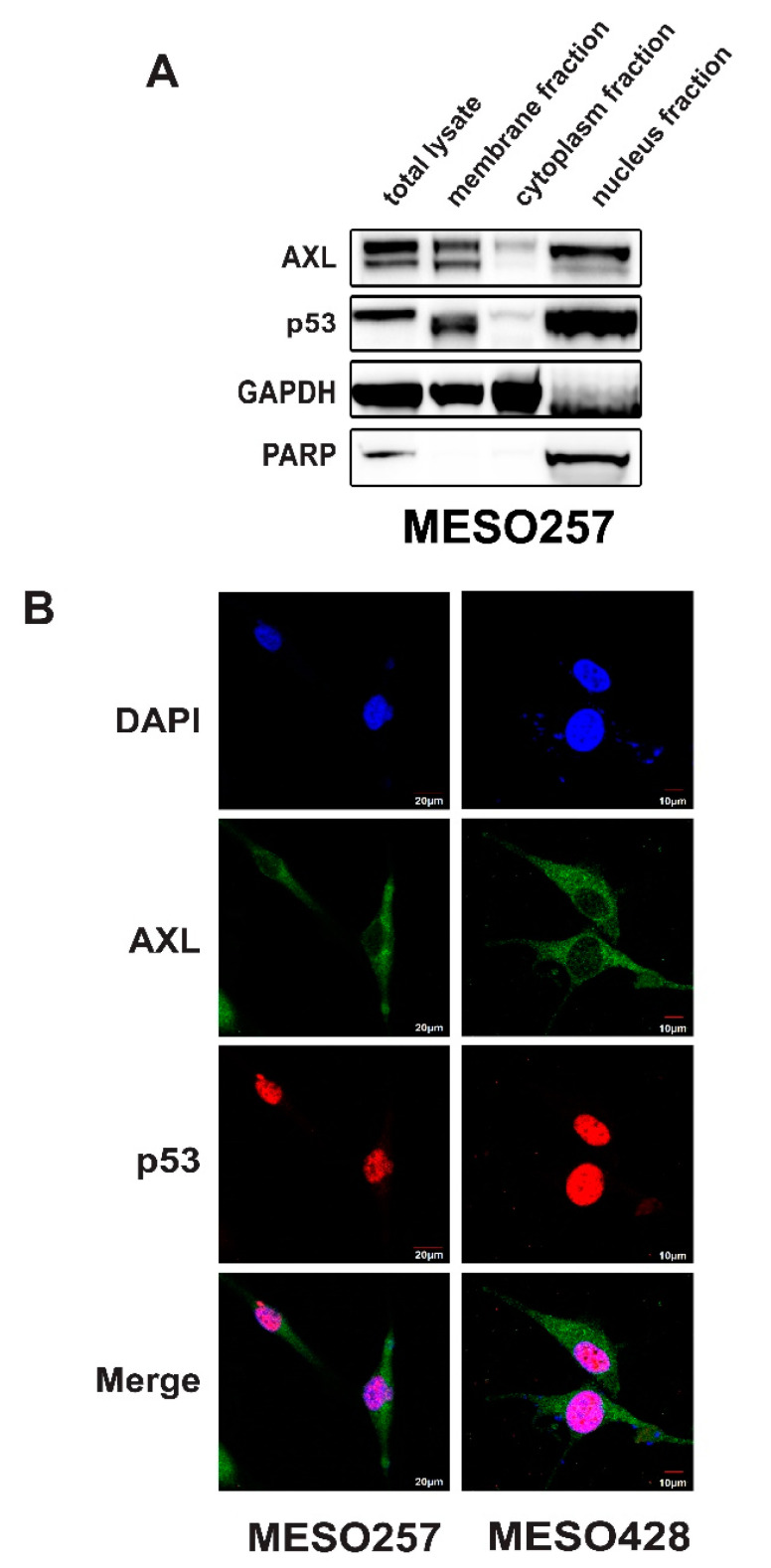
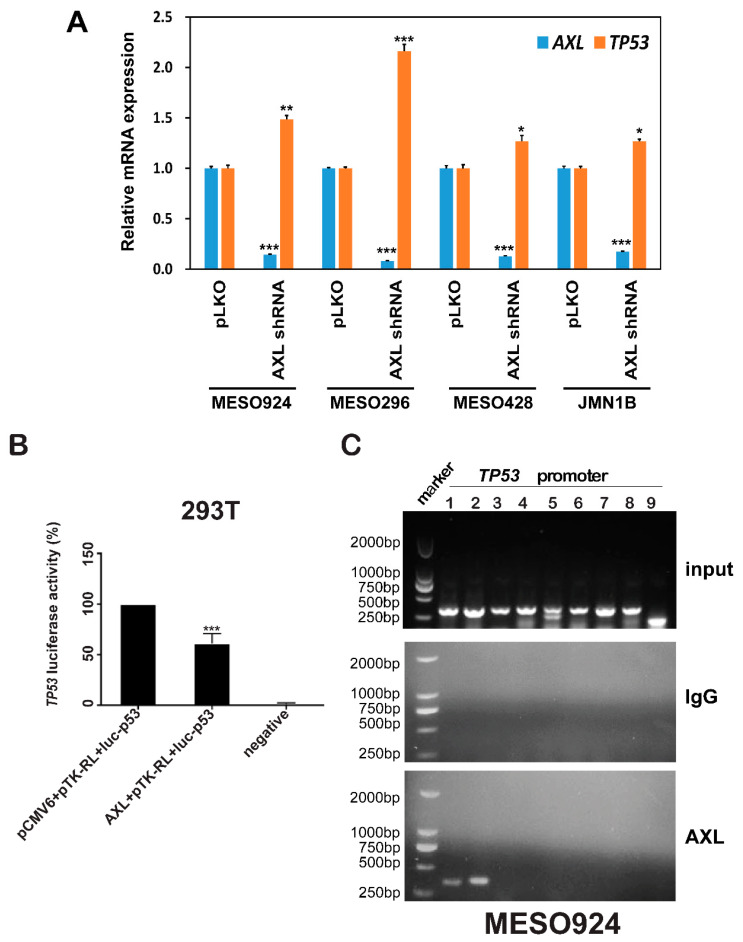
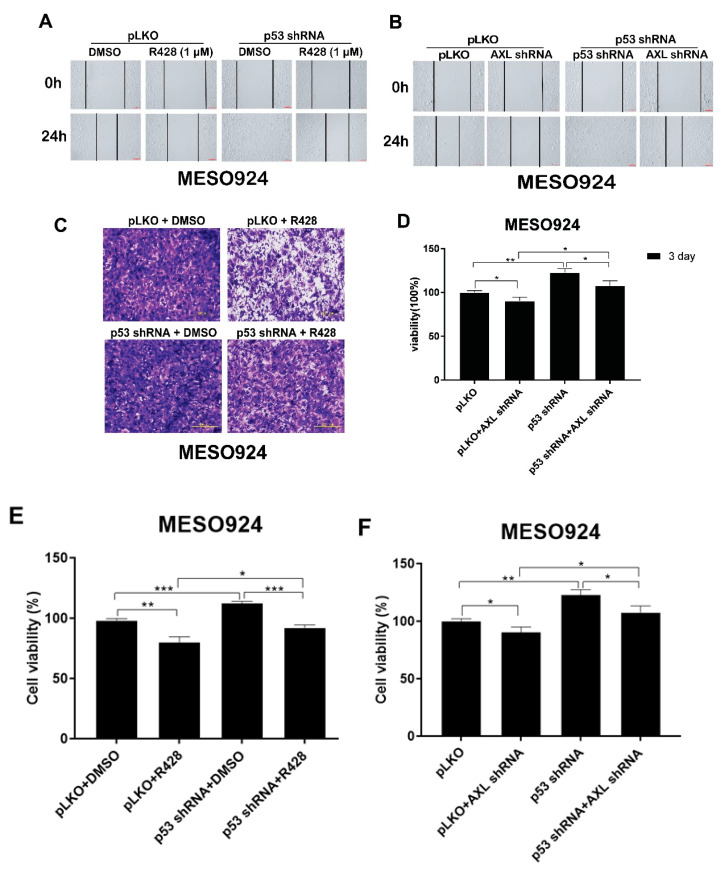
Malignant mesothelioma is a locally aggressive and highly lethal neoplasm. Dysregulation and activation of Gas6/AXL tyrosine kinase signaling are associated with mesothelioma progression, but the mechanisms of these AXL tumorigenic roles are poorly understood. p53 mutants in lung carcinoma upregulate AXL expression by binding and acetylating the promoter. Although mutations are uncommon in mesothelioma, we hypothesized that these tumors might have alternative feedback mechanisms between AXL and p53. In the current report, we investigated AXL regulation of transcription, expression, and biological function in mesothelioma. AXL expression was stronger in mesothelioma than most of the other tumor types from the TCGA gene expression profile dataset. knockdown by shRNA induced wild-type and mutant p53 expression in mesothelioma cell lines, suggesting that AXL pro-tumorigenic roles result in part from the suppression of p53 function. Likewise, induced AXL inhibited expression of wild type p53 in COS-7 cells and 293T cells. Immunofluorescence staining showed nuclear colocalization of AXL and p53; however, association of AXL and p53 was not demonstrated in immunoprecipitation complexes. The AXL effects on p53 expression resulted from the inhibition of transcription, as demonstrated by qRT-PCR after silencing and promotor dual luciferase activity assays. Chromatin immunoprecipitation-qPCR and sequencing showed that AXL bound to the initial 600 bp sequence at the 5' end of the promoter. AXL inhibition (shRNA or R428) reduced mesothelioma cell viability, migration, and invasion, whereas shRNA knockdown attenuated antiproliferative, migration, and invasive effects of AXL silencing or AXL inactivation in these cells. These studies demonstrate a novel feedback regulation loop between AXL and p53, and provide a rationale for mesothelioma therapies targeting AXL/p53 signaling.
恶性间皮瘤是一种具有局部侵袭性且高度致命的肿瘤。Gas6/AXL酪氨酸激酶信号的失调和激活与间皮瘤进展相关,但这些AXL致瘤作用的机制尚不清楚。肺癌中的p53突变体通过结合并乙酰化启动子来上调AXL表达。尽管间皮瘤中突变并不常见,但我们推测这些肿瘤可能在AXL和p53之间存在替代反馈机制。在本报告中,我们研究了AXL在间皮瘤中的转录调控、表达及生物学功能。从TCGA基因表达谱数据集中可知,AXL在间皮瘤中的表达比大多数其他肿瘤类型更强。通过shRNA敲低AXL可诱导间皮瘤细胞系中野生型和突变型p53的表达,这表明AXL的促瘤作用部分源于对p53功能的抑制。同样,诱导表达AXL可抑制COS-7细胞和293T细胞中野生型p53的表达。免疫荧光染色显示AXL和p53在细胞核中共定位;然而,免疫沉淀复合物中未证实AXL与p53的关联。AXL对p53表达的影响源于对转录的抑制,这在AXL沉默后的qRT-PCR和启动子双荧光素酶活性测定中得到了证实。染色质免疫沉淀-qPCR和测序表明AXL与p53启动子5'端的最初600 bp序列结合。AXL抑制(shRNA或R428)可降低间皮瘤细胞的活力、迁移和侵袭能力,而AXL shRNA敲低可减弱AXL沉默或AXL失活对这些细胞的抗增殖、迁移和侵袭作用。这些研究证明了AXL和p53之间存在一种新的反馈调节环,并为靶向AXL/p53信号通路的间皮瘤治疗提供了理论依据。