Koboziev Iurii, Scoggin Shane, Gong Xiaoxia, Mirzaei Parvin, Zabet-Moghaddam Masoud, Yosofvand Mohammad, Moussa Hanna, Jones-Hall Yava, Moustaid-Moussa Naima
Department of Nutritional Sciences, Texas Tech University, College of Human Sciences, Lubbock, TX 79409-1270, USA.
Obesity Research Institute, Texas Tech University, College of Human Sciences, Lubbock, TX 79409-1270, USA.
Biomolecules. 2020 Sep 25;10(10):1368. doi: 10.3390/biom10101368.
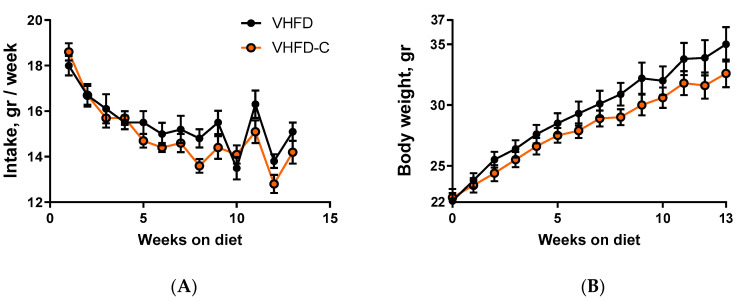
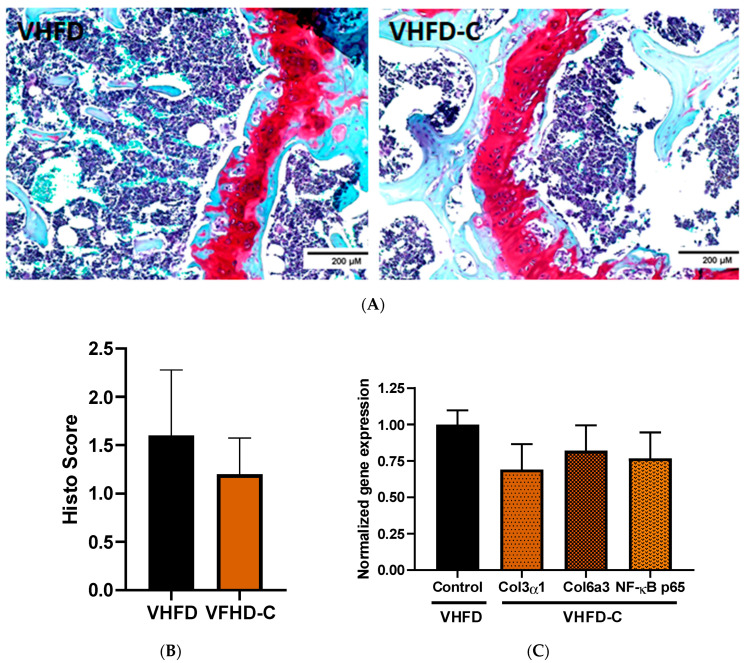
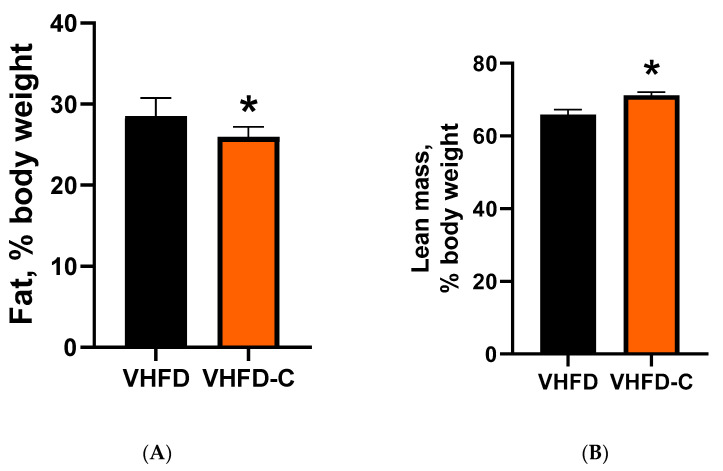
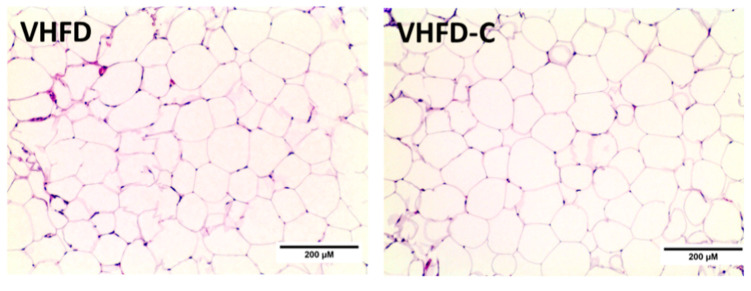
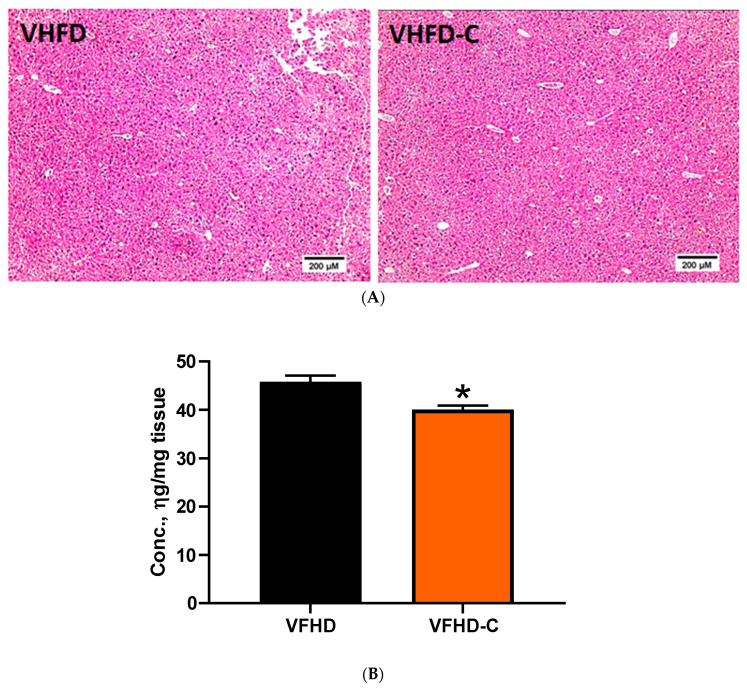
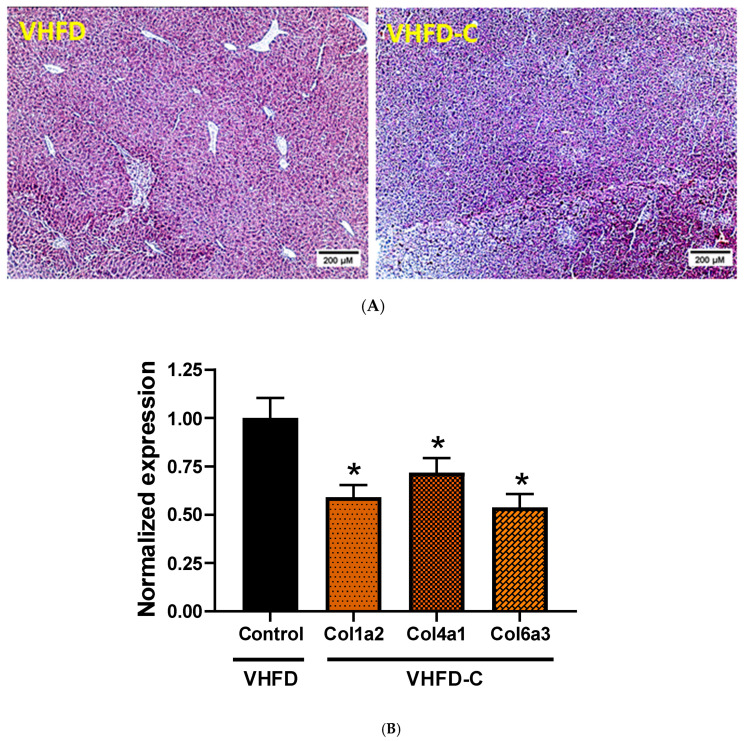
Worldwide rates of Western-diet-induced obesity epidemics are growing dramatically. Being linked with numerous comorbidities and complications, including cardiovascular disease, type 2 diabetes, cancer, chronic inflammation, and osteoarthritis (OA), obesity represents one of the most threatening challenges for modern healthcare. Mouse models are an invaluable tool for investigating the effects of diets and their bioactive components against high fat diet (HFD)-induced obesity and its comorbidities. During recent years, very high fat diets (VHFDs), providing 58-60% kcal fat, have become a popular alternative to more traditional HFDs, providing 40-45% total kcal fat, due to the faster induction of obesity and stronger metabolic responses. This project aims to investigate if the 60% fat VHFD is suitable to evaluate the protective effects of curcumin in diet-induced obesity and osteoarthritis. B6 male mice, prone to diet-induced metabolic dysfunction, were supplemented with VHFD without or with curcumin for 13 weeks. Under these experimental conditions, feeding mice a VHFD for 13 weeks did not result in expected robust manifestations of the targeted pathophysiologic conditions. Supplementing the diet with curcumin, in turn, protected the animals against obesity without significant changes in white adipocyte size, glucose clearance, and knee cartilage integrity. Additional research is needed to optimize diet composition, curcumin dosage, and duration of dietary interventions to establish the VHFD-induced obesity for evaluating the effects of curcumin on metabolic dysfunctions related to obesity and osteoarthritis.
全球范围内,西方饮食导致的肥胖流行率正在急剧上升。肥胖与多种合并症和并发症相关,包括心血管疾病、2型糖尿病、癌症、慢性炎症和骨关节炎(OA),是现代医疗保健面临的最具威胁性的挑战之一。小鼠模型是研究饮食及其生物活性成分对高脂饮食(HFD)诱导的肥胖及其合并症影响的宝贵工具。近年来,提供58 - 60%千卡脂肪的极高脂肪饮食(VHFDs)已成为更传统的提供40 - 45%总千卡脂肪的HFDs的流行替代品,因为其诱导肥胖更快且代谢反应更强。本项目旨在研究60%脂肪的VHFD是否适合评估姜黄素对饮食诱导的肥胖和骨关节炎的保护作用。易发生饮食诱导代谢功能障碍的B6雄性小鼠在13周内喂食不含或含有姜黄素的VHFD。在这些实验条件下,给小鼠喂食13周的VHFD并未导致预期的目标病理生理状况的强烈表现。相反,在饮食中添加姜黄素可保护动物免于肥胖,同时白色脂肪细胞大小、葡萄糖清除率和膝关节软骨完整性无显著变化。需要进一步研究以优化饮食组成、姜黄素剂量和饮食干预持续时间,以建立VHFD诱导的肥胖模型,用于评估姜黄素对与肥胖和骨关节炎相关的代谢功能障碍的影响。