Department of Gastroenterology and Hepatology, Zhongshan Hospital, Fudan University, Shanghai, China.
Department of Gastroenterology, Xuhui District Central Hospital, Shanghai, China.
Clin Exp Immunol. 2021 Feb;203(2):286-303. doi: 10.1111/cei.13529. Epub 2020 Nov 12.
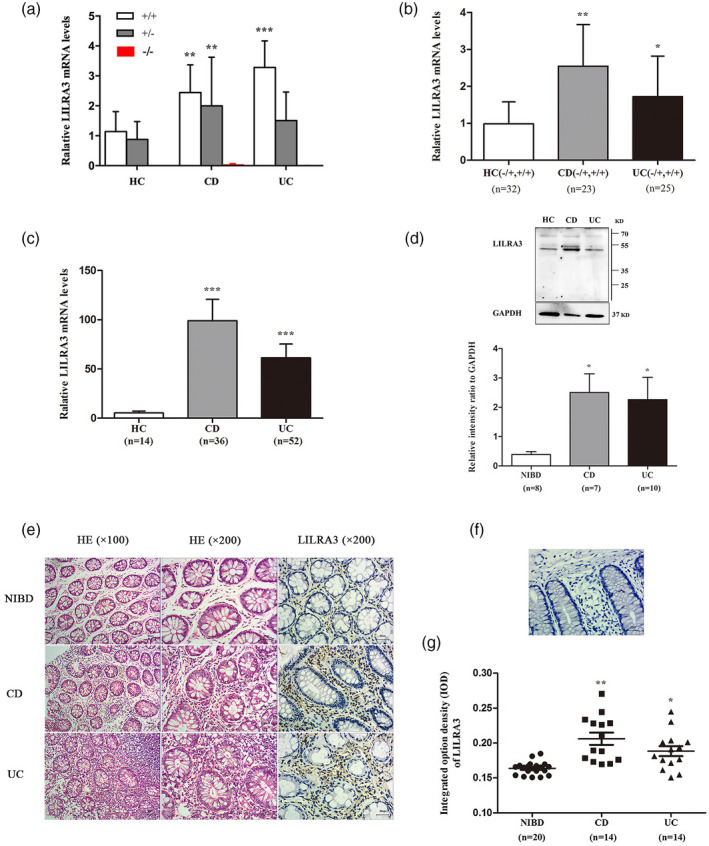
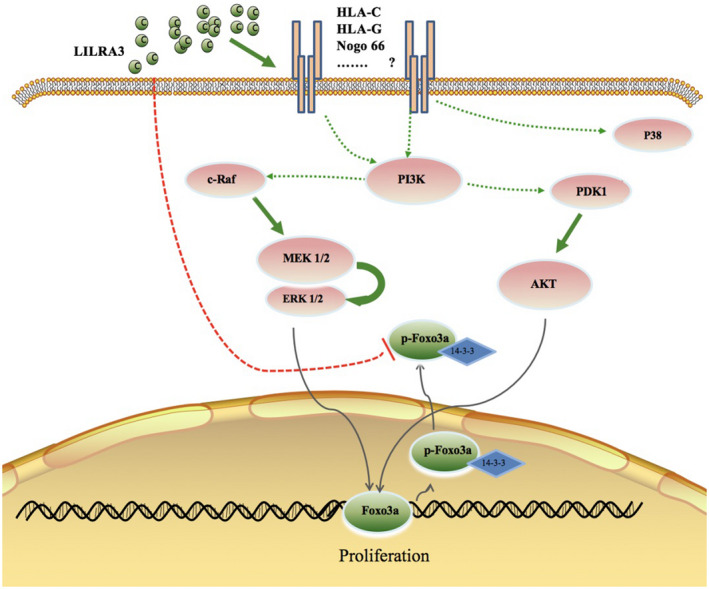
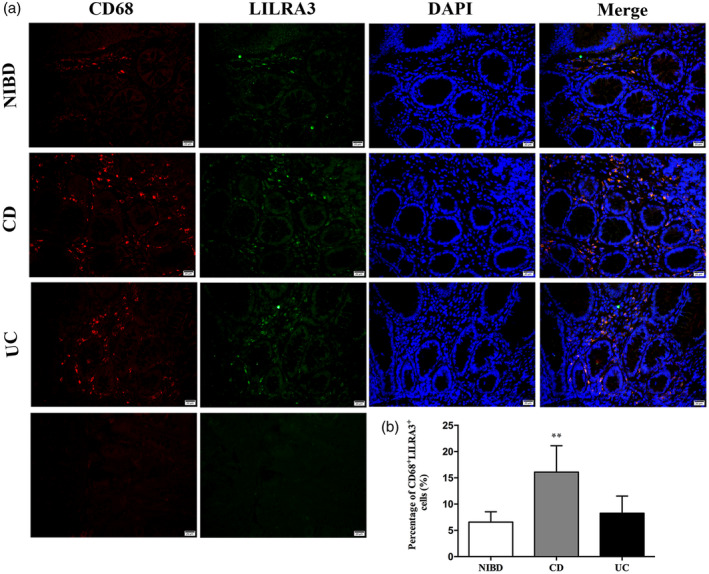
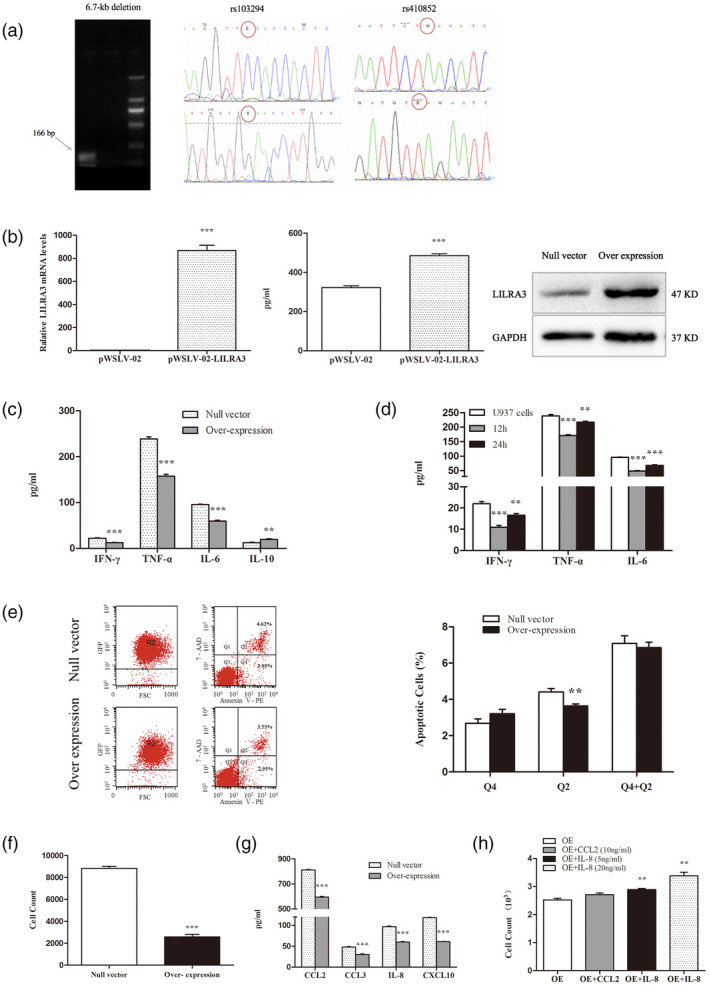
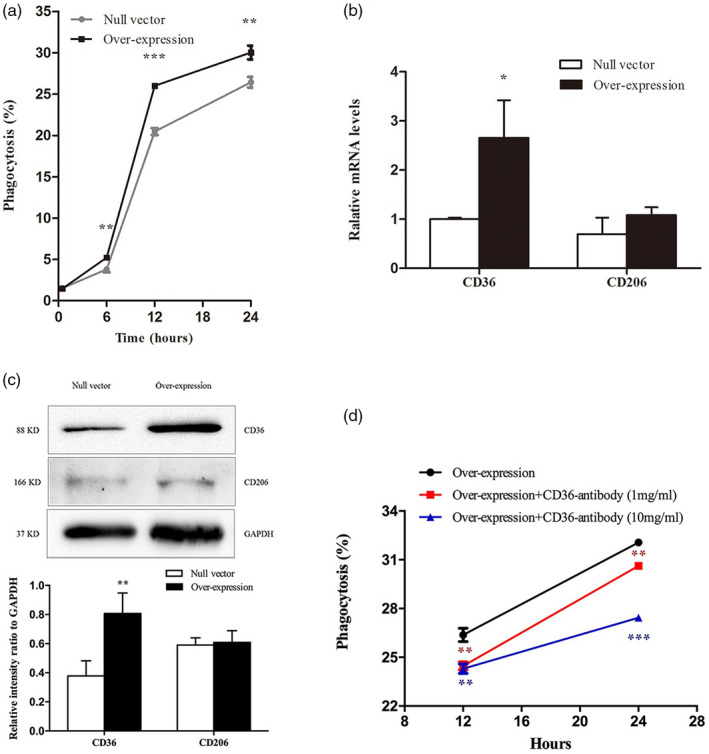
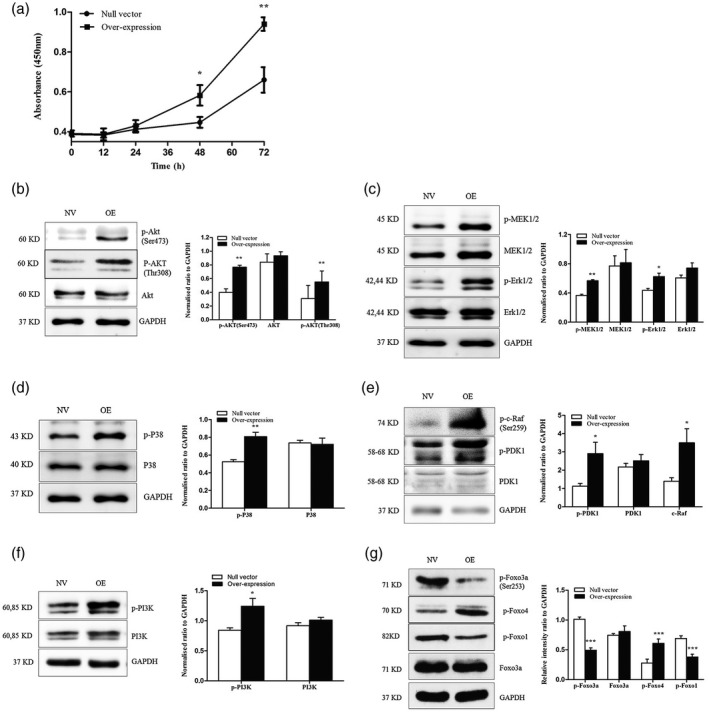
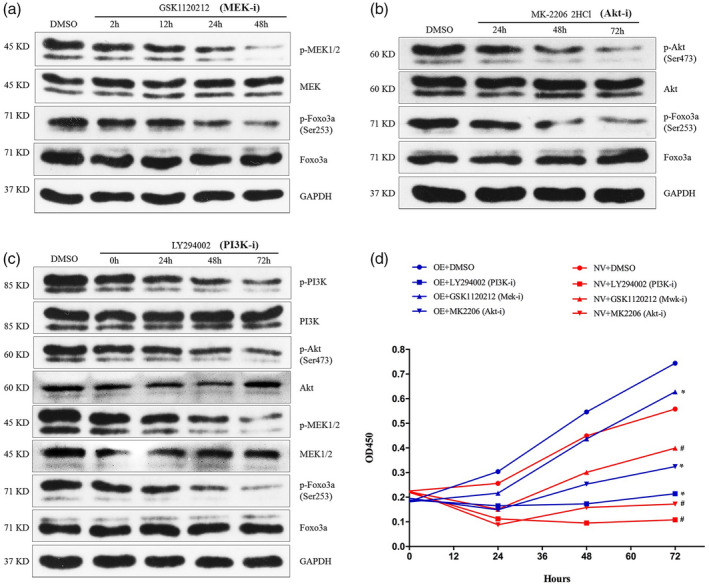
Growing evidence shows that a homozygous 6·7-kb deletion of the novel anti-inflammatory molecule leukocyte immunoglobulin-like receptor A3 (LILRA3) is associated with many autoimmune disorders. However, its effects on pathogenesis of inflammatory bowel disease (IBD) have yet not been clarified. LILRA3 is mainly expressed in monocytes, whereas its effects on biological behaviors of monocytes have not been systematically reported. In our study, to investigate the association between LILRA3 polymorphism and IBD susceptibility, LILRA3 polymorphism was assessed in 378 IBD patients and 509 healthy controls. Quantitative real time PCR (qRT-PCR), Western blot and immunohistochemistry (IHC) were employed to detect the LILRA3 expression in IBD patient blood and intestinal samples. The human U937 monocyte cell line was employed to establish LILRA3 over-expressing cells and the effects of LILRA3 on the biological behaviors of U937 cells were systematically explored. Although no association of the polymorphism with IBD development was found, LILRA3 expression was markedly increased in IBD patients compared with healthy controls. Over-expression of LILRA3 in monocytes led to significant decreases in secretion of interferon (IFN)-γ, tumor necrosis factor (TNF)-α and interleukin (IL)-6. Additionally, LILRA3 abated monocyte migration by reducing the expression of several chemokines and enhanced monocyte phagocytosis by increasing CD36 expression. Furthermore, LILRA3 promoted monocyte proliferation through a combination of Akt and extracellular receptor kinase/mitogen-activated protein kinase (Erk/MEK) signaling pathways. We report for the first time, to our knowledge, that LILRA3 is related to IBD and functions as an anti-inflammatory modulator in U937 cells.
越来越多的证据表明,新型抗炎分子白细胞免疫球蛋白样受体 A3(LILRA3)的纯合 6.7-kb 缺失与许多自身免疫性疾病有关。然而,其对炎症性肠病(IBD)发病机制的影响尚未阐明。LILRA3 主要在单核细胞中表达,但其对单核细胞生物学行为的影响尚未得到系统报道。在本研究中,为了研究 LILRA3 多态性与 IBD 易感性的关系,我们在 378 例 IBD 患者和 509 例健康对照中评估了 LILRA3 多态性。采用实时定量 PCR(qRT-PCR)、Western blot 和免疫组织化学(IHC)检测 IBD 患者血液和肠道样本中的 LILRA3 表达。用人 U937 单核细胞系建立 LILRA3 过表达细胞,系统探讨了 LILRA3 对 U937 细胞生物学行为的影响。虽然该多态性与 IBD 发展无关联,但与健康对照组相比,IBD 患者的 LILRA3 表达明显增加。单核细胞中 LILRA3 的过表达导致干扰素(IFN)-γ、肿瘤坏死因子(TNF)-α和白细胞介素(IL)-6 的分泌显著减少。此外,LILRA3 通过降低几种趋化因子的表达减少单核细胞迁移,并通过增加 CD36 表达增强单核细胞吞噬作用。此外,LILRA3 通过 Akt 和细胞外受体激酶/丝裂原激活蛋白激酶(Erk/MEK)信号通路促进单核细胞增殖。据我们所知,我们首次报道 LILRA3 与 IBD 有关,并作为 U937 细胞中的抗炎调节剂发挥作用。