Department of Pathology, Nagoya University Graduate School of Medicine, Nagoya, Japan.
Division of Molecular Pathology, Center for Neurological Disease and Cancer, Nagoya University Graduate School of Medicine, Nagoya, Japan.
Cancer Sci. 2020 Dec;111(12):4616-4628. doi: 10.1111/cas.14673. Epub 2020 Oct 24.
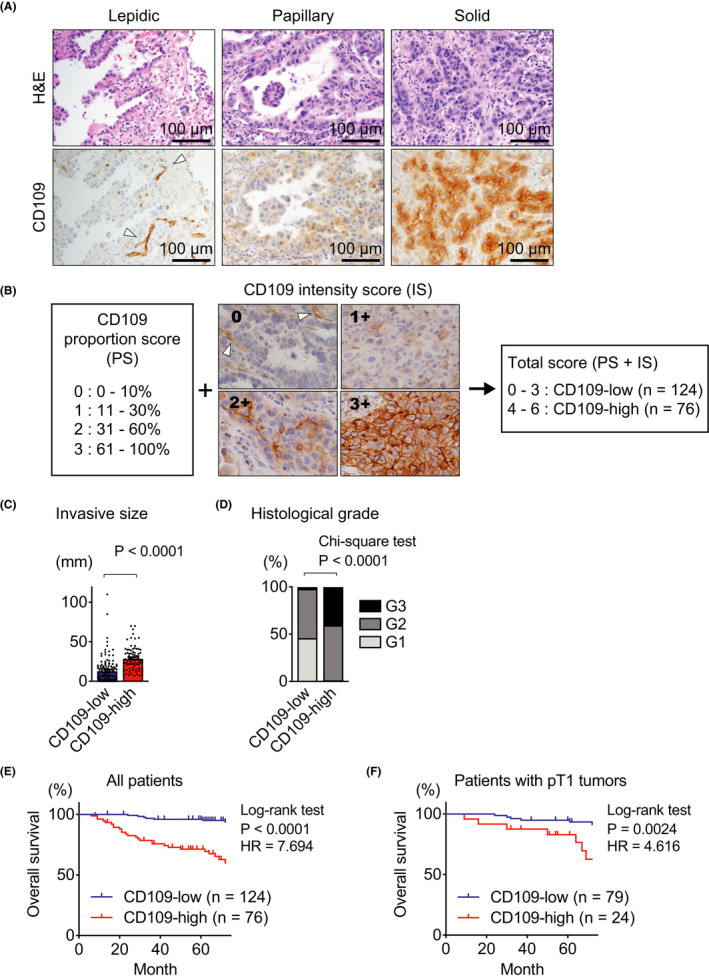
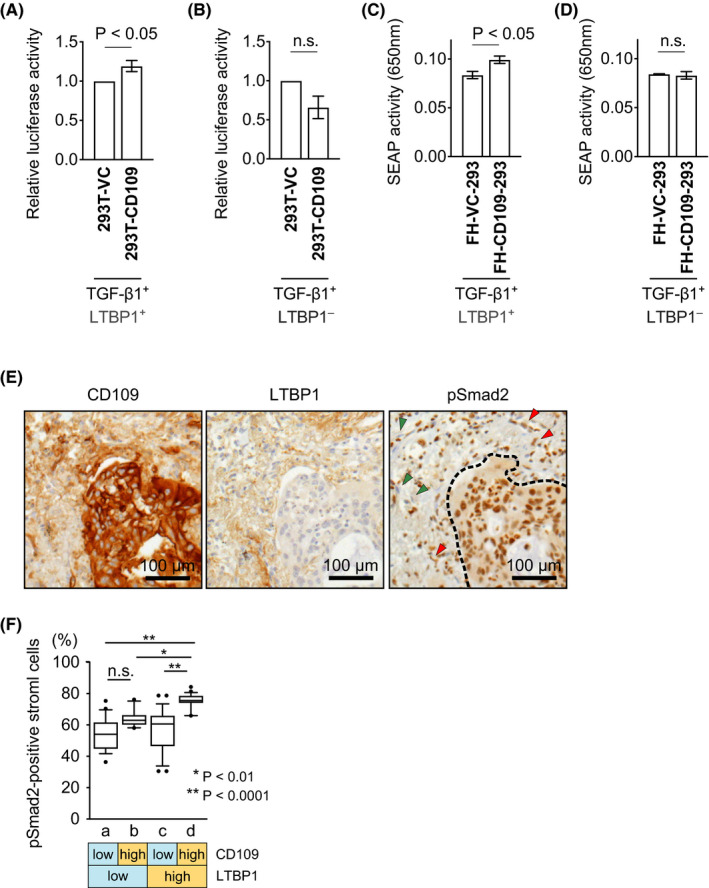
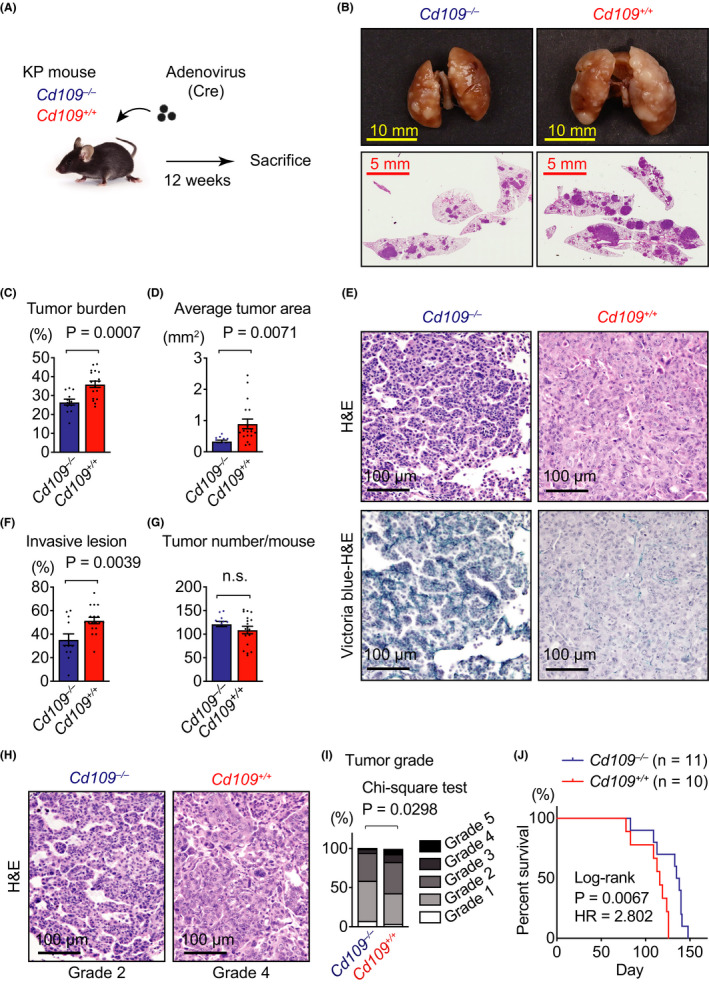
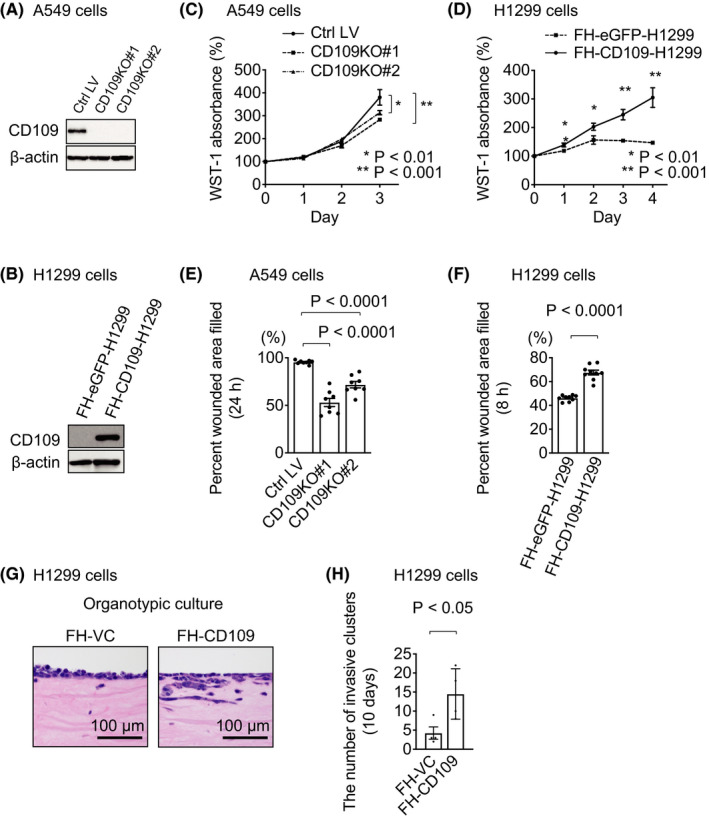
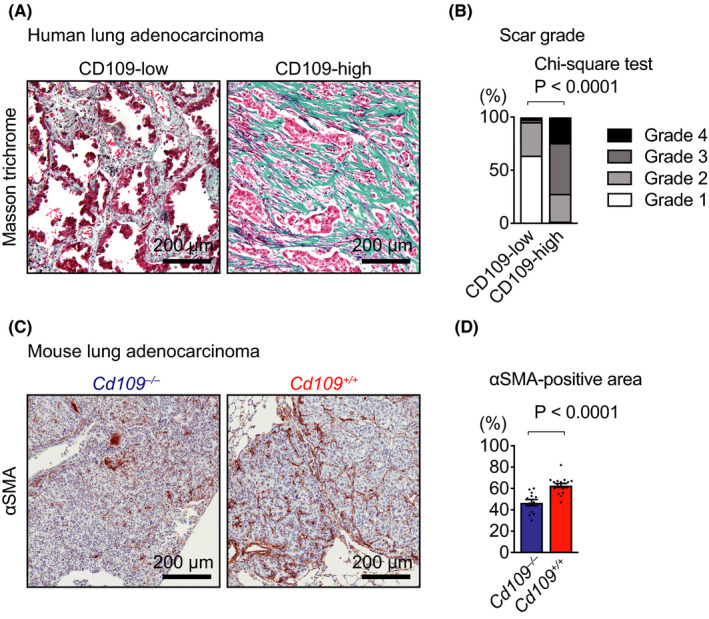
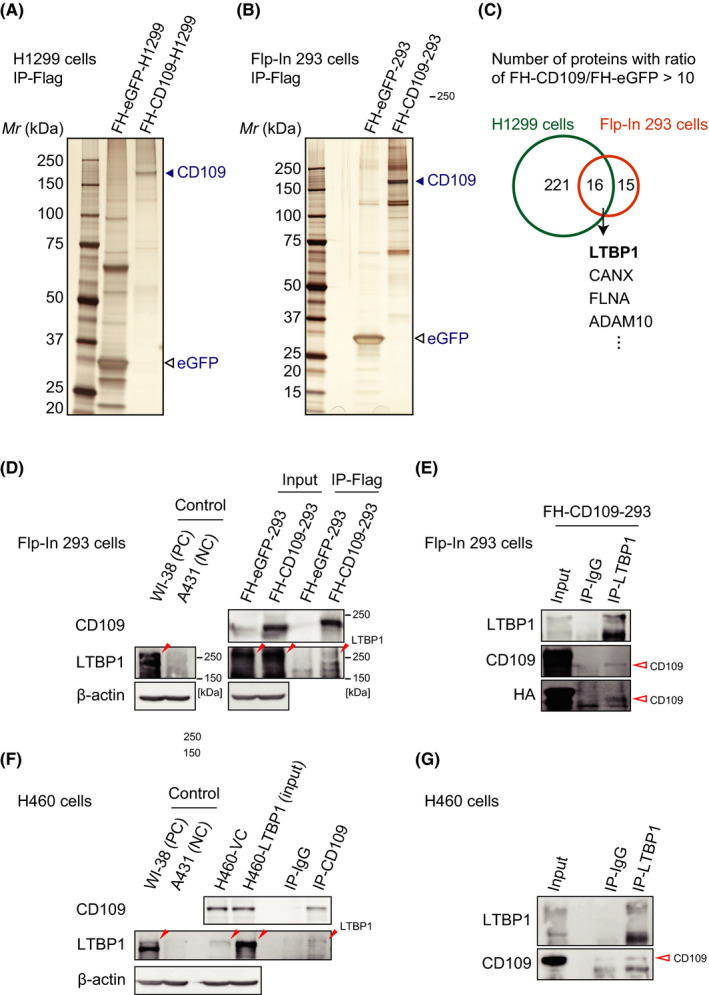
Stromal invasion is considered an important prognostic factor in patients with lung adenocarcinoma. The mechanisms underlying the formation of tumor stroma and stromal invasion have been studied in the lung; however, they are still unclear. CD109 is a glycosylphosphatidylinositol-anchored glycoprotein highly expressed in several types of human malignant tumors including lung cancers. In this study, we investigated the in vivo functions of CD109 protein in malignant lung tumors. Initially, we identified an association between higher expression of CD109 protein in human lung adenocarcinoma and a significantly worse prognosis, according to immunohistochemical analysis. We also showed that CD109 deficiency significantly reduced the area of stromal invasive lesions in a genetically engineered CD109-deficient lung adenocarcinoma mouse model, which correlated with the results observed in human lung adenocarcinoma. Furthermore, we identified latent TGF-β binding protein-1 (LTBP1) as a CD109-interacting protein using mass spectrometry and confirmed their interaction by co-immunoprecipitation. Importantly, increased CD109 expression enhanced stromal TGF-β activation in the presence of LTBP1. Therefore, these data suggest the significance of the regulation of TGF-β signaling through CD109 and LTBP1 interaction in tumor stroma and also reveal the importance of CD109 expression levels in promoting lung cancer cell proliferation, migration, and invasion, and thus predicting the outcome of patients suffering from lung adenocarcinoma. Therefore, CD109 protein could be a potential therapeutic target for this disease.
基质浸润被认为是肺腺癌患者的一个重要预后因素。尽管已经在肺部研究了肿瘤基质形成和基质浸润的机制,但仍不清楚其具体机制。CD109 是一种糖基磷脂酰肌醇锚定糖蛋白,在包括肺癌在内的几种人类恶性肿瘤中高度表达。在本研究中,我们研究了 CD109 蛋白在恶性肺肿瘤中的体内功能。最初,根据免疫组织化学分析,我们发现人类肺腺癌中 CD109 蛋白表达较高与预后显著较差之间存在关联。我们还表明,在基因工程 CD109 缺陷型肺腺癌小鼠模型中,CD109 缺失显著减少了基质浸润性病变的面积,这与人类肺腺癌的观察结果一致。此外,我们使用质谱法鉴定出潜在的转化生长因子-β结合蛋白-1(LTBP1)是 CD109 的相互作用蛋白,并通过共免疫沉淀证实了它们的相互作用。重要的是,在存在 LTBP1 的情况下,增加的 CD109 表达增强了基质 TGF-β的激活。因此,这些数据表明通过 CD109 和 LTBP1 相互作用调节 TGF-β 信号在肿瘤基质中的重要性,并揭示了 CD109 表达水平在促进肺腺癌细胞增殖、迁移和侵袭以及预测肺腺癌患者预后方面的重要性。因此,CD109 蛋白可能是治疗这种疾病的潜在靶点。