MOE key laboratory for analytical science of food safety and biology, College of Chemistry, Fuzhou University, Fuzhou, 350108, China.
Laboratory of Molecular Imaging and Nanomedicine (LOMIN), National Institute of Biomedical Imaging and Bioengineering (NIBIB), National Institutes of Health (NIH), Bethesda, MD, 20892, USA.
Nat Commun. 2020 Oct 2;11(1):4951. doi: 10.1038/s41467-020-18745-6.
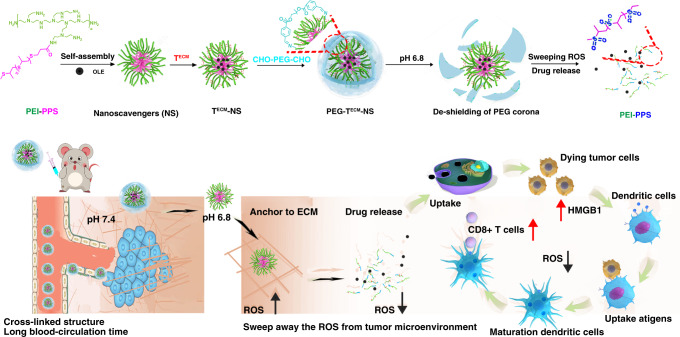
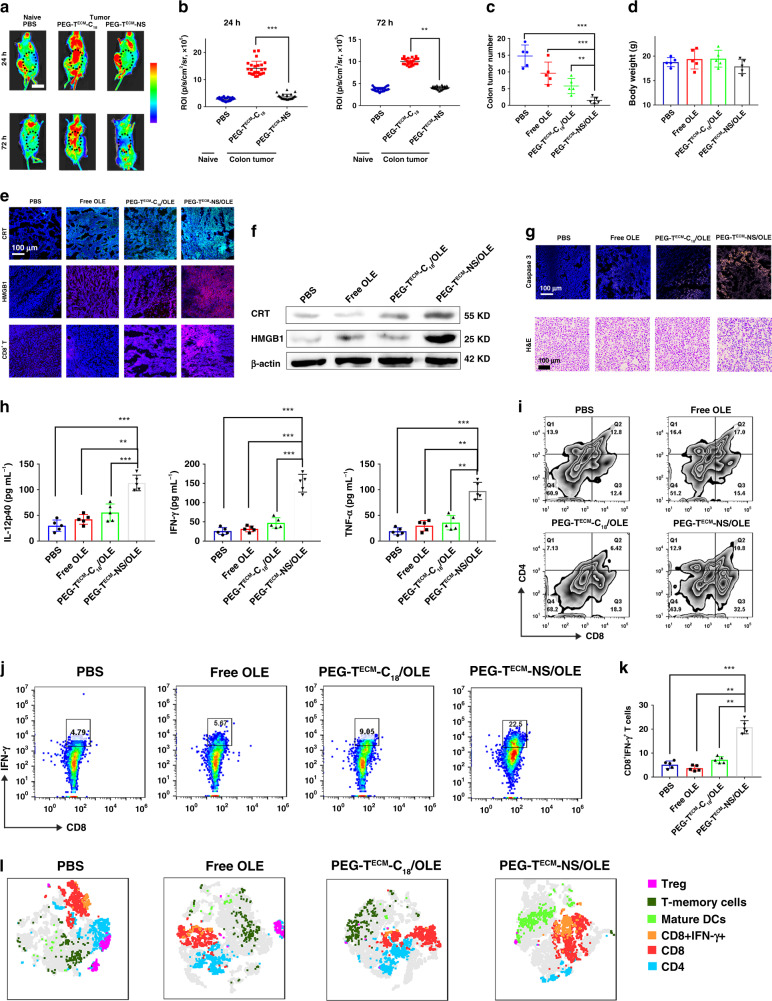
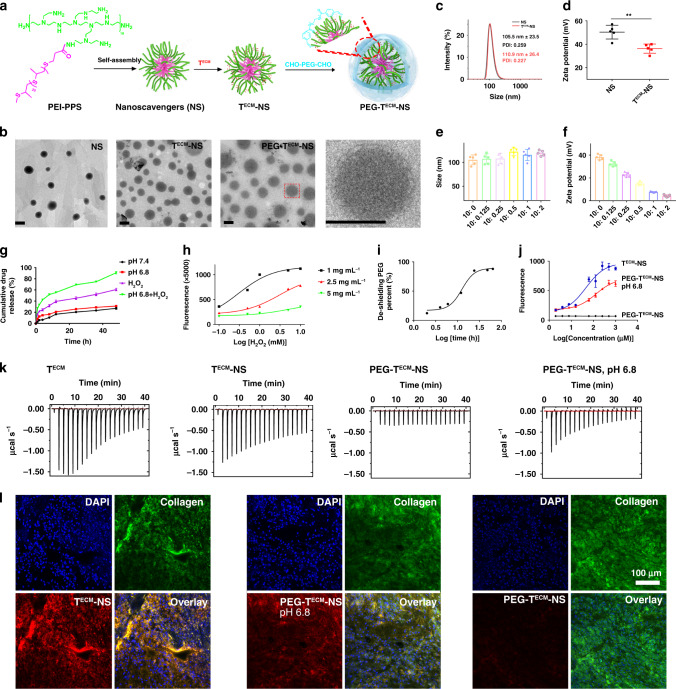
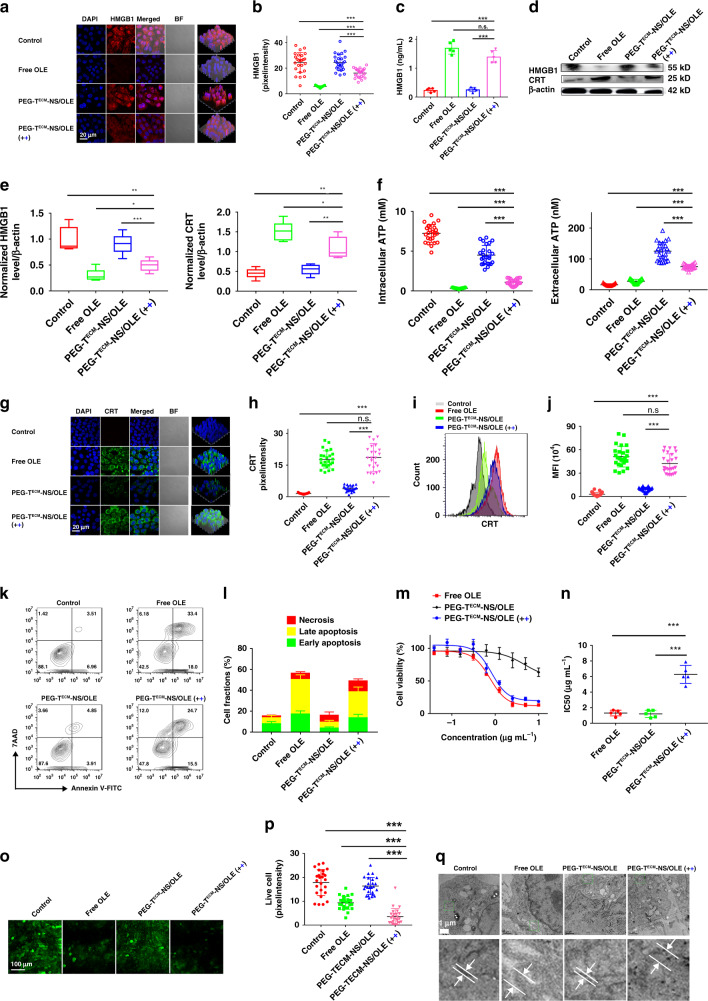
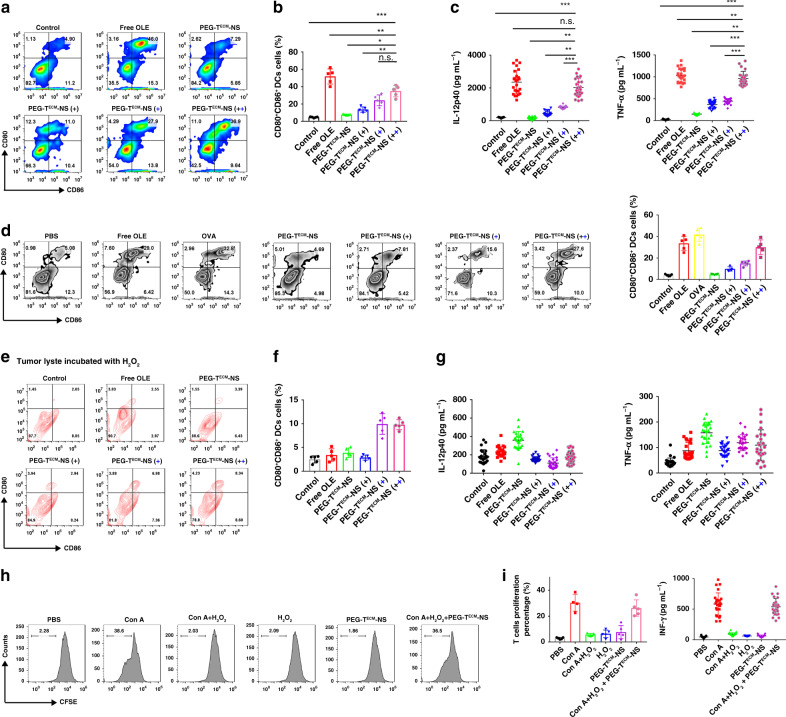
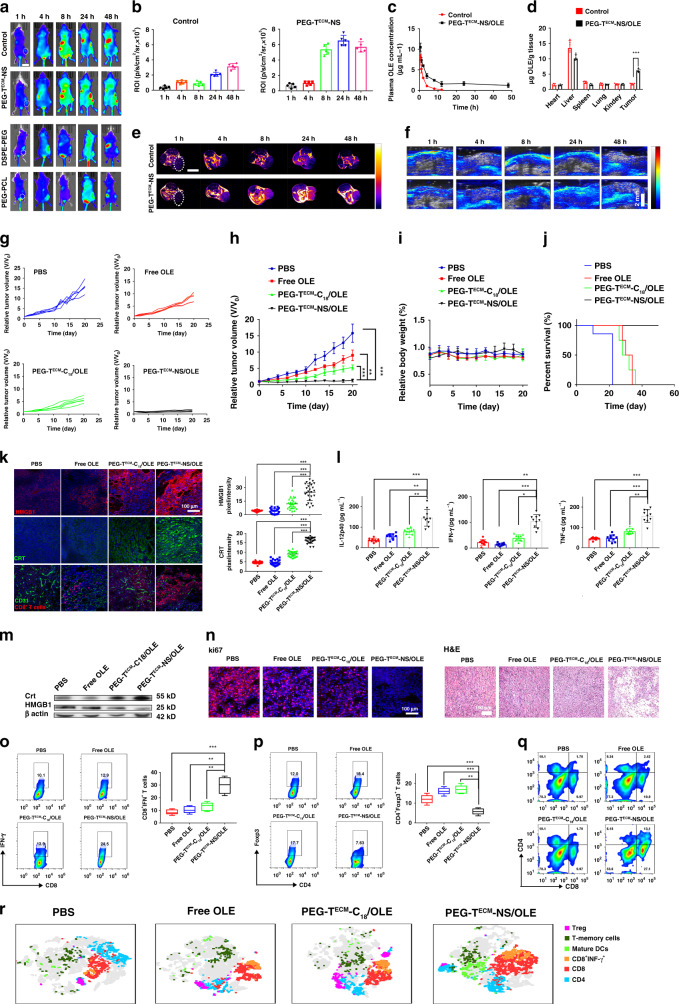
Immunogenic cell death (ICD) and tumour-infiltrating T lymphocytes are severely weakened by elevated reactive oxygen species (ROS) in the tumour microenvironment. It is therefore of critical importance to modulate the level of extracellular ROS for the reversal of immunosuppressive environment. Here, we present a tumour extracellular matrix (ECM) targeting ROS nanoscavenger masked by pH sensitive covalently crosslinked polyethylene glycol. The nanoscavenger anchors on the ECM to sweep away the ROS from tumour microenvironment to relieve the immunosuppressive ICD elicited by specific chemotherapy and prolong the survival of T cells for personalized cancer immunotherapy. In a breast cancer model, elimination of the ROS in tumour microenvironment elicited antitumour immunity and increased infiltration of T lymphocytes, resulting in highly potent antitumour effect. The study highlights a strategy to enhance the efficacy of cancer immunotherapy by scavenging extracellular ROS using advanced nanomaterials.
免疫原性细胞死亡(ICD)和肿瘤浸润性 T 淋巴细胞在肿瘤微环境中会被高水平的活性氧(ROS)严重削弱。因此,调节细胞外 ROS 的水平对于逆转免疫抑制环境至关重要。在这里,我们提出了一种肿瘤细胞外基质(ECM)靶向 ROS 纳米清除剂,该清除剂被 pH 敏感的共价交联聚乙二醇掩蔽。纳米清除剂附着在 ECM 上,从肿瘤微环境中清除 ROS,从而缓解特定化疗引起的免疫抑制性 ICD,并延长 T 细胞的存活时间,以实现个性化癌症免疫治疗。在乳腺癌模型中,消除肿瘤微环境中的 ROS 可引发抗肿瘤免疫,并增加 T 淋巴细胞的浸润,从而产生强大的抗肿瘤效果。该研究强调了一种通过使用先进的纳米材料清除细胞外 ROS 来增强癌症免疫治疗效果的策略。