Department of Global Health and Development, London School of Hygiene and Tropical Medicine , London, UK.
Population Dynamics and Reproductive Health Program, African Population and Health Research Center , Nairobi, Kenya.
Glob Health Action. 2020 Dec 31;13(1):1820713. doi: 10.1080/16549716.2020.1820713.
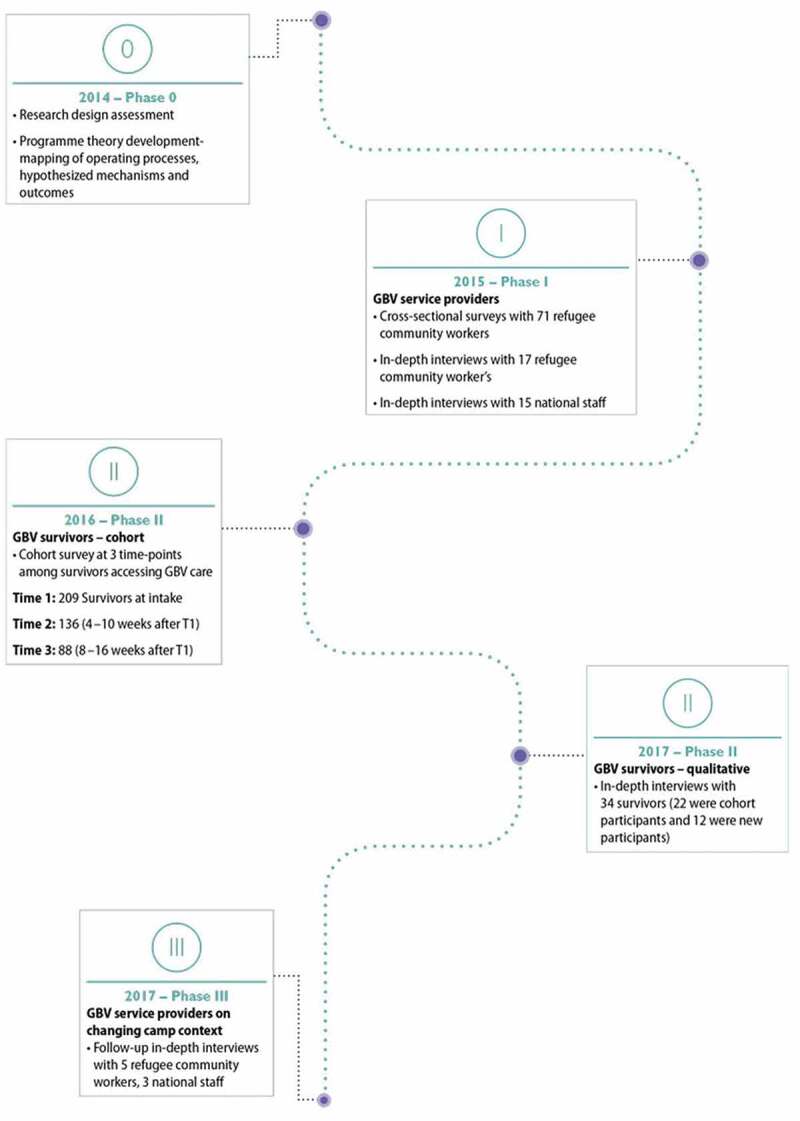
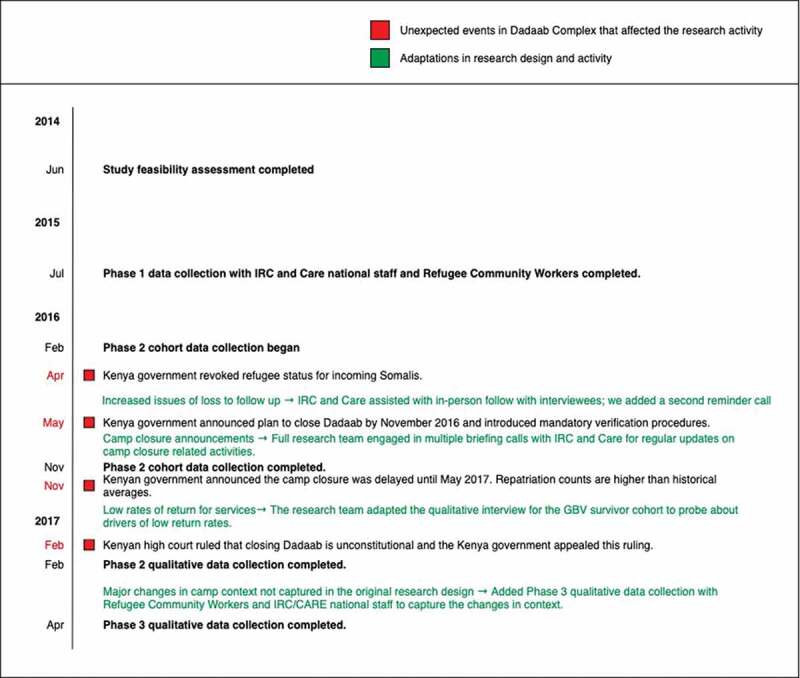
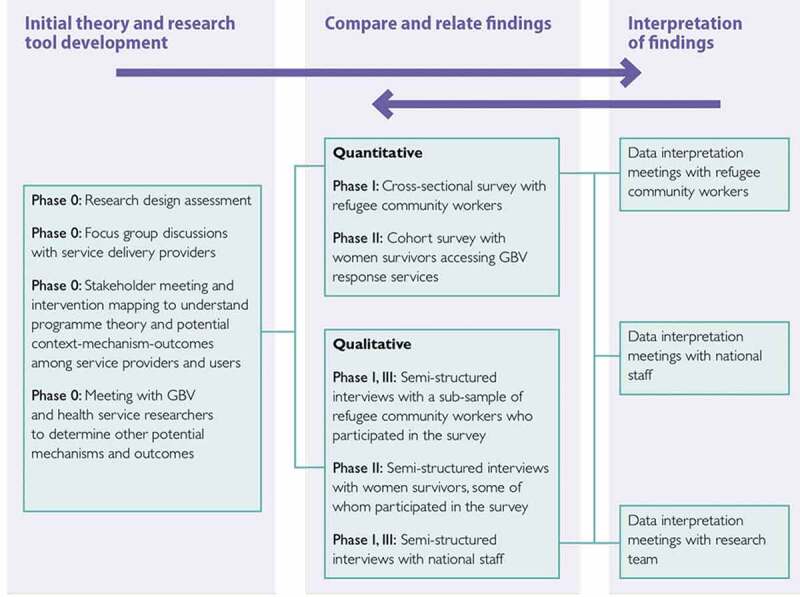
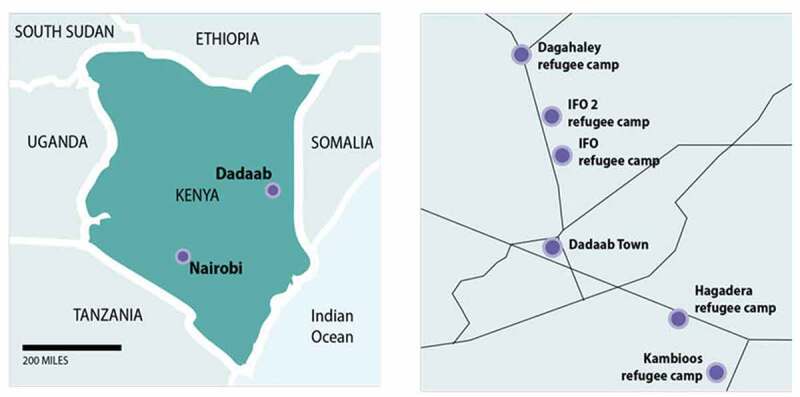
This article presents a case study of research in Dadaab, Kenya to highlight some of the relevant challenges encountered while conducting gender-based violence research in humanitarian settings. A longitudinal mixed-methods design was used to evaluate a comprehensive case-management intervention in the refugee complex near the border of Kenya and Somalia. We present an overview of both expected and unexpected challenges during preparation and implementation of the research, adaptations made to the research design, and lessons learned for future research in similar contexts. Some of the key challenges were attributed to the highly securitized and remote environment of Dadaab refugee camp, like many refugee camp settings, which created limitations for sampling designs, interview locations, and also created particular burdens for the research team members conducting interviews. In addition to the camp environment, the dynamic nature of events and trends in the camp setting created barriers to follow-up with longitudinal cohort participants as well as uncertainty on how to plan for future implementation of research design phases in response to camp changes. Conducting research in humanitarian settings requires a flexible approach to accommodate the challenges that can impact both service delivery and research activities. The discussion presented in this article contributes to the evolving practical guidance on conducting research in humanitarian settings.
本文通过对肯尼亚达达阿布的案例研究,强调了在人道主义环境中进行基于性别的暴力研究时遇到的一些相关挑战。采用纵向混合方法设计,评估了肯尼亚和索马里边境附近难民营综合个案管理干预措施。我们介绍了在研究准备和实施过程中遇到的预期和意外挑战、对研究设计的调整以及为类似背景下的未来研究吸取的经验教训。一些关键挑战归因于达达阿布难民营高度安全和偏远的环境,就像许多难民营环境一样,这为抽样设计、访谈地点带来了限制,也给进行访谈的研究团队成员带来了特殊负担。除了营地环境外,营地环境中事件和趋势的动态性质也给与纵向队列参与者进行随访以及如何根据营地变化计划未来实施研究设计阶段带来了障碍。在人道主义环境中进行研究需要采取灵活的方法来应对可能影响服务提供和研究活动的挑战。本文的讨论为在人道主义环境中进行研究提供了不断发展的实用指导。